
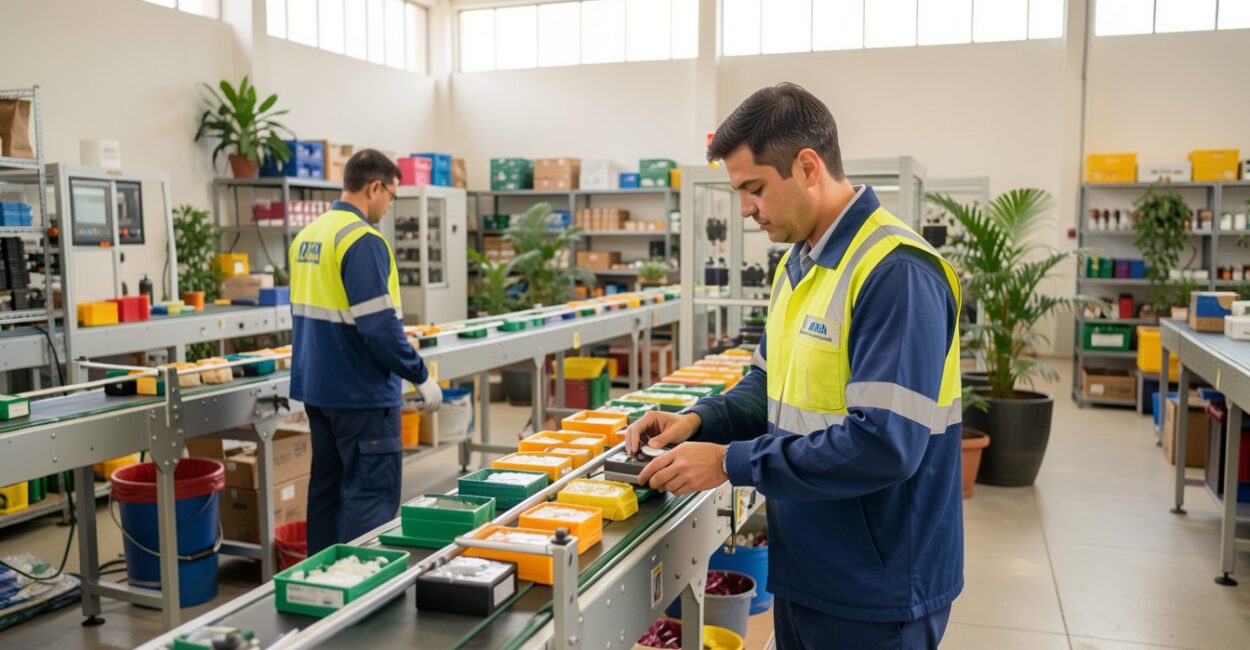
A factory production line can lose hours because one step is poorly sized; a hospital can fall behind when patients pile up in one department. Production Engineering studies how to design and manage systems that deliver products or services while accounting for resources, people, costs, quality, and impact. The professional identifies problems, measures results, and proposes changes that can be evaluated.
This degree combines math with management knowledge. As a result, it can open doors in manufacturing, logistics companies, consulting firms, hospitals, and service organizations. Choosing a program, however, calls for careful attention to the curriculum, hands-on opportunities, and program availability.

Production Engineering: What It Is and What Professionals Do
Production Engineering is the branch of engineering that designs, implements, and improves systems for producing goods and delivering services by integrating human, material, financial, and technological resources. On the job, production engineers analyze processes, track performance metrics, identify bottlenecks, and coordinate changes to meet operational goals and safety and quality requirements. Their responsibilities vary by industry and position. Common tasks include planning production capacity, organizing inventory, studying work measurement and methods, controlling costs, evaluating suppliers, and leading improvement projects. Professional responsibilities depend on education and registration: Confea, Brazil’s Federal Council of Engineering and Agronomy, recommends checking the duties authorized under the professional system.
The field also connects with other branches of Engineering and systems management. In a factory, the focus may be on material flow; in a service company, it may be on service capacity and wait times.

What You Study and the Skills the Program Develops
The curriculum typically includes calculus, physics, statistics, operations research, economics, production management, logistics, and quality control quality. Projects, labs, and internships help students apply this material to real-world situations, such as estimating an operation’s capacity or comparing planning options. There is plenty of math, especially in the first few years, but the program goes beyond STEM subjects: it also requires communication, cost analysis, team management, and an understanding of organizational behavior. Students typically develop skills such as negotiation, leadership, and presenting proposals. Studying statistics, for example, helps distinguish a one-time fluctuation from a recurring process problem.
The program can be challenging for students who avoid math or prefer tasks that don’t involve data analysis and teamwork. That doesn’t mean you need to be naturally good at calculus to keep up: a willingness to practice and seek help in introductory courses can make a big difference.

College: Program Length, Online Study, and How to Choose

A bachelor’s degree in Production Engineering is typically designed to take five years, but the actual time depends on the institution, curriculum, and student’s pace. To find out how long a specific program will take, check its credit and course-hour requirements, prerequisites, course availability, and rules for internships and extracurricular activities. For an online program, evaluate how hands-on coursework, exams, and access to labs or learning centers are handled. Check authorization and recognition through official channels of the MEC, Brazil’s Ministry of Education; the delivery format alone doesn’t tell you whether the program’s structure meets its needs. Brazil’s National Curriculum Guidelines for Engineering, established by the National Education Council, guide degree programs, but each institution designs its own curriculum.
Before enrolling, compare the Production Engineering curriculum, faculty experience, hands-on projects, and internship opportunities. If you’re considering a specific university, such as the University of São Paulo (USP), admission cutoff scores vary by program, campus, application type, and admissions process. Check the official source for the relevant process rather than relying on an outdated number.
Career Paths, Job Prospects, and Salary
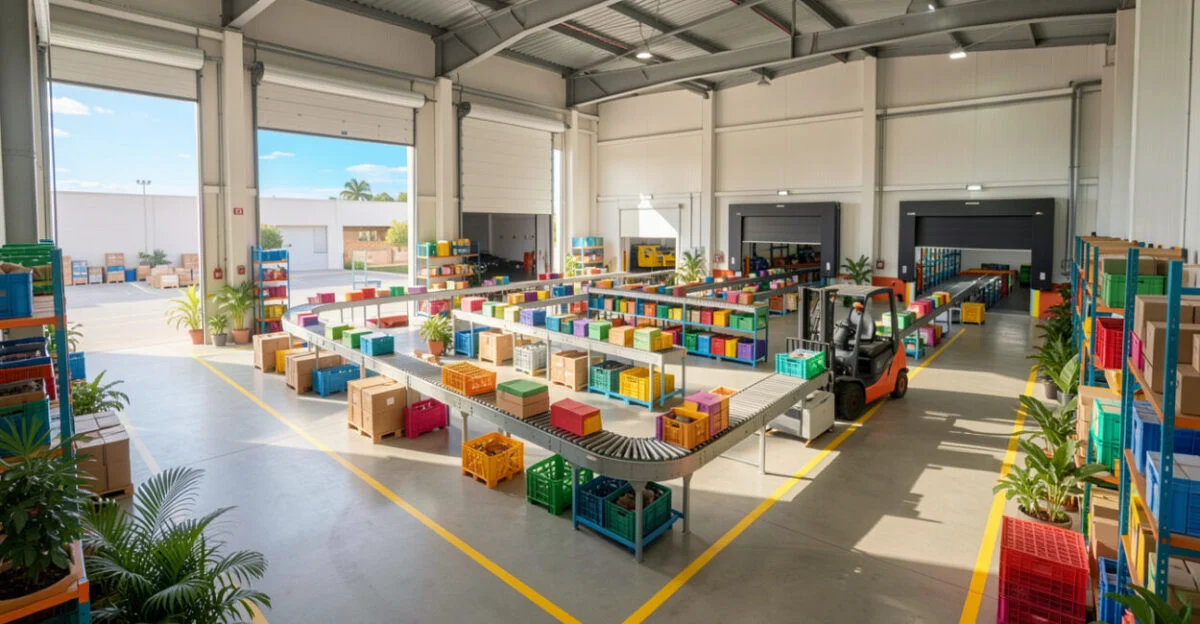
Production engineers can work in production planning and control, logistics, quality, process engineering, project management, purchasing, maintenance, and consulting. They can also find opportunities in services, technology, healthcare, and finance, where operations need to be sized, costs tracked, or wait times and rework reduced.
There’s no single salary figure that represents what a production engineer earns. Pay varies by region, industry, experience, company size, responsibilities, and hours worked. To compare salaries, use data from Brazil’s Ministry of Labor and Employment, such as RAIS or Novo Caged, and check the time period, occupation, and available breakdowns. These surveys don’t guarantee the amount offered for a specific job.
Read also: Bachelor’s Degree in Human Resources: Everything You Need to Know
Area Common tasks Metrics that may be tracked Production Plan production volume, capacity, and sequence Output per period, plan completion, downtime Logistics Manage inventory, warehousing, and transportation Delivery time, inventory turnover, logistics costs Quality Investigate defects and control processes Rejection rate, rework, complaints Projects and processes Map operations and coordinate improvements Timeline, cost, productivity, expected return
This range of career options doesn’t guarantee a job. Hands-on experience, familiarity with tools relevant to the role, and the ability to explain decisions using data can all matter in hiring. The degree can also connect with environmental Engineering when projects involve resource use and social and environmental impacts.
Leia também: Highest-Paying Jobs Without a College Degree
Methods, Technology, and Performance Metrics
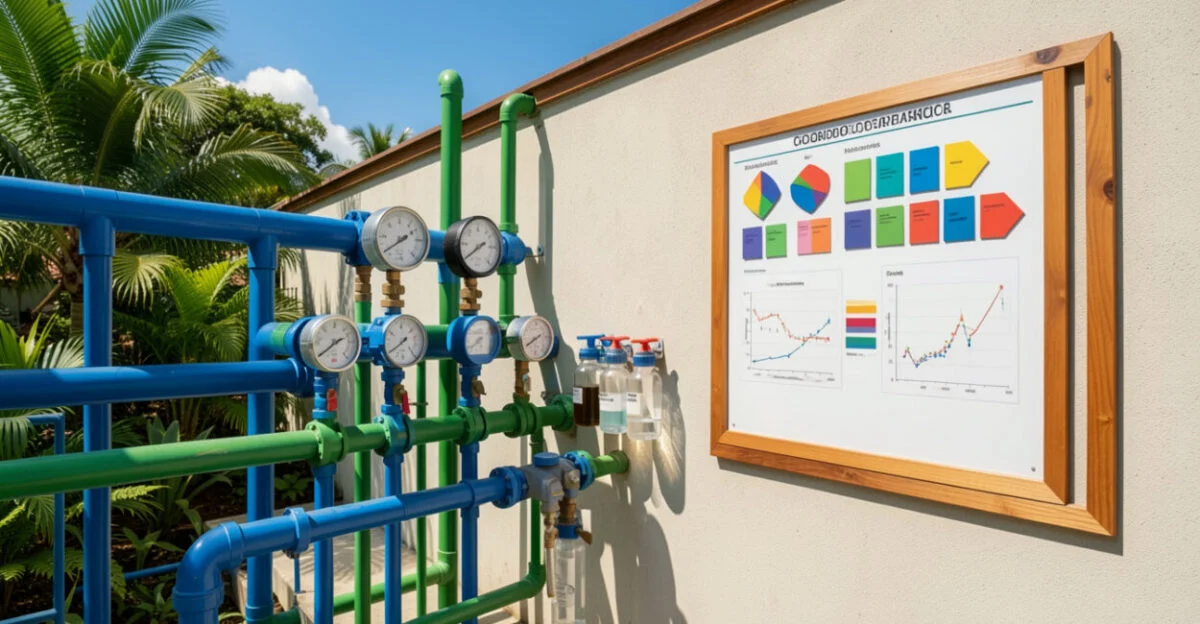
Lean Manufacturing helps identify activities that consume time or resources without adding value for the customer. Six Sigma uses data analysis to reduce variation and defects. No method solves a problem on its own: first, you need to define the process, gather reliable data, and understand the causes before proposing changes.
Automation and data analysis can support decisions about capacity, maintenance, and inventory. Computer simulations make it possible to test scenarios before changing a real operation. Metrics such as cycle time, service level, cost per unit, and rework rate are useful when they’re clearly defined, based on consistent data, and assigned to someone for monitoring.
A practical consideration: if each department calculates “delivery time” differently, comparing results can lead to poor decisions. The metric’s definition needs to specify its start and end points, units, and exceptions.
A metric can guide improvement only when it measures the same thing over time and points to a possible decision.

Projects, Sustainability, and Safety in Practice
Imagine a distribution center where orders fall behind at the end of a shift. The team maps each step and measures wait times, order-picking accuracy, and the volume processed per hour. The data show where the line starts to grow; the change is tested on a limited scale and compared with the previous operation before becoming standard practice.
This kind of analysis needs to consider more than productivity. Reducing the time needed for a task isn’t a good outcome if it increases the risk of an accident, wastes raw materials, or overburdens workers. Management can also incorporate sustainability goals, safety requirements, and compliance rules that apply to the industry.
A common mistake is adopting a solution before understanding the cause of the problem. If a team buys equipment to eliminate delays without checking whether the constraint is in the supply process, it may increase costs without boosting capacity. The same caution applies to cost cuts: reducing expenses without analyzing the effects can shift the bottleneck or compromise controls.
In regulated operations, legal requirements and decisions by public agencies also affect processes. Professionals need to check the applicable rules and consider the policies that govern the work, rather than treating compliance as a separate step in management.
Graduate Study, Certifications, and Professional Development
Graduate study can be worthwhile when it supports a specific goal, such as building expertise in logistics, quality, data science, project management, or sustainability. If you haven’t chosen a specialty yet, working on projects and exploring different areas can help you make a more informed choice.
Certifications in Lean, Six Sigma, or project management make sense when they’re listed in the job postings you’re targeting and the course includes practical application. Before paying for a credential, check the curriculum, requirements, industry recognition, and whether employers value that certification.
Being able to present analysis clearly matters, too: people approving budgets and carrying out changes need to understand technical decisions. Communication skills help explain evidence, negotiate timelines, and engage the teams responsible for operations.
To take the next step, choose two or three institutions and compare their curricula, class formats, supervised practical experience, and program status through official channels. Then connect the courses and career paths to the tasks you’d like to perform. This exercise is usually more useful than choosing a degree based on its name alone.
Frequently Asked Questions
Is Production Engineering a humanities or STEM degree?
It’s an engineering degree with a strong STEM foundation that also applies to management and workplace organization. The program requires math but includes topics related to people, economics, and business decisions.
Can you work outside of factories?
Yes. Hospitals, distribution centers, banks, technology companies, and service providers also have processes, capacity, and resources to plan. The work varies by industry and role.
How can you tell whether graduate study is worth it?
Compare the curriculum with the jobs and responsibilities you’re aiming for. If the specialization teaches a skill that’s in demand and relevant to your situation, it can strengthen your profile. Without that connection, hands-on experience or shorter courses may be a better fit for your goal.
Artigos Relacionados
 Agronomy Degree: An Overview and Its Value
 Online Education Degrees: The Hidden Risk Few People Discuss
 Highest-Paying Degrees: Careers with Top Salaries in 2025
 Engineering Fundamentals
 Construction Technology for Engineering and Building Projects
 Efficient Construction Project Management for Engineering and Construction
