
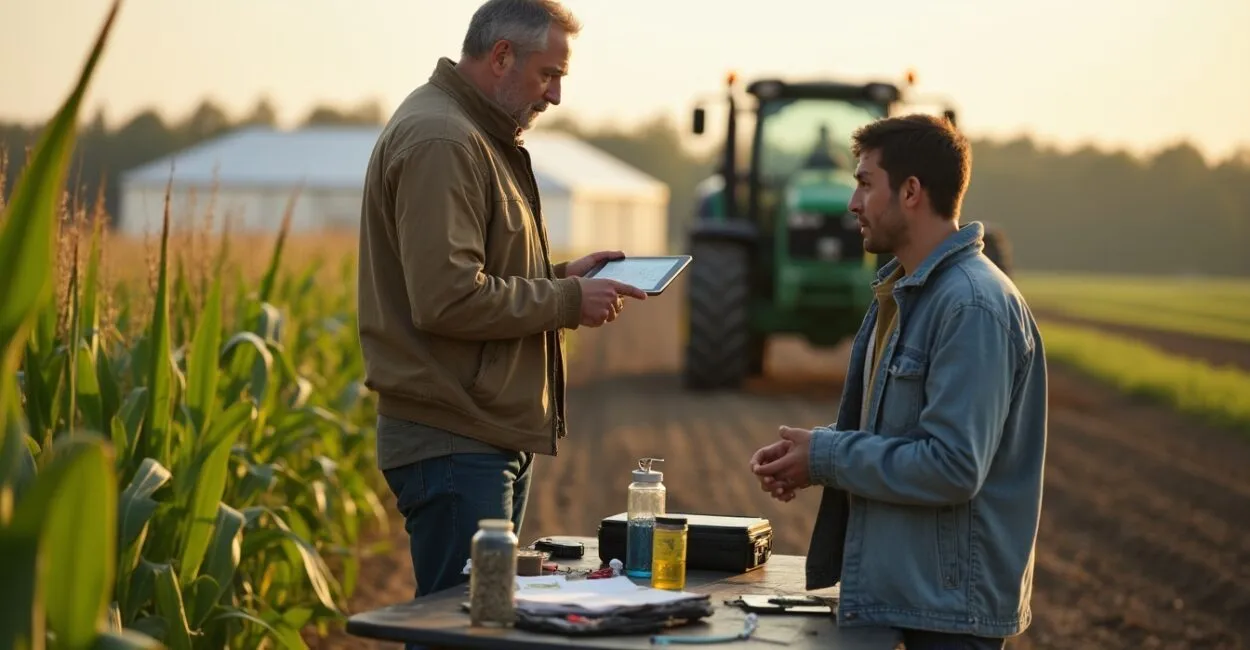
This undergraduate degree combines biological sciences, engineering, and agricultural management to promote sustainable production and innovation in agriculture. It prepares professionals to work with soil, plants, machinery, and complex production systems.
As a senior specialist, I can explain that the degree includes hands-on and theoretical coursework, required internships, and applied projects. Graduates are prepared to work for companies, cooperatives, government agencies, and consulting firms, while also contributing to research and agricultural extension.

Key Takeaways
- Comprehensive training in crop and livestock production, soil science, and agribusiness management.
- Strong demand for professionals with technical skills and agricultural leadership experience.
- Integration of sustainability, technology, and public policy.
Curriculum and Skills in an Agronomy Degree
Core Courses in an Agronomy Degree
The curriculum for an agronomy degree covers crop science, animal science, soil science, mechanization, and irrigation. Extensive hands-on coursework strengthens students’ technical skills and prepares them to solve real-world problems on farms. Topics include integrated pest management, soil fertility, and conservation practices, giving students the tools to increase productivity while acting responsibly toward the environment and the economy—skills that are essential in today’s profession.
Internships and extension projects round out the learning experience, introducing students to emerging technologies such as precision agriculture and integrated production systems, which are essential to modernizing the industry.
Management Skills in an Agronomy Degree
In addition to technical expertise, an agronomy degree prepares students to become managers who can plan supply chains, control costs, evaluate investments, and lead teams—skills in demand in increasingly competitive and regulated markets. Communication, negotiation, and an understanding of public policy are built into the program, enabling agronomists to work as consultants or managers in public and private organizations and contribute to strategic decisions in agriculture. Training in risk analysis and sustainability equips graduates to propose economically viable and environmentally responsible solutions, which are essential to modern agribusiness.
Internships and Career Opportunities in Agronomy
Internships connect classroom learning with real-world practice, giving students experience on farms, at processing plants, in laboratories, and at research institutes. These opportunities improve employability and deepen students’ understanding of local and regional production. Partnerships with cooperatives and companies support projects that often lead to recommendations for improvement and innovation, helping students enter the workforce with a portfolio and a strong professional network.
Taking part in agricultural extension builds communication skills for working with producers and prepares graduates to implement technologies and practices that deliver sustainable social and production benefits.
Technology and Innovation in Agronomy
Technology Integration in an Agronomy Degree
Incorporating sensors, drones, satellite imagery, and management software enhances agronomy education by promoting precision agriculture and data-driven decision-making while reducing costs and environmental impacts. Lab and fieldwork include soil analysis using modern equipment and agronomic modeling, preparing students to interpret data and turn knowledge into practical measures for production systems.
Interdisciplinary projects connect technology with sustainability, preparing professionals to innovate in biotechnology, agrometeorology, and integrated production systems—fields with growing demand.
Applied Research and Extension in Agronomy
Research in agronomy focuses on genetic improvement, sustainable management, and efficient use of inputs. Collaboration between universities and institutions such as Embrapa, Brazil’s agricultural research corporation, and federal universities expands the impact of scientific discoveries. Extension programs bring technologies to farmers and communities, encouraging the adoption of practices tested and adapted to local conditions and strengthening food security and rural development.
Innovation incentives, incubators, and rural entrepreneurship are also part of the program, encouraging students to solve real-world problems and launch new businesses in the agricultural sector.
Technology Resources and References
For further information, I recommend consulting authoritative sources such as the website of Brazil’s Ministry of Agriculture and Embrapa, which offer technical publications and regulations that complement an agronomy degree. Academic research from leading universities is also essential for keeping up with advances and methods that can be applied in the field, as are major agricultural news outlets that cover industry trends and markets.
These sources help professionals stay current and build a strong technical foundation—both essential for maintaining high standards and staying competitive in the industry. Embrapa and Ministry of Agriculture are useful resources.

Agronomy Careers and Job Opportunities After Graduation

Career Paths for Agronomy Graduates
Agronomy graduates can find opportunities in consulting, agricultural input companies, cooperatives, research, government agencies, and environmental management, as well as in agricultural logistics and marketing. Skills in crop and livestock management, economic analysis, and technology prepare professionals to work across short and long supply chains, combining sustainability with productivity and meeting local and international needs.
Careers at agtech startups and in extension services offer additional options, but require ongoing learning and entrepreneurial skills to take advantage of emerging market niches.
Pay and Career Advancement After an Agronomy Degree
Pay varies by industry, experience, and location. Salaries can be competitive in private companies and government agencies, with opportunities to advance into technical, management, and research roles depending on qualifications. Specializing in areas such as irrigation or soil management, or earning sustainability certifications, can increase a professional’s market value, while a master’s or doctoral degree can open doors in research and teaching.
Networking, attending industry events, and keeping up with new technology are key to advancing your career and securing leadership roles in agribusiness.
Future Trends for Agronomy Graduates
Demand is growing for expertise in sustainability, environmental certifications, traceability, and data use—areas in which an agronomy degree prepares professionals to work innovatively and responsibly. The shift toward more resilient food systems and the digitalization of supply chains are increasing the need for agronomists with a systems-level perspective who can integrate agricultural practices with market policies.
Professionals who invest in technology, communication, and management skills will be better positioned to take advantage of new opportunities in an industry undergoing constant change.
Comparative Tables of Degree Focus Areas and Specializations
Comparing Agronomy Degree Focus Areas
| Focus Area | Focus | Job Market |
|---|---|---|
| Crop Production | Crop management and protection | Grains, fruit production |
| Animal Production | Animal husbandry and nutrition | Livestock, poultry |
| Soil and Water Resources | Conservation and irrigation | Environmental management |
Recommended Postgraduate Specializations
Specializing in irrigation, precision agriculture, integrated pest management, or sustainability certifications can improve employability and help professionals qualify for higher-paying technical and management roles with greater responsibility. Short courses and an MBA in Agribusiness can round out a degree by connecting technical knowledge with management and market expertise—essential for those who want to start a business or lead major projects.
When choosing a specialization, consider local trends, market needs, and your personal interests to ensure practical value and career impact.
How Degree Focus Areas Differ
The table shows that each agronomy focus area offers a different emphasis: crop production prioritizes productivity, animal production focuses on health and nutrition, and soil studies emphasize sustainability. These differences reflect specific market needs. Understanding them is essential for planning your career and choosing internships and projects that build the skills employers and clients want, helping you make more informed professional choices.
Read also: Agronomy Colleges in Brazil: A Complete Guide to the Best Schools
Keep your focus area in mind as you pursue professional development and networking, ensuring your education, opportunities, and personal goals stay aligned.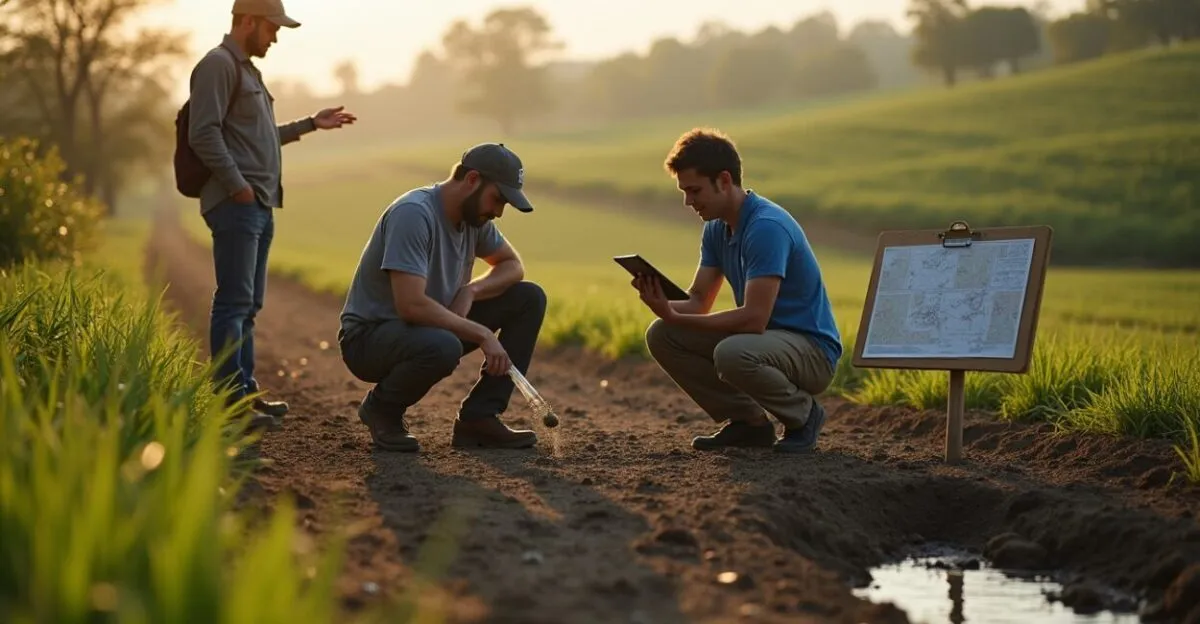
Sustainable Practices and Public Policy in Agronomy
Soil and Water Conservation in Agronomy
Soil conservation and water management are core components of an agronomy degree. Students learn about crop rotation, terracing, no-till farming, and agroforestry systems, which reduce erosion and improve climate resilience.
Read also: Agricultural Finance: How to Access BNDES Loans in 2025
Students learn to plan production systems that conserve water and protect natural resources—essential skills in regions with variable water availability and growing sustainability demands. These practices also connect with public incentive policies and conservation programs, enabling professionals to work on government and private projects with social and environmental impact.
Public Policy and Regulations Covered in an Agronomy Degree
Agricultural, health, and environmental policies are part of an agronomy degree, preparing future agronomists to understand regulations, rural credit, and support mechanisms for sustainable production. Knowledge of laws and development programs is important for advising producers, accessing funding, and implementing projects that meet legal and market requirements.
The program also covers certifications and practices that add value to products, supporting access to specialized markets and sustainable rural development initiatives.
Public-Private Partnerships in Agronomy
An agronomy degree encourages partnerships among universities, government, and the private sector, supporting applied research, technology transfer, and extension programs that benefit communities and increase productivity. These collaborations help advance innovation, funding, and technical training projects, aligning academic goals with real-world needs in agriculture—an essential step toward lasting impact.
Taking part in these networks broadens career prospects and gives agronomists the opportunity to contribute to policies and projects with tangible social and economic benefits.
Common Mistakes and Practical Advice
- Underestimating the importance of hands-on internships during an agronomy degree.
- Neglecting new technology and precision agriculture methods.
- Focusing only on production without considering sustainability and the market.
- Failing to build connections with companies, cooperatives, and researchers.
Avoiding these mistakes can improve employability and professional effectiveness. Prioritizing hands-on experience, continuing education, and strategic relationships is essential for building a career in agriculture.
Recommended Steps After an Agronomy Degree
Continuing your education, taking technical courses, attending events, and earning certifications can make agronomy graduates more competitive and connect their knowledge with current market needs. Pursuing a range of internships and contributing to research projects builds a portfolio and practical experience—both essential for those interested in consulting or agricultural management.
Combining technical knowledge with communication and management skills makes professionals more valuable and better able to lead sustainable, innovative initiatives.
Resources and Support Networks for Agronomy Students
Universities, research centers such as Embrapa, cooperatives, and professional associations offer training and support programs that complement an agronomy degree and strengthen students’ and graduates’ skills. Joining professional networks and attending industry events can help you find jobs, partnerships, and new technologies, while keeping you informed about public policy and financing.
These resources are valuable for building a career, expanding opportunities, and implementing practical solutions that increase productivity sustainably.
Practical Resources, Reading, and Useful Links
Recommended Learning Materials for Agronomy Students
Textbooks on soil science, crop science, animal science, and mechanization can complement your education, along with scientific articles and technical manuals available through university libraries and specialized websites. Pairing classic texts with recent publications helps balance theoretical foundations with new developments—essential for sound professional practice and evidence-based decisions.
Digital resources and online courses can also expand your knowledge and support flexible, ongoing learning throughout your career.
Important Websites and Institutions for Agronomy
Regularly consulting institutions such as Embrapa, federal universities, and government websites provides access to data, technology, and regulatory updates that directly affect agronomy education and practice. These sources offer publications, databases, and technical guidance that enrich research and extension projects and serve as reliable references for professionals and students.
Keeping these sources on your radar is a recommended way to stay current and make well-informed decisions in agriculture.
Useful Digital Tools for Agronomy Graduates
Agricultural management software, mapping apps, and data analysis platforms are essential tools that complement an agronomy education and support production planning and monitoring. Market tools and learning platforms enable economic simulations, yield modeling, and sensor integration, helping optimize results and sustainability.
Adopting these technologies boosts operational efficiency and makes it easier to adapt to the demands of today’s agricultural supply chains.
Conclusion and Call to Action
Why Choose an Agronomy Degree?
Choosing an agronomy degree means pursuing a career that combines science, technology, and social impact. It prepares professionals to support food security and sustainable production in a range of regional contexts. The program provides a strong technical foundation, research opportunities, and direct connections to agriculture, preparing professionals to address climate and market challenges with innovative solutions.
Investing in this education is a smart choice for anyone seeking a dynamic, meaningful career with significant potential to contribute to society and the economy.
Recommended Next Steps
If you’re considering an agronomy degree, research curricula, internship opportunities, and research partnerships. Visit schools and talk with faculty and students to see whether a program aligns with your career goals. Plan for future specializations and stay focused on new technology and sustainable practices to improve your competitiveness and professional impact.
Making informed decisions and gaining hands-on experience early will make a difference in your career as an agronomist.
Get Started
Look for accredited programs, attend events, and read technical publications to deepen your knowledge. This proactive approach is crucial for getting the most out of an agronomy degree and turning what you learn into real results in the field. Get involved in extension, internship, and research projects to build a strong, impactful career by effectively and sustainably connecting theory with practice.
If you need help, I can recommend resources, colleges, and specialization options based on your location and career goals.
Frequently Asked Questions
What Is the Main Focus of an Agronomy Degree?
An agronomy degree prepares professionals to work in crop and livestock production, soil management, environmental conservation, and agribusiness management. It combines technology and sustainable practices to increase productivity and efficiency while taking social, environmental, and economic responsibility into account.
How Long Does an Agronomy Degree Usually Take?
In Brazil, an agronomy degree typically takes five years to complete. The program includes theoretical courses, hands-on classes, and required internships, which together provide a strong foundation for technical, management, and research roles in agriculture.
What Are the Main Specializations After an Agronomy Degree?
Popular specializations include irrigation, mechanization, precision agriculture, soil management, animal production, crop science, and agribusiness management. Each one prepares professionals for specific market niches and expands their career and technical opportunities.
How Does an Agronomy Degree Prepare Students for Innovation and Technology?
An agronomy degree includes courses on sensors, drones, management software, and data analysis, as well as research and extension projects that apply technology in the field. This prepares professionals to implement innovative and efficient solutions in agricultural production.
What Skills Are Essential for Success in an Agronomy Degree?
Essential skills include scientific knowledge, systems thinking, data analysis, communication with producers, project management, and a commitment to keeping up with new technology. These abilities help agronomy graduates work effectively in complex, changing environments.
Artigos Relacionados
 Online Education Degrees: The Hidden Risk Few People Discuss
 Highest-Paying Degrees: Careers with Top Salaries in 2025
 Flight Attendant Overview
 Highest-Paying Jobs Without a College Degree
 The Role of Schools and Families in Shaping Values: Foundations and Concepts
 The Importance of the Regional Council of Engineering and Agronomy
