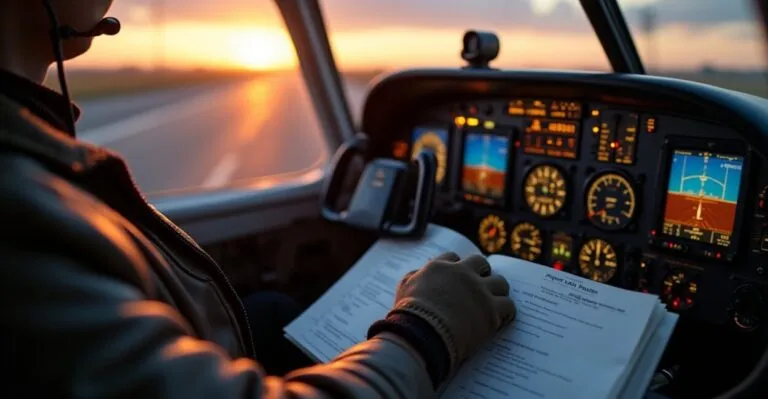
Flight attendants play a vital role in passenger safety, comfort, and in-flight service on commercial aircraft. As trained cabin crew members, they manage emergency procedures, provide customer service, and enforce safety regulations—responsibilities that matter to every traveler and airline. If you’re considering a career as a flight attendant, start by learning about certification, training pathways, and airline hiring standards.
Demand for experienced cabin crew reflects industry growth and changing passenger expectations, creating both opportunities and challenges in scheduling, certification, and well-being. This article covers duties, training, career progression, pay benchmarks, practical steps, and best practices to help aspiring and current flight attendants succeed.

Flight Attendant Overview
- Role definition: cabin safety, first aid, and customer service.
- Work environment: narrow-body and wide-body aircraft, plus regional jets.
- Certification basics: required safety and evacuation training.
- Key soft skills: communication, cultural awareness, and conflict resolution.
- Typical schedules: reserve duty, monthly flight schedules, and international rosters.
Core Responsibilities and Mission
Flight attendants help ensure onboard safety through routine checks, passenger briefings, and enforcement of regulations. They provide medical assistance when needed and coordinate with pilots and ground crews. The job combines safety procedures with service, from preflight safety demonstrations to managing in-flight disruptions. Their actions directly affect operational safety and the passenger experience.
Understanding these responsibilities is essential for recruitment, training design, and day-to-day performance evaluations at airlines and regulatory agencies.
Working Conditions and Schedules
Shifts vary by airline: domestic trips may last 4–12 hours, while international rotations can span 24–72 hours or more, including layovers. Schedules often include nights, weekends, and holidays. Rest periods are regulated; for example, duty-time limits aim to reduce fatigue, but irregular hours remain a major challenge. Union agreements and airline policies affect how predictable schedules are.
Prospective crew members should consider commuting, base policies, and typical flight schedules when choosing an airline to support a healthy work–life balance.
Required Qualifications and Certifications
Basic entry requirements typically include a minimum age (commonly 18–21), a high school diploma, and fluency in required languages. Airlines require training in safety and emergency procedures. Regulatory bodies such as the FAA set certification standards in some jurisdictions; medical exams and background checks are standard. Additional qualifications—such as CPR, AED, and firefighting training—can improve job prospects.
Ongoing training and recurrent checks are essential. Many airlines require refresher courses every 6–24 months to maintain certification and readiness.
Cabin Crew Duties
- Check safety and emergency equipment before each flight.
- Give passenger briefings and check seat belts.
- Serve meals and politely attend to passenger needs.
- Respond promptly to medical incidents and report them.
- Coordinate with the flight deck on operational and security matters.
Preflight Procedures and Inspections
Before departure, cabin crew inspect life vests, evacuation slides, oxygen systems, and galley equipment to confirm they’re working properly. They check emergency exits and secure cabin storage. Recording defects and communicating with maintenance teams help prevent safety lapses. Efficient checklists standardize these tasks across aircraft fleets and types.
Consistent preflight routines reduce human error and ensure regulatory compliance, directly affecting on-time performance and passenger safety.
In-flight Service and Passenger Care
Service includes distributing beverages and meals, assisting infants and passengers with reduced mobility, and managing onboard sales. Emotional intelligence and conflict resolution skills are essential. Cabin crew balance hospitality with safety: service pauses during turbulence, and emergency briefings take priority. Effective service protocols improve passenger satisfaction scores and ancillary revenue.
Training in cross-cultural communication and allergy and medical awareness helps cabin crew provide inclusive service to diverse passengers.
Emergency Response and Coordination
Flight attendants carry out evacuation procedures, administer first aid, and respond to onboard fires or cabin depressurization. They work under the captain’s command and follow checklists.
Regular drills, CRM (crew resource management), and simulation training build muscle memory for high-stress situations. Coordinated responses reduce injuries and help crews manage emergencies more quickly.
Documentation and post-incident reports inform airline and regulator safety management systems and continuous improvement programs.
Airline Flight Attendant Training

Initial Training Programs
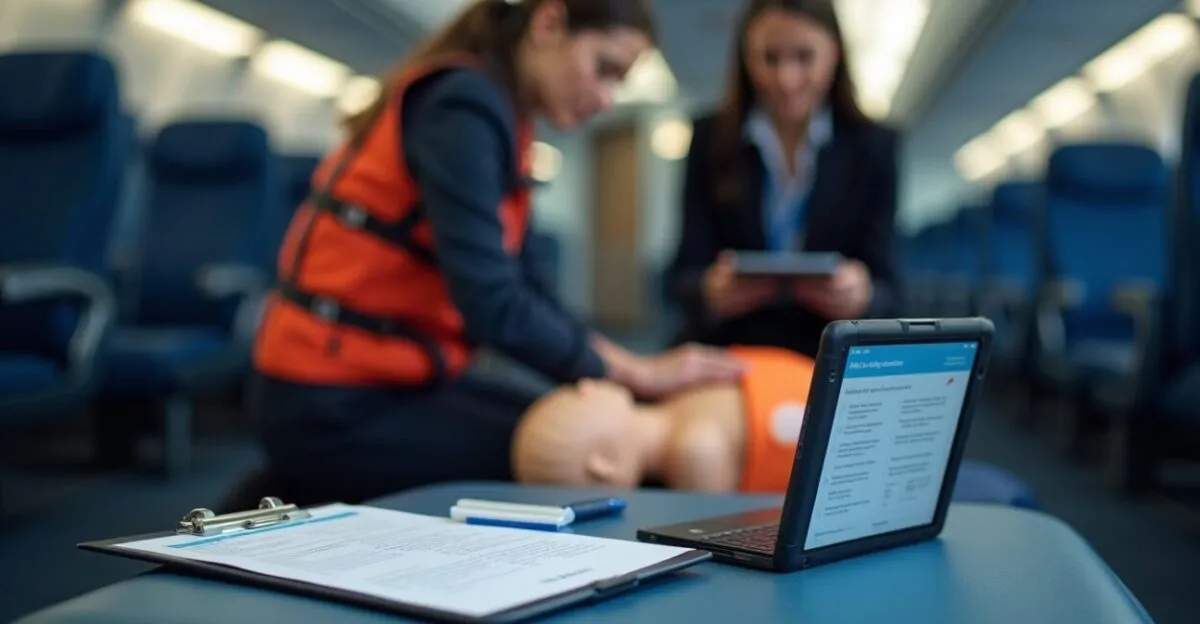
New-hire academies cover safety, evacuation, first aid, security, and airline-specific service standards over 3–8 weeks, depending on the carrier and regulatory requirements. Training combines classroom instruction with hands-on drills.
Simulation exercises, emergency slide deployment, and hands-on medical scenarios build practical skills. Assessments include written, oral, and practical exams to confirm readiness for line flying.
Graduates receive certification recognized by the airline. Recurrent training helps maintain compliance and retain skills throughout a career.
Recurrent and Specialized Refreshers
Flight attendants complete recurrent training every 6–24 months, covering CRM, medical updates, and regulatory changes. Specialized refreshers cover dangerous goods, security, and care for newborns and older adults.
These modules ensure legal compliance and prepare crew for new aircraft types, seat configurations, or service protocols. Airlines track completion to determine eligibility for flight assignments.
Ongoing professional development improves retention and strengthens safety culture across fleets and international operations.
Comparison of Training Models
Training models vary: in-house academies provide airline-specific curricula, while third-party training centers offer standardized courses at a lower cost. The right choice depends on the airline’s scale and specialization needs.
Metrics-driven programs emphasize scenario-based learning and digital CBT (computer-based training). Hybrid models combine virtual reality simulations with hands-on labs for realistic training at a lower cost.
Choosing a model means balancing cost, scalability, and regulatory acceptance—key considerations for airlines expanding their fleets or entering new markets.
| Training Model | Typical Duration | Best for |
|---|---|---|
| In-house academy | 4–8 weeks | Major carriers needing tailored standards |
| Third-party center | 2–6 weeks | Regional airlines and rapid hiring |
| Hybrid/VR-enhanced | Variable | Cost-efficient simulation-based training |
| Online CBT + practical | Self-paced + 1–2 weeks practical | Recurrent training and theory delivery |
Benefits of Being a Cabin Crew Member
Compensation and Perks
Pay varies by carrier, seniority, and route type. Base salaries can vary widely; many crew members earn additional per diem and flight pay for long-haul routes. Benefits may include health insurance and travel privileges.
According to the U.S. Bureau of Labor Statistics, median annual pay for flight attendants was $62,000 in 2023, reflecting base pay plus allowances and overtime (BLS).
Airline unions and contracts have a significant impact on overall compensation, bidding systems, and retirement benefits across carriers and countries.
Travel and Lifestyle Advantages
Flight attendants receive discounted or free standby travel, making it easier to explore destinations in the U.S. and abroad. Layovers offer cultural exposure and opportunities to travel on days off.
Many report high job satisfaction because of the travel, variety, and social interaction. However, irregular schedules require adjusting to time zones and managing sleep.
This lifestyle is a good fit for people who value travel and flexible, non-office work over a predictable 9-to-5 schedule.
Career Growth and Transferable Skills
Skills gained—such as crisis management, customer service, and language abilities—transfer to hospitality, corporate security, and safety training roles. Senior crew members can become lead flight attendants, trainers, or inflight managers.
According to IATA, cabin crew numbers grew by 12% globally between 2019 and 2023 as markets recovered, expanding career opportunities (IATA).
Career mobility within airlines and across regions often depends on additional certifications and bilingual skills.
- Competitive pay with per diem and overtime.
- Travel privileges and discounted flights.
- Opportunities for international layovers and cultural exposure.
- Transferable safety and customer service skills.
- Union representation and negotiated benefits.

Career Paths for Flight Attendants
| Role | Typical Experience | Next Step |
|---|---|---|
| Junior Flight Attendant | Entry-level | Senior Attendant |
| Senior Flight Attendant | 3–7 years | Purser/Lead |
| Purser/Lead | 7+ years | Inflight Manager/Trainer |
| Inflight Trainer/Manager | 8+ years | Safety/Operations Director |
Advancement Within Airlines
Career progression typically starts with junior roles and moves to senior positions, then to purser or lead flight attendant roles supervising cabin operations. Performance, seniority, and completed training all factor into promotions.
Management-track roles include inflight training manager, safety officer, and cabin operations lead. These positions combine operational oversight with regulatory compliance responsibilities.
Airlines look for mentoring skills and documented safety records when selecting candidates for leadership and instructor roles.
Cross-industry Opportunities
Experienced crew members can move into airport customer service, corporate hospitality, airline training centers, or emergency medical services. Their crisis response and public-facing experience are valuable in these fields.
Some move into aviation compliance, security consulting, or sales roles at travel and tourism companies. Language skills can open doors to international relations and ground services roles.
Moving into another industry may require targeted certifications, but it builds on strong interpersonal and operational skills.
Salary Benchmarks and Growth
Pay scales vary: regional carriers may offer starting salaries of $25k–$40k a year, while major international airlines often pay higher base salaries plus allowances. In some markets, senior crew and long-haul pursers can earn total compensation in the six figures.
According to Glassdoor and industry reports, average total compensation for cabin crew can increase by 20–40% with seniority and preferential pay structures for long-haul flights (Glassdoor).
Location, union contracts, and airline profitability significantly affect earnings and career advancement opportunities.
Challenges for Flight Attendants
Fatigue and Health Considerations
Irregular schedules and frequent time-zone changes can disrupt circadian rhythms and increase fatigue. If left unmanaged, chronic fatigue can affect job performance and long-term health.
Airlines set duty-time limits and rest requirements, but individual strategies—such as good sleep habits, hydration, and nutrition—remain essential for well-being and operational safety.
According to the WHO and occupational studies, disrupted sleep can increase long-term cardiovascular and metabolic risks, highlighting the need for structured health programs.
Security and Passenger Conflict
Cabin crew increasingly face unruly passengers and security incidents. Training in de-escalation, regulatory reporting, and coordination with law enforcement is essential for resolving incidents.
Regulatory fines and legal responsibilities have increased since 2020. Airlines emphasize clear policies and documented procedures for managing disruptions.
Support systems, including post-incident counseling and legal assistance, help crew members recover and maintain professional standards.
Operational and Regulatory Constraints
Airlines must comply with national and international safety regulations that affect crew scheduling, training frequency, and medical fitness requirements. These rules can limit flexibility.
Regulatory changes—such as new security requirements or health screening rules—require quick policy updates and crew retraining, increasing operational workloads during transitions.
Understanding regulatory frameworks such as the FAA and EASA helps crew members navigate career impacts and maintain consistent compliance across operations.
- Irregular hours and jet lag can affect health.
- Exposure to passenger conflicts and safety incidents.
- Regulatory compliance can limit scheduling flexibility.
- Exposure to pathogens in confined spaces.
Flight Attendant Tips and Best Practices
Preflight Preparation and Checklists
Develop a personal preflight routine: confirm your documents, review passenger manifest notes for special needs, and inspect your assigned safety equipment. Consistency reduces errors and builds reliability.
Use airline-provided checklists and add personal reminders for medication, hydration, and rest to help manage long rotations effectively.
Preparation builds confidence, improves on-time performance, and strengthens passenger trust during both routine and irregular operations.
Customer Service and Communication
Effective communication combines clarity, empathy, and confidence. Use concise briefings, listen patiently, and show cultural awareness to manage expectations and defuse tensions with passengers.
Document incidents and follow company reporting procedures to ensure transparency and protection. Consistently courteous service protects the airline’s reputation and builds passenger loyalty.
Ongoing feedback and coaching from trainers can help refine the verbal and nonverbal techniques needed for high-stress interactions.
Career Longevity and Well-being
Prioritize sleep, nutrition, and exercise to reduce fatigue. Build a support network and use airline wellness programs and counseling services to address mental health needs.
Plan for your finances and retirement early—union resources and HR benefits can help with savings and health care planning. Adding skills, such as earning instructor credentials, can expand your career options.
Proactive attention to well-being and professional development supports long-term job satisfaction and career resilience in a demanding field.
- Pack essentials: travel documents, basic first-aid supplies, and a comfort kit.
- Maintain a consistent sleep and hydration routine.
- Use de-escalation phrases and remain professionally calm.
- Document incidents and follow reporting procedures promptly.
- Invest in recurrent training and language skills.
In summary, flight attendant careers combine safety responsibilities with service and travel benefits. Understanding training pathways, operational realities, compensation trends, and well-being strategies can help aspiring and current crew members succeed. Whether you’re aiming for seniority on long-haul routes or a move into another industry, prioritize ongoing training, health management, and clear communication to advance. Next steps: review airline-specific requirements, enroll in certified training, and connect with professional networks to start or grow your cabin crew career.
Frequently Asked Questions
What Is a Flight Attendant?
A flight attendant is a trained aviation professional responsible for passenger safety, medical assistance, and onboard service. They conduct preflight safety checks, give safety briefings, manage emergencies, and provide hospitality throughout flights. Their role ensures regulatory compliance and passenger well-being, combining technical emergency skills—such as first aid and evacuation procedures—with customer service to maintain comfort and security onboard.
How Does Flight Attendant Training Work?
Training typically starts with 3–8 weeks of academy instruction covering safety protocols, first aid, evacuation, and service standards. Recurrent training takes place every 6–24 months to refresh skills and meet regulatory requirements. Programs combine classroom learning, practical drills, and simulations, with written exams and live demonstrations. Successful completion earns airline certification for line flying.
What Is the Difference Between Cabin Crew and a Flight Attendant?
“Flight attendant” usually refers to an individual who performs safety and service duties during a flight, while “cabin crew” refers to the team of flight attendants working together onboard. The distinction is largely semantic: cabin crew emphasizes teamwork and shared responsibilities, while flight attendant refers to an individual role within that team.
When Should Someone Pursue Training to Become a Flight Attendant?
Start training after researching airline requirements and confirming you meet age, education, and language criteria. Apply when airlines are hiring, or enroll in an accredited academy to stay prepared. Consider whether you can handle irregular schedules and potentially relocate to an airline base. If you’re interested in international routes or language-specific roles, earn language certifications beforehand to improve your prospects.
How Much Does Flight Attendant Training or Certification Cost?
Costs vary: some airlines cover training for new hires, while private academies charge $1,000–$5,000, depending on program length and what’s included. Other expenses may include medical exams, background checks, and uniforms. Industry reports put the average cost of third-party entry-level training at around $2,000, though employer-sponsored programs can significantly reduce upfront costs.