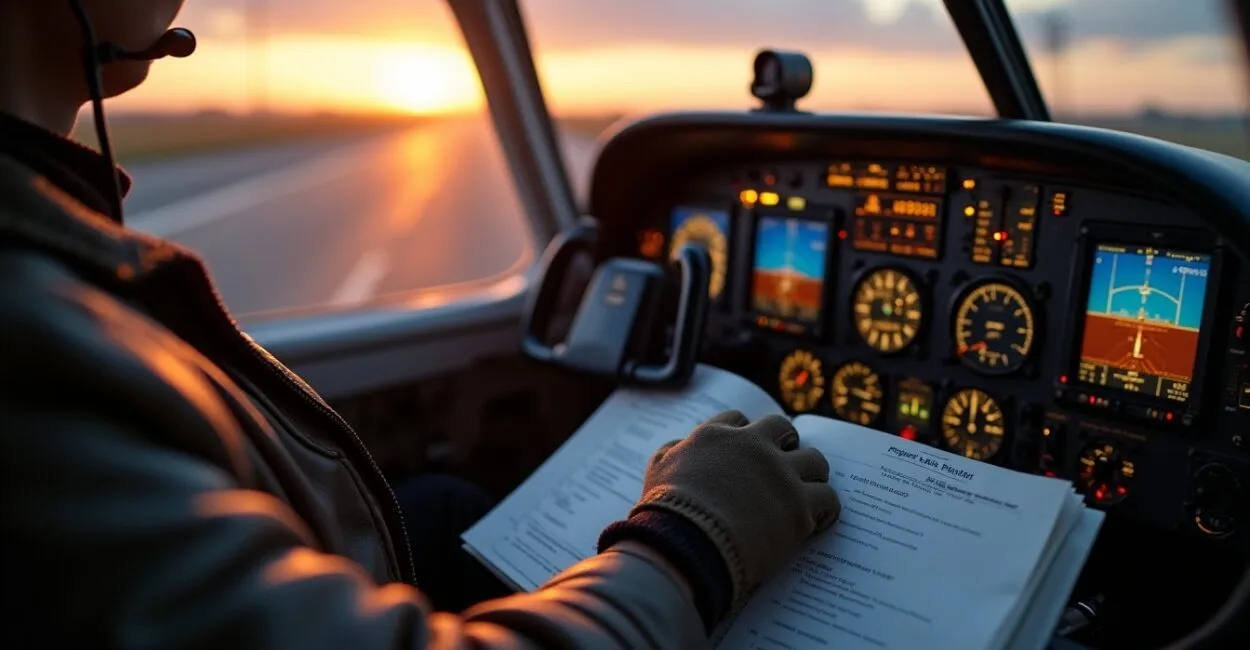
The role of a pilot combines technical skill, situational awareness, and regulatory knowledge—all essential for safe, efficient flight operations. Understanding what pilots do, why their skills matter, and how to begin training can help aspiring aviators plan a clear career path.
Pilot responsibilities range from preflight planning to in-flight decision-making and postflight reporting, covering safety, navigation, and communication. This article explores training paths, certifications, aircraft types, career progression, and best practices to help you navigate the world of aviation.

Pilot Basics and Core Definitions
General overview: This section explains foundational concepts about pilot roles, licenses, and categories that matter to prospective students and industry professionals alike. It introduces the terminology and key decisions you’ll encounter.
Fundamental Concepts of Being a Pilot
Becoming a pilot involves learning aerodynamics, aircraft systems, and air law while developing core skills such as situational awareness and crew resource management. Training combines classroom study with flight hours, simulations, and examiner assessments to verify proficiency and decision-making under pressure. Common milestones include earning a private pilot certificate, instrument rating, commercial license, and any required type or multi-engine ratings for specific roles. Each stage builds the skills needed for safe solo and crewed operations.
Licensing bodies such as the FAA, EASA, and national civil aviation authorities set standards for knowledge tests, minimum flight hours, and medical fitness, ensuring consistent expectations across regions and aircraft classes.
- Private Pilot Certificate (PPL) — basic piloting privileges
- Instrument Rating (IR) — flight in reduced visibility and IFR conditions
- Commercial Pilot License (CPL) — compensated flying and advanced skills
- Airline Transport Pilot (ATP) — the highest certification for airline captains
- Type Ratings — qualifications for specific jet or turbine aircraft
Types and Classifications of Pilots
Pilots are classified by their mission and credentials: recreational, private, commercial, airline transport, and specialized roles such as flight instructor or test pilot. Each classification comes with different privileges, regulatory limits, and typical operating environments. Aircraft categories (airplane, rotorcraft, glider, etc.) and class ratings (single-engine, multi-engine) further define what an individual pilot may legally operate. Specialized endorsements cover aircraft or operations such as tailwheel aircraft or high-performance airplanes.
Career choices—such as working as a regional airline first officer, corporate pilot, or aerial survey pilot—affect the depth of training required, expected flight hours, and employer certification requirements, shaping long-term professional development.
Regulatory Framework and Responsibilities
Pilots work within a strict regulatory framework that mandates medical standards, currency requirements, and operating procedures designed to minimize risk. Compliance with airspace classifications, ATC instructions, and aircraft maintenance directives is non-negotiable. Operational responsibilities include thorough preflight planning, weight-and-balance calculations, fuel management, and contingency planning for emergencies or unexpected weather. Human factors and fatigue management are also regulated to protect safety.
Ongoing training, recurrent checks, and documentation help pilots maintain proficiency. Airlines and operators use safety management systems (SMS) to track incidents, analyze trends, and reduce systemic risk.
Pilot Training and Certification Pathways
Initial Training Routes and Flight Schools
Aspiring pilots typically choose between ab initio flight schools, university aviation programs, or modular training. Ab initio programs combine ground school with flight hours on a structured timeline, while modular training lets students progress step by step and manage costs. Choosing an accredited school with a modern fleet, qualified instructors, and a strong safety record can affect training quality. When evaluating programs, consider average completion time, aircraft utilization rates, and job placement support.
Costs vary widely by region and training path, so it’s important to budget for ground instruction, aircraft rental, examiner fees, and medical exams. Many students use a combination of loans, scholarships, or airline cadet programs to finance training.
- Enroll in a certified flight school with a clear syllabus.
- Complete ground school modules covering aerodynamics and regulations.
- Log the required flight hours under instructor supervision.
- Pass written knowledge exams and practical flight tests.
- Obtain the appropriate medical certification and license endorsements.
Instrument, Commercial, and Advanced Ratings
After earning a basic license, pilots can expand their capabilities and job prospects with instrument and commercial ratings. An instrument rating (IR) allows flight in instrument meteorological conditions under IFR, while a commercial license permits compensated operations and requires a higher level of skill. Advanced ratings include multi-engine ratings, type ratings for specific jets, and instructor qualifications. These credentials often require additional flight hours, specialized training, and check rides to demonstrate mastery of complex systems and crew coordination.
Employers often look for a combination of experience: instrument proficiency, exposure to multi-crew environments, and a demonstrated commitment to safety—skills that can be developed through simulators and line-oriented flight training (LOFT).
Currency, Recurrent Training, and Proficiency
Staying current requires regular practice and formal recurrent training. Regulatory bodies mandate periodic checks, simulator sessions, and line checks to keep skills sharp and aligned with updated procedures and technology. Pilots must track recent experience, including takeoffs, landings, and instrument approaches where applicable. Many operators also require refresher training in CRM and threat-and-error management (TEM) to maintain crew effectiveness.
Digital logbooks, flight data monitoring, and training management systems help pilots and employers track readiness, anticipate retraining needs, and identify areas for improvement.
Pilot Roles and Operational Comparisons

Comparing Airline, Corporate, and Cargo Pilots
Airline pilots focus on scheduled passenger service, following strict standard operating procedures, coordinating with crew members, and meeting regulatory requirements. Their careers often progress from first officer to captain and then to management roles within an airline. Corporate pilots fly business jets on more variable schedules, interact more closely with clients, and handle a wider range of missions. They often need strong customer service skills and the flexibility to plan on-demand travel and logistics.
Cargo pilots focus on freight operations, which often involve night flying, handling heavy payloads, and tight schedules. They must adapt to different loading configurations and, in some cases, unique regulatory exemptions.
Performance Differences Across Aircraft Categories
Single-engine piston aircraft are well suited to training and short trips, with low operating costs and simple systems. Turboprops and light jets offer greater speed, payload capacity, and range, but come with added complexity and ownership costs. Multi-crew jet operations involve redundant systems, advanced avionics, and formal crew resource management. Transitioning to these aircraft typically requires type ratings and structured conversion courses to ensure pilots understand the systems.
Operational performance—including fuel burn, range, and climb rate—guides mission selection. Pilots assess aircraft capabilities against runway length, payload requirements, and environmental conditions before choosing the right aircraft.
Table: Comparison of Common Pilot Roles
| Role | Typical Hours to Entry | Primary Responsibilities |
|---|---|---|
| Regional Airline First Officer | 1,200–1,500 hrs | Passenger transport, SOP adherence, multi-crew ops |
| Corporate Pilot | 500–2,000 hrs | On-demand charters, client liaison, variable missions |
| Cargo Pilot | 1,000–2,000 hrs | Freight ops, night flying, load management |
| Flight Instructor | 250–1,000 hrs | Teaching, exam preparation, maintaining training records |
Pilot Procedures and Practical Flight Techniques
Preflight Planning and Decision-Making
Effective preflight planning covers route selection, fuel planning, weight and balance, weather briefings, NOTAMs, and alternate airports. These steps build in safety margins and reduce the risk of unexpected issues in flight. Decision-making frameworks such as PAVE (Pilot, Aircraft, enVironment, External pressures) help pilots assess whether to fly. Documented personal minimums help maintain conservative safety margins under pressure.
Read also: Salon Hairdresser: Definitions and Basic Concepts
Use tools such as electronic flight bags (EFBs), digital charts, and automated performance calculators to streamline planning and maintain situational awareness during preflight and taxi.
In-flight Procedures and Emergency Handling
Pilots use standardized checklists and callouts for normal and abnormal situations to maintain consistency and minimize errors. Managing automation—including knowing when to trust the autopilot and when to disconnect it—is a crucial skill for pilots at every level.
Read also: Social Worker: Definitions and Core Concepts
Emergency procedures require well-practiced memory items and prioritized actions: aviate, navigate, communicate. Regular simulator training for engine failures, electrical malfunctions, and severe weather improves real-world response. Effective crew resource management encourages clear communication and cross-checking among pilots and dispatchers when problems arise, improving teamwork under time pressure.
Approach, Landing, and Postflight Best Practices
Approach and landing are high-workload phases that demand precise energy management, a stabilized approach, and the correct flap and landing configurations. Following stabilized approach criteria can significantly reduce landing incidents. Postflight duties include securing the aircraft, logging discrepancies, and completing maintenance entries if needed. Clear handoffs and documentation ensure the next crew or maintenance team has accurate status information.
Regular debriefs highlight lessons learned and performance gaps, supporting continuous improvement and reinforcing a safety culture across crews and fleets.

Pilot Benefits, Career Prospects, and Industry Trends
Employment Outlook and Career Progression
A career as a pilot can lead from entry-level flight instruction to airline captain or specialized roles such as test or ferry pilot. Job prospects fluctuate with airline hiring cycles, economic conditions, and pilot retirements. According to Boeing, global fleet growth could create thousands of new pilot positions over the next decade, while regional differences affect salaries and opportunities. Networking, earning type ratings, and gaining multi-crew experience can accelerate career advancement.
Professional development—including advanced type ratings, leadership training, and additional certifications—can prepare pilots for management and training roles within companies and regulatory agencies.
Advantages and Benefits of Pilot Careers
Pilots enjoy professional autonomy, travel opportunities, and competitive compensation packages that may include per diem, health benefits, and retirement plans. Many find the work rewarding because it involves operating complex systems and solving dynamic problems. Flexible schedules and seniority-based bidding at airlines allow experienced pilots to shape their lifestyles, though early-career schedules often include nights and irregular duty hours. Long-term benefits can outweigh the initial lifestyle challenges.
Industry initiatives focused on sustainability and new aircraft technologies give pilots opportunities to work with cutting-edge systems and influence operational efficiency and environmental impact.
- Competitive salary growth with seniority and type ratings
- Opportunities for international travel and cultural exposure
- Clear career paths from flight instructor to airline captain
- Access to advanced simulators and ongoing professional training
- Potential for specialized roles (test, ferry, or demonstration pilot)
- Contributions to safety and transportation infrastructure
Table: Summary of Advantages and Disadvantages
| Aspect | Advantages |
|---|---|
| Compensation | Progressive pay scales and benefits |
| Work-life | Flexible schedules with seniority, early disruptions |
| Career Longevity | Opportunities for decades-long careers |
Pilot Risks, Limitations, and Regulatory Challenges
Operational Limitations and Common Hazards
Pilots must contend with weather, system malfunctions, and human factors such as fatigue and complacency. Understanding operational limits—including aircraft performance envelopes, VMC minimums, and weight restrictions—reduces risk exposure. Controlled flight into terrain (CFIT), runway excursions, and loss of control remain incident categories addressed through training and technology such as TAWS and improved runway safety procedures.
Ongoing monitoring, conservative decision-making, and adherence to SOPs help mitigate routine hazards. Reporting and learning from near misses improves safety margins across the system.
Regulatory and Medical Constraints
Pilots must meet ongoing medical certification requirements, which vary by country and license class. Medical disqualifications or health conditions can limit privileges or lead to grounding until resolved with aviation medical examiners. Regulatory changes involving fatigue risk management, duty-time limits, and licensing reforms affect pilot availability and employer scheduling. Keeping up with regulatory updates is part of the job.
Continuing education and compliance with drug and alcohol testing, airspace restrictions, and security protocols add administrative work but help protect public safety and trust.
List of Disadvantages and Limitations
- Irregular schedules and potentially long duty hours that disrupt personal life
- High upfront training costs, often exceeding tens of thousands of dollars
- Medical certification risks that can restrict or end a career
- Regulatory changes that affect hiring cycles and operating rules
- Exposure to severe weather and operational stress
Pilot Best Practices and Operational Tips
Maintaining Proficiency and Continuous Learning
Maintaining proficiency requires scheduled recurrent training, simulator practice, and real-world flying to reinforce CRM and emergency procedures. Setting personal minimums and debriefing after flights support continuous improvement.
Stay current with avionics updates, airspace changes, and procedural revisions through NOTAMs, manufacturer bulletins, and safety publications. Connect with professional communities and mentors to exchange operational knowledge.
Record lessons learned in a professional log and reflect on your decisions to identify biases and improve future choices. A disciplined approach to learning supports safety and career growth.
Safety Culture, Communication, and Crew Coordination
A strong safety culture depends on open communication, assertive questions, and structured briefings. Use standardized callouts and challenge-response patterns to reduce miscommunication during critical phases of flight.
Use threat-and-error management to anticipate hazards and assign roles during high-workload periods. Encourage non-punitive reporting so near misses are recorded and analyzed to improve the system.
Develop leadership and followership skills: captains must lead decisively while valuing input from first officers and dispatchers. Balanced cockpit dynamics improve problem-solving and recovery.
Practical Tips and Professional Recommendations
Prepare for each flight with conservative fuel planning and clearly defined alternates. Prioritize rest and nutrition to manage fatigue, and practice manual flying regularly to maintain stick-and-rudder skills despite relying on automation.
Network with industry professionals and find mentors who can share career strategies, type-rating options, and employer expectations. Financial planning helps manage training costs and transitions between roles.
Use checklists without skipping steps; small oversights can lead to bigger problems. Discipline and humility are essential to long-term success as a pilot.
- Practice manual flying at least monthly to maintain basic handling skills
- Set conservative personal minimums for weather and approach stability
- Log and review flights to identify recurring procedural gaps
- Invest in ongoing training and simulator time for emergency scenarios
- Maintain a professional network and seek mentors to support career growth
Conclusion
Becoming a successful pilot requires technical knowledge, disciplined training, and a strong commitment to safety. Whether you’re pursuing a private certificate or an airline career, understanding licensing paths, operating procedures, and best practices helps you make informed choices and move forward with confidence. Pilot roles offer rewarding travel, skill development, and clear career paths, balanced by responsibilities related to currency, medical fitness, and regulations. Start with structured training, maintain proficiency, and commit to continuous learning to succeed in aviation.
Frequently Asked Questions
What Is a Pilot?
A pilot is a trained professional who operates and navigates aircraft and is responsible for flight safety, mission planning, and compliance with aviation regulations. Pilots conduct preflight inspections, coordinate with air traffic control, manage aircraft systems during flight, and perform landings. They hold certifications such as private, commercial, or airline transport credentials issued by civil aviation authorities and must meet medical and currency requirements to remain legally qualified.
How Does Pilot Training Work?
Pilot training typically combines ground school with flight instruction, simulator sessions, and examiner assessments. Students learn aerodynamics, meteorology, navigation, and regulations, then log supervised flight hours to meet licensing minimums. Training progresses through private, instrument, and commercial ratings, followed by advanced type ratings as needed for career goals. Programs may be integrated or modular, and many pilots finance training with loans, cadet programs, or line training positions.
What Is the Difference Between a Private and Commercial Pilot?
A private pilot can fly for personal or recreational purposes but cannot be paid to transport passengers or cargo. A commercial pilot has met higher training standards, passed additional exams, and logged more flight hours, allowing them to fly professionally for hire. Commercial certification requires demonstrated competence in advanced maneuvers and systems management, and often instrument proficiency, opening the door to paid work in various aviation sectors.
When Should I Pursue Instrument and Type Ratings?
Pursue an instrument rating after your initial private certification if you plan to fly in low visibility or under IFR. It can significantly improve safety and expand your options. Type ratings are required when transitioning to complex turbine or jet aircraft and are typically earned before or during employment with operators that use those aircraft. Timing depends on your career goals: aspiring airline pilots should plan for type-rating costs as they move toward multi-crew or airline roles.
How Much Does Pilot Training Cost?
Training costs vary widely by country, aircraft type, and training path. Private pilot training in light aircraft can cost $8,000 to $15,000 USD for basic certification, while a full professional pathway to commercial and ATP levels often costs $60,000 to more than $150,000 USD. Expenses include instruction, aircraft rental, exams, medicals, and type-rating fees. Financing options and cadet programs can help offset upfront costs.
Sources: FAA, IATA, AOPA. According to Boeing, global forecasts point to significant demand for pilots over the next 20 years; see the Boeing Pilot Outlook for details.