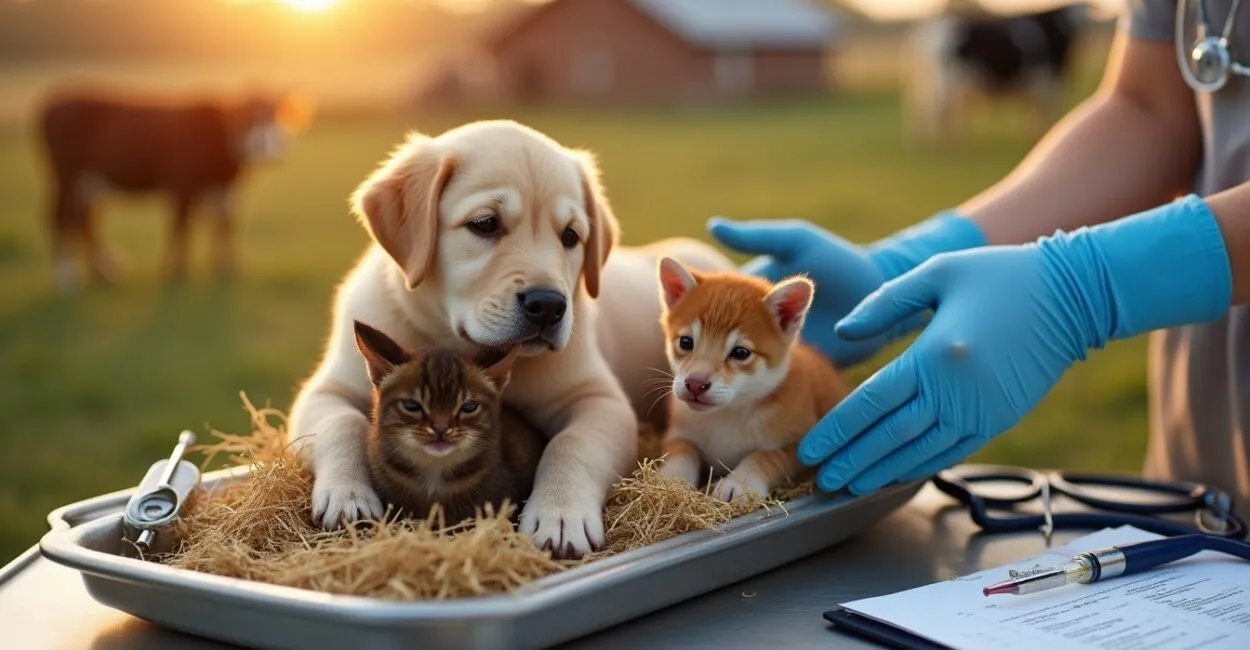
Veterinary care is central to animal health, public safety, and livestock productivity. It combines clinical practice, preventive medicine, and animal welfare science to protect both animals and people. This article explains what veterinarians do, why their role matters for pets and livestock, and how to make effective use of veterinary services.
Pet owners and farmers often face challenges such as disease prevention, accurate diagnosis, and managing costs. Understanding veterinary care can lead to better outcomes and fewer risks. Below, we explore core concepts, practical steps, diagnostic and treatment options, benefits, limitations, and best practices in veterinary medicine.

This guide covers clinical definitions, workflows, client communication, equipment choices, regulatory context, and measurable costs to help you make informed decisions about veterinary services and animal health strategies.
Veterinarian: Core Definitions and Basic Concepts
- Veterinary medicine: Clinical care, surgery, diagnostics, and preventive programs for animals.
- Companion animal vs. livestock practice: Differences in goals and economics.
- Public health intersection: Zoonotic diseases, food safety, and surveillance responsibilities.
- Licensure and accreditation: Regulatory standards and continuing education requirements.
- Specializations: Surgery, dermatology, internal medicine, and emergency care.
Role and Responsibilities in Clinical Practice
Veterinarians diagnose and treat diseases across species, using clinical reasoning to interpret signs, lab results, and imaging. They perform surgeries, prescribe medications, and develop preventive protocols such as vaccination and parasite control. Communication with owners is essential for implementing treatment plans and ensuring follow-through for the best possible outcomes.
They must balance animal welfare with client expectations and financial constraints while meeting legal obligations and record-keeping standards. This multidisciplinary role combines medicine, ethics, and client education.
Veterinarians also work with technicians and specialists to manage complex cases and provide continuity of care in outpatient, inpatient, and emergency settings.
Education, Licensure, and Specializations
Becoming a veterinarian requires a veterinary degree (DVM/VMD), clinical rotations, and licensing exams. Postgraduate residencies, board certification, and continuing education support specialization in areas such as surgery, cardiology, and oncology. These credentials influence the services a veterinarian can provide and patient outcomes.
Continuing professional development helps veterinarians stay current with advances in diagnostics, treatment, and regulations. Accreditation bodies set competency standards for educational programs and clinical practice.
Specialized training improves success rates for complex procedures and supports evidence-based medicine across species and practice types.
Common Terms and Diagnostic Tools
Common diagnostic tools include radiography, ultrasound, blood panels, cytology, PCR tests, and cultures. Understanding these methods can help owners see why certain tests are recommended. Diagnostics support accurate treatment, prognosis, and monitoring of disease progression.
Routine screening tests guide preventive care and detect subclinical conditions early, reducing long-term costs and illness. Electronic medical records efficiently organize findings, treatments, and follow-up plans.
Understanding terms such as sensitivity, specificity, and predictive value helps owners interpret test results and set realistic expectations about accuracy and timing.
Veterinary Workflows and Practical Step-by-Step Care
- Schedule: Book an appointment or contact your clinic for emergency triage.
- Assess: Provide a thorough history and allow a physical examination.
- Test: Order appropriate diagnostics, such as bloodwork, imaging, or cultures.
- Treat: Begin medical, surgical, or preventive care.
- Follow up: Schedule rechecks, monitor the response, and adjust treatment.
Initial Triage and Emergency Protocols
Emergency triage prioritizes life-threatening conditions through a rapid assessment of the airway, breathing, circulation, and neurological status. Point-of-care blood tests and imaging can inform immediate treatment decisions. Clinics use standardized triage scores to allocate resources and stabilize patients quickly.
Timely treatment often determines the prognosis in cases of trauma, toxin exposure, or acute organ failure. Veterinarians coordinate with emergency teams to provide surgery, transfusions, or intensive monitoring as needed.
Once the patient is stable, clinics plan definitive diagnostics and discuss expected costs and outcomes with the owner to support informed consent and set realistic expectations.
Preventive Care for Pets and Livestock
Preventive veterinary care includes scheduled vaccinations, parasite control, nutrition counseling, dental care, and herd biosecurity measures. Individualized plans take into account age, species, environment, and risk exposure. Preventive strategies reduce disease and long-term treatment costs while improving animal welfare.
For livestock, herd health plans focus on production metrics, vaccination schedules, and surveillance to prevent outbreaks and protect food safety. For pets, annual wellness exams can detect disease early and support a longer, healthier life.
These plans depend on owner compliance, good recordkeeping, and periodic reviews to adapt recommendations as circumstances change.
Client Communication and Informed Consent
Effective communication helps owners understand diagnoses, treatment options, associated risks, and estimated costs. Informed consent clarifies expectations, alternatives, and likely outcomes, protecting both animal welfare and the clinic. Clear written care plans improve follow-through and satisfaction.
Veterinarians should use plain language, visual aids, and follow-up channels to reinforce instructions. Shared decision-making takes into account the owner’s values, financial constraints, and the animal’s quality of life.
Documenting conversations and consent supports continuity of care and ethical clinical decisions in complex cases and end-of-life situations.

Veterinary Equipment and Comparison of Diagnostic and Treatment Options

| Method | Typical use | Strengths |
|---|---|---|
| Radiography | Bone injuries, chest and abdominal screening | Fast, widely available, and useful for assessing structures |
| Ultrasound | Soft tissue, pregnancy, and cardiac evaluation | Real-time imaging, safe for repeated use |
| PCR testing | Pathogen detection (viral or bacterial DNA/RNA) | High sensitivity and specificity for infectious agents |
| Cytology/biopsy | Mass evaluation and tumor diagnosis | Definitive histopathology when needed |
Laboratory Diagnostics and Interpretation
Blood chemistry, hematology, and urinalysis provide objective measures of organ function, hydration, and systemic disease. Changes over time are often more informative than a single result. Reference ranges vary by species, age, and lab methods, so context is essential for an accurate diagnosis.
Combining lab data with clinical signs and imaging reduces the risk of misdiagnosis and helps target treatment. Many clinics now use in-house analyzers for faster results, speeding decisions in acute cases.
When results are unclear, reference labs or specialist interpretation can help refine the differential diagnosis and treatment plan.
Imaging Technologies and When to Use Each
X-rays are often the first choice for skeletal injuries and general chest or abdominal assessment. Ultrasound is especially useful for soft tissue and cardiac evaluation, while CT and MRI—available at specialty centers—provide detailed cross-sectional images for complex neurological or cancer cases. Choose the imaging method based on the diagnostic goal, cost, and availability.
Advanced imaging can change surgical plans and prognosis, but its added cost and anesthesia requirements should be weighed against the expected benefits. Teleradiology services can help interpret images when specialists are not available locally.
Combining methods, such as ultrasound and cytology, can improve diagnostic accuracy and help tailor minimally invasive approaches.
Surgical and Medical Treatment Options Compared
Surgery may be appropriate for trauma, mass removal, or certain congenital conditions, and can provide a definitive solution in many cases. Medical treatment—including antimicrobials, pain relievers, and immunomodulators—can manage infections, chronic diseases, and symptoms. The right choice depends on the diagnosis, the animal’s health, and the owner’s goals.
Minimally invasive techniques such as laparoscopy and arthroscopy can shorten recovery but require specialized equipment and training. Multimodal pain management and perioperative care improve outcomes and can reduce hospital stays.
When choosing between surgical and medical treatment, discuss likely success rates, recovery timelines, and costs to align decisions with animal welfare and budget constraints.
Read also: Farmer Basics and Core Concepts
Benefits of Veterinary Care for Animals and People
- Longer lives and better quality of life for animals through preventive care and timely treatment.
- Lower zoonotic disease risk through control of rabies, salmonella, and other transmissible diseases.
- Greater production efficiency: Good herd health boosts yields and reduces losses.
- Early detection: Screening programs identify disease before clinical decline.
- Behavior and welfare improvements: Interventions support better handling and well-being.
- Public health benefits: Surveillance and reporting help prevent outbreaks.
Health and Welfare Outcomes
Regular veterinary care can measurably improve survival, reduce disease, and support animal welfare. Preventive measures such as vaccination and parasite control lower illness rates and disease transmission in populations. For individual animals, diagnostics and tailored treatment can restore function and comfort.
Quality-of-life assessments help guide decisions about chronic disease management and end-of-life care. Veterinary input is essential when balancing longevity with welfare priorities in pets and livestock.
Read also: Salon Hairdresser: Definitions and Basic Concepts
Client education and adherence to recommended care schedules help reinforce these outcomes.
Public Health and Zoonotic Disease Control
Veterinarians play a central role in identifying and reducing zoonotic threats through surveillance, vaccination programs, and outbreak response. According to the World Health Organization, zoonoses account for more than 60% of emerging infectious diseases worldwide, underscoring the need for veterinary involvement in One Health initiatives (WHO).
Veterinary oversight of food animals reduces contamination risks and protects supply chains. Timely reporting and diagnostics support targeted public health action.
Collaboration with human health authorities strengthens surveillance systems and emergency preparedness for pathogens that spread between species.
Economic and Productivity Advantages
Effective veterinary programs boost livestock productivity, reduce mortality, and lower long-term treatment costs by preventing outbreaks. For pets, preventive care often costs much less than treating advanced disease. For example, routine vaccinations and parasite control typically cost a fraction of emergency surgery.
According to the American Veterinary Medical Association, preventive care can reduce long-term treatment expenses by up to 40% in some situations (AVMA).
Investing in herd health plans can deliver measurable returns through improved growth rates, reproductive performance, and product quality.

Limitations and Common Drawbacks of Veterinary Care
- Cost barriers: High fees for diagnostics, surgery, and specialist care can limit access for some owners.
- Diagnostic uncertainty: Some conditions require advanced tests that may not provide definitive answers.
- Resource constraints: Rural areas may have limited access to specialists or advanced imaging.
Financial and Access Constraints
Veterinary care costs vary widely. Emergency surgery or advanced imaging can cost thousands of dollars, creating barriers to access. Pet insurance remains uncommon in some countries, covering only about 2–3% of owners and making care decisions difficult. Financial planning, payment options, and transparent cost estimates can improve access and support informed consent.
Community clinics and subsidized programs can help address access gaps for underserved populations.
Discussing phased care plans and alternatives can help balance clinical needs with an owner’s resources.
Diagnostic and Treatment Uncertainties
Initial tests do not always provide clear answers. False negatives or inconclusive results may require repeat testing or referral, adding costs and potentially delaying definitive treatment. Ongoing monitoring and reassessment are often needed to refine diagnoses and treatment strategies.
Complex or rare diseases may require specialist input and advanced imaging available only at referral centers.
Clear communication with clients about probabilities and next steps can reduce frustration and support shared decision-making.
Regulatory, Ethical, and Welfare Dilemmas
Veterinarians must navigate legal requirements for reporting certain diseases, making euthanasia decisions, and prescribing controlled medications. Ethical dilemmas can arise when an owner’s wishes conflict with animal welfare or when costs limit recommended care. Addressing these situations requires professional judgment, documentation, and sometimes guidance from ethics committees.
Regulatory compliance also affects how services are delivered and access to medications or specialized treatments.
Transparent policies and adherence to professional standards protect animals and practitioners in difficult situations.
Veterinary Best Practices, Tips, and Implementation Strategies
- Set a regular wellness schedule for vaccinations, dental care, and screening.
- Keep accurate records and set reminders for follow-ups and preventive care.
- Discuss cost-effective diagnostics and phased treatment plans when needed.
- Use telemedicine for triage and follow-ups when appropriate.
- Train staff in client communication and emergency response.
- Coordinate with local public health and animal health authorities on surveillance.
Implementing Preventive Care Programs
Design preventive programs around species, age, and environment, including vaccination schedules, parasite control, nutrition, and dental care. Use reminders and client education materials to improve adherence. Track outcomes using basic metrics such as vaccination coverage and the incidence of preventable conditions to assess program impact.
For herds, implement biosecurity protocols, keep records, and conduct routine testing tied to production benchmarks. Measure success by reduced illness and improved yields.
Review programs regularly to adapt them to changing risks, seasons, and new evidence.
Leveraging Technology and Telemedicine
Telemedicine supports triage, follow-up consultations, and client education, especially for clients in remote areas. Digital records, appointment reminders, and remote monitoring devices improve compliance and help detect problems early. Use secure platforms to protect confidentiality and data integrity.
Remote consultations can reduce unnecessary clinic visits, saving time and lowering costs for routine follow-ups. They work best alongside scheduled in-clinic visits for physical exams and diagnostics.
Adopt technology gradually, training staff and establishing clear protocols for cases that require in-person care.
Staff Training, Quality Control, and Continuous Improvement
Invest in technician training, standardized protocols, and regular audits to ensure consistent quality of care. Conduct morbidity and mortality reviews, track key performance indicators, and encourage professional development. A culture of continuous improvement reduces errors and builds client trust.
Quality control also covers hygiene, anesthesia monitoring, and medication administration standards. Regular equipment maintenance and calibration help preserve diagnostic accuracy and safety.
Encourage staff feedback and case discussions to share lessons learned and improve clinical outcomes.
Conclusion
Veterinary services are essential for animal health, public safety, and productive agriculture. They combine diagnostics, preventive programs, surgery, and client education to deliver measurable results. Understanding workflows, costs, benefits, and limitations helps owners and managers make informed decisions about care and investment.
Whether you need routine wellness care, emergency treatment, or herd health support, working with a licensed veterinarian can improve animal welfare and reduce long-term risks. Evaluate your options, plan preventive strategies, and communicate openly with your veterinary team for the best results.
Take action: schedule a wellness check, review your herd health plan, or consult a specialist about persistent concerns to protect animal and public health.
Frequently Asked Questions
What Is a Veterinarian?
A veterinarian is a licensed professional who provides medical care for animals, including diagnosis, treatment, surgery, and preventive services. Veterinarians work in companion animal clinics, livestock operations, research institutions, and public health agencies. Through clinical practice, surveillance, and education for owners and stakeholders, they promote animal welfare, prevent zoonotic disease transmission, and contribute to food safety and population health.
How Does the Veterinary Diagnostic Process Work?
Diagnosis combines medical history, physical examination, lab tests, and imaging to identify disease. Veterinarians select tests based on possible diagnoses, using bloodwork, X-rays, ultrasound, cytology, or PCR as appropriate. Results guide treatment, and follow-up tests help track the response. Complex cases may require referral to specialists for advanced imaging or biopsy, along with repeat evaluations to refine the diagnosis and prognosis.
What Is the Difference Between Routine and Emergency Veterinary Care?
Routine care focuses on prevention—including vaccinations, screening, nutrition, and dental care—to maintain health and detect problems early. Emergency care addresses life-threatening conditions such as trauma, toxin exposure, or acute organ failure, requiring immediate stabilization and often advanced diagnostics. Facilities may differ in staffing, equipment, and cost; emergency visits typically involve greater urgency, more resources, and higher expenses.
When Should I Consult a Veterinarian About My Livestock?
Consult a veterinarian when developing a herd health plan, seeing unusual illness or mortality, noticing declining production, or before bringing in new animals. Regular veterinary guidance is recommended for vaccination schedules, reproductive management, and biosecurity planning. Early involvement helps prevent outbreaks and supports regulatory compliance, protecting productivity and market access for your operation.
How Much Does a Basic Veterinary Visit Typically Cost?
Costs vary by region and service. A routine wellness visit with vaccinations may cost $40–$150, while tests such as blood panels or X-rays may add $100–$500. Emergency surgery or advanced imaging can cost more than $2,000. Industry surveys suggest preventive care programs can reduce long-term costs by up to 40% compared with treating advanced disease. Ask your clinic for estimates to plan affordable care.