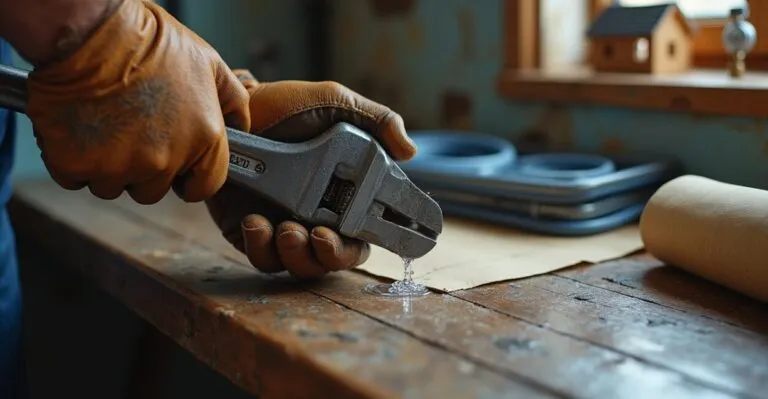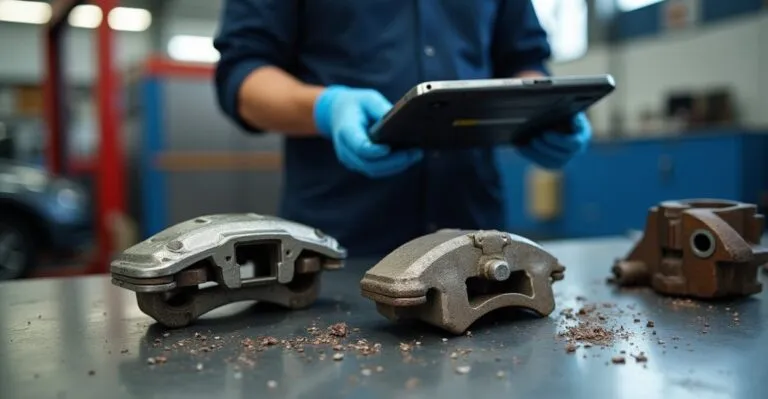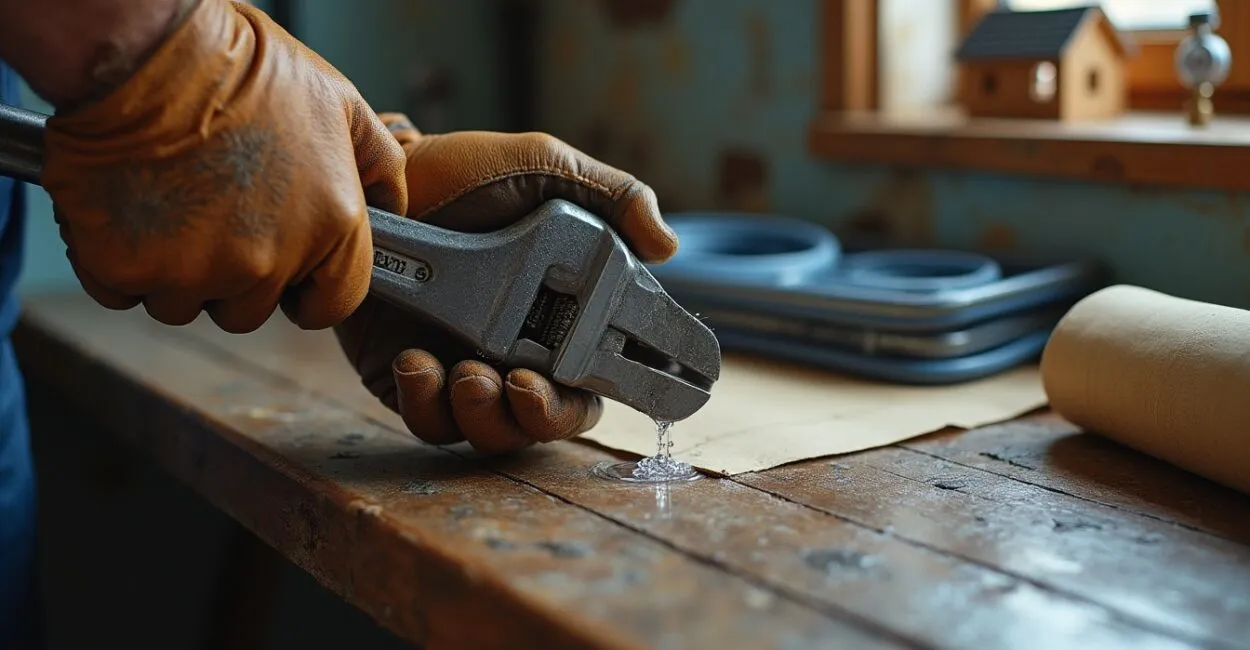
Plumbing services are essential to keeping water and waste systems safe and functional in homes and businesses. Understanding what plumbers do, why their work matters, and how to hire one effectively can help prevent costly damage and ensure reliable performance. Plumbers install, repair, and maintain the pipes, fixtures, and appliances that deliver water and remove waste, handling everything from leak repairs to system upgrades.
Leaks, clogs, and aging systems can lead to water damage, mold, and high utility bills. Spotting problems early can save thousands of dollars. This article covers practical techniques, trade skills, cost benchmarks, and decision-making tips to help homeowners, property managers, and DIYers work confidently with plumbing professionals.

Plumbing Basics and Core Concepts for Plumbers
Foundational Definitions and Industry Roles
Plumbing covers the installation, maintenance, and repair of piping systems that carry drinking water, wastewater, and gas. Professionals include journeyman plumbers, master plumbers, and service technicians. Licensing and certification requirements vary by state and locality. Licensing helps ensure that residential and commercial work meets safety standards and building codes.
Common tasks include joining pipes, diagnosing leaks, installing fixtures, and preventing backflow. Plumbers often read blueprints, interpret building codes, and coordinate with electricians and HVAC technicians on integrated systems.
Plumbing technicians need to understand materials such as copper, PEX, and PVC, as well as tools like pipe threaders, drain augers, and inspection cameras. Knowledge of both materials and regulations is essential to delivering quality plumbing services in modern construction and maintenance.
- Installing water supply and drainage systems
- Repairing and replacing fixtures, including toilets, faucets, and showers
- Finding leaks and mitigating water damage
- Diagnosing sewer lines and septic systems
- Installing and maintaining water heaters
Common Plumbing Systems and Components
Residential plumbing systems include cold and hot water supply lines, drain-waste-vent systems, gas lines, and appliances such as water heaters and water softeners. Each component has its own common failure points: metal pipes can corrode, drain lines can clog, and sediment can build up in water heaters. Understanding these issues helps plumbers plan preventive maintenance and make targeted repairs.
Modern homes increasingly use PEX tubing because it is flexible and corrosion-resistant, while older buildings may still have galvanized steel or cast-iron pipes. Choosing the right materials and transition fittings is essential when upgrading a system to avoid galvanic corrosion and code violations.
Auxiliary systems such as sump pumps, backflow preventers, and water filtration add resilience, but they must be properly sized and installed to work correctly. Plumbers assess flow rates, static pressure, and fixture units to ensure the system is balanced.
Regulations, Codes, and Safety Standards
Plumbing work must comply with local plumbing codes, the International Plumbing Code (IPC), and health department regulations. Major changes often require permits. Licensed plumbers stay current with code updates to pass inspections and protect occupants. Noncompliant work can lead to fines or denied insurance claims related to water damage.
Safety practices include proper gas line handling, pressure testing, and compliance with backflow prevention requirements. Personal protective equipment and confined-space procedures help protect technicians working on sewers and tanks.
Insurance coverage and warranties vary by contractor. Before hiring a plumber, verify their license number, proof of insurance, and warranty terms to limit your liability and ensure the work is covered.
A Step-by-Step Practical Guide to Plumbing
Initial Assessment and Diagnosis
Start with a systematic inspection. Check visible fixtures and shutoff valves, and watch the water meter for signs of leaks or unusual flow. Try simple tests: run fixtures, look for pressure drops, and listen for the sound of water running when everything is turned off. Plumbers often use dye tests to check toilets and thermal cameras to locate hidden leaks.
For clogs, determine whether the problem is limited to one fixture or affects multiple fixtures. Widespread issues may point to a problem with the main drain or sewer line, which may require a camera inspection. An accurate diagnosis helps avoid unnecessary replacements and ensures repairs address the source of the problem.
Record your findings with photos and notes for the homeowner’s records and permit applications. Clearly explaining the scope of work and available options builds trust and helps clients decide between a repair, partial replacement, or full system upgrade.
Common Repairs and Replacements
Before making a repair, shut off the correct valve to isolate the affected section and drain the line to minimize water damage. Use the right joining method for each material: solder copper, crimp PEX, and solvent-weld PVC. Make sure every connection is watertight. Replacing worn seals, cartridges, and faucet washers can restore function at a relatively low cost.
For larger jobs, such as replacing a water heater, follow the manufacturer’s specifications for venting and T&P valve installation, and install seismic straps where required. After assembly, a plumber pressure-tests the system to confirm it is sound before restoring service.
Testing the system and documenting the work, including warranty details and maintenance advice, helps clients extend the system’s life and avoid repeat service calls.
Final Checks, Inspection, and Client Handoff
After completing repairs, a plumber cleans the work area, replaces access panels, and walks the client through the results, demonstrating how everything works and explaining preventive steps. Provide service records, equipment serial numbers, and recommended inspection intervals—typically annual checks for water heaters and sewer camera inspections every 3–5 years, depending on usage.
For permitted work, coordinate required inspections with local authorities. Passing inspection confirms code compliance. Check that all fixtures work and that there are no lingering odors or drips.
Recommend maintenance plans or practical steps to prevent future problems, such as installing sediment filters or scheduling routine drain cleaning. Preventive measures can reduce emergency calls over time.
- Inspect the problem area and shut off water to the affected system.
- Identify the root cause with tests or a camera inspection.
- Choose a repair method and materials that comply with code.
- Complete the repair, pressure-test the system, and confirm there are no leaks.
- Document the work, explain maintenance needs, and schedule a follow-up if needed.
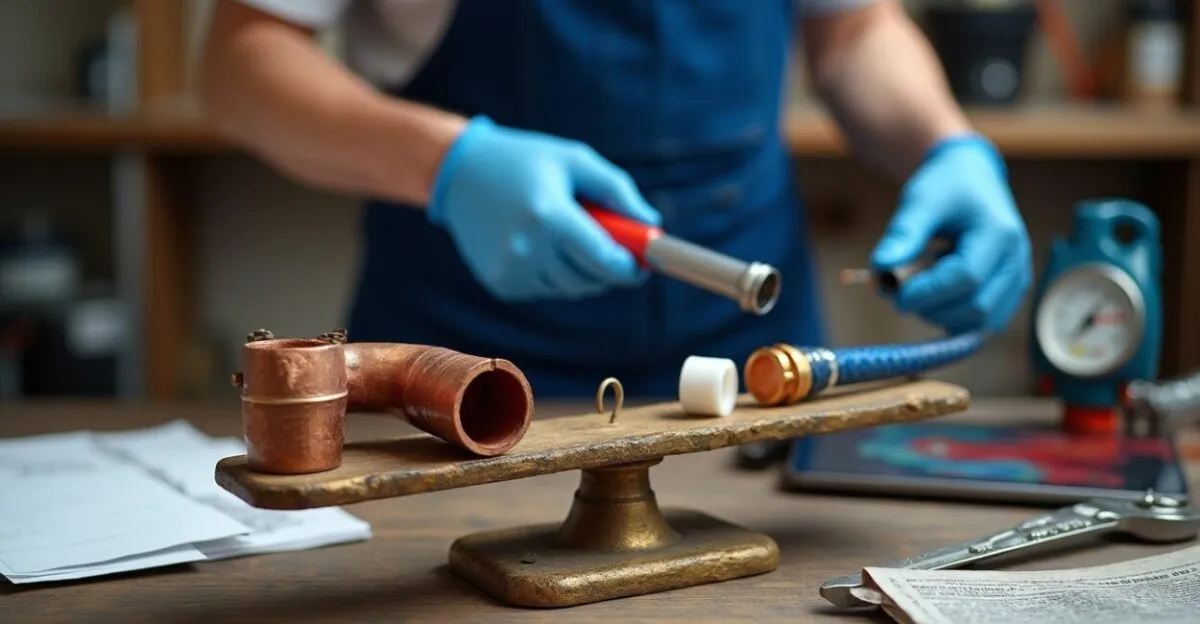
Comparing Plumbing Methods and Material Choices

Comparing Pipe Materials and Lifespans
Copper, PEX, and PVC are among the most common plumbing materials, each with distinct advantages. Copper is durable and heat-resistant, PEX is flexible and less labor-intensive to install, and PVC is an affordable choice for drainage. Typical lifespan estimates are more than 50 years for copper, 25–40 years for PEX, and 30–50 years for PVC, depending on use and conditions.
Hard water, temperature fluctuations, and chemical exposure can affect how long materials last. Choose materials suited to the local water chemistry and building type. Proper installation, including the right supports and room for expansion, can extend the service life of any material.
Budget, accessibility, and retrofit constraints all affect material selection. A plumber weighs these factors and recommends the option that best balances upfront cost and long-term performance.
Tools and Diagnostic Technology
Plumbers use inspection cameras, electronic leak detectors, and hydrostatic pressure testers to diagnose problems with minimal disruption. Pipe locators and thermal imaging help find hidden leaks, while digital pressure gauges measure system performance. These tools reduce the need for exploratory demolition and speed up repairs.
Using advanced diagnostic tools may increase the initial inspection fee, but it can lower the overall cost by preventing unnecessary replacements. For example, a camera inspection costing $150–$400 can save thousands by pinpointing the damaged section of pipe.
Sensor-based monitoring in commercial properties can provide early alerts about slow leaks or pressure changes, improving response times and reducing water loss.
Comparison of Common Repair Options
| Method | Typical Use | Pros and Cons |
|---|---|---|
| Patching | Small leaks or fixtures | Fast and inexpensive; not a permanent fix for widespread corrosion |
| Spot pipe replacement | Localized corrosion or damage | Targeted and less invasive; connections must be compatible |
| Full repipe | Widespread failure or old galvanized systems | Long-term solution; higher upfront cost |
| Trenchless sewer repair | Sewer line breaks or root intrusion | Minimal disruption to landscaping; costs vary |
Benefits of Hiring a Plumber
Key Advantages for Homeowners and Businesses
Hiring a licensed plumber saves time and reduces risk by ensuring repairs comply with code and protect the property’s structure and occupants’ health. Professionals are trained to handle gas and water safely, reducing the hazards of unqualified work. Quality workmanship often comes with a warranty, offering financial protection against early failures.
Plumbers can also recommend efficiency upgrades, such as low-flow fixtures or tankless water heaters, to lower utility bills and improve comfort. These improvements can pay for themselves over time through reduced water and heating costs.
Bringing in a plumber early during a renovation or as soon as a problem appears can prevent it from escalating into major water damage that may cost tens of thousands of dollars to repair.
- Ensures safe installations that comply with code
- Reduces long-term repair and replacement costs
- Improves water efficiency and lowers utility bills
- Provides warranties and documented service records
- Minimizes downtime for businesses
Measurable Benefits and Industry Statistics
The U.S. Bureau of Labor Statistics projects that employment of plumbers will grow 5% from 2022 to 2032, indicating steady demand for skilled tradespeople (BLS). HomeAdvisor reports that plumbers typically charge $45 to $200 per hour, depending on the region and job complexity, providing homeowners with a useful budgeting benchmark (HomeAdvisor).
Read also: Basic Electrician Concepts and Definitions
Preventive maintenance can produce measurable savings. Studies show that fixing small leaks can reduce household water use by up to 10–15%, lowering costs and conserving resources. Early repairs also reduce the risk of major failures that can lead to mold and structural damage.
These figures support investing in regular inspections and professional maintenance plans for commercial and residential properties to control long-term costs.
Long-Term Return on Investment
Upgrades such as tankless water heaters and high-efficiency fixtures often pay for themselves in 3–7 years through lower energy and water bills, depending on usage. A plumber can assess usage, fixture count, and local utility rates to estimate ROI and recommend cost-effective improvements.
Recent, documented plumbing upgrades and modernized systems can increase a property’s resale value. Buyers and inspectors pay attention to repiping, water heaters, and sewer condition reports, which can help a property sell faster and attract stronger offers.
Maintenance agreements with reputable plumbing companies may reduce emergency service calls by an estimated 30–40%, offering predictable annual costs and a lower total cost of ownership for building owners.
Plumbing Trade-Offs, Limitations, and Risks
Common Limitations and When DIY Is Inappropriate
Not every plumbing job is safe for DIYers. Gas lines, water heater venting, sewer work, and major repiping require licensed professionals. Attempting these jobs without the right expertise can cause injuries, code violations, and insurance coverage issues. Complex diagnostics often require specialized tools and training to avoid misdiagnoses and repeat repairs.
Even minor repairs can uncover bigger problems, such as hidden corrosion or poor venting, that unexpectedly expand the scope of work. Homeowners should be prepared for changes to the scope and ask their plumber for transparent cost estimates.
Licensing and permit requirements vary by jurisdiction. Failing to get permits for major work can create legal issues and complicate a future home sale—problems a professional plumber can help you avoid.
- Permits and inspections are required in many jurisdictions
- Inspections may reveal unexpected additional work
- Some specialized diagnostic services can be costly
- DIY mistakes may void insurance coverage
Costs, Timelines, and Disruption
Plumbing projects can range from $150 service calls to more than $10,000 for a full repipe. According to Angi, small repairs typically cost $150–$500, while larger replacements cost considerably more (Angi). Timelines vary: replacing a faucet may take less than an hour, while repiping an entire home can take several days and require temporary water shutoffs.
Expect some disruption. Access panels, minor demolition, and drying time after a leak repair are common. Professional crews plan their work to minimize inconvenience, but allow extra time for unexpected conditions.
Written estimates that itemize labor and materials help set expectations and prevent disputes about changes to the scope or schedule.
Reducing Risk and Understanding Warranties
Choose contractors who provide written warranties and proof of insurance to reduce the risk of poor workmanship or accidental damage. Ask about manufacturer warranties for items such as pumps and water heaters, which may require installation by a certified professional to remain valid. Your plumber should document all installed equipment and explain any maintenance needed to preserve the warranties.
For larger projects, consider performance bonds or milestone-based payments to distribute risk. Keep permits and inspection approvals with the project closeout documents.
Following a maintenance schedule, such as flushing the water heater annually, can help prevent warranty disputes and extend the system’s life. Your plumber can include these tasks in a service agreement.
Plumbing Technical Specifications and Performance
Key Performance Criteria for Plumbing Systems
Assess plumbing systems by flow rate (gallons per minute), pressure stability (psi), water-heating energy efficiency, and backflow protection. Properly sized pipes maintain pressure across fixtures, while adequate venting keeps sewer gases out of the building. During system commissioning, a professional plumber measures these factors to confirm performance meets design expectations.
Performance affects both occupant comfort and system lifespan. For example, low flow caused by undersized pipes can wear out pumps and lead to more service complaints. Accurate calculations of fixture units and simultaneous demand are essential for a reliable design.
Monitoring and diagnostic tools help track performance over time. Data-driven maintenance reduces emergency failures and helps building managers estimate lifecycle costs more accurately.
Technical Comparison: Advantages and Disadvantages
| Characteristic | Benefit | Limitation |
|---|---|---|
| PEX tubing | Flexible and quick to install | Sensitive to UV light and must be protected |
| Copper piping | Durable and heat-resistant | More expensive and labor-intensive |
| PVC/ABS drainage | Cost-effective and chemical-resistant | Not suitable for hot water supply |
Lifecycle Costs and Maintenance Schedules
Plan for plumbing maintenance as a predictable expense. Examples include flushing the water heater annually, checking the sump pump twice a year, and scheduling sewer camera inspections every 3–5 years. These routines help prevent emergency repairs and can extend equipment life by 20–50%, depending on usage and conditions. A plumber can create a maintenance schedule suited to the system and how the building is used.
Lifecycle cost analysis compares the upfront cost of replacement with expected maintenance and energy costs. For example, a high-efficiency water heater may cost 20–40% more initially but reduce annual energy costs by 10–30%, depending on the region and fuel type.
Maintenance records can also support insurance claims and help protect resale value by demonstrating responsible ownership and work completed to professional standards.
Plumbing Best Practices, Tips, and Recommendations
Choosing and Vetting a Plumbing Contractor
Before hiring, check the contractor’s license, insurance, and trade references. Request a written estimate that itemizes labor and materials, and ask for a project timeline. Check customer reviews and, when possible, look at examples of previous work. A reputable plumber will communicate clearly, provide transparent pricing, and offer a written warranty.
For major projects, get multiple bids and compare the scope and methods, not just the price. Ask whether subcontractors will be involved, which material brands will be used, and whether the estimate includes a contingency for unexpected issues.
Keep the plumber’s contact information and your service records on hand to make future maintenance and emergency calls easier. A long-term relationship with a trusted plumber may lead to priority scheduling and negotiated rates.
Practical Home Maintenance Tips
Simple habits can help prevent plumbing problems: don’t flush wipes, use hair catchers in shower drains, and watch for unexplained increases in your water bill that could indicate a hidden leak. Flush water heaters annually to remove sediment, and test pressure relief valves to ensure they work safely. These steps improve reliability and reduce the need for costly repairs.
Know how to shut off the water in an emergency. Find the main shutoff valve and learn where the shutoff valves for individual appliances are. Acting quickly when a leak occurs can prevent major water damage. Consider installing leak detection sensors near appliances and under sinks for early warnings.
Schedule professional inspections every 1–3 years, depending on the age of your system. Proactive checks can catch problems before they become disruptive and expensive.
Top Tips and Practices for Professionals
Document work with photos and detailed notes for permits and client records. Keep up with code changes through continuing education and manufacturer training. Invest in diagnostic tools, such as inspection cameras and leak detectors, to provide precise solutions that limit invasive work and improve customer satisfaction.
Offer maintenance plans and digital reminders to build recurring revenue and reduce emergency calls. Set realistic timelines and discuss contingency plans upfront to manage customer expectations on complex jobs.
Streamline workflows and keep common replacement parts in stock to minimize delays. Professionalism, punctuality, and clear invoices set reliable plumbing services apart in a competitive market.
- Verify licenses, insurance, and warranties
- Provide clear written estimates and scope documents
- Schedule preventive inspections and maintenance
- Install simple leak detectors and inform occupants how to use them
- Build a relationship with a trusted plumber for emergencies and upgrades
Conclusion: Hiring a qualified plumber protects property value and occupant health by ensuring water and waste systems are handled with technical skill and in compliance with code. Whether you need an emergency repair, an efficiency upgrade, or a full repipe, understanding materials, costs, and maintenance can help you choose the right solution. Use this guide to compare options, request informed estimates, and prioritize preventive care. Contact a licensed plumber for an assessment and to schedule inspections that extend your system’s life and reduce long-term costs.
Frequently Asked Questions
What Is a Plumber?
A plumber is a trained, often licensed professional who installs, repairs, and maintains systems that supply drinking water, remove wastewater, and carry gas in buildings. The work ranges from fixing leaky faucets and unclogging drains to installing water heaters and diagnosing sewer lines. Plumbers ensure systems meet safety codes and work efficiently, helping protect people’s health and property.
How Does Leak Detection and Repair Usually Work?
Leak detection starts with a visual inspection and pressure tests, followed by targeted diagnostics such as acoustic leak detectors, thermal imaging, or camera inspections of concealed lines. Once the leak is located, the plumber isolates the section, drains the line, and makes the repair—by patching, splicing, or replacing the pipe with suitable materials. A final pressure test confirms the repair and helps prevent future problems.
What Is the Difference Between a Spot Repair and a Full Repipe?
A spot repair fixes a localized problem, such as a corroded pipe section or leaking joint. A full repipe replaces all the water supply lines in a building. Spot repairs cost less and take less time, but they may only be a temporary solution if corrosion affects the wider system. A full repipe costs more upfront but addresses widespread material failures and can reduce future maintenance.
When Should I Choose Trenchless Sewer Repair Instead of Traditional Excavation?
Trenchless sewer repair is a good option for localized damage or root intrusion when minimizing surface disruption is important. It can help preserve landscaping and driveways. Traditional excavation may be necessary if the line is severely damaged or misaligned. A camera inspection can show the location and condition of the damage and help determine the best approach.
How Much Does It Usually Cost to Hire a Plumber?
Costs vary widely. Service calls often run $75–$200, small repairs $150–$500, and larger projects such as water heater replacement or repiping $1,000 to $10,000 or more. HomeAdvisor and Angi cite regional labor rates and job complexity as major cost factors. Always request written, itemized estimates so you can compare bids and plan your budget.