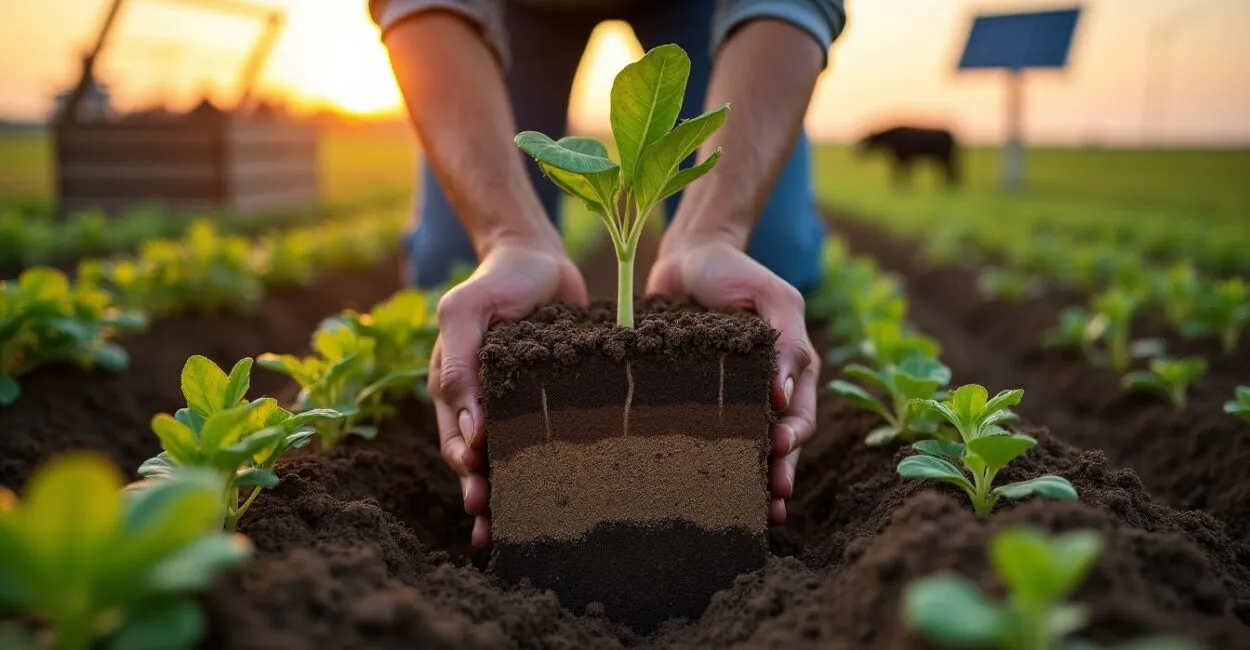
Farmers shape the food, fiber, and fuel that sustain societies, and understanding their practices is essential to building resilient food systems. A farmer manages land, livestock, or crops to produce goods for sale or personal use. This role is vital to food security, rural economies, and environmental stewardship.
As pressures such as climate change, labor shifts, and market volatility intensify, farmers face both challenges and opportunities in improving productivity and sustainability. This article explores practical methods, economic realities, and technology options to help farmers adapt and thrive.

Farmer Basics and Core Concepts
- Crop rotation and soil health principles
- Livestock management and welfare standards
- Market-oriented versus subsistence farming models
- Agroecological and conventional input systems
Foundational Definitions and Scope
At its core, farming involves managing land and biological systems to produce food or raw materials. This includes decisions about seed selection, irrigation, and animal husbandry that affect both yield quality and ecological impact. Understanding farm scale—from smallholder plots to large commercial operations—helps clarify resource needs and market strategies. The type of farm also influences labor and capital requirements, as well as environmental trade-offs.
Key related terms include agronomy, agribusiness, extension services, and supply chain integration, all of which place farmers within broader food systems and policy frameworks.
Economic Roles and Income Streams
Farmers earn income from crop sales, livestock products, agricultural services, and value-added processing. Diversifying revenue through direct-to-consumer sales, agritourism, or contract growing reduces market risk and stabilizes cash flow. Access to credit, insurance, and inputs has a major effect on profitability. Smallholders often operate with limited capital, while commercial farms use machinery and economies of scale to lower per-unit costs.
Policies, subsidies, and trade can shift market price signals. Monitoring trends and adopting cost-effective practices helps farmers protect their margins and reinvest in resilience.
Environmental and Social Dimensions
Through their land-use choices and practices, farmers directly affect carbon sequestration, biodiversity, and water cycles. Sustainable soil management and integrated pest control help minimize negative ecological impacts. Farming supports rural livelihoods and cultural heritage, but the sector also faces labor shortages and demographic shifts. Many regions report an aging farmer population and an exodus of young people to cities.
Balancing productivity with environmental stewardship requires incentives and knowledge sharing, often provided through extension services, cooperatives, and community-based programs.
Practical Steps for Farm Field Management
- Assess soil and map field variability through testing and observation.
- Plan crop rotations and cover crops to build organic matter.
- Use water-efficient irrigation and monitor soil moisture regularly.
- Adopt integrated pest management before turning to broad-spectrum chemicals.
Preparing Land and Inputs
Start with soil tests and field mapping to understand nutrient levels and identify compacted areas. Tailored fertilization and targeted tillage reduce wasted inputs and improve seedbed quality. Choose suitable seed varieties—such as drought-tolerant, disease-resistant, or high-yield hybrids—to match crop genetics to local conditions. Timing fertilizer applications and planting correctly is critical for successful crop establishment.
Efficient input purchasing and inventory management reduce costs and ensure supplies are ready for seasonal operations, supporting consistent farm performance.
Seeding, Planting, and Early Growth
Seeding depth, density, and timing affect crop stand uniformity and final yields. Use seed drills or precision planters when possible to ensure even distribution and reduce seed waste. Early pest and weed control using mechanical or biological methods protects young crops without relying on excessive chemicals. Monitoring emergence and acting early can prevent yield losses.
Establishing healthy crops reduces the need for interventions later in the season, conserving labor, lowering production costs, and improving resource efficiency.
Harvesting, Storage, and Marketing
Harvest timing depends on both crop maturity and market conditions; harvesting at the wrong time can reduce quality and price. Use appropriate machinery and storage to preserve product quality and limit post-harvest losses. Post-harvest handling—drying, cleaning, and packaging—adds value and expands market options. On-farm cold storage or community facilities can extend the shelf life of perishable goods.
Marketing strategies, from cooperatives to online platforms, help farmers earn better prices and diversify their customer base. Track demand trends and adjust supply accordingly.
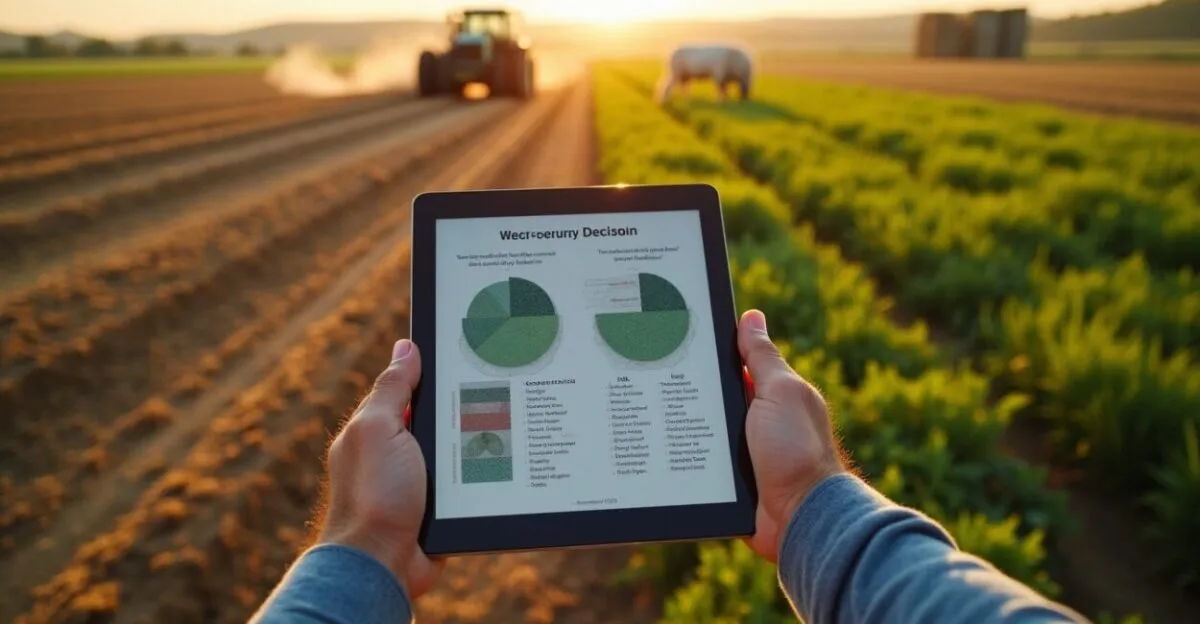
Comparing Farming Methods: A Decision Guide

Conventional vs. Regenerative Approaches
Conventional farming often emphasizes synthetic inputs, mechanization, and monocultures to maximize short-term yields. This can deliver high productivity but may degrade soil and biodiversity over time. Regenerative methods focus on building soil, planting cover crops, and reducing tillage to improve long-term resilience and ecosystem services. Yields may fluctuate initially as the soil recovers, but sustainability gains can improve stability over time.
Choosing an approach requires weighing long-term goals, available capital, and market access. Hybrid systems are common as farmers transition to new practices.
Smallholder vs. Commercial Models
Smallholder farms typically rely on family labor, diversified crops, and local markets, with an emphasis on subsistence and risk reduction. Commercial farms focus on scale, specialization, and integrated supply chains to improve efficiency. Access to mechanization, financing, and inputs differs significantly between these models. Smallholders may benefit most from group purchasing and extension services, while commercial operations invest in technology to scale up.
Policy support and targeted programs can help smallholders grow sustainably or enter niche markets with high-value products to increase their income.
Technology Adoption and Precision Tools
Precision agriculture—using GPS-guided equipment, satellite imagery, and variable-rate applications—reduces input use and boosts efficiency. These tools are best suited to operations that can recoup their investment through higher margins.
Digital platforms for farm management, weather forecasts, and market data help farmers of all sizes make better-informed decisions. Wider smartphone use also increases access to advisory services and real-time monitoring.
Implementation depends on connectivity, training, and cost. A phased approach with clear return-on-investment metrics can improve adoption and deliver lasting benefits.
| Method | Yield Potential | Environmental Impact |
|---|---|---|
| Conventional monoculture | High | Moderate–High |
| Integrated crop-livestock | Moderate–High | Low–Moderate |
| Regenerative agroecology | Variable (increases over 3–5 years) | Low |
| Certified organic | Moderate | Low |
Farmer Productivity and Resource Management
Soil Health and Nutrient Cycling
Maintaining soil organic matter, structure, and biological activity is essential for sustainable yields. Practices such as cover cropping, compost application, and reduced tillage support nutrient cycling and water retention.
Regular soil testing helps guide nutrient applications and prevent fertilizer overuse, reducing runoff and costs. Improving microbial activity supports long-term fertility and disease suppression.
Investing in soil health often pays off over multiple seasons, increasing resilience to drought and extreme weather.
Water Management and Irrigation Efficiency
Efficient irrigation methods—such as drip systems, micro-sprinklers, or soil moisture sensors—reduce water waste and energy costs. Scheduling irrigation according to crop needs improves water productivity and yield per cubic meter.
Conservation practices such as mulching and contour farming reduce evaporation and runoff, improving on-farm water availability. Reuse and storage systems increase reliability during dry periods.
Read also: Mechanic Basics and Core Concepts
According to the FAO, agriculture accounts for about 70% of global freshwater withdrawals, underscoring the importance of efficient water use (FAO).
Labor, Machinery, and Automation
Labor availability and the level of mechanization determine the scale and timing of farm operations. Automated systems and robotics can help fill labor gaps, but they require capital and technical skills to operate and maintain.
Read also: Tailor Basics and Definitions
Shared machinery services or custom-hire arrangements reduce upfront costs for smaller farms while providing access to advanced equipment during peak seasons. Training programs encourage adoption and safe use.
Balancing human labor with mechanization helps optimize costs while preserving livelihoods in areas where rural employment is a priority.

Farmer Benefits and Value Propositions
- Improved soil fertility increases yields over time and reduces input costs.
- Diversification spreads risk and creates multiple income streams.
- Precision tools reduce input waste and improve efficiency.
- Direct marketing captures higher margins and builds customer loyalty.
- Sustainable practices improve market access and brand value.
Economic Advantages of Efficiency
Efficiency gains lower per-unit costs and improve profitability. Reducing overlapping fertilizer applications and optimizing planting windows boost return on investment and stabilize revenue.
Grants and subsidies for sustainable investments can offset initial expenses and make projects more feasible in the short term. Tracking cost per unit and yield per hectare helps farmers measure progress against benchmarks.
According to the USDA, precision agriculture can increase input efficiency by up to 15–20% for certain crops, improving margins for farmers who adopt it (USDA).
Environmental and Market Benefits
Sustainable farming can earn price premiums and provide access to certified markets, boosting income while reducing environmental impacts. Consumers increasingly value traceability and low-impact production.
Carbon sequestration and biodiversity improvements provide ecosystem services that may generate income through emerging markets and payments for ecosystem services.
Third-party verification and transparent supply chains build buyer trust and open export opportunities in high-value markets with strict standards.
Building Community and Resilience
Farmers who work together through cooperatives and producer groups can access better input prices, joint marketing, and shared knowledge, strengthening social capital and resilience.
Training and extension programs build collective capacity to adapt to climate and market shocks. Local processing and storage reduce post-harvest losses and keep more value in rural economies.
Investing in local infrastructure and networks strengthens the long-term sustainability of farming communities and regional food security.
| Characteristic | Advantage | Disadvantage |
|---|---|---|
| Precision tools | Higher efficiency | High upfront cost |
| Regenerative practices | Long-term soil health | Yield variability early on |
| Cooperative marketing | Better prices | Requires trust and good governance |
Farmer Challenges and Limitations
- Access to affordable credit and insurance
- Climate variability and extreme weather
- Labor shortages and skills gaps
- Market volatility and price fluctuations
Financial and Policy Constraints
Many farmers have limited access to affordable financing, which restricts investment in machinery, storage, and technology. Subsidy structures and trade policies shape competitiveness and incentives for specific crops.
Insurance availability varies. Without tools to transfer risk, producers are exposed to potentially devastating losses. Targeted policies and inclusive financing models can help close gaps for smallholders.
According to the World Bank, over 50% of small-scale farmers in many low-income countries lack adequate access to formal credit (World Bank), highlighting systemic barriers to investment.
Environmental Risks and Externalities
Pests, diseases, and extreme weather events such as droughts and floods threaten yields and can require costly interventions. Soil degradation and water scarcity make these risks worse over time.
Externalities such as nutrient runoff and greenhouse gas emissions can have regulatory and reputational consequences, as markets increasingly demand sustainable certification and compliance.
Adaptive strategies and risk assessments are essential to mitigating long-term environmental and economic threats to farm viability.
Market Access and Value Chain Hurdles
Fragmented supply chains, a lack of cold storage, and weak logistics make it harder for farmers to reach higher-paying markets, allowing middlemen to capture more of the value.
Quality standards and certification requirements can be barriers for small producers without technical support. Aggregation and digital marketplaces can help connect producers with buyers.
Transparent contracts and reliable delivery systems are essential for consistent market participation and predictable income.
Farmer Tips, Best Practices, and Implementation
- Start small: test regenerative techniques on 0.5–2 hectares before scaling up.
- Keep detailed records of inputs, yields, and costs to measure ROI.
- Join a cooperative or producer group to gain bargaining power and share services.
- Test your soil annually and adjust nutrient plans accordingly.
- Use mobile advisory services for weather forecasts and pest alerts.
Planning and Incremental Adoption
Start with pilot plots to test new varieties or practices and measure the results before expanding across the entire farm. This reduces financial risk and provides evidence to guide decisions.
Keep clear records of changes to inputs, labor, and yields to calculate return on investment and inform future decisions. Data-driven choices improve resource allocation and scaling plans.
Ongoing learning and peer exchange through extension services, cooperatives, or online forums can accelerate practical improvements and adaptation.
Leveraging Technology and Data
Use affordable digital tools—farm management apps, weather alerts, and market price platforms—to improve timing, reduce waste, and connect with buyers. Some services offer tiered pricing and are partly subsidized by development programs.
Remote sensing and basic sensors provide useful insights into variations in moisture and nutrients. Combining this data with local knowledge helps optimize interventions and reduce guesswork.
Start with low-cost pilot projects and scale up technologies that deliver clear cost savings or yield improvements to support long-term adoption.
Building Networks and Accessing Resources
Connect with local extension services, NGOs, and agribusiness partners to access training, inputs, and financing. Cooperatives help small producers achieve scale for marketing and equipment sharing.
Look for public programs and grants that support sustainable transitions and infrastructure development. Partnerships with research institutions can provide opportunities for trials and technical validation.
Connecting with buyers and processors early helps align expectations for quality specifications and delivery schedules, improving market reliability and the prices farmers receive.
Conclusion
Farmers are central to food security, rural livelihoods, and environmental stewardship. Adopting practical, evidence-based strategies can improve both productivity and resilience. From managing soil health to adopting targeted technologies, choices made on the farm shape economic outcomes and ecosystem impacts.
Farmer-focused planning, access to financing, and collaborative networks can accelerate sustainable transitions and improve market access. Consider testing changes on a small scale, tracking results, and engaging with extension services to make incremental, high-impact improvements.
Think about your next step: identify one key constraint—water, soil, or market access—and create a simple 90-day plan to address it and measure your progress.
Frequently Asked Questions
What Is a Farmer?
A farmer is someone who cultivates land, raises animals, or does both to produce food, fiber, or other agricultural commodities. Farmers manage resources such as soil, water, seeds, and livestock, and make decisions about planting, harvesting, and marketing. They work within ecological, economic, and social systems, balancing productivity, sustainability, and livelihoods. The role varies by scale, from subsistence plots to commercial enterprises that use mechanization and serve global markets.
How Does Crop Rotation Work?
Crop rotation involves growing different crops on the same land in successive seasons to break pest cycles, improve soil fertility, and reduce disease pressure. Varying root structures and nutrient needs helps build soil organic matter and microbial diversity. Create rotation plans that include legumes to fix nitrogen and deep-rooted crops to improve soil structure. Regular monitoring and recordkeeping help maximize the benefits and fine-tune the plan over time.
What Is the Difference Between Organic and Conventional Farming?
Organic farming avoids synthetic fertilizers and pesticides, relying instead on natural inputs, compost, biological pest control, and soil-building practices. Conventional farming commonly uses synthetic chemicals and high-input strategies to maximize yields. Organic systems often prioritize biodiversity and long-term soil health, but yields may initially be lower. Conventional systems can be highly productive, but may cause environmental harm without mitigation measures.
When Should I Use Precision Agriculture Tools?
Use precision tools when you want to optimize input use, improve field-level decision-making, or manage variability across large plots. Consider adopting them if you manage multiple hectares, have variable soil conditions, or want to achieve measurable input savings. Start with simple sensors or smartphone apps, test them on representative fields, and scale up when the data show clear returns. Connectivity and technical support also affect successful implementation.
How Much Does It Cost to Start a Small Commercial Farm?
Start-up costs vary widely by region, crop, and scale. In many areas, a small commercial vegetable farm might require US$10,000–50,000 for land preparation, tools, seeds, irrigation, and basic infrastructure. Regional studies indicate that initial investments often take 1–3 years to recoup through sales, depending on market access and productivity. Get local estimates and explore grants and cooperative options to reduce upfront costs and manage risk.