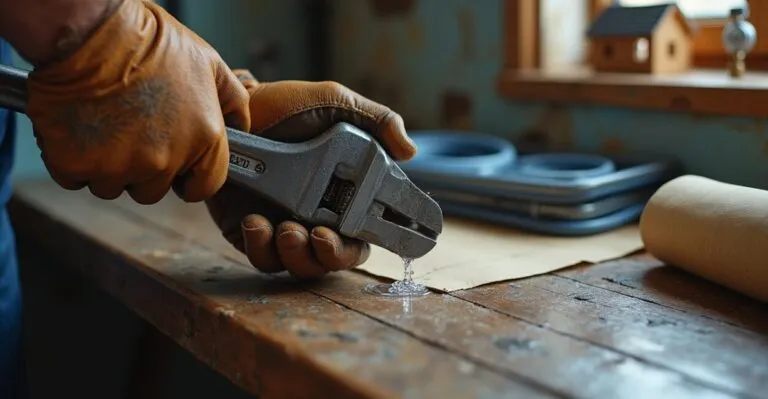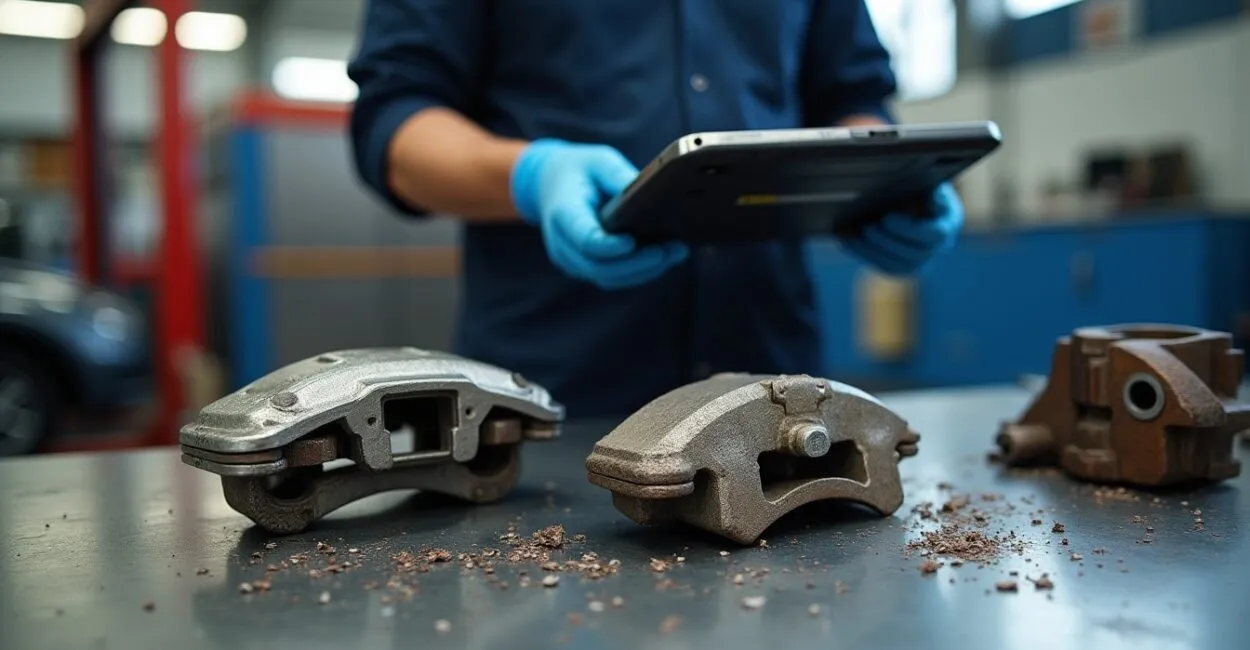
A mechanic plays a crucial role in keeping vehicles and machinery safe, reliable, and efficient. Understanding what a mechanic does, why the work matters, and how to find the right professional can help owners avoid costly breakdowns. In practical terms, mechanics diagnose, repair, and maintain engines, transmissions, brakes, and other systems, using tools, diagnostic equipment, and technical expertise to restore performance. To get started, identify the problem, check credentials, and request a clear estimate.
Without routine service, every vehicle owner faces downtime, unexpected expenses, and safety risks. A skilled mechanic helps reduce those risks through preventive maintenance, troubleshooting, and parts replacement. This article explores mechanic roles, techniques, costs, and career paths, with actionable steps and comparisons to help you choose the right professional or improve your own shop practices.

Mechanic Basics and Core Concepts
Definitions and fundamental concepts help anyone working with automotive or industrial service providers understand their responsibilities and expected outcomes. Learn how diagnostics, preventive maintenance, and repair cycles relate to safety and warranty requirements.
Role and Responsibilities of a Mechanic
A mechanic inspects, diagnoses, and repairs mechanical and electronic systems in vehicles and equipment, combining hands-on skills with computer-based diagnostics. Mechanics document their findings, recommend parts and maintenance intervals, and ensure compliance with safety standards and emissions regulations.
Related terms such as preventive service, diagnostic scanner, and OEM specifications describe common tasks and professional expectations.
Common Systems Repaired and Maintained
Mechanics work on engines, transmissions, braking systems, suspension, steering, electrical systems, and HVAC, addressing wear, leaks, sensor faults, and software updates. Their skills include understanding fuel delivery, ignition timing, and torque management, as well as diagnosing electrical sensors and actuators.
Related concepts include drivetrains, ABS, ECU calibration, and fluid management across vehicle makes and models.
Tools, Training, and Certifications
Modern mechanics use hand tools, lifts, oscilloscopes, and OBD-II scanners alongside formal training, such as ASE certification, manufacturer programs, and apprenticeships. Continuing education covers software updates, hybrid systems, and emissions controls.
Professional credentials and shop equipment standards demonstrate expertise, warranty compliance, and the ability to perform advanced diagnostics and repairs.
- Diagnostic tools, including OBD-II scanners and multimeters
- Preventive maintenance schedules for oil, filters, and belts
- Safety inspections and emissions testing
- Parts sourcing (OEM vs. aftermarket)
- Documentation and service records
Mechanic Workflow and Practical Procedures
Efficient workflows help mechanics diagnose problems faster and fix them right the first time, improving customer satisfaction and shop productivity. A structured process standardizes inspections and repair estimates while ensuring safety and regulatory compliance.
Initial Inspection and Diagnosis
Begin with a visual inspection and road test to reproduce the reported issue. Then use diagnostic codes, live data, and systematic checks to pinpoint the fault. Prioritize safety-critical systems, such as brakes, steering, and lights, and document fault codes for transparency.
Best practice is to explain the symptoms, possible causes, and estimated cost range to the customer before starting any invasive work.
Repair and Parts Replacement Procedures
Follow the manufacturer’s procedures: isolate the fault, repair or replace components, tighten fasteners to the specified torque, and verify the repair with a road test and a follow-up scan. Use service manuals, OEM bulletins, and torque charts to maintain quality.
Document all parts and labor to maintain warranty records and support future maintenance schedules.
Quality Checks and Final Delivery
Perform safety checks, road tests, and follow-up scans to confirm the issue is resolved. Check for leaks, unusual noises, and error codes. Clean the work area and provide the customer with an itemized invoice, warranty information, and recommended follow-up services.
Clear explanations of long-term maintenance help build customer loyalty and trust.
- Inspect the vehicle and reproduce the symptom.
- Scan for diagnostic trouble codes and record live data.
- Isolate the faulty system and confirm the root cause.
- Repair or replace parts according to OEM procedures and torque specifications.
- Road-test the vehicle, scan it again, and provide a written report with recommendations.
Mechanic Methods: Comparing Repair Options

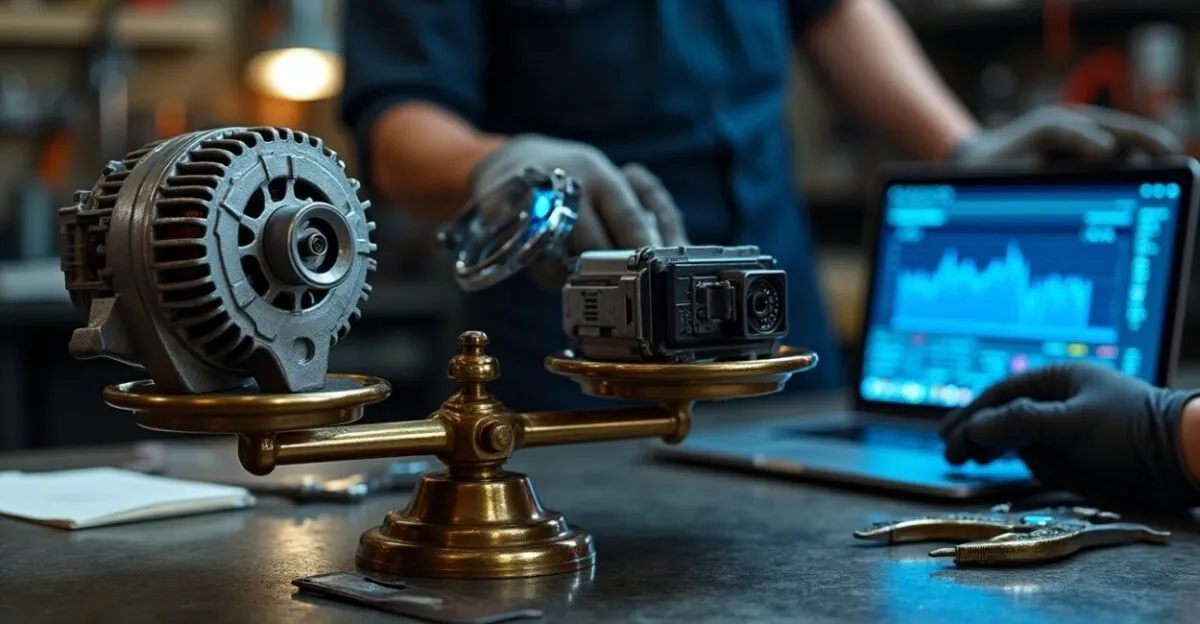
Choosing between repair methods—replacement, refurbishment, or a software update—depends on cost, downtime, and long-term reliability. Compare options using measurable factors such as parts lifespan, labor time, and warranty length to make an informed decision.
When to Replace vs. Refurbish
Replacement offers a predictable lifespan and warranty but costs more upfront. Refurbishment can be cost-effective when the original part is in good condition and can be professionally reconditioned. Consider the vehicle’s age, expected remaining lifespan, and parts availability before deciding.
Cost-effective repair decisions balance immediate savings against the risk of repeat failures and additional labor.
Software Updates and Reprogramming
Modern vehicles often need ECU or module updates to fix drivability or compatibility issues after repairs. Software flashes can resolve sensor calibration and emissions-control problems without mechanical work. Keep manufacturer service bulletins and technical service bulletins (TSBs) in your workflow to apply updates that help prevent repeat repairs.
Independent Shop vs. Dealership Service
Independent shops often charge 20–40% less for labor than dealerships but may not have the specialized OEM tools needed for certain reprogramming tasks. Dealerships offer direct access to manufacturer updates and recalls, but at a higher cost. Choose based on warranty coverage, repair complexity, and parts sourcing. Clear communication and written warranties help reduce risk.
| Option | Typical Cost | Best Use Case |
|---|---|---|
| OEM Replacement | $300–$1,200 | New or late-model vehicles that need factory-fit parts |
| Aftermarket Replacement | $150–$700 | Budget repairs where an equivalent to OE specifications is acceptable |
| Refurbishment/Rebuild | $100–$600 | Older vehicles where salvaging the original part is viable |
| Software Reflash | $0–$200 | ECU updates, calibration fixes, and TSB remedies |
Mechanic Benefits and Value Proposition
Hiring a qualified mechanic improves safety, longevity, and efficiency for vehicles and equipment. Understanding these benefits helps owners prioritize maintenance over reactive repairs. Good mechanics lower the total cost of ownership through preventive service and timely repairs.
Safety and Compliance Advantages
Regular inspections by a mechanic help reduce crash risk and ensure compliance with emissions and safety standards. Promptly addressing worn brakes or suspension problems can prevent failures. Inspection records can also support resale and insurance claims. Related terms include safety inspection, emissions testing, and regulatory compliance.
Cost Savings and Operational Uptime
Preventive maintenance helps prevent major failures. According to the U.S. Department of Energy, well-maintained fleets can improve fuel efficiency by up to 12% with proper servicing (DOE). Timely repairs also reduce downtime and unexpected towing costs, saving businesses significant operating expenses over time.
Resale Value and Warranty Preservation
Consistent service records from a trusted mechanic help preserve resale value by documenting maintenance and preventing cumulative wear. Manufacturer warranties often require documented service, and following those requirements can protect warranty claims. Detailed records and OEM parts choices also influence buyer confidence and pricing.
- Improved safety and reduced accident risk
- Longer component lifespan and lower lifetime costs
- Better fuel efficiency and emissions performance
- Higher resale value with documented maintenance
- Faster diagnostics and less downtime
Mechanic Technical Characteristics and Trade-Offs
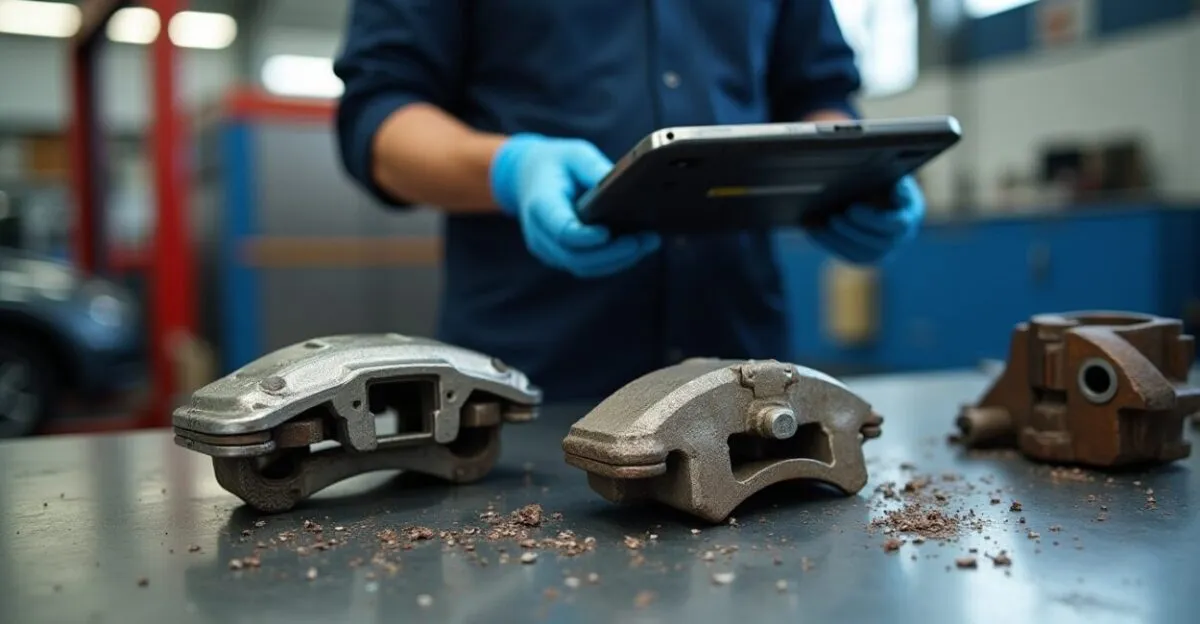
Technical trade-offs—such as material choices, repair-versus-replacement decisions, and calibration needs—affect durability and cost. When planning repairs, consider factors such as tolerances, material compatibility, and software calibration.
Materials and Part Selection Considerations
OEM parts ensure proper fit and compliance with specifications; high-quality aftermarket parts may offer comparable performance at a lower cost. Consider material properties such as hardness, thermal stability, and corrosion resistance for long-term durability. Document trade-offs so customers understand warranty coverage and expected service intervals.
Diagnostic Complexity and Repair Time
Advanced electronics and drive-by-wire systems make diagnosis more complex and can extend repair times. Shops with specialized tools and training can resolve problems faster. According to the National Institute for Automotive Service Excellence, technicians with advanced training diagnose problems up to 30% faster on average (ASE). Invest in training and tools to reduce repeat repairs and labor hours.
Limitations and Common Constraints
Parts availability, access to manufacturer software, and complex hybrid systems can limit the repairs independent shops are able to perform. Time and budget constraints, along with supply-chain delays, also affect turnaround times. Plan for lead times and communicate openly to reduce customer frustration.
| Characteristic | Advantage | Limitation |
|---|---|---|
| OEM Parts | Exact fit, factory warranty | Higher cost, longer lead times |
| Aftermarket Parts | Lower cost, wider availability | Variable quality, fit differences |
| Refurbished Components | Cost-effective for older vehicles | Shorter lifespan, warranty limitations |
Mechanic Risks, Drawbacks, and Limitations
Understanding limitations helps set realistic expectations for repair results, timelines, and costs. Not every problem can be fixed immediately; some solutions offer short-term savings at the cost of greater long-term risk.
Common Failure Modes and Recurrence
Recurring problems often result from misdiagnosis, low-quality parts, or deferred maintenance. Electrical glitches, intermittent sensor failures, and premature wear may require multiple visits. Accurate root-cause analysis and choosing the right parts help prevent repeat problems and reduce long-term costs.
Cost and Time Constraints
Repair costs vary widely: a simple brake pad replacement may cost $100–$300, while a transmission rebuild can exceed $2,500. Labor rates and parts availability affect timelines, and urgent repairs often cost more. Discuss budgets and phased repair plans to manage customer expectations and cash flow.
Regulatory and Warranty Risks
Using non-certified parts or following improper procedures can void warranties and lead to emissions compliance failures. Managing recalls and TSBs requires access to manufacturer systems. Independent shops should document their work to protect customers and limit liability. Maintain certifications and follow local regulations to reduce risk.
- Recurring problems if the root cause is missed
- Higher costs for complex components (e.g., hybrid batteries)
- Supply-chain delays that extend repair times
- Warranty and regulatory compliance challenges
Mechanic Best Practices and Expert Tips
Following best practices improves shop efficiency, reduces repeat repairs, and builds customer trust. Clear communication, data-driven diagnostics, and documented workflows form the core of professional service.
Customer Communication and Transparency
Provide itemized estimates, photos of failed components, and clear timelines to build trust. Offer prioritized repair options and explain the expected results of each. Transparent communication reduces disputes and encourages repeat business, helping establish a reputation for reliability and fairness.
Maintenance Scheduling and Record-Keeping
Use digital service records and reminders to help customers follow recommended maintenance intervals. Drivers who stick to a maintenance schedule can often avoid 40–60% of major repairs over a vehicle’s lifetime. Regular oil changes, belt inspections, and brake checks can prevent cascading failures. Use a CRM or shop management system to send reminders and manage invoices.
Efficiency and Shop Workflow Optimization
Standardize inspection checklists, invest in training, and maintain equipment to reduce diagnostic time and improve shop productivity. Cross-train technicians to work across multiple systems, and use tiered pricing for diagnostics and repairs. Efficient parts sourcing and inventory management reduce delay-related costs and increase first-time fix rates.
- Keep digital service records and send automated reminders
- Use OEM service information and TSBs during diagnosis
- Photograph damaged parts and keep customer-authorized records
- Invest in training for hybrid and EV systems
- Use standardized checklists for inspections and vehicle handoffs
Conclusion: A qualified mechanic is essential to vehicle safety, cost control, and long-term reliability. Understanding mechanics’ roles, methods, and trade-offs helps you make informed repair decisions and extend the life of your equipment. Choose certified professionals, prioritize preventive maintenance, and keep detailed records to protect warranties and resale value. If you need a reliable assessment, schedule a diagnostic inspection with a certified mechanic and compare options before approving major repairs.
Frequently Asked Questions
What Is a Mechanic?
A mechanic is a trained professional who inspects, diagnoses, and repairs mechanical and electronic systems in vehicles and equipment to ensure performance, safety, and compliance. Mechanics combine hands-on skills with diagnostic tools to identify problems, replace components, and perform preventive maintenance. They may specialize in areas such as diesel engines, transmissions, or hybrid systems, and typically document their work to preserve warranties and service history.
How Does Vehicle Diagnostics Work?
Vehicle diagnostics uses on-board diagnostic systems (OBD-II), code readers, and live data to identify sensor failures and fault patterns. The process begins with a scan for trouble codes, followed by targeted tests—such as voltage checks, component activation, and data logging—to confirm the root cause. Technicians consult manufacturer service information and TSBs, then make repairs and scan the vehicle again to verify the fix, reducing guesswork and repeat visits.
What’s the Difference Between an Independent Mechanic and a Dealership Service Department?
Independent mechanics often charge less for labor and offer flexible parts sourcing, while dealerships provide direct manufacturer support, OEM parts, and access to proprietary reprogramming software. Dealerships may be a better choice for warranty work or complex software updates; independent shops are often more affordable for routine maintenance and many repairs. Choose based on the warranty coverage required, repair complexity, and cost.
When Should I Use Specialized Repair Methods Like Rebuilding or Reprogramming?
Rebuilding may be a cost-effective option for expensive assemblies, such as transmissions or alternators in older vehicles. Reprogramming is necessary when software bugs, module replacements, or calibration issues affect drivability or emissions. Choose a method based on the vehicle’s age, cost-benefit analysis, and expected remaining lifespan. Consult a certified mechanic to determine the best approach for your situation.
How Much Does Typical Mechanic Service Cost?
Costs vary: routine maintenance, such as an oil change, ranges from $30–$120; brake work costs $100–$400; and major repairs, such as transmission work, can exceed $2,500. Labor rates average $70–$150 per hour, depending on the region and shop. Parts quality and repair complexity also affect the price. Get itemized estimates from multiple providers and check warranty coverage to compare overall value and long-term costs before authorizing work.