
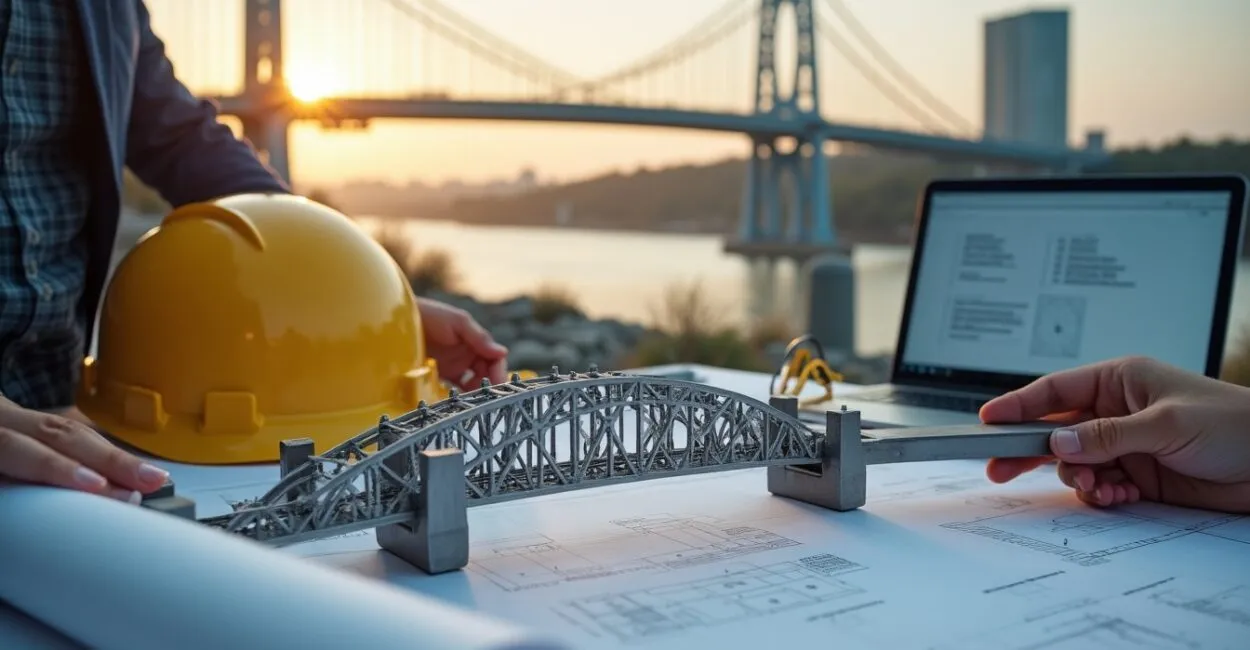
Engineers shape the built and digital worlds, solving problems that range from bridges to cloud systems. An engineer applies scientific principles, mathematics, and creativity to design, build, and maintain systems that meet human needs. This practical approach turns ideas into reliable, measurable outcomes, starting with the identification of requirements and constraints. To get started, learn core concepts, pursue relevant education or an apprenticeship, and practice structured problem-solving on real-world projects.
The opportunity lies in engineering’s interdisciplinary impact: engineers influence safety, efficiency, and innovation across industries. This article explores engineering roles, essential skills, methodologies, career paths, tool comparisons, benefits and limitations, and practical strategies to improve performance and advance your career.

Engineering Fundamentals
Core Concepts of Engineering
Engineering centers on applied science, systems thinking, and iterative design. Engineers combine physics, mathematics, and materials science to create solutions that meet functional, environmental, and economic requirements. With a focus on reliability and safety, they use testing, modeling, and simulation to validate assumptions and quantify risk before deployment.
A systems perspective and stakeholder requirements guide decision-making, helping engineers balance trade-offs such as cost versus durability or speed versus accuracy. This foundation supports specialization in fields such as civil, mechanical, electrical, software, and systems engineering. Practical core skills include breaking down problems, applying tolerances, and using statistical reasoning to create consistent, scalable designs. Continuous learning and ethical judgment are essential to professional practice in every field.
- Problem decomposition and systems thinking
- Fundamentals of mathematics, physics, and materials science
- Design for safety, reliability, and maintainability
- Testing, modeling, and verification techniques
- Documentation, standards, and regulatory compliance
Key Competencies and Skills
Technical proficiency in areas such as CAD, programming, and circuit analysis must be paired with soft skills such as communication and project management. Engineers translate client needs into specifications and then into verifiable designs, which requires attention to detail and collaboration with multidisciplinary teams. Analytical tools such as finite element analysis, control theory, and algorithmic complexity help quantify performance and limitations. Familiarity with standards such as ISO, IEEE, and ASME also helps ensure interoperability and compliance on professional projects.
Leadership and ethical reasoning are essential when decisions affect public safety or the environment. Mentorship and peer review strengthen long-term results and professional credibility.
Education and Credentialing Paths
Formal degrees (BEng, MEng, BSc) provide a theoretical foundation and laboratory experience. Many engineers supplement their degrees with professional licensure (such as a PE license) or certifications (such as PMP or CISSP for specific fields). Apprenticeships and internships bridge academic knowledge and the constraints of real-world projects. According to the U.S. Bureau of Labor Statistics, engineering employment is projected to grow in specialized sectors. Formal credentials often correlate with higher median salaries and more leadership opportunities. Continuing education helps professionals stay current with evolving technologies.
Alternative paths—such as coding boot camps, vocational training, and maker communities—can provide practical entry points into software and manufacturing specialties. These routes emphasize portfolio projects and demonstrable impact over traditional degrees.
Types of Engineers and Specializations
Civil, Structural, and Construction Engineers
Civil engineering focuses on infrastructure, including roads, bridges, and water systems, and requires knowledge of soil mechanics, structural analysis, and hydraulics. Civil engineers help ensure public safety, durability, and cost-effectiveness by applying codes and standards. Projects often take months or years, and decisions must account for environmental impacts and maintenance needs.
Collaboration with architects, surveyors, and municipal agencies helps ensure compliance and buildability. Designs account for load cases, redundancy, and life-cycle costs to prevent failures and improve resilience. Public works commonly require certification and licensure. According to the American Society of Civil Engineers, the need to invest in aging infrastructure has increased demand for experienced civil engineers working on rehabilitation and upgrades.
Mechanical and Manufacturing Engineers
Mechanical engineers design machines, thermal systems, and components using principles from mechanics, thermodynamics, and materials science. Typical responsibilities include prototyping, stress analysis, and optimizing production processes. They turn concepts into products that can be manufactured, ensuring appropriate tolerances, feasible assembly, and cost-effective material selection.
Manufacturing engineering focuses on tooling, automation, and workflows to scale production efficiently. Lean manufacturing and Six Sigma methods reduce waste and improve yield, while prototyping speeds up iteration. Measurable key performance indicators (KPIs)—such as cycle time, defect rate, and production cost per unit—are central to continuous improvement and supply chain coordination in industrial settings.
Software and Systems Engineers
Software and systems engineers develop algorithms, software architectures, and integrated solutions for digital products and embedded systems. They apply software engineering practices—including version control, testing, and CI/CD—to ensure reliability, scalability, and maintainability. Systems thinking helps manage interactions among hardware, software, networks, and users.
Languages, frameworks, and cloud platforms change rapidly, so engineers must design systems for modularity, security, and observability. According to IEEE and industry reports, software failures are driving wider adoption of formal methods and automated testing in safety-critical systems. DevOps practices and platform engineering streamline deployment pipelines, reduce mean time to recovery (MTTR), and create faster feedback loops between development and operations teams.

Engineering Methods and Workflows

Design Thinking and Iterative Development
Design thinking guides user-centered solutions through five phases: empathize, define, ideate, prototype, and test. Engineers use iterative cycles to refine requirements and validate assumptions early through prototypes and user feedback. Iteration reduces costly rework later in product development and helps align features with user needs.
In regulated industries, iterations include verification and validation checkpoints, design reviews, and traceability matrices to maintain compliance. Agile practices adapt design thinking to software and hardware sprints, emphasizing incremental delivery.
Quantitative validation—such as stress testing, usability metrics, and performance baselines—grounds decisions and helps quantify trade-offs among scope, schedule, and quality.
Analytical and Computational Methods
Engineers use computational methods—including finite element analysis (FEA), computational fluid dynamics, and optimization algorithms—to predict performance and optimize designs before building physical prototypes. These tools reduce prototyping costs and speed up time to market while making it possible to explore complex combinations of variables.
Statistical methods, reliability analysis, and probabilistic risk assessment help estimate the likelihood of failure and determine appropriate safety factors. Sensitivity analyses identify critical variables that have a disproportionate effect on performance.
Increasingly, machine learning enhances modeling by identifying patterns in sensor data to support predictive maintenance and design improvements, strengthening decision-making across engineering disciplines.
Step-by-Step Project Workflow
Structured workflows turn loosely defined requirements into delivered systems through clear stages: requirements gathering, conceptual design, detailed design, validation, and deployment. Each stage includes reviews, documentation, and acceptance criteria to maintain quality and keep stakeholders aligned.
Risk management and change control help teams address evolving constraints and unexpected technical challenges. Schedule, budget, and quality metrics track progress and inform corrective actions.
Effective handoffs between engineering and operations require clear deliverables—such as drawings, bills of materials (BOMs), and test procedures—to ensure successful implementation and long-term maintainability.
- Clearly define requirements and constraints with stakeholders.
- Create conceptual designs and select viable options.
- Develop detailed designs and run simulations or build prototypes.
- Validate the design with tests, inspections, and user feedback.
- Deploy the solution, monitor performance, and make improvements.
Benefits and Impact of Engineering
Economic and Societal Advantages
Engineering drives infrastructure, health care, energy, and technology—the foundations of modern economies. Engineers increase productivity through automation and improved processes, enabling scalable services and a higher standard of living. The societal benefits include safer transportation, cleaner water, and more reliable communications networks.
Investments in engineering-led projects often deliver long-term savings and greater resilience. Upgrades to public infrastructure can reduce maintenance costs and the risk of failure. According to the World Bank, infrastructure investment is linked to economic growth in developing regions and can improve access and quality of life.
Engineers also contribute to sustainability by designing energy-efficient systems and circular economy solutions that reduce waste and emissions.
- Improved public safety and more resilient infrastructure
- Higher productivity through automation and optimization
- Economic growth driven by innovation and scalable solutions
- Environmental benefits from efficient designs and renewable energy
- Improved quality of life and access to essential services
Technical Benefits for Organizations
Following engineering best practices reduces downtime, lowers life-cycle costs, and improves product reliability. By standardizing design and testing protocols, organizations can achieve measurable benefits, including shorter time to market, fewer defects, and clearer compliance processes.
Cross-functional engineering teams accelerate innovation by combining expertise across fields with iterative development. Managing technical debt and using continuous integration help maintain systems over time and reduce refactoring costs.
Analytics and monitoring support data-driven decisions. KPIs such as uptime and mean time between failures (MTBF) help inform investment and maintenance strategies.
Environmental and Sustainability Outcomes
Engineers design renewable energy systems, efficient transportation, and lower-impact manufacturing processes that reduce carbon footprints. Life-cycle assessments quantify environmental trade-offs, guiding material choices and end-of-life strategies to reduce overall impact.
Regenerative design principles and circular economy practices—including repairability, recyclability, and modularity—help organizations meet sustainability goals and regulatory requirements. Green engineering can also lower costs over a product’s life cycle when energy and disposal expenses are taken into account.
According to the International Energy Agency, investments in energy efficiency and clean electricity are essential to reducing global CO2 emissions, underscoring engineering’s central role in climate action.
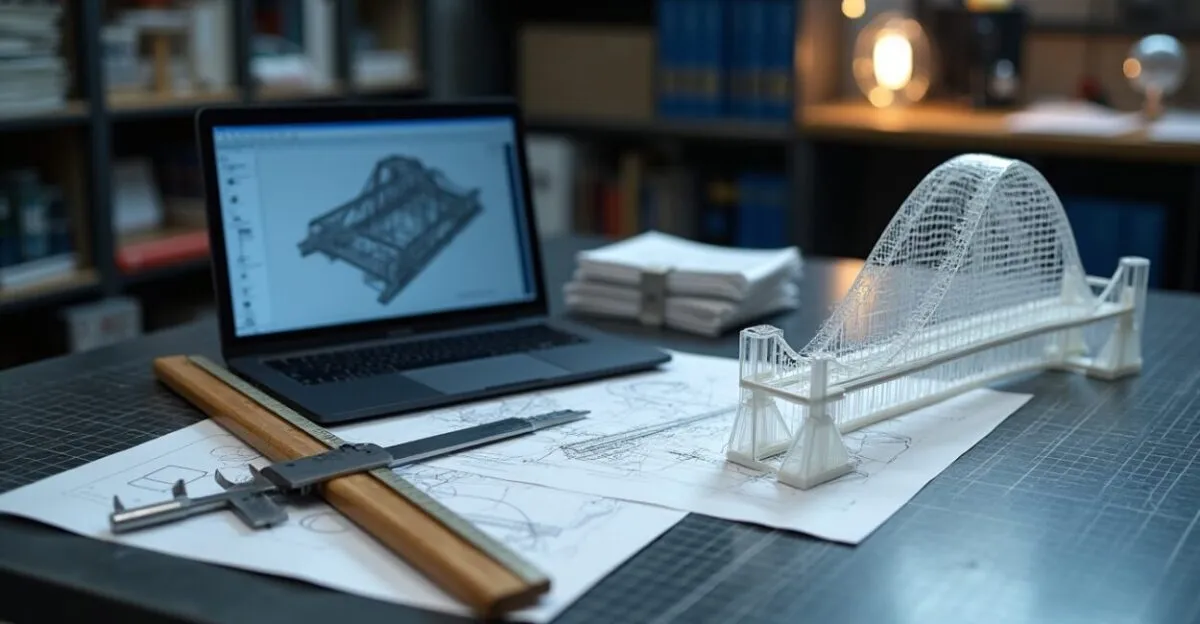
Comparative Analysis of Tools and Methods
Choosing Between Traditional and Modern Engineering Approaches
Traditional engineering methods emphasize deterministic calculations and conservative safety factors, while modern approaches incorporate simulation, data analytics, and model-based systems engineering. Each has trade-offs: traditional methods are straightforward and well-proven, while modern methods offer greater efficiency and optimization potential but require reliable data and expertise with the tools.
The right approach depends on project risk tolerance, regulatory requirements, and available resources. Critical infrastructure projects often combine both approaches to maintain safety while improving performance over time.
Tool selection—including CAD software, PLM systems, and cloud-based simulation platforms—should match the team’s skills, collaboration needs, and long-term maintenance requirements.
Tool Comparison Table: Methods and Capabilities
| Method | Strengths | Typical Use |
|---|---|---|
| Hand calculations | Transparent, low cost | Preliminary sizing, small projects |
| Finite Element Analysis | Detailed stress and strain predictions | Complex structures, optimization |
| Model-Based Systems Engineering | Traceability, integrated requirements | Large-scale systems integration |
| Data-driven ML models | Pattern detection, predictive maintenance | Operations monitoring, anomaly detection |
Vendor and Platform Considerations
Choosing vendors and platforms requires evaluating interoperability, support, and total cost of ownership. Cloud-based platforms offer scalability and collaboration, while on-premises solutions may be necessary for sensitive or regulated data. Licensing models—subscription versus perpetual—affect budget planning and upgrade cycles.
Open-source tools reduce upfront costs and encourage community-driven innovation, but they may require more in-house expertise to maintain. Commercial tools offer vendor support and certifications that can help speed up compliance efforts.
Consider integration with PLM, ERP, and CI/CD pipelines to ensure a seamless flow of data from design through production and operations.
Limitations and Risks of Engineering Solutions
Technical Constraints and Failure Modes
Every engineering solution faces constraints, including material limits, computational approximations, and uncertainty in operating conditions. Potential failure modes—such as fatigue, corrosion, and software faults—must be anticipated through testing and safety factors. Engineers use redundancy and monitoring to mitigate single points of failure.
Complex systems also risk emergent behavior, in which interactions produce unexpected outcomes. Rigorous systems engineering and scenario analysis help identify and address these risks early in the design process.
Quantitative reliability targets and acceptance criteria guide mitigation strategies and help ensure that stakeholders and regulators consider residual risks acceptable.
- Reliance on accurate assumptions and input data
- Resource and budget constraints that limit testing
- Regulatory and compliance hurdles that delay deployment
- Supply chain vulnerabilities that affect material availability
Economic and Schedule Risks
Cost overruns and schedule delays are common risks in engineering projects, often caused by scope creep, underestimates, or unexpected site conditions. Risk registers, contingency budgets, and phased deliverables help manage these challenges.
Procurement lead times—especially for specialized components—can stretch for months. Project plans must account for vendor timelines and potential import and export restrictions. Agile contracts and staged funding can reduce exposure to large upfront investments.
Stakeholder alignment and clear acceptance criteria help prevent rework and disputes that can drive up costs and extend timelines.
Ethical and Regulatory Limitations
Engineering decisions affect safety, privacy, and the environment, so professional ethics and regulatory frameworks constrain design choices. Compliance with standards (such as ASME and IEC) and regulations (such as GDPR for data-handling systems) is mandatory in many contexts and may limit certain optimizations.
Ethical dilemmas can arise with automation, surveillance technologies, and dual-use applications. Engineers must consider broader societal impacts and follow codes of conduct. Independent reviews and public transparency support accountable engineering practices.
Legal liability and reputational risks make thorough documentation, traceability, and insurance strategies essential for high-stakes projects.
Best Practices and Practical Recommendations for Engineers
Project Management and Collaboration Tips
Maintain clear requirements, version control, and regular design reviews to reduce misunderstandings and rework. Cross-functional stand-ups and integrated project schedules keep teams aligned. Document decisions and their rationale to preserve institutional knowledge for future maintenance.
Use risk-based prioritization to focus resources on critical components and interfaces. Track project health with metrics such as defect density, schedule variance, and cost performance index, and use them to trigger corrective actions early.
Encourage knowledge sharing through code reviews, design walkthroughs, and mentoring programs to build team capabilities and reduce reliance on any one person.
- Define clear acceptance criteria and success metrics
- Use version control and CI/CD for reproducibility
- Hold regular multidisciplinary design reviews
- Prioritize high-risk components early in the schedule
- Invest in documentation and knowledge transfer
- Use iterative prototyping to validate assumptions
Design and Validation Best Practices
Designing for manufacturability and maintainability reduces life-cycle costs. Include serviceability features, modular interfaces, and standardized components wherever possible. Validation plans should cover unit, integration, system, and acceptance testing, with objective pass/fail criteria and traceable test records.
Automated testing and continuous monitoring in production environments help catch regressions and performance drift early. Maintain a prioritized backlog of technical debt to prevent long-term declines in system quality.
For critical systems, involve external reviewers or pursue third-party certification to provide independent assurance and strengthen stakeholder trust.
Career Development and Continuous Learning
Stay current through a combination of structured courses, industry conferences, and hands-on projects. Certifications and licensure can open doors to leadership roles and higher pay, while open-source contributions and patents demonstrate impact and thought leadership.
Networking through professional organizations such as IEEE, ASCE, and the Institution of Engineering and Technology broadens your perspective and provides access to mentorship. Build both depth in a specialty and breadth across complementary fields to stay resilient in a changing job market.
Set measurable learning goals—such as mastering a simulation tool in three months or presenting a case study at a conference within a year—to maintain momentum and track your professional growth.
Conclusion
Engineering combines technical rigor, creativity, and ethical responsibility to deliver solutions that power societies and economies. This guide covered the fundamentals, tools, workflows, benefits, and limitations engineers need to understand to design safe, effective, and sustainable systems. Embrace continuous learning, use structured methods, and prioritize stakeholder needs to maximize your impact and advance your career as an engineer.
Start by identifying skill gaps, choosing a relevant specialization, and taking on practical projects—then build your expertise through iteration. Consider joining professional communities and pursuing certifications to accelerate your growth and strengthen your credibility.
Frequently Asked Questions
What Is an Engineer?
An engineer is a professional who applies scientific principles and mathematics to design, build, and maintain systems, structures, and technologies that solve practical problems. Engineers work in fields such as civil, mechanical, electrical, and software engineering, with a focus on functionality, safety, and efficiency. They translate requirements into designs, validate them through testing and analysis, and ensure solutions meet regulatory and stakeholder expectations in real-world settings.
How Does the Engineering Design Process Work?
The engineering design process typically includes requirements gathering, conceptual design, detailed design, prototyping, testing, and deployment. Teams iterate between modeling and validation, using simulations, experiments, and user feedback to refine solutions. Risk assessment and documentation continue throughout the process to ensure traceability and compliance. Collaboration with stakeholders and multidisciplinary reviews helps align designs with performance goals, cost constraints, and regulatory requirements before full-scale implementation.
What Is the Difference Between a Civil Engineer and a Structural Engineer?
Civil engineering is a broad field that covers infrastructure systems such as roads, water supply, and environmental projects. Structural engineering is a specialty focused on designing and analyzing load-bearing elements such as beams, columns, and foundations. Structural engineers concentrate on the strength, stability, and safety of structures, using detailed stress analysis and material selection. Civil engineers take a broader view, managing system-level planning, construction, and coordination of public works across disciplines.
When Should I Use Model-Based Systems Engineering Versus Traditional Methods?
Use model-based systems engineering (MBSE) for complex, multidisciplinary projects where traceability, integrated requirements, and system interactions are critical, such as aerospace, defense, or large-scale systems integration. Traditional methods may be enough for simpler or well-understood designs where hand calculations and conservative safety factors are adequate. MBSE requires more upfront modeling effort but can reduce integration risk and improve maintainability over a complex system’s life cycle.
How Much Does It Typically Cost to Hire an Engineering Consultant?
Consultant fees vary widely by specialty, region, and project scope. Hourly rates can range from $80 to more than $250 in many markets, while fixed-fee projects depend on deliverables. Small feasibility studies might cost $5,000–$20,000, while full design engagements can exceed $100,000. According to industry surveys, specialized engineering consultants for complex systems often account for 5–15% of total project capital costs. Request detailed proposals and statements of work to compare offers accurately.
References and further reading: U.S. Bureau of Labor Statistics, IEEE, World Bank.
Artigos Relacionados
 Construction Technology for Engineering and Building Projects
 Efficient Construction Project Management for Engineering and Construction
 Sustainable Projects in Engineering and Construction
 Engineering and Construction: Building Profitable Projects
 Chemical Engineer: A Complete Guide to the Career and Job Market
 Mining Engineer: A Complete Guide to the Career, Education, and Job Market
