

Teachers play a central role in learning by guiding, assessing, and motivating students. Effective instruction shapes students’ skills, attitudes, and future opportunities, and getting started takes clear goals and proven methods. Teachers combine subject knowledge, pedagogy, and classroom management to support diverse learners and track their progress.
Many schools face challenges such as large class sizes, limited resources, and diverse student needs—but these can also create opportunities for innovation. This article explores practical strategies, evidence-based methods, and actionable steps to help teachers improve instruction, engagement, and student success.

Teacher Roles and Core Concepts
Core Responsibilities of a Teacher
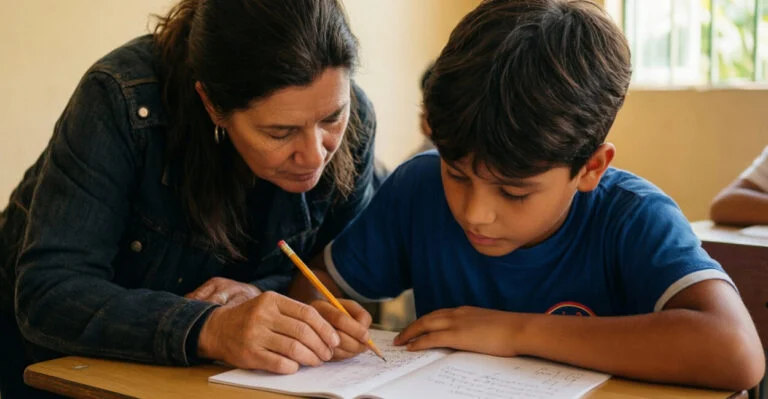
Teachers design curricula, deliver lessons, and assess student progress. They organize classroom activities, set expectations, and create an environment conducive to learning. Day-to-day tasks include planning, differentiating instruction, and using formative assessments to adjust teaching in real time.
The role combines subject-matter expertise with social-emotional support to help students meet academic goals and develop lifelong skills.
Key Competencies and Skills for Teachers
Effective teachers develop subject-matter expertise, instructional design skills, assessment literacy, and strong classroom management. Clear communication, cultural competence, and data-informed decision-making also support better outcomes.
Ongoing professional development and reflective practice help teachers keep up with changes in pedagogy, technology, and curriculum standards that affect student achievement and equity.
Essential Teaching Terms and Concepts
Understanding terms such as differentiation, formative assessment, scaffolding, and Bloom’s taxonomy helps clarify instructional choices. Teaching frameworks—including constructivism, direct instruction, and inquiry-based learning—inform lesson design and student engagement strategies.
Knowing curriculum standards and learning objectives helps ensure that classroom activities align with measurable outcomes.
- Curriculum planning and learning objectives
- Instructional strategies and pedagogy
- Assessment (formative and summative)
- Classroom management and behavior systems
- Professional development and reflective practice
Practical Steps for Classroom Implementation
Setting Clear Learning Objectives and Outcomes
Start each lesson with clear objectives that spell out what students will know and be able to do. Align activities and assessments with standards and real-world applications. Use measurable verbs and break complex goals into scaffolded steps so students can see their progress.
Clear objectives help students stay focused and make formative feedback more useful for both teachers and learners.
Designing Engaging Lesson Sequences
Structure lessons to build on prior knowledge, introduce new content, and provide opportunities to practice with feedback. Use a variety of formats—visual, auditory, and hands-on—and active learning techniques to improve retention.
Regularly use retrieval practice and spaced review to support long-term learning and help students apply what they know in new contexts.
Meeting Diverse Student Needs
Differentiate content, process, and products to accommodate varied readiness levels, interests, and learning profiles. Use small-group instruction, tiered assignments, and technology strategically to personalize learning. Check progress frequently and adjust the pace to keep students challenged without overwhelming them.
- Set measurable objectives aligned with standards.
- Plan a sequence of lessons with assessment checkpoints.
- Use active learning and scaffolded support.
- Use formative data to adjust instruction right away.
- Reflect on lesson effectiveness and make improvements.

Comparing Teaching Methods

Direct Instruction vs. Inquiry-Based Approaches
Direct instruction emphasizes explicit modeling, guided practice, and systematic feedback. It works well for teaching foundational skills efficiently. Inquiry-based learning encourages exploration, critical thinking, and student independence, making it effective for building deeper conceptual understanding and motivation. Combining the two can give beginners structure while challenging more advanced learners.
Blended and Hybrid Teaching Models
Blended learning combines in-person instruction with digital content to extend learning beyond the classroom. Hybrid models vary the schedule and format, allowing for flexible pacing and differentiated resources. Effective integration requires thoughtful design, reliable technology, and clear expectations for independent online work.
Competency-Based and Mastery Learning Options
Competency-based systems let students progress by demonstrating mastery rather than spending a set amount of time on each topic, enabling a more personalized pace. Mastery learning breaks skills into units and uses cycles of practice and correction to ensure students meet learning goals before moving on. Both approaches require robust assessment systems and clear success criteria.
| Method | Best for | Typical challenge |
|---|---|---|
| Direct Instruction | Skill development, large groups | Student engagement |
| Inquiry-Based Learning | Deep understanding, motivation | Time and scaffolding |
| Blended Learning | Flexible access, differentiation | Equitable access to technology |
| Mastery Learning | Individualized pacing | Assessment workload |
Benefits of Teaching and Its Impact on Learning
Academic Gains and Measurable Outcomes
Research links effective teaching to higher student achievement and long-term success. According to the Institute of Education Sciences, the U.S. agency that conducts and supports education research, students who receive high-quality instruction make significant learning gains, often reflected in standardized assessment results. Clear feedback and responsive instruction improve mastery and help narrow achievement gaps.
Read also: Salon Hairdresser: Definitions and Basic Concepts
Benefits for Social and Emotional Development
Teachers also foster social-emotional skills such as self-regulation, collaboration, and a growth mindset. These skills contribute to a better classroom environment and help students persist academically. Programs that integrate social-emotional learning (SEL) have been shown to reduce behavioral incidents and improve peer relationships, supporting the whole child and their learning.
Long-Term Social and Economic Benefits
High-quality teaching supports workforce readiness, higher graduation rates, and civic engagement. According to the OECD, the Organisation for Economic Co-operation and Development, effective education systems are associated with stronger economic productivity. Investing in teacher development delivers measurable benefits for communities and economies.
Read also: Social Worker: Definitions and Core Concepts
- Improved student achievement and test scores
- Stronger social-emotional skills and a better classroom environment
- Higher graduation rates and greater college readiness
- Narrower achievement gaps and greater equity
- Long-term economic and social benefits

Teacher Assessment Tools and Trade-Offs
Formative Assessment Techniques
Formative assessments—such as exit tickets, quizzes, and observation checklists—help teachers adjust instruction in real time and catch misconceptions early. They take little time but can provide valuable data when used regularly. Teachers can use the results to group students, reteach concepts, and target interventions for students who need extra support.
Summative Assessments and Accountability
Summative assessments measure cumulative learning and inform grades, program evaluations, and accountability. Although they are necessary for certification and reporting, relying too heavily on high-stakes tests can narrow the curriculum and increase stress. A balanced approach combines formative and summative measures to provide a fuller picture of learning.
Technology Tools and Analytics
Learning management systems, adaptive platforms, and assessment dashboards provide data on engagement, mastery, and time on task. These tools can personalize practice and reduce grading workloads, but they require investment and training, as well as careful attention to data privacy and equitable access.
| Tool/Approach | Advantage | Limitation |
|---|---|---|
| Exit Tickets | Quick feedback | Limited depth |
| Adaptive Software | Personalized practice | Cost and access |
| Standardized Tests | Comparability | High-stakes pressure |
- Limited time to design assessments
- Unequal access to resources and technology
- Misaligned metrics that can distort instruction
- Heavy workloads and grading demands for teachers
- Data privacy and ethical concerns
Teacher Challenges, Limitations, and Risks
Common Systemic and Classroom Limitations
Teachers often contend with large class sizes, limited instructional time, and unequal access to resources, all of which make individualized instruction harder. Bureaucratic demands and changing standards can limit flexibility, while insufficient professional development can hinder the use of evidence-based practices. These constraints affect instructional quality and student outcomes.
Barriers to Implementing Innovations
Adopting new teaching methods or technologies takes training, leadership support, and funding. Without them, initiatives often fall short. Resistance to change, unclear expectations, and a lack of time to collaborate are common barriers to expanding promising practices and sustaining improvements.
Equity and Access Concerns
The digital divide and unequal access to additional support contribute to achievement gaps. According to UNESCO, the United Nations Educational, Scientific and Cultural Organization, up to 30% of students in some regions lack reliable internet access, limiting the effectiveness of blended learning. Addressing inequity requires targeted investment and inclusive design.
- Insufficient funding for materials and professional development
- Gaps in infrastructure and technology
- Limited time for planning and collaboration
Teacher Best Practices and Practical Tips
Classroom Strategies That Consistently Work
Start lessons with clear objectives and activate prior knowledge to set the stage for learning. Use formative checks—such as think-pair-share activities and quick quizzes—to gauge understanding and adjust the pace. Build in spaced practice and feedback to reinforce retention and mastery over time, while keeping instruction student-centered.
Tips for Professional Growth and Collaboration
Make ongoing professional learning a priority through peer observations, coaching, and evidence-based workshops. Set aside time each week for collaborative planning and data review to align instruction and share effective materials. Reflection and mentorship can accelerate skill development and strengthen classroom practice.
Using Technology Thoughtfully in Teaching
Choose technology that supports your teaching goals rather than using tools for their own sake. Make sure tools are accessible, give students clear instructions, and combine digital activities with in-person interaction. Track measures such as engagement and mastery to evaluate their impact and decide whether to keep using them.
- Set clear objectives and success criteria for every lesson
- Use formative assessments in every class to guide instruction
- Use spaced retrieval practice to improve retention
- Collaborate regularly with peers and take part in coaching
- Choose technology that supports learning outcomes
- Prioritize equitable access and differentiated support
Conclusion
Teaching brings together subject knowledge, pedagogy, and care, shaping both immediate learning and long-term opportunities. By combining clear objectives, evidence-based methods, and ongoing assessment, teachers can improve student outcomes and help narrow achievement gaps. Investing in professional development, equitable resources, and collaborative systems can expand that impact. Consider trying one change in your classroom this term and measuring its effect on student learning.
Frequently Asked Questions
What Is a Teacher?
A teacher is a professional who supports learning by designing instruction, teaching content, and assessing progress to help students develop knowledge, skills, and competencies. Teachers create structured learning experiences, give feedback, and adapt their approach to meet diverse needs. They also support social-emotional development and guide students toward measurable goals in academic and real-world settings.
How Does the Teaching Process Work?
Teaching follows a cycle: set clear objectives, deliver instruction using appropriate teaching strategies, check for understanding with formative assessments, and provide feedback or additional support. Effective teaching uses scaffolding, differentiated activities, and evidence-based practices to support mastery. The process is ongoing: teachers analyze data, adjust instruction, and assess again to ensure students are making progress.
What Is the Difference Between Direct Instruction and Inquiry-Based Teaching?
Direct instruction emphasizes explicit teaching, modeling, and guided practice to help students build skills efficiently. It works well for foundational knowledge and large groups. Inquiry-based teaching focuses on student-led exploration, questioning, and problem-solving to build deeper understanding and critical thinking. Many effective classrooms use both approaches, depending on the goals and students’ needs.
When Should I Use Formative Assessment Methods?
Use formative assessments regularly—daily or weekly—to monitor learning, guide instruction, and catch misconceptions early. Try quick checks such as exit tickets, quizzes, or observations after key activities to see whether students are ready for new content. Use the results to adjust pacing, group students, and provide targeted support.
How Much Does Professional Development for Teachers Typically Cost?
Costs vary. Workshops offered by a school district may be free for staff, while external courses can range from $100 to more than $2,000 per program. According to professional education providers, targeted coaching packages average $1,200–$5,000 per teacher per year, depending on the level of support. School budgets, grants, and government programs can help cover the cost.
Artigos Relacionados
 The Teacher’s Role and Core Concepts
 The Delivery Driver Role: Core Concepts and Responsibilities
 Firefighter Roles and Core Concepts
 The Role of Schools and Families in Shaping Values: Foundations and Concepts
 Math Teachers: Roles, Skills, and Challenges in Modern Education
 Farmer Basics and Core Concepts
