Firefighters play an essential role in community safety, emergency response, and fire prevention. They protect lives and property, respond to fires and medical emergencies, and manage hazardous situations. Understanding what firefighters do, why their work matters, and how to pursue this career is valuable for anyone considering the profession or looking to improve safety in their community.
This guide explores the challenges and opportunities of firefighting, from training pathways to equipment choices. It offers practical steps, comparison tables, and actionable tips. Read on to learn about core duties, training options, operational tactics, risks, and best practices for today’s firefighters.

Firefighter Roles and Core Concepts
- Emergency response and fire suppression
- EMS and first response to medical emergencies
- Fire prevention and community education
- Hazardous materials (HazMat) containment
- Technical rescue operations, including rope and confined-space rescues
Primary Duties and Community Impact
Firefighters respond quickly to fires, medical emergencies, and technical rescues, protecting people and limiting property damage. Their presence brings order to chaotic scenes, coordinates evacuations, and enables immediate life-saving interventions before patients reach the hospital. As members of their communities, firefighters also conduct inspections and educate the public. Prevention programs and awareness campaigns help reduce fires and strengthen public safety and resilience.
Cross-training in EMS and HazMat expands firefighters’ capabilities, allowing them to provide emergency medical care and contain hazards when incidents involve chemicals, fuels, or biological materials.
Organizational Structure and Ranks
Fire departments typically have a paramilitary structure, with ranks that may include probationary firefighter, firefighter, engineer, lieutenant, captain, battalion chief, and chief. Each level has distinct operational and administrative responsibilities. This chain of command clarifies roles during incidents. Career advancement often involves earning certifications, completing leadership training, and meeting time-in-grade requirements. Experienced firefighters may move into supervisory or specialized roles, such as training officer or incident commander.
Larger urban departments may have specialized units, such as air operations, marine units, and urban search and rescue. Volunteer departments, by contrast, often emphasize versatility and close community ties.
Skills and Physical Demands
Firefighters need physical strength, cardiovascular endurance, and agility to haul hoses, climb ladders, and extricate victims, often while wearing heavy protective gear. Departments typically have regular fitness programs. Technical skills—including radio communication, pump operation, understanding fire behavior, and medical procedures—are essential. Mental resilience and situational awareness help firefighters manage stress and respond safely and effectively to changing conditions.
Firefighters also depend on teamwork, leadership under pressure, and ongoing training to stay proficient in complex tasks such as high-angle rescues and structural collapse response.
Firefighter Training and Certification Pathways
- Complete an accredited firefighter academy and earn EMT or paramedic certification.
- Pass the physical ability and written exams required by the hiring department.
- Gain field experience through probationary assignments and ride-alongs.
- Pursue advanced credentials in HazMat, technical rescue, or officer development.
- Keep certifications current through continuing education and annual drills.
Entry-Level Training and EMT Basics
Most firefighters begin at an accredited fire academy, where classroom instruction is combined with live-fire drills and hands-on training. Basic emergency medical training, usually at the EMT level or higher, is commonly required because many calls involve medical emergencies. Training covers patient assessment and life-saving interventions, as well as fire behavior, hose and ladder operations, search and rescue, and safety protocols. Applicants often need to pass physical ability tests and background checks before entering an academy.
Initial certification provides a foundation. Newly hired firefighters typically continue learning on the job with guidance from experienced colleagues and through structured probationary programs.
Specialized Certifications and Continuing Education
After initial training, firefighters may pursue specialized credentials in areas such as HazMat response, confined-space rescue, swift-water rescue, and technical rescue. These certifications require additional coursework and skills testing. Many departments require continuing education to keep skills current. Officer development prepares candidates for incident command, personnel management, and strategic planning. Training schedules typically include monthly drills, scenario-based exercises, and classroom updates on changing standards and technology.
Certification organizations such as the National Fire Protection Association (NFPA) and state fire academies set competency and testing standards that shape modern firefighter training.
Career Paths and Professional Development
Firefighters advance by gaining operational experience, passing promotional exams, and completing leadership training. Career paths may lead to specialist positions, such as paramedic, HazMat technician, or technical rescue specialist, or to management roles such as lieutenant, captain, and chief.
Professional associations and conferences help firefighters learn about advances in suppression tactics, firefighter health, and department management. Mentorship programs support retention and the transfer of skills.
Further education—such as a degree in fire science, public administration, or emergency management—can accelerate career growth and open doors to larger agencies or federal emergency response roles.
Firefighter Equipment and Operational Choices

| Equipment | Primary use | Typical lifespan |
|---|---|---|
| Self-contained breathing apparatus (SCBA) | Respiratory protection in smoky or contaminated environments | 10–15 years (with maintenance) |
| Structural turnout gear | Thermal and abrasion protection | 5–10 years (depending on wear and cleaning) |
| Fire engine (pumper) | Fire suppression and water delivery | 15–25 years (depending on use) |
| Thermal imaging camera | Victim searches and fire source detection | 5–8 years (technology upgrade cycle) |
Personal Protective Equipment and Maintenance
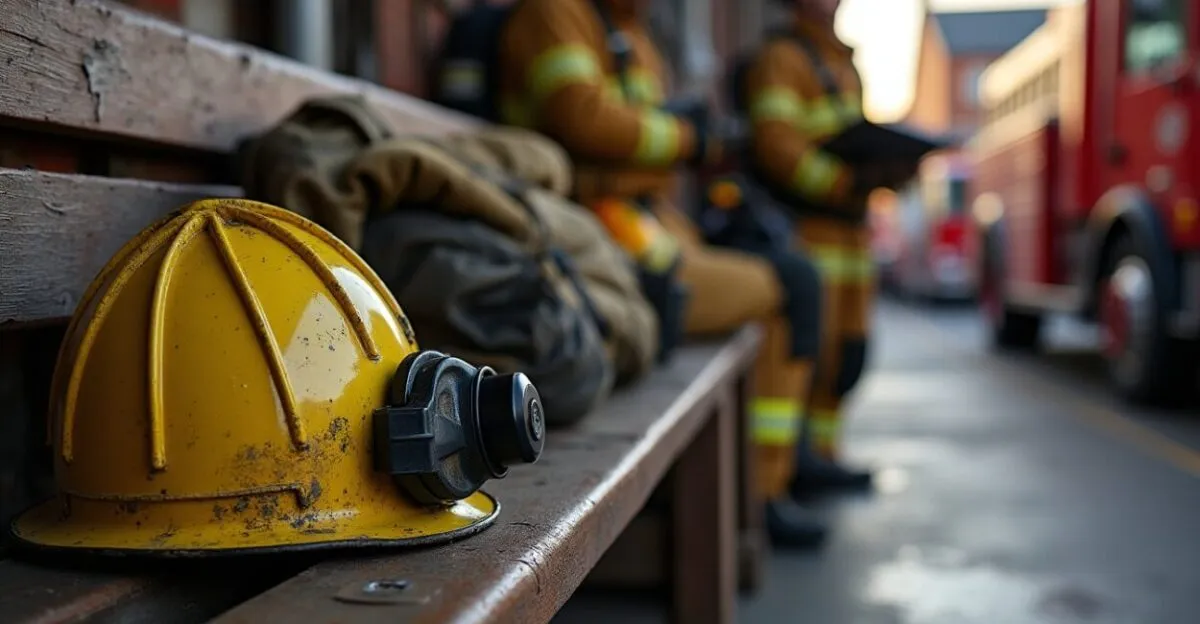
Personal protective equipment (PPE) includes helmets, turnout coats and pants, gloves, boots, and SCBA. Regular inspections, cleaning, and timely replacement are essential for equipment performance and firefighter safety. Departments often follow NFPA standards for PPE care and inspection schedules.
SCBA cylinders and masks should be inspected before and after incidents, while filters and seals need to be replaced on schedule. Budgeting for PPE replacement helps reduce equipment failure and long-term health risks, including exposure to carcinogens.
Strong maintenance procedures and accurate records help extend gear life and ensure compliance with occupational safety guidelines.
Vehicle Selection and Apparatus Roles
Apparatus choices—including pumpers, aerial ladders, rescue units, and tankers—depend on a community’s risk profile and geography. Urban departments often prioritize aerial ladder capabilities, while rural departments may rely on tankers for water supply and multipurpose rescue vehicles.
Vehicle purchasing decisions balance acquisition costs, operational needs, and long-term maintenance. Many departments lease specialized equipment or use mutual aid agreements to address less common hazards.
Interoperability standards and consistent apparatus layouts improve efficiency during multi-agency responses and reduce confusion among crews from different units.
Tools, Technology, and Innovation
Modern tools—including thermal imagers, battery-powered extrication tools, drones, and remote sensors—improve situational awareness and limit direct exposure to hazards. Investing in technology can reduce response times and improve rescue outcomes.
Data-driven dispatch systems and predictive risk mapping help departments allocate resources strategically, limit incident escalation, and improve coverage. Integrating GIS and real-time telemedicine also supports decision-making under pressure.
Balancing innovation with training and budget constraints is essential. New technology requires proper training for clinicians and operators to deliver measurable benefits in the field.
Firefighter Benefits and Occupational Advantages
- A strong sense of purpose and community service
- Stable employment with a pension or retirement plan
- Opportunities to develop specialized skills and earn certifications
- Competitive benefits, including health and dental coverage
- A team-oriented culture and lasting camaraderie
Compensation, Benefits, and Retirement
Firefighters often receive competitive pay, health benefits, and retirement pensions. In many municipalities, defined-benefit pension plans provide long-term financial security. Despite differences in local funding, these benefits remain a major attraction of the career.
Additional incentives, such as hazard pay, overtime, and education pay, can increase total compensation. Cost-of-living adjustments and union negotiations also significantly affect salaries across regions.
Firefighters who pursue paramedic or specialist roles may qualify for higher pay grades based on their additional skills and certifications.
Job Stability and Labor Market Data
Demand for firefighters depends on population growth and patterns of urban development. According to the U.S. Bureau of Labor Statistics, demand for firefighters remains steady and is shaped by local risk profiles and development. Public safety roles remain essential and resilient through economic cycles.
Volunteer departments supplement career staffs in many parts of the country. National surveys indicate that about 70% of U.S. fire departments rely on volunteers for some level of service, influencing workforce dynamics and recruitment strategies. Workforce planning must balance recruitment, training costs, and retention to maintain effective emergency coverage.
Professional Fulfillment and Community Impact
Firefighters often find their work rewarding because it involves saving lives, reducing harm, and teaching fire prevention. The role offers a sense of purpose through direct service and a visible impact on community safety and resilience.
Outreach, school programs, and prevention campaigns create lasting benefits by reducing incidents and improving public preparedness.
A career can span operations, fire prevention, administration, or training, allowing firefighters to align their work with changing interests and strengths over time.
Firefighter Tactics and Operational Comparisons
| Tactic/Approach | When used | Key advantage |
|---|---|---|
| Offensive interior attack | When the structure is tenable and ventilation is controlled | Direct fire suppression and faster extinguishment |
| Defensive exterior attack | When there is a risk of structural collapse or conditions are untenable | Protects nearby structures and reduces risk to the crew |
| Transitional attack | Initial exterior suppression before crews enter the building | Reduces heat and makes entry safer |
| Vent-enter-search | Rapid searches for trapped victims with controlled entry | Prioritizes rescue while maintaining ventilation control |
Interior vs. Exterior Attack Considerations
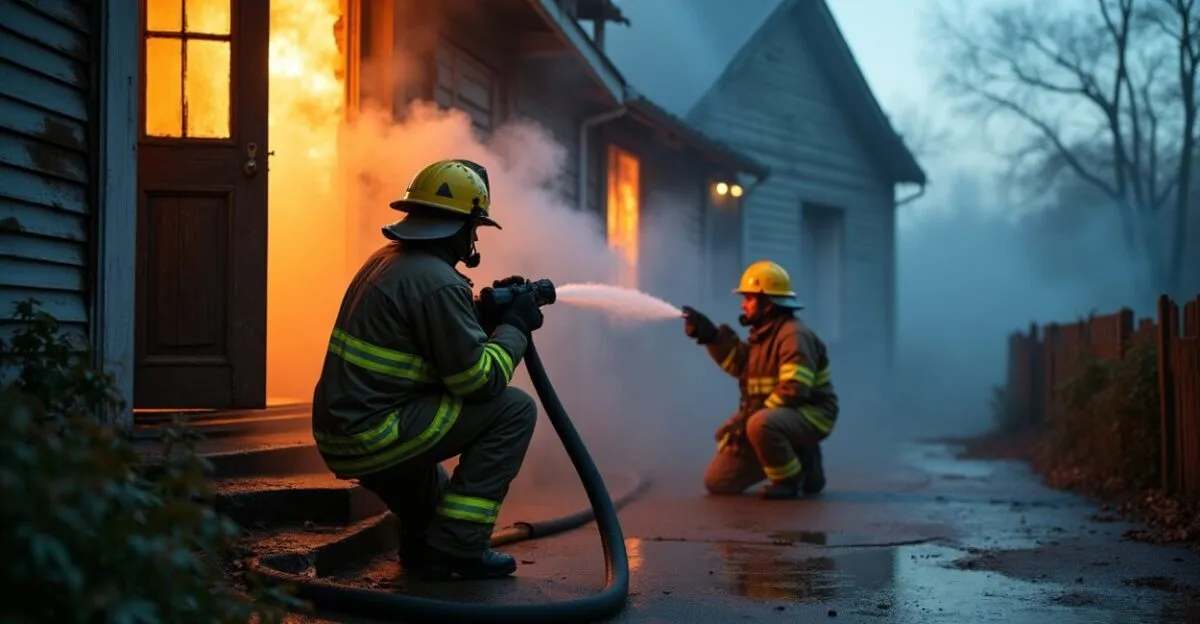
The choice between interior and exterior tactics depends on fire behavior, structural integrity, and rescue priorities. Interior attacks can extinguish fires quickly but expose firefighters to greater risk. Exterior operations prioritize crew safety and protect nearby structures from a distance.
Incident commanders consider ventilation, building construction, and the likelihood that occupants can survive when choosing tactics. Clear communication and ongoing situational assessment are essential for safely changing strategies as conditions evolve.
Training in both approaches prepares crews to use hybrid tactics, such as transitional attacks, that balance speed and safety.
Search and Rescue Methods
Search priorities depend on known occupant locations, the time since ignition, and available access points. Systematic search patterns, thermal imaging, and ropes or tethers for navigating in low visibility can improve rescue success and reduce the risk of crew disorientation.
Coordination with EMS and rapid patient packaging are critical. Immediate critical care can significantly affect survival for people with traumatic injuries or smoke inhalation.
Regular scenario-based drills and cross-training with medical personnel help crews maintain strong search and rescue skills.
Incident Command and Safety Management
The Incident Command System (ICS) provides a framework for tactical decisions, resource allocation, and communication. Clear command reduces confusion during responses involving multiple units and helps integrate mutual aid when larger incidents occur.
Safety officers monitor crew well-being, accountability systems track crew locations, and rapid intervention teams (RITs) stand ready to rescue firefighters. These safeguards reduce on-scene injuries and fatalities and help operations run smoothly.
After-action reviews and data collection help refine tactics and build organizational knowledge for future incidents.
Firefighter Limitations and Operational Challenges
- Exposure to carcinogens and long-term health risks
- Budget constraints that limit staffing and equipment
- Physical and mental strain that can lead to burnout
- Recruitment challenges in areas that rely on volunteers
Health Risks and Exposure Concerns
Firefighters face long-term risks, including cancer, respiratory disease, and cardiovascular strain, from exposure to smoke, soot, and chemicals. Research has linked higher cancer rates among firefighters to repeated exposure to the byproducts of combustion.
Decontamination procedures, on-scene rehabilitation, and health monitoring can reduce long-term risks. Protective practices, such as cleaning turnout gear and limiting time inside burning structures, are receiving increasing attention.
Departments often offer wellness programs and occupational health monitoring to identify and treat conditions early.
Budget and Resource Constraints
Municipal budgets affect staffing levels, response times, and equipment upgrades. Smaller jurisdictions may postpone replacing apparatus or rely heavily on volunteers, which can affect coverage and operational flexibility.
Grants and federal assistance programs can help offset costs, but departments still need to plan and prioritize resources based on community risks and response expectations.
Mutual aid agreements and regional resource sharing can help address funding shortfalls during major incidents.
Psychological Stress and Retention Challenges
Repeated exposure to trauma, long shifts, and irregular sleep can contribute to PTSD, depression, and high turnover in some departments. Peer support, counseling, and resilience training are important ways to protect workforce health.
Career development, fair compensation, and supportive leadership that proactively addresses mental health can improve retention.
Departments with structured mental health programs often report higher job satisfaction and lower turnover over time.
Firefighter Best Practices and Operational Tips
- Maintain physical fitness and get annual medical checkups
- Follow NFPA standards for PPE care and SCBA maintenance
- Conduct regular live-fire and multi-agency drills
- Decontaminate after fires
- Use data-driven risk assessments to guide resource placement
- Promote mental health support and peer counseling
- Take part in community education and prevention programs
Routine Maintenance and Inspection Procedures
Best practices include daily apparatus checks, PPE inspections before and after incidents, and scheduled SCBA flow testing. Documenting inspections and repairs helps preserve warranty coverage and ensures compliance with safety standards.
Proper gear storage, cleaning procedures, and calibrated testing equipment help prevent unexpected failures and extend the service life of critical equipment.
Adding inspections to shift checklists creates consistency and reduces human error that could compromise safety.
Decontamination and Cancer Risk Reduction
Immediate gross decontamination—rinsing gear, showering, and isolating contaminated clothing—reduces the transfer of carcinogens to skin and living spaces. Departments increasingly use on-scene decontamination and routinely launder turnout gear to reduce long-term exposure.
Education about contamination pathways, along with designated changing areas or containment bags for used gear, can further protect firefighters’ families and station environments from carcinogenic residues.
Regular medical screenings and cancer surveillance programs are recommended to support early detection and better outcomes.
Community Engagement and Prevention Strategies
Successful departments invest in public education, including smoke alarm programs, home safety visits, and school outreach, to reduce the number of incidents. Prevention saves lives, reduces call volume, and builds public trust.
Using data to target prevention efforts in at-risk neighborhoods makes programs more efficient and cost-effective, directing resources where they can have the greatest impact.
Strong partnerships with health services, social agencies, and schools strengthen prevention efforts and community resilience.
Conclusion
A firefighting career combines operational skills, public service, and technical expertise to protect communities from fires, medical emergencies, and other crises. Understanding training pathways, equipment options, tactical approaches, and occupational risks supports better decisions by recruits and department leaders alike.
Ongoing training, health protections, and community prevention improve outcomes for firefighters and residents. If you’re considering a career as a firefighter, pursue accredited training, maintain your fitness and safety habits, and commit to lifelong learning to succeed in this demanding and rewarding profession.
Frequently Asked Questions
What Is a Firefighter?
A firefighter is a trained professional who responds to fires, medical emergencies, and rescue situations to protect lives and property. Firefighters suppress fires, provide emergency medical care, contain hazardous materials, and educate the public. They work shifts, operate specialized vehicles and equipment, and follow established safety procedures. The role combines physical work, technical knowledge, and public service, making firefighters essential to community resilience and emergency response.
How Does Firefighter Training Work?
Firefighter training typically begins at a fire academy, where recruits learn about fire behavior, hose and ladder operations, search and rescue, and basic EMS skills. Recruits must pass physical ability tests and earn certifications such as EMT. Ongoing training includes specialized courses in HazMat, technical rescue, and officer development, as well as regular drills. Field training with experienced crews and probationary periods build practical skills, while continuing education keeps firefighters up to date on tactics and safety standards.
What Is the Difference Between a Volunteer Firefighter and a Career Firefighter?
Volunteer firefighters often serve part time without a full municipal salary, supplementing career departments, especially in rural areas. Career firefighters work full time and typically receive salaries, benefits, and pensions. Volunteers are trained and respond to local calls, but may have limited availability or resources. Career departments maintain full-time staffing and often have more specialized apparatus. Both are essential; community needs and funding models determine the right mix of volunteer and career personnel.
When Should a Department Use Defensive vs. Offensive Tactics?
Offensive (interior) tactics are appropriate when conditions indicate that occupants can survive and the structure is stable, allowing crews to suppress the fire and conduct rescues quickly. Defensive (exterior) tactics are safer when there is a risk of collapse, extreme fire behavior, or otherwise untenable conditions. Incident commanders consider the stage of the fire, building construction, occupant status, and available resources. Tactics may need to change as conditions evolve; firefighter safety, occupant survivability, and containment priorities guide the decision.
How Much Do Firefighter Training and Equipment Typically Cost?
Training costs vary. Basic fire academy tuition can range from a few hundred to several thousand dollars, depending on the region and academy. Paramedic certification and specialized courses add to the cost. Departments usually cover equipment such as SCBA, turnout gear, and tools, which can total $6,000–$12,000 per firefighter. Fire apparatus is a major capital expense: fire engines often cost $400,000–$700,000. Grants and municipal budgets commonly fund training and equipment purchases.
Sources: National Fire Protection Association (NFPA), CDC NIOSH, U.S. Bureau of Labor Statistics.