The role of a soldier remains central to national defense, crisis response, and peacekeeping worldwide. Soldiers serve in organized armed forces, where they are trained to carry out military missions, sustain operations, and protect civilians and infrastructure during conflicts and emergencies.
Understanding soldiers—their duties, training, operational environments, and ethical responsibilities—matters to policymakers, families, and citizens alike. This article provides a comprehensive look at soldiers, including definitions, practical steps for joining or supporting the troops, operational methods, comparisons, benefits and trade-offs, limitations, and best practices.

Military Soldier Roles and Definitions
Core Responsibilities and Mission Scope
Soldiers carry out missions ranging from territorial defense to humanitarian assistance, often as part of multinational coalitions. Their tasks may include reconnaissance, logistics, force protection, and direct engagement, combining tactical skill with compliance with the law of armed conflict and rules of engagement. These duties require physical fitness, mental resilience, and technical training in communications, weapons handling, and fieldcraft.
Modern soldiers must also adapt to asymmetric threats such as cyber-enabled operations and urban warfare, making ongoing professional development essential. Units coordinate with intelligence, engineering, and medical teams to meet strategic objectives while minimizing harm to civilians.
Training programs emphasize leadership, mission planning, and interoperability, preparing soldiers to operate effectively in joint and combined operations under a range of environmental and political constraints.
Classification by Rank and Specialization
Soldiers are classified by rank (enlisted personnel, noncommissioned officers, and commissioned officers) and specialty (infantry, armor, artillery, signals, medical, and engineering). Rank determines authority and responsibilities, while specialization defines technical roles and career paths. This hierarchical structure supports disciplined command and effective mission execution at the tactical, operational, and strategic levels.
Career paths often include advanced courses in leadership, technical expertise, and staff work. Specialized soldiers may serve as medics, intelligence analysts, or cyber operators, each requiring specific certifications and ongoing education.
Promotion timelines typically depend on time in grade, performance, and formal education, shaping unit readiness and the retention of institutional knowledge within military organizations.
Basic Concepts Every Civilian Should Know
Understanding soldiers as social and legal actors helps citizens put military decisions in context. Soldiers operate under civilian control, follow frameworks such as international humanitarian law, and represent state authority in security operations. Awareness of these principles supports public oversight and helps citizens support veterans and their families.
Key concepts for civilians include conscription versus volunteer service, deployment cycles, and veterans’ benefits. Public perceptions influence recruitment, retention, and the legitimacy of military operations in democratic societies.
For more information, consult authoritative sources such as NATO and the ICRC, which outline legal frameworks and operational standards for armed forces.
- Enlisted, NCO, and officer rank structures
- Common specialties: infantry, engineering, medical, and signals
- Rules of engagement and international humanitarian law
- Training programs: basic training, advanced training, and leadership development
Soldier Training Pathways and Preparation
Initial Entry and Basic Training
Basic training introduces recruits to military discipline, physical conditioning, weapons fundamentals, and first aid. Recruits typically spend 8 to 12 weeks learning core soldiering skills and building a foundation for specialty training. This phase instills unit cohesion, drill, and the basics of battlefield survival.
Curricula emphasize marksmanship, land navigation, communications, and team movement. In many armed forces, initial training also includes legal and ethical instruction on conduct during operations and the treatment of civilians and prisoners.
Recruits who complete basic training move on to technical or occupational schools aligned with their assigned military occupational specialties.
Advanced Individual and Collective Training
After basic training, soldiers enter advanced courses tailored to their specialties, such as combat, engineering, signals, or medical training. Collective training focuses on squad-, platoon-, and company-level tactics, integrating individual skills into cohesive operational capabilities. Exercises simulate realistic environments, from desert operations to urban close-quarters combat.
Sustainment training maintains readiness through recurring weapons qualification, vehicle maintenance, and communications drills. Exercises with allied forces are increasingly common to prepare soldiers for coalition operations.
Special operations and leadership tracks require additional selection and specialized instruction lasting from several months to several years, depending on the complexity of the role.
Fitness, Resilience, and Continuing Education
Physical fitness standards vary by role but typically require soldiers to meet benchmarks for running, strength, and endurance. Psychological resilience training, including stress inoculation and trauma awareness, is integral to reducing attrition and post-deployment mental health issues. Professional military education supports career development and understanding of military doctrine.
Many militaries offer university partnerships and technical certifications, helping soldiers transfer their skills to civilian careers. Continuous learning helps soldiers adapt to emerging threats such as cyber warfare, unmanned systems, and information operations.
- Complete required entrance assessments and medical screening.
- Attend and graduate basic training to build foundational skills.
- Enroll in specialty training aligned with your assigned role.
- Participate in collective exercises to develop unit-level competence.
Soldier Equipment, Tactics, and Comparative Methods

Personal Equipment and Force Multipliers
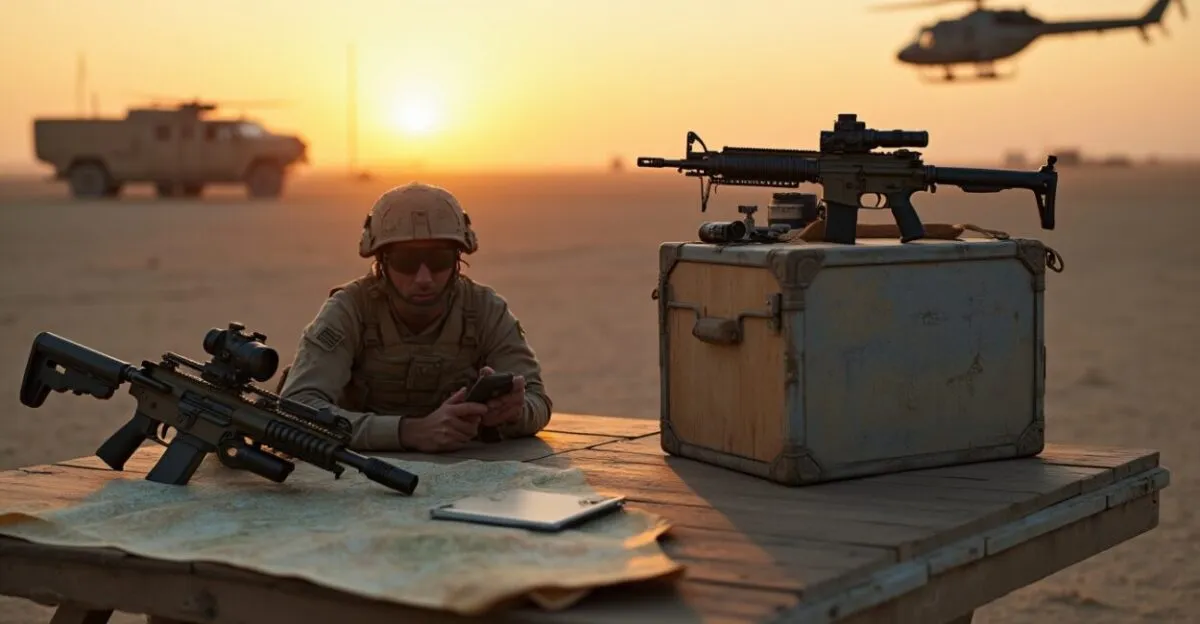
Soldiers rely on standardized personal equipment, including protective gear, firearms, communications systems, and navigation aids. Modern force multipliers include drones, precision-guided munitions, and encrypted networks. Equipment choices affect mobility, protection, and situational awareness, shaping tactical options on the ground.
Resource allocation balances survivability and mission agility: heavier armor offers greater protection but reduces maneuverability. Logistics systems determine a unit’s ability to sustain itself and influence operational tempo.
Procurement and maintenance cycles affect when new systems reach the field, often stretching over years from concept to frontline deployment.
Common Tactical Approaches and Doctrine
Tactics vary by mission: offensive operations emphasize maneuver and firepower, while defensive operations focus on terrain, fortifications, and counterattacks. Counterinsurgency combines military and civilian efforts, while peacekeeping prioritizes civilian protection and de-escalation. Military doctrine, such as maneuver warfare or attrition, guides commanders in planning and execution.
Integrated air-ground operations, combined-arms maneuver, and network-centric warfare show how tactics have evolved with technology. Commanders must adapt doctrine to local conditions, political constraints, and rules of engagement.
Training scenarios and doctrine reviews are conducted regularly to incorporate lessons learned and emerging threats into operational practice.
Comparing Defensive and Offensive Options
The choice between defensive and offensive postures depends on strategic objectives, force strength, and terrain. Offense aims to seize the initiative and capture ground; defense seeks to hold critical assets and wear down the enemy. Both approaches require attention to logistics, intelligence, and morale, as well as the operational timeline.
Decision-makers weigh casualty estimates, international law, and political repercussions. Force protection, civilian safety, and exit strategies help determine whether an offensive push or a fortified defense is appropriate.
The table below compares common options to help planners and analysts evaluate the strengths and limitations of each approach.
| Method | Primary Strength | Primary Limitation |
|---|---|---|
| Mobile offense | Seizes the initiative quickly | High logistical demands |
| Static defense | Preserves forces and offers a strong positional advantage | Vulnerable to flanking and siege |
| Counterinsurgency | Focuses on population security and intelligence | Requires long-term political commitment |
| Peacekeeping | Protects civilians and stabilizes regions | Limits the use of force under the mandate |
Advantages of Having Trained Soldiers
Security and Deterrence Benefits
Soldiers contribute to national security by deterring aggression and reassuring allies. A credible military presence can prevent conflicts from escalating and support diplomatic objectives. Well-trained forces can also respond quickly to natural disasters and humanitarian crises, protecting lives and property during emergencies.
Deterrence often depends on capability and readiness; visible training exercises and deployments signal a commitment to defense. This strategic posture supports alliances and contributes to regional stability.
Investing in training and modernization strengthens deterrence and preserves operational advantages in the face of evolving threats.
Societal and Economic Contributions
Military service provides vocational training, education benefits, and transferable technical skills that help veterans rejoin the civilian workforce. In many countries, a significant share of skilled tradespeople have military backgrounds, contributing to the broader economy and public infrastructure projects.
Read also: Social Worker: Definitions and Core Concepts
Active-duty soldiers also support disaster relief, infrastructure rebuilding, and public works, often supplementing civilian capabilities during crises. Well-funded social programs for veterans can reduce unemployment and homelessness.
These returns on investment for society make structured veteran support and career transition programs worthwhile.
Read also: Dental Practitioner Basics (Dentist Definitions)
Operational Readiness and Alliance Interoperability
Soldiers who share standards and communications protocols strengthen coalition operations. Joint exercises improve cross-national command and control, enabling rapid multinational responses to crises and peacekeeping needs. Standardization reduces friction and improves mission success rates in complex operations.
Regular multinational training builds mutual trust and improves information-sharing, making coordinated strategic planning easier. Interoperability often requires common logistics systems and compatible equipment.
According to the U.S. Department of Defense, investments in interoperability have improved coalition responsiveness in recent deployments and enhanced combined effectiveness.
- Deterrence increases political leverage and reduces the likelihood of conflict
- Veterans’ skills strengthen civilian labor markets and technical sectors
- Rapid-response capabilities save lives during disasters and crises
- Interoperability improves coalition outcomes and reduces friendly casualties
- Professional militaries support the rule of law and civil order during emergencies
Comparing Soldier Systems and Technical Characteristics
Weapon Systems and Protective Gear
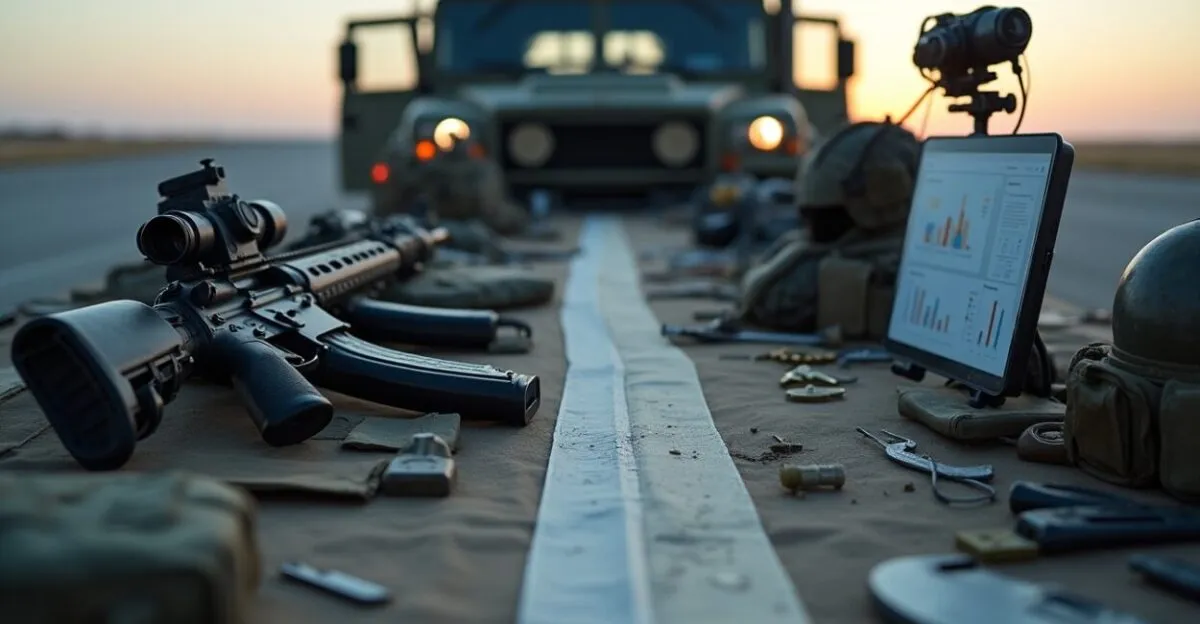
Modern soldiers use modular weapon platforms and advanced protective gear to balance lethality and survivability. Body armor ratings and helmet technologies help reduce fatalities, while modular small arms can be fitted with optics and suppressors for different missions. Maintenance cycles and supply lines determine reliability in the field.
Procurement decisions weigh cost, weight, and compatibility with night vision and communications systems. Upgrades aim to extend service life and protect communications equipment from electronic warfare.
Costs vary widely; unit-level modernization programs can run into millions of dollars per brigade, depending on platform complexity and sensor systems.
Mobility, Logistics, and Sustainment
Mobility depends on transportation assets, such as tactical vehicles and helicopters, and supply networks for fuel, ammunition, and spare parts. Sustainment underpins operational tempo: inadequate logistics can halt even well-trained units. Efficient supply chains and forward bases reduce resupply times and maintain readiness.
Technologies such as predictive maintenance and automated inventory systems shorten repair cycles and improve asset utilization. Integrated logistics among allies can provide surge capacity during large-scale operations.
According to NATO logistics doctrine, sustainment planning must account for 30–60 days of supply use during high-intensity campaigns to avoid operational pauses (NATO).
Command, Control, and Communications
Command-and-control systems provide situational awareness and enable rapid decision-making through secure communications and real-time data-sharing. Modern C2 integrates satellite, radio, and digital networks to coordinate fires, maneuver, and intelligence across echelons.
Resilient C2 requires redundancy to guard against jamming and cyberattacks, along with fallback procedures to maintain mission continuity. Training for degraded communications is essential to prepare soldiers for contested electromagnetic environments.
Effective C2 shortens decision cycles and improves mission effectiveness, particularly in joint operations where timing and coordination are critical.
| Characteristic | Typical Strength | Typical Weakness |
|---|---|---|
| Armor protection | High survivability | Reduced mobility |
| Networked C2 | Improved situational awareness | Vulnerable to cyber and electronic attacks |
| Logistics depth | Extended operations | Complex supply requirements |
Limitations and Risks Associated with Soldiers
Operational and Human Risks
Soldiers face risks including combat casualties, psychological trauma, and prolonged separation from family. High-stress deployments are associated with higher rates of PTSD, depression, and substance misuse when support systems are lacking. For commanders, balancing mission requirements with troop welfare remains an ongoing challenge.
Planning should include mental health services, leave cycles, and reintegration programs to reduce long-term harm. Risk management processes assess exposure and resource constraints to limit unnecessary casualties.
According to the World Health Organization, mental health outcomes vary among military personnel and veterans depending on access to care and efforts to reduce stigma (WHO).
Legal and Ethical Constraints
Soldiers operate under international law and national rules of engagement; violations can trigger legal liability and undermine legitimacy. Ethical dilemmas involving collateral damage, targeting decisions, and detainee treatment require thorough training and accountable command structures to ensure compliance and minimize reputational harm.
Compliance with the law of armed conflict and transparent investigative processes help sustain public trust. Violations can have operational and diplomatic consequences, including sanctions or reduced coalition support.
The doctrine of command responsibility holds leaders accountable for subordinates’ actions when oversight is inadequate.
Resource, Political, and Strategic Limits
Military effectiveness is constrained by budgets, political will, and strategic clarity. Maintaining forces at high readiness is costly: equipment, training, and personnel expenses can account for significant portions of national budgets, requiring trade-offs in public spending. Political constraints may limit the scope and duration of deployments.
Ambiguous missions or unclear objectives typically reduce operational success and increase the risk of casualties. Clear, achievable mandates and exit strategies improve outcomes and legitimacy.
Common limitations include finite logistical reach, recruitment shortfalls, and competing domestic priorities.
- Potential for physical and psychological harm to personnel
- Legal exposure resulting from misconduct or improper use of force
- High operating costs and complex logistics
Best Practices and Recommendations for Supporting Soldiers
Recruitment, Retention, and Professional Development
Attracting and retaining skilled soldiers requires clear career paths, competitive benefits, and ongoing training opportunities. Professional military education, credentialing, and support for the transition to civilian life improve retention and public value. Mentoring and leadership development reduce attrition and build institutional knowledge.
Transparent promotion systems and quality-of-life improvements—including housing, healthcare, and family support—directly affect morale and retention. Investment in technology training helps soldiers stay prepared for evolving threats.
Workforce planning should align recruitment targets with projected operational demands and demographic realities.
Welfare, Healthcare, and Reintegration
Comprehensive veteran care—including timely medical services, mental health counseling, and employment assistance—reduces long-term social costs and honors commitments to those who served. Programs that connect veterans with education, housing, and job placement deliver societal benefits and help reduce homelessness and unemployment among former service members.
Pre-deployment preparation and post-deployment screening can identify needs early and improve outcomes. Family support networks and flexible leave policies contribute to overall force resilience and readiness.
Investing in these areas leads to measurable improvements in retention and veteran well-being.
Tactics, Policy, and Civil-Military Cooperation
Policymakers should prioritize clear missions, strong oversight, and transparent reporting to maintain public trust in military operations. Civil-military cooperation during disaster response and stabilization operations makes the most of civilian capabilities and minimizes friction. Training that includes legal, cultural, and language components improves effectiveness in multinational settings.
Scenario-based exercises and after-action reviews make lessons learned part of standard practice, improving doctrine and tactics. Involving civilian agencies early in planning ensures political and humanitarian considerations are addressed alongside military objectives.
Recommended practices include regular audits, independent oversight, and community engagement to maintain legitimacy.
- Provide soldiers with education and credentialing pathways
- Ensure prompt access to mental health and medical care
- Offer structured employment and housing support for veterans
- Conduct joint civilian-military planning for stability missions
- Maintain transparent oversight and accountability mechanisms
Soldier roles are multifaceted, spanning combat, humanitarian aid, and nation-building. By understanding definitions, training pathways, tactical options, equipment trade-offs, risks, and best practices, policymakers and citizens can better support military personnel and shape effective security strategies. Consider how policies affecting soldiers influence readiness, ethical conduct, and long-term outcomes for veterans; advocate for professional development and comprehensive care programs to sustain military effectiveness and public trust.
Frequently Asked Questions
What Is a Soldier?
A soldier is an individual who serves in an organized armed force and performs military duties to protect national security, assist during crises, and carry out missions under civilian control and legal frameworks. Soldiers receive structured training in tactics, weapons handling, and fieldcraft, and operate within a rank hierarchy to achieve collective objectives. Their role includes defense, humanitarian response, and support for civil authorities when needed.
How Does Military Training for Soldiers Work?
Military training begins with selection and basic training, which builds discipline, fitness, and foundational skills. Recruits then move on to advanced specialty courses and collective exercises focused on unit tactics and interoperability. Ongoing professional education, simulations, and live exercises maintain readiness. Training cycles combine classroom instruction, fieldwork, and assessments to verify physical, technical, and leadership skills before deployment.
What Is the Difference Between Enlisted Soldiers and Officers?
Enlisted soldiers perform operational and technical roles, carrying out tasks in specialties such as infantry, engineering, or medical support. Officers have leadership and command responsibilities, focusing on planning, strategy, and unit management. Noncommissioned officers bridge the two, providing hands-on leadership and training. Career progression, education requirements, and decision-making authority differ across these groups, shaping organizational effectiveness.
When Should a Country Use Soldiers for Noncombat Tasks?
Soldiers may be deployed for noncombat tasks when civilian capacity is insufficient during disasters, large-scale emergencies, or humanitarian crises. Military assets can provide rapid logistics, engineering, medical support, and security in austere environments. Their use should be time-limited, legally authorized, and coordinated with civilian agencies to preserve civil-military boundaries and ensure a sustainable handover to civilian institutions after stabilization.
How Much Does It Cost to Equip and Maintain a Soldier?
Costs vary widely by country and role. Equipping a frontline soldier with personal protective gear and weapons can cost several thousand to tens of thousands of dollars, while annual per-soldier costs—including pay, training, healthcare, and pensions—often exceed $50,000 in high-income militaries. Accurate lifecycle cost estimates should account for procurement, maintenance, training infrastructure, and veteran support.