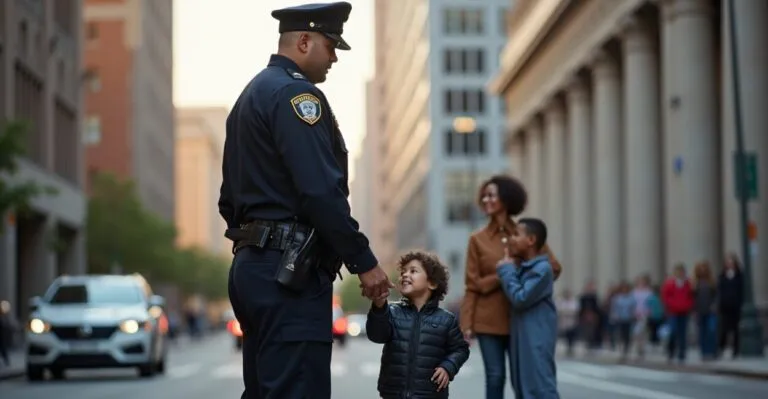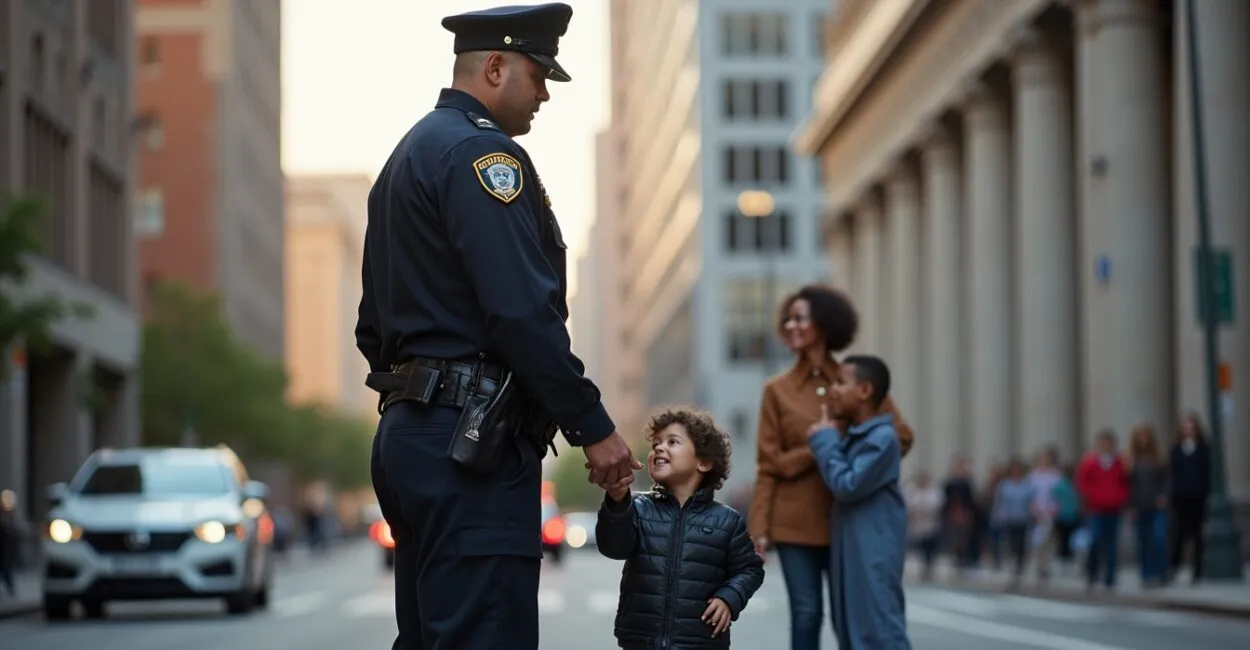
The role of a police officer matters because it brings public safety, law enforcement and community trust together in everyday work. Police officers enforce laws, respond to emergencies and serve as a visible deterrent to crime, helping maintain order and protect the public. To explore this profession, start by learning about its requirements, training pathways and community expectations.
Public safety agencies face evolving challenges, from urban crime patterns and technology-driven investigations to growing demands for transparency. This article explores career paths, operational duties, training models and practical strategies for effective policing. Tactical examples and evidence-based context can help recruits, supervisors and members of the public better understand the field.

Police Officer: Definitions and Basic Concepts
Core Responsibilities and Role Overview
Police officers patrol, enforce laws and respond to incidents, balancing emergency response with proactive community work. The role includes traffic enforcement, criminal investigations and public order duties, all of which require procedural knowledge and an understanding of the law. Officers often work in teams, coordinate with dispatch and write reports that become part of the justice process.
Related terms such as law enforcement, patrol, arrest procedures and community policing reflect the multifaceted nature of the role and connect operational tasks to broader public safety goals. Understanding these core duties helps citizens and policymakers evaluate performance measures and allocate resources to police units focused on crime prevention and emergency response.
Legal Authority and Jurisdictional Scope
A police officer’s authority depends on the jurisdiction—municipal, county, state or federal—which defines the officer’s powers to make arrests, conduct searches and enforce laws within legal boundaries. Jurisdictional limits shape cooperation with other agencies and determine the legal standards that apply to use of force, search warrants and evidence collection. This framework is essential to lawful policing and the admissibility of evidence in court.
Terms such as jurisdiction, probable cause and chain of custody are central to police work. They guide how officers work with prosecutors and the courts while maintaining procedural integrity. Officers must keep up with changes in laws, court rulings and agency policies to ensure their actions remain lawful and defensible during reviews or litigation.
Community Engagement and Public Trust
Trust is essential to a police officer’s work and is built through transparency, procedural fairness and consistent communication. Community policing emphasizes partnerships with local groups to prevent crime and address its underlying social causes. Officers who invest in building relationships can improve crime reporting and gather information that reduces response times and strengthens prevention efforts.
Terms such as procedural justice, legitimacy and community outreach connect officer conduct to outcomes such as reduced fear of crime and greater cooperation with investigations. Agencies can measure trust through surveys, complaint rates and participation in community meetings—all useful indicators for departments working to strengthen their legitimacy.
- Law enforcement duties and patrol operations
- Arrest powers, warrants and legal procedures
- Incident reporting and evidence handling
- Community policing and victim support
- Emergency response and interagency coordination
Becoming a Police Officer: Entry Paths and Career Steps
Education and Basic Requirements
Most agencies require a high school diploma or equivalent; many prefer candidates with college credits or a degree in criminal justice or a related field. Background checks, medical clearance and psychological evaluations are standard, and applicants must pass written exams and physical fitness tests. These requirements help agencies assess candidates’ suitability.
Related concepts include academy qualifications, certification and fitness standards, all of which can help applicants prepare to meet recruitment requirements. Knowing the prerequisites helps candidates plan their timelines, including application windows, study schedules and pre-employment requirements such as fingerprinting and drug screening.
Police Academy Training and Certification
After being selected, recruits attend a police academy to study laws, tactics, firearms, defensive driving and first aid. Training typically lasts 12–30 weeks, depending on the jurisdiction and curriculum. After completing the program, recruits earn certification and often must pass scenario-based tests and state exams to become sworn officers.
Scenario-based training, use-of-force instruction and field training officer (FTO) programs are key parts of skill development and certification preparation. Recruits balance classroom instruction, physical conditioning and scenario practice to prepare for patrol assignments after graduation.
Career Progression and Specialization
Police officers can specialize in detective work, K-9 units, traffic enforcement, SWAT or community liaison roles. Promotion paths often require a minimum time in rank, strong performance reviews and passing supervisory exams. Specialist roles may also require additional certifications, tactical courses or advanced investigative training.
Promotion opportunities, specialist training and advanced certification can lead to investigative, tactical or administrative leadership roles within an agency. Strategic career planning includes networking, continuing education and documenting work accomplishments to meet promotion criteria.
- Prepare: study laws, fitness standards and academy test formats.
- Apply: submit documents and pass background checks and medical screenings.
- Train: complete academy coursework and field training rotations.
- Get certified: pass state exams and become a sworn officer.
- Advance: pursue specialized courses and supervisory exams.

Comparing Operational Roles: Patrol, Detective and Tactical Units

Patrol Officers vs. Detectives
Patrol officers provide the first response, serve as a visible deterrent and conduct preliminary investigations. Detectives handle follow-up investigations, analyze evidence and build cases. Patrol work emphasizes quick decisions and community interaction, while detective work is research-intensive and evidence-driven, often requiring specialized interviewing skills and strong case management.
Related terms include follow-up investigation, case clearance and evidentiary standards, which highlight the differences in pace and skill set between these roles. Understanding the distinction helps agencies allocate resources effectively: patrol officers maintain order, while detectives work to solve complex crimes.
Tactical Units and Specialized Response Teams
Tactical units, such as SWAT, handle high-risk operations involving barricaded suspects, hostage rescue and high-risk warrants. These teams train in dynamic entry, advanced marksmanship and coordinated maneuvers, and operate under strict activation protocols. Tactical deployments are carefully managed and used sparingly to protect lives and property.
Command structure, use-of-force continuums and risk assessments help determine when and how specialized teams respond to critical incidents. Agencies balance tactical readiness with public scrutiny by documenting the reasons for activation and conducting after-action reviews to maintain accountability.
Community Policing and Problem-Oriented Approaches
Community policing assigns officers to build lasting relationships, engage local stakeholders and address the root causes of crime through collaborative solutions. Problem-oriented policing uses data analysis to identify recurring issues and develop targeted interventions. Both approaches prioritize prevention, not just enforcement, to reduce repeat incidents and improve quality of life.
Terms such as hot-spot policing, crime prevention through environmental design (CPTED) and community outreach are commonly used to describe data-driven prevention strategies. These approaches require officers to use communication, mediation and crime data analysis to develop sustainable community solutions.
| Role | Primary Focus | Typical Training |
|---|---|---|
| Patrol Officer | Immediate response and deterrence | Basic academy, FTO, defensive tactics |
| Detective | Investigations and case development | Investigative techniques, forensics |
| Tactical Unit | High-risk operations | Advanced tactics, weapons, scenario training |
| Community Liaison | Outreach and problem-solving | Conflict resolution, community engagement |
Benefits and Advantages of a Police Officer Career
Public Service and Social Impact
Police officers contribute directly to community safety by supporting victims, preventing crime and providing emergency assistance. This public service can bring personal fulfillment and a strong sense of purpose. Officers often play a vital stabilizing role during crises, offering reassurance when communities need leadership and protection most.
Related concepts include victim assistance, crisis intervention and public safety outcomes, which highlight the social benefits of policing.
People drawn to meaningful, service-oriented work may find policing rewarding, especially when their efforts help reduce crime or strengthen community relationships.
Job Stability, Benefits and Compensation
Law enforcement jobs typically offer structured pay scales, pensions and health benefits. According to the U.S. Bureau of Labor Statistics, employment of police and sheriff’s patrol officers is projected to grow 3% from 2022 to 2032, offering relative stability. Many agencies also provide overtime and specialty pay for assignments such as K-9 or dive teams (BLS).
Many jurisdictions offer defined-benefit pensions, disability coverage and union representation, helping improve long-term financial security for officers and their families.
Compensation packages vary by region, but often include training, career advancement and retirement benefits that appeal to candidates seeking a long-term career.
Skill Development and Transferable Competencies
Police officers develop transferable skills, including leadership, conflict resolution, investigative reasoning and emergency medical response. These skills can apply to civilian careers in security management, investigations, compliance and public administration, expanding employment options after police service.
Situational awareness, trauma-informed communication and evidence-based decision-making are valued in many job descriptions and civilian resumes.
Officers who document their training and certifications can improve their employment prospects after active service by demonstrating recognized credentials and practical experience.
- Meaningful public service and community impact
- Structured compensation, pensions and benefits
- Opportunities for specialization and advancement
- Development of leadership, communication and investigative skills
- Access to training and education reimbursement
- Flexible shifts and the potential to earn overtime
Training, Technology and Investigative Methods for Police Officers
Modern Investigative Techniques
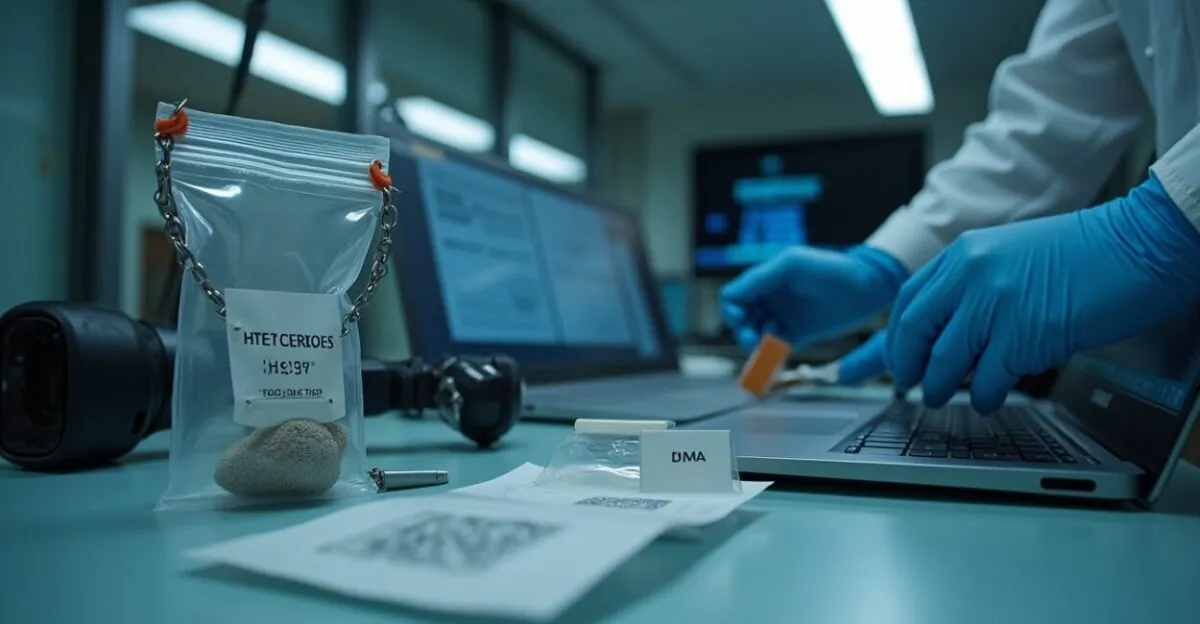
Modern investigators combine traditional interviews with digital forensics, cell-site analysis and CCTV review. Forensic advances, including DNA databases and automated fingerprint identification, can speed up case resolution. Effective investigations depend on preserving evidence, maintaining chain of custody and interpreting findings to support prosecution.
Terms such as digital forensics, chain of custody and forensic databases reflect the technical complexity of 21st-century investigations.
Officers must coordinate with forensic laboratories and prosecutors to ensure evidence is processed promptly and meets legal requirements for charges and courtroom presentations.
Technology in Policing: Body-Worn Cameras and Data Analytics
Body-worn cameras increase transparency and provide evidence of incidents, while crime analysis platforms help identify trends and hot spots. Agencies use predictive analytics to allocate patrols, although ethical concerns and questions about accuracy require oversight. When supported by clear policies, technology can improve accountability and operational efficiency.
Privacy protections, data governance and algorithmic fairness are essential to maintaining public trust while using analytics.
Implementation timelines vary. Some agencies introduce cameras within 1–3 years, while analytics programs are often rolled out gradually through pilot testing and policy reviews.
Health, Resilience and Ongoing Training
Officer wellness programs address stress, PTSD and physical fitness through counseling, peer support and resilience training. Ongoing professional development—including legal updates, de-escalation workshops and scenario practice—keeps officers up to date and compliant with the law. These investments can reduce burnout and help maintain operational readiness.
Critical incident stress management, fitness-for-duty evaluations and continuing education are all part of a comprehensive approach to officer preparedness and retention.
Agencies that monitor officer wellness often see fewer sick days and improved retention over time, underscoring the value of proactive health programs.
- High exposure to stress and traumatic events
- Potential legal liability and civil lawsuits
- Shift work that disrupts family life and sleep
- Public scrutiny and media pressure
| Training Area | Typical Duration | Primary Outcome |
|---|---|---|
| Basic Academy | 12–30 weeks | Certification and sworn status |
| Field Training (FTO) | 8–16 weeks | Operational readiness for patrol |
| Specialist Courses | 1–12 weeks | Qualification for units (K-9, SWAT) |
Challenges, Risks and Limitations for Police Officers
Physical and Psychological Risks
Police officers face physical threats during violent encounters and psychological strain from traumatic incidents. According to the National Law Enforcement Officers Memorial Fund, more than 150 officers in the U.S. have died in the line of duty in some years, underscoring the hazards of the job. Agencies invest in safety equipment and mental health services to reduce these risks (NLEOMF).
Occupational risk, PTSD and critical incident stress are important considerations when designing support programs and return-to-duty protocols after traumatic experiences.
Proactive measures such as physical fitness, tactical training and counseling can reduce injuries related to critical incidents and improve long-term well-being.
Legal Exposure and Use-of-Force Scrutiny
Use-of-force incidents can lead to legal reviews, internal investigations and civil lawsuits. Officers must document their actions accurately and follow body-camera policies and department procedures. Accountability mechanisms help ensure compliance, but they can also increase administrative workload and stress for front-line personnel.
Terms such as internal affairs, qualified immunity and evidentiary review often come up in discussions about balancing officer discretion with accountability.
Clear policies and regular de-escalation training can reduce unnecessary force and the resulting legal and reputational costs for departments.
Resource Constraints and Public Expectations
Budget constraints and staffing shortages can limit patrol coverage and increase response times, making it harder to deliver services. At the same time, the public expects quick responses, transparency and meaningful community engagement. Agencies must prioritize resources, use data to guide deployment and build partnerships to meet these demands effectively.
Staffing ratios, response-time metrics and community oversight all inform resource allocation and performance evaluation.
Strategic planning that includes interagency collaboration and grant funding can ease some constraints and improve service delivery.
- Stay aware of your surroundings and use de-escalation skills
- Document incidents thoroughly and promptly
- Keep up with legal and procedural training
- Build positive relationships with community stakeholders
- Prioritize wellness: sleep, counseling and fitness
- Communicate transparently
Best Practices, Strategies and Tips for Police Officers
Effective Communication and De-escalation
Clear, calm communication can reduce confrontation and encourage voluntary compliance. Use open-ended questions, active listening and nonthreatening body language to de-escalate tense encounters. Training in crisis communication and trauma-informed approaches can improve outcomes when interacting with vulnerable populations.
Active listening, nonverbal cues and trauma-informed policing are communication practices that can reduce use-of-force incidents and encourage cooperation.
Regular scenario training that simulates real-world encounters helps officers internalize these skills and adapt to the needs of diverse communities.
Data-Driven Patrol and Resource Allocation
Use crime analytics and hot-spot mapping to deploy officers where incidents are concentrated. Review case clearance rates, response times and community complaints regularly to refine patrol patterns. This evidence-based approach can improve efficiency and focus on prevention rather than purely reactive policing.
Predictive policing, performance metrics and hot-spot analysis are central to modern resource allocation strategies that balance prevention and enforcement.
Regularly evaluating analytics tools for bias and accuracy helps ensure they are used ethically and maintain public trust.
Ethics, Accountability and Continuous Improvement
Adopt transparent policies for misconduct investigations, use-of-force reporting and community feedback. Use body-camera reviews, civilian oversight and independent audits to strengthen public confidence. Ongoing training in legal updates, cultural competency and procedural justice supports ethical decision-making in complex situations.
Procedural justice, transparency and independent review help align ethical expectations with operational practices and community standards.
Agencies that make accountability part of their culture can strengthen public trust, reduce litigation risk and improve public safety outcomes.
- Prioritize communication and de-escalation techniques
- Use data to focus patrols and prevention efforts
- Invest in officer wellness and resilience programs
- Maintain transparent policies and civilian oversight
- Document and review incidents to support continuous learning
- Encourage cross-training and interagency collaboration
Conclusion
Becoming and serving as a police officer requires legal knowledge, tactical skills and a commitment to the community. This article covered the profession’s definition, career paths, operational roles, training, benefits, challenges and best practices to provide a broad overview of modern policing. Police work continues to evolve with technology and community needs, making ongoing learning and accountability essential. Consider training pathways, wellness resources and community engagement strategies as you plan or evaluate a career in law enforcement.
Frequently Asked Questions
What Is a Police Officer?
A police officer is a sworn law enforcement professional responsible for enforcing laws, protecting people and property, and maintaining public order. Officers respond to emergencies, patrol communities, investigate crimes and assist victims. Their authority, training and duties vary by jurisdiction, but their core responsibility is to uphold the law and keep communities safe through prevention, intervention and collaboration with other agencies and stakeholders.
How Does the Recruitment and Training Process Work?
Recruitment typically begins with an application, background check, fitness test and psychological evaluation. Successful candidates attend a police academy to learn about the law, defensive tactics, firearms and scenario-based training. The academy typically lasts 12–30 weeks. After graduation, officers train in the field with experienced mentors before taking on independent patrol duties. They can pursue specialized certifications later in their careers.
What Is the Difference Between a Patrol Officer and a Detective?
Patrol officers respond to calls, provide a visible deterrent and handle incidents initially, focusing on community presence and immediate action. Detectives conduct in-depth investigations, analyze evidence and build cases for prosecution. Patrol officers prioritize quick decisions and public interaction, while detectives work on longer-term investigations and collaborate with forensic units and prosecutors to solve complex cases.
When Should Someone Pursue a Specialized Unit Like SWAT or K-9?
Consider specializing after gaining solid patrol experience and demonstrating strong performance, provided you meet the physical and psychological requirements for units such as SWAT or K-9. Departments often require a minimum time in rank, specialized courses and a selection process. Choose a role that suits your strengths—tactical precision, investigative curiosity or working with animals—and be prepared for irregular hours and greater responsibility.
How Much Does It Cost to Become a Police Officer?
Costs vary. Basic application and testing fees may be low or covered by an agency, while expenses such as travel, uniforms and medical exams can add up to several hundred dollars. Some recruits attend college beforehand, and tuition costs vary widely. Many agencies cover academy tuition and equipment and provide stipends. Prospective officers should research local recruitment packages and possible education reimbursement programs.