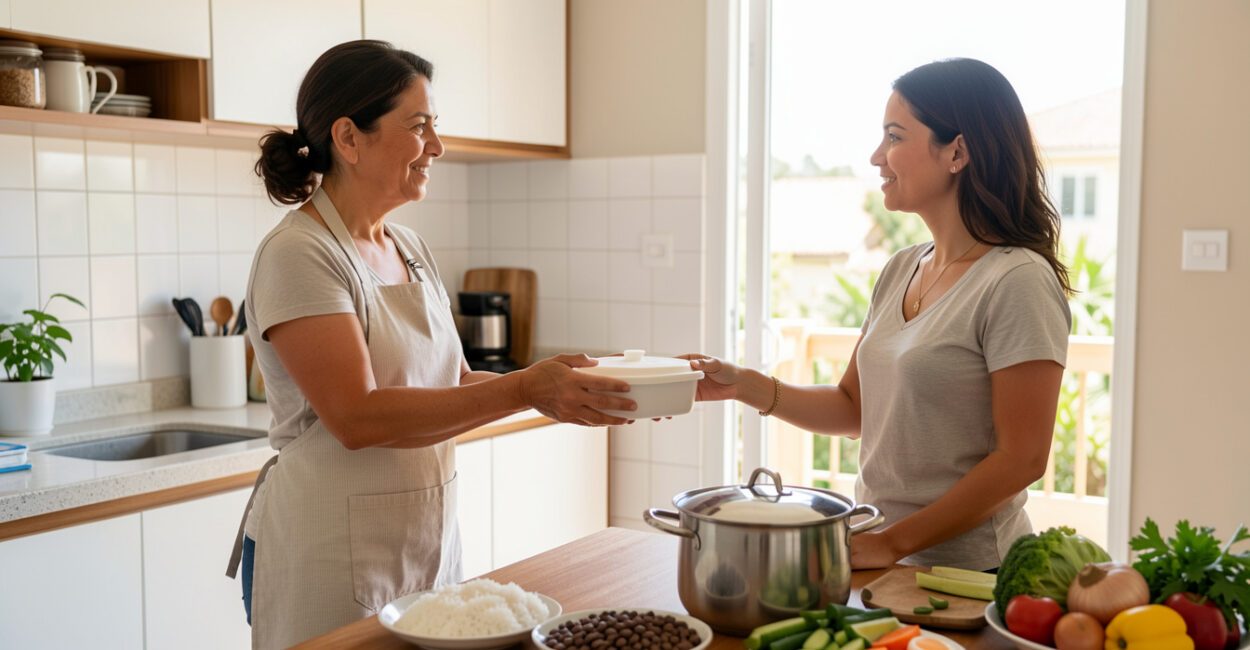
A dinner made with what’s already in the fridge can become a complete meal. For anyone thinking about selling food, though, that same kitchen requires production planning and attention to food safety rules. Homemade food can fit into family life or grow into a small business, as long as the menu, customer base, and cooking capacity work well together.
When cooking at home, a few combinations can make a meal without much fuss. If you plan to sell food, the first step is to test local demand with a few dishes and calculate your costs before investing in equipment or promoting an extensive menu.

What defines homemade food?
Homemade food is prepared in small batches using everyday home-cooking methods and intended for regular meals, whether served at home or made to order. In simple terms, it’s familiar food served in practical portions, with dishes that can vary by region, season, and the habits of the person cooking.
The term describes a style of food, not a food safety category or a guarantee of quality. A meal sold by a restaurant can have a homemade feel; food made at home still requires proper precautions for hygiene, storage, and transportation if it’s sold.
What are some homemade dinner ideas for a quick meal?
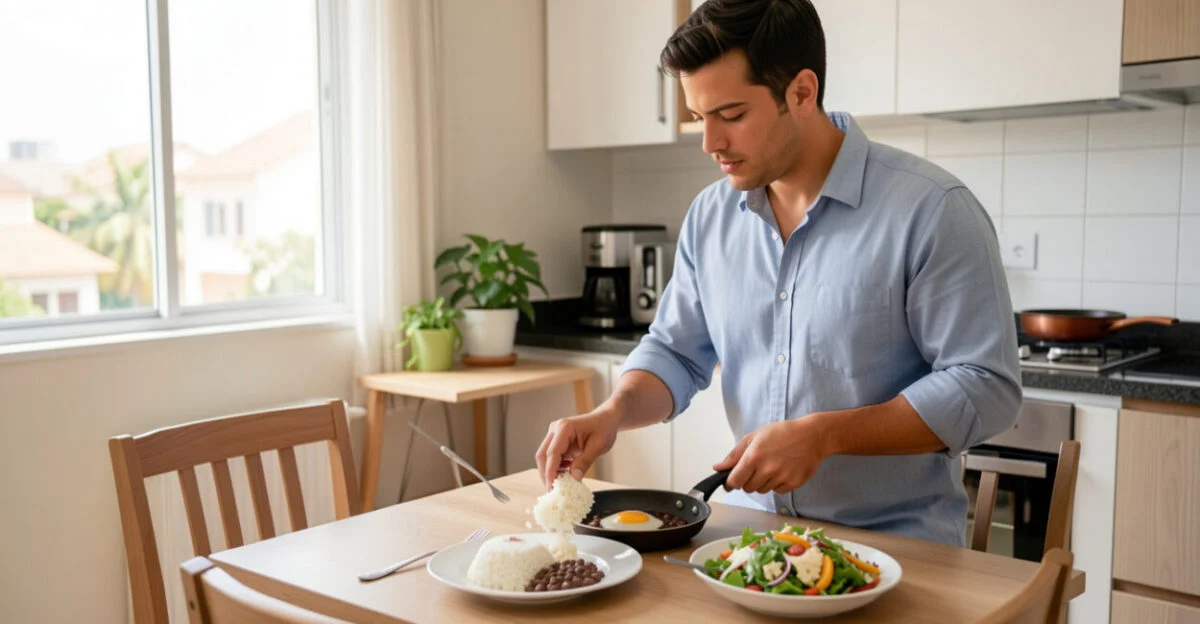
For a quick, tasty dinner, choose dishes that use ingredients you’ve already cooked or cook in about the same amount of time, such as a vegetable omelet, pasta with tomato sauce and shredded chicken, or rice and beans with an egg and salad. Timing depends on what’s already prepared and what equipment you have, so the estimates below are approximate.
Dish Approximate time Effort Omelet with tomatoes and greens 15 to 20 minutes Low Pasta with quick sauce and vegetables 20 to 30 minutes Low Rice, beans, egg, and salad 15 to 25 minutes, with the grains already cooked Low Chicken strips with vegetables in a skillet 25 to 35 minutes Medium Vegetable soup with bread or toast 30 to 45 minutes Low to medium
One time-saving tip is to set out everything you’ll need first and start with the ingredient that takes longest to cook. If the rice and beans are already made, for example, the work that evening may be limited to cooking an egg, reheating the sides, and putting together a salad.
How can you vary homemade meals throughout the week?

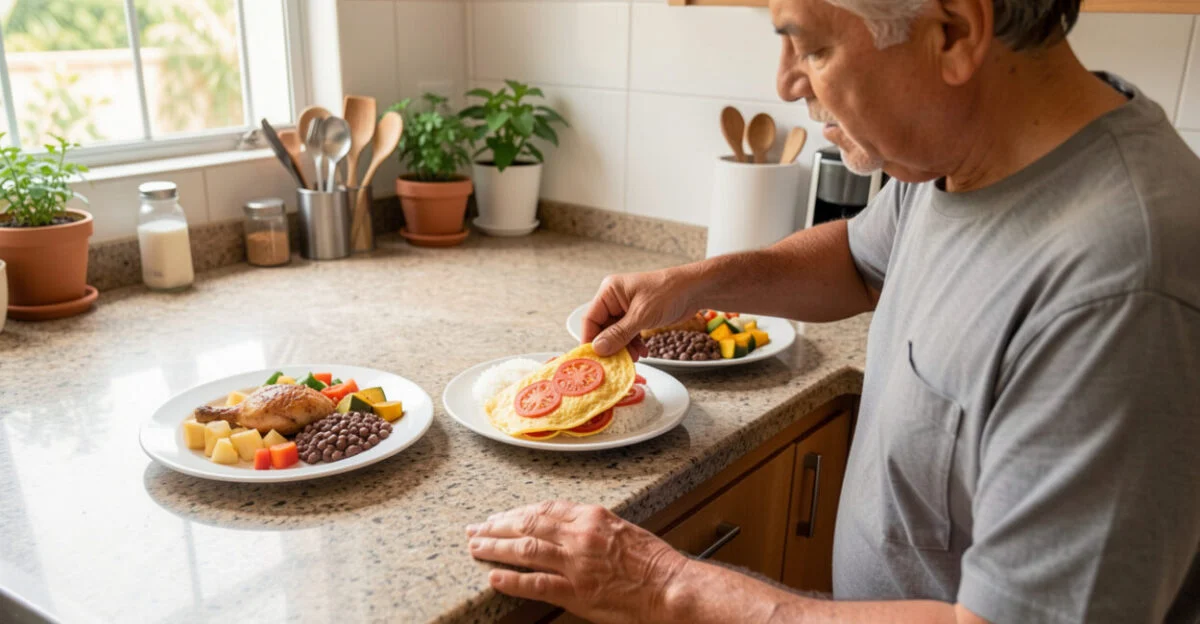
Switch up the protein and sides while keeping the structure simple: one protein, one grain or starchy vegetable, and other vegetables. That way, a simple homemade meal can have a different flavor without requiring a long ingredient list.
- Chicken: Roast thighs with potatoes or sauté shredded chicken with vegetables. Use leftovers in a savory pie or as a filling, as long as they’ve been stored safely.
- Beef: Cook ground beef with squash or sauté strips with onions. To keep costs down, serve it with beans, rice, and a seasonal vegetable.
- Eggs: An omelet, scrambled eggs with tomatoes, or a hard-boiled egg can make a meal when the pantry is running low.
- Pasta and vegetables: Pair pasta with tomato sauce, peas, or zucchini; use cooked vegetables in soup or a sauté.
An easy meal can also be planned to make enough for more than one sitting, but using leftovers depends on proper cooling and storage. Put portions in clean, sealed containers and follow the applicable food storage guidelines.
How can you plan a balanced, budget-friendly homemade menu?
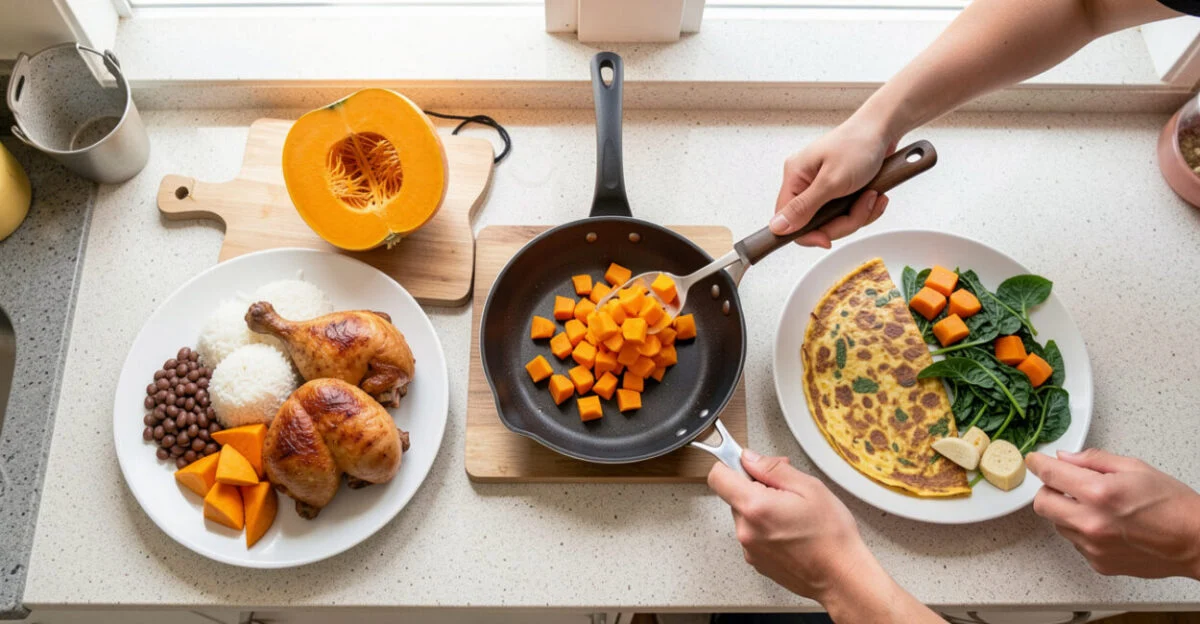
Build your menu around foods that are affordable in your area, and vary the colors, textures, and protein sources. You don’t need a different dish every day: using the same ingredients in different ways reduces waste and makes shopping easier.
Dish Side Possible substitute Roast chicken Rice and carrots Potatoes or squash instead of carrots Sautéed ground beef Beans and collard greens Lentils or another available leafy green Vegetable omelet Salad and cassava Sweet potato or rice Pasta with tomato sauce Sautéed zucchini Eggplant or another seasonal vegetable Baked fish Rice and vegetables Whatever fish is available at the best price from a reliable source
How much you save depends on local prices, seasonal availability, and how well you use each ingredient. A menu that works in one town may be expensive in another. Before you finish your shopping list, check what’s already in the pantry and plan different ways to use the same items.
Is there a traditional Thursday dish, and how do you choose dinner each day?
There’s no universal Thursday dish. The choice depends on local customs, your routine, and what’s available. In some families, Thursday is pasta night; in others, it’s a chance to use safely stored leftovers or make a quick meal with eggs and vegetables.
When choosing a dish, consider how much time you have to cook, what needs to be used first, and whether anyone has dietary restrictions. If you’re looking for simple dinner ideas, follow a practical rule: on busy nights, choose eggs or a skillet meal; when you have more time, make soup, a roast, or a dish that will leave you with portions for the next day.
If you’re searching for “homemade food near me” or “homemade food in Porto Alegre,” check search and map services for options and reviews, since availability, menus, and hours vary by neighborhood and business. For meals from a home-style restaurant, also confirm ingredients, portion size, and delivery arrangements directly with the provider.
How can you assess demand for homemade food in your town?
Demand may be there when a clearly defined group regularly looks for meals and is willing to pay a price that covers your costs and labor. A dish’s popularity alone doesn’t prove the business will be viable. Test the idea with a short menu, advance orders, or a small pilot run, and measure orders and leftovers before projecting revenue.
First, decide whom you want to serve: workers looking for lunch, families ordering meals, people with dietary restrictions, or customers looking for treats for events. Then compare formats, such as made-to-order meal boxes, frozen meals, cakes and savory snacks, or cooking in a customer’s home. Each option calls for a different production schedule, packaging, and logistics.
Getting started checklist
- Define a target audience and an occasion for eating.
- Talk to potential customers and track actual orders, not just compliments.
- Test a few dishes with set portions and pickup or delivery times.
- Record ingredient, packaging, gas, delivery, and waste costs.
- Make sure your kitchen can handle the volume without compromising hygiene.
- Ask your municipal health surveillance agency, Vigilância Sanitária, about local licenses and requirements.
A common mistake is accepting too many orders before figuring out how long preparation takes. This often happens because people count only cooking time and forget shopping, prep work, packaging, cleanup, and delivery. Keeping the initial menu small helps you identify your real capacity.
To test your idea without taking a big financial risk, try business validation methods like those discussed in ways to test ideas before investing. You can start promoting your food through local channels and word of mouth, with clear information about your service area, order deadlines, and payment methods. See also strategies for attracting customers to a local business.
How much should you charge to cook in someone’s home, and what precautions should you take?
The cost of cooking in someone’s home varies by city, number of meals, time required, menu planning, shopping, and whether cleanup is included. There’s no single reliable price. Put the scope of the service in writing and clarify whether ingredients, transportation, and packaging are covered by the customer or the cook.
When selling meals, add up the cost of ingredients, packaging, gas or electricity, payment processing fees, delivery, and waste. Include the value of your own labor, too. For example, if a batch costs R$ 1,000 in total and yields 100 sellable portions, the average cost is R$ 10 per portion. That’s not the final price, though, because it doesn’t yet include profit margin, applicable taxes, or any expenses left out of the calculation.
Calculating cost per portion helps you avoid setting prices based only on what competitors charge. For help organizing the numbers, see guidance on pricing products and services and track income and expenses with a cash flow tracker.
For food safety, Brazil’s RDC Anvisa No. 216/2004—a Brazilian health regulation—sets good practices for food service, including hygiene, preparation, storage, and display. Consult the text of RDC Anvisa No. 216/2004 and guidance from your municipality’s Vigilância Sanitária, Brazil’s local health surveillance agency. Licensing and enforcement requirements may vary by activity and local law. Sebrae, Brazil’s small-business support service, also offers food business resources that can help you plan operations and management.
For prepared meals, controlling time and temperature is part of the process, not a last-minute detail. Don’t leave perishable foods unrefrigerated for extended periods, and organize your workflow so raw ingredients don’t contaminate ready-to-eat foods. Follow the specific guidance in the applicable regulations and from your local health authority.
Question Short answer What is homemade food? Everyday-style food prepared in small batches; the term doesn’t replace food safety precautions. What can I make for a quick dinner? An omelet, pasta with vegetables, or rice and beans with an egg are adaptable options. Is there a traditional Thursday dish? No. Choose based on local customs, the time you have, and the ingredients available. How can I test selling food? Start with a few dishes and pilot orders, and track costs, demand, and leftovers. How do I set prices? Add direct costs and expenses, pay yourself for your labor, and then set your profit margin.
Your next step depends on your goal: if you’re cooking at home, choose a dish that uses what you already have; if you’re planning to sell, run a small pilot batch and track orders, time, costs, and waste. Before taking regular orders, confirm the requirements with your municipal health surveillance agency, Vigilância Sanitária.
Frequently asked questions
How should I store dinner leftovers?
Put leftovers in clean, sealed containers and refrigerate perishable foods promptly. How long they can be stored safely depends on the food and the conditions under which it was prepared and stored, so follow the applicable food safety guidance.
How can I adapt a meal for someone who doesn’t eat meat?
Beans, lentils, chickpeas, eggs, and cheese can make up meatless meals, depending on the person’s preferences and dietary restrictions. If they have an allergy or a medical dietary need, confirm the ingredients and the risk of cross-contact.
Can I start selling food by advance order only?
Yes. Advance orders help you plan quantities and reduce leftovers, but you’ll still need to stay organized, follow hygiene practices, use suitable packaging, and check municipal rules. Set an order deadline and a production limit before you start promoting your food.
What should a meal box menu include?
List the dishes, sides, approximate portion size or weight, price, order deadline, and delivery area. Flag ingredients that may matter for allergies or dietary restrictions, and don’t promise that there’s no cross-contact unless you can guarantee it.
How can I find out which dishes customers like?
Offer a few options and track what people actually buy, not just what they compliment. Compare repeat orders, leftovers, and preparation time before expanding the menu.
Artigos Relacionados
 Solar Energy for Small Businesses: When Is It Worth It?
 Sustainable Packaging for Small Businesses: Is It Worth It?
 How to Protect Small Businesses From Digital Scams
 ESG Indicators for Small Businesses: How to Measure Impact
 Green Marketing for Small Brands: What Works and What Doesn’t
 Green Entrepreneurship for Small Businesses