
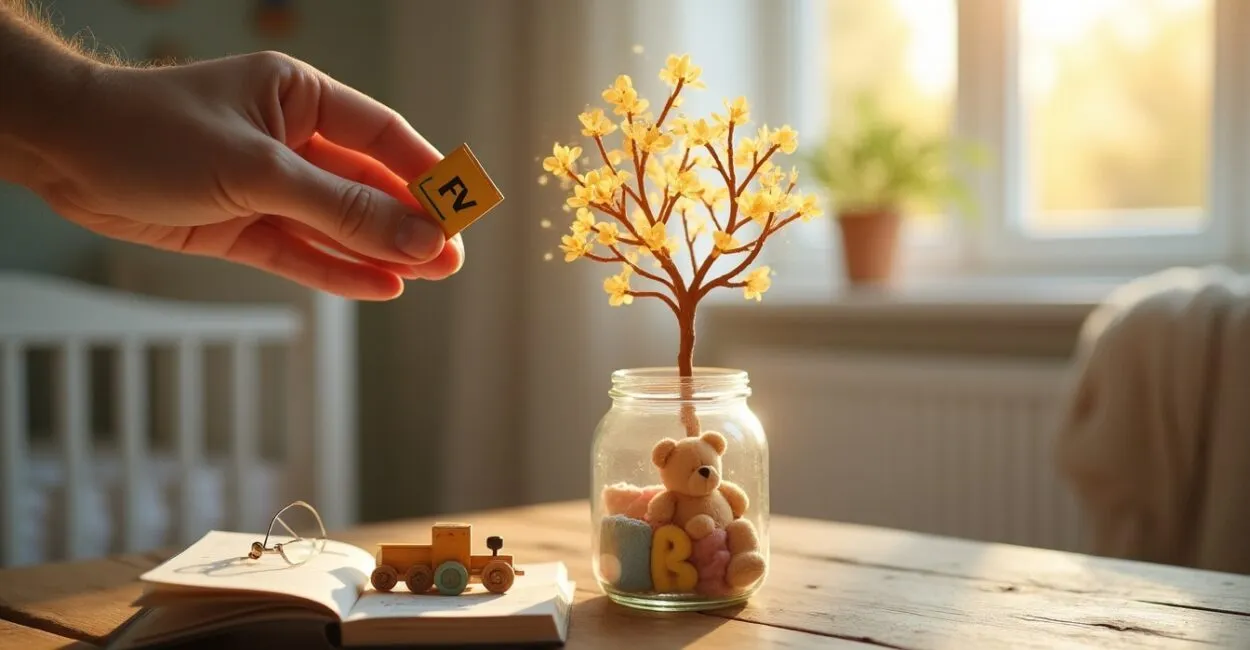
Children’s memory refers to the cognitive processes that allow children to encode, store, and retrieve information as they develop. It includes working, episodic, and procedural memory, all of which are essential for school learning and socialization.
The quality of children’s memory influences language acquisition, math skills, and social abilities. Genetic and environmental factors, as well as early stimulation, shape memory development from the first years of life and affect future performance.

Key Takeaways
- Children’s memory involves multiple cognitive subsystems.
- Appropriate stimulation improves retention and recall.
- Targeted interventions can help prevent deficits.
- Environment and sleep are crucial for consolidation.
Memory Development in Early Childhood
Developmental Milestones and Children’s Memory
During the first years of life, children’s memory matures rapidly as a result of synaptogenesis and neural pruning. These structural changes lead to better retention and more complex declarative memories.
- Children are especially sensitive to their environment during the first 3 years.
- Secure emotional bonds support memory consolidation.
- Play-based stimulation accelerates memory development.
Repetitive activities tied to meaningful contexts support memorization. Responsive caregiving combined with structured play creates an ideal setting for forming lasting memories.
Factors That Influence Consolidation
Sleep, nutrition, and stress levels affect memory consolidation in children. REM and deep sleep support the synaptic reorganization needed to stabilize new information. Nutritional deficiencies and toxic stress can interfere with consolidation. Public health and education programs play a critical role in mitigating these risks.
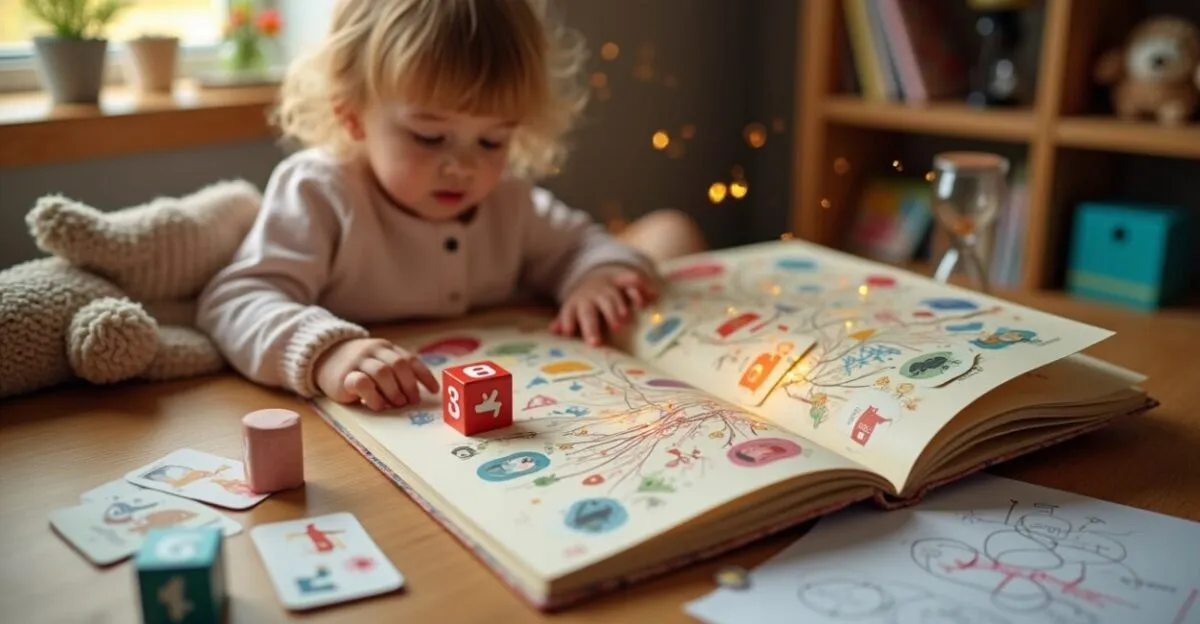
Practical Strategies for Training Children’s Memory
Playful Exercises and Children’s Memory
Repetition games, rhymes, and songs strengthen associative networks in children’s memory. Spaced repetition through playful activities promotes retention without causing cognitive fatigue.
- Memory games with illustrated cards.
- Sing and act out familiar stories.
- Movement sequences and rhythmic patterns.
These activities combine meaning and emotion, supporting authentic learning. A playful structure keeps children motivated and makes them more likely to use the strategies they have learned intentionally.
Study Strategies Tailored to Different Ages
Breaking tasks into short chunks, using images, and asking children to summarize aloud are effective strategies for supporting memory. Adjusting activities to a child’s age improves efficiency and reduces frustration. For school-age children, self-explanation techniques and simple mind maps can improve retention. Systematic progress tracking allows for precise instructional adjustments.
Assessing and Diagnosing Children’s Memory

Clinical and School-Based Assessment Tools
Combining standardized assessments with naturalistic observation allows for accurate evaluation of children’s memory. Working and episodic memory tests provide complementary views of a child’s functional profile.
- Standardized memory scales.
- Clinical neuropsychological assessment.
- School reports and interviews with caregivers.
Considering all findings together helps prevent misdiagnosis. Professionals should interpret results in light of the child’s developmental history and circumstances to plan appropriate interventions.
When to Seek Specialized Support
Persistent forgetfulness, difficulty learning routines, and academic delays are reasons to seek an evaluation. Early interventions for children’s memory can reduce negative effects over time. Referrals to neuropsychology and occupational therapy can help guide individualized programs. Intervention plans may combine cognitive training, environmental adjustments, and family support.
Leia também: Literacy Difficulties and Early Intervention: How to Identify Them
Activities for Different Types of Memory
Working Memory Training for Children
Activities that require temporarily holding and manipulating information strengthen working memory. Active listening games and arranging objects in a new order are practical, effective examples.
- Number and color sequences.
- Games that ask children to reverse the order of items.
- Multistep activities with simple rules.
Gradually increasing the difficulty helps children hold and manipulate more information. Incorporating school-related goals into activities helps children apply their skills in other settings.
Stimulating Episodic and Autobiographical Memory
Talking about daily routines, looking at family photos, and sharing stories tied to specific contexts help consolidate episodic memories. Guided retelling puts events in chronological order and strengthens autobiographical memories.
Read also: Effective Brain Stimulation in Early Childhood Education
Activities that encourage storytelling build vocabulary and a sense of time. These strategies also support emotional regulation and a developing sense of identity.
Resources and Technology to Support Children’s Memory
Apps and Digital Tools
Well-designed educational apps can complement memory training by offering spaced repetition and adaptive feedback. Choosing evidence-based programs is essential for effectiveness. Moderate use and adult guidance help reduce distractions. Combining digital activities with offline practice maximizes the transfer of gains to real-world settings.
Recommended Hands-On Learning Materials
Picture cards, puzzles, and board games provide rich sensory experiences that support memorization. Hands-on materials are often more effective for preschool-age children. Pairing materials with stories and routines builds strong associations. Teachers and caregivers can adapt simple resources to support specific memory goals.
Public Policy, Families, and Education
How Public Policy Can Promote Children’s Memory Development
Nutrition programs, high-quality early childhood education, and mental health services support children’s memory development on a broad scale. Coordinated policies reduce disparities in access to essential stimulation. Investing in teacher training and children’s health services increases their impact. Evidence from organizations such as UNICEF and universities shows the social benefits of these initiatives.
Family Strategies and the Home Environment
Consistent routines, shared reading, and balanced nutrition support the neural processes involved in children’s memory. Emotional support is also essential for learning in a safe, encouraging environment. Families can use simple daily practices, such as playful repetition and talking through recent events. These habits build a strong foundation for academic and social development.
| Type of Memory | Recommended Activity | Target Age |
|---|---|---|
| Working Memory | Sequences with cards | 4–10 years |
| Episodic Memory | Photo album and storytelling | 3–8 years |
| Procedural Memory | Routines and movement games | 2–7 years |
The table compares memory types, activities, and suggested age ranges, helping parents and professionals choose appropriate interventions. Adjustments may be needed to suit each child’s individual profile.
Evaluating Results and Maintaining Progress
Tracking Progress in Children’s Memory
Regular records and qualitative assessments help measure the effectiveness of interventions. Functional indicators include improvements in schoolwork, daily routines, and a child’s confidence. Ongoing adjustments refine techniques and help maintain gains over time. Involving both school and family creates consistency in the learning environment and makes results more sustainable.
Long-Term Planning
Programs should include reassessments every six months and progressive goals to reinforce skills. Over time, well-designed interventions can reduce the need for intensive support later on. Focusing on independence and applying strategies in different settings helps children carry their skills into new learning situations. Professionals should document progress to inform educational and clinical decisions.
For more information on protocols and scientific evidence related to children’s memory, consult resources on health and education from recognized organizations such as UNICEF, as well as university research publications. Information about public policies is available on the Gov Portal, Brazil’s official government website.
| Intervention | Evidence | Expected Benefit |
|---|---|---|
| Working memory training | Controlled trials | Improved attention and learning |
| Shared reading | Meta-analyses | Expanded vocabulary and stronger episodic memory |
| Sleep routines | Longitudinal studies | Improved consolidation |
The second table summarizes evidence and expected benefits for common interventions. Choosing data-based strategies increases the likelihood of success and makes better use of educational resources.
Conclusion
Investing in practices and policies that promote children’s memory is essential for effective learning and healthy development. Well-planned, coordinated interventions help children reach their cognitive potential. Professionals and families should work together, monitor results, and adjust strategies to meet individual needs. Combining science, practice, and care creates the conditions for strong memories and healthy social and emotional functioning.
Frequently Asked Questions
What Is Children’s Memory, and How Is It Different from Adult Memory?
Children’s memory includes developing systems such as working, episodic, and procedural memory. Unlike adult memory, it depends heavily on neural maturation and the environment, and it is more plastic. Children can learn quickly but benefit from repetition and emotional context. Early interventions can shape developmental trajectories, reduce the risk of deficits, and promote adaptive skills that last throughout school and social life.
What Daily Activities Are Most Effective for Training Children’s Memory?
Activities that combine spaced repetition, multiple modes of learning, and meaning—such as shared reading, sequencing games, and acting out stories—are effective. Adding movement and music can improve retention. It is important to vary activities and avoid overload. Adult participation, consistent feedback, and positive reinforcement increase engagement and make it more likely that children will use these strategies at school and in everyday situations.
When Should I Seek a Professional Evaluation for Memory Difficulties?
Seek an evaluation if persistent forgetfulness interferes with routines or learning, or if a child loses previously acquired skills. Signs include difficulty following simple instructions, forgetting familiar routines, and doing worse at school than expected for no apparent reason. A multidisciplinary neuropsychological assessment can identify cognitive profiles and co-occurring conditions, then guide personalized interventions to improve children’s memory and everyday functioning.
How Can Schools Support Children’s Memory Development?
Schools can make instructional adjustments such as breaking tasks into smaller parts, using visual materials, reviewing information regularly, and teaching through multiple modes. Training teachers in strategies that support memory can improve instruction. Collaboration between families and schools, ongoing monitoring, and individualized intervention plans promote consistency. School policies that prioritize sleep, nutrition, and a safe emotional environment can also improve outcomes.
What Are the Risks of Relying Too Much on Technology to Train Children’s Memory?
Too much screen time can reduce time spent on social interaction and physical activity, both of which are essential for consolidation. Apps should be used as a supplement, with supervision and clear limits. Risks include distraction, fragmented stimulation, and difficulty applying skills in real-world settings. Choosing evidence-based tools, combining digital activities with in-person practice, and building in breaks can support effective use and help children benefit safely.
Artigos Relacionados
 Entrepreneurship for Young Children: Early Childhood Activities
 Extracurricular Activities for Social-Emotional Development at School
 Creative Extracurricular Activities for Five-Year-Olds
 Supporting Emergent Literacy Through Playful Classroom Activities
 Preschool Activities That Build Social Skills Every Day
 Interactive Lessons: Activities and Teaching Resources
