Have you ever imagined turning your interactive lessons into memorable experiences that spark curiosity and genuine student engagement? Interactive lessons go beyond the whiteboard: they’re conversations, experiments, and shared excitement.
Today, schools and teachers need effective teaching methods, multimedia resources, and classroom activities to increase engagement, participation, and active learning. This article shares practical strategies, digital tools, and activities that work in the classroom. You’ll discover immediate ways to plan activities, use technologies such as quizzes, videos, and gamification, and assess learning formatively to keep students motivated and engaged.

Why Investing in Interactive Lessons Transforms Learning
The impact of interactive lessons is profound: they increase engagement, collaboration, and retention. Active interaction makes content meaningful and easier to recall.
Emotional and Cognitive Engagement
Activities that evoke emotions create strong memories and motivate participation. An emotional connection helps students understand the material and sparks their curiosity. Use stories, real-world scenarios, and open-ended questions to encourage reflection. Emotion connects the content to students’ lives.
Active Learning and Formative Assessment
Interactive lessons promote active learning through ongoing feedback. Formative assessments guide the process and let you quickly adjust your teaching approach. Include quick check-ins and self-assessments. Immediate feedback builds independence and improves performance on summative assessments.
Engaging Activities for Different Grade Levels and Subjects
Choosing the right activities encourages participation and a variety of interactions. Select activities that connect theory and practice while fostering collaboration and critical thinking.
Collaborative Activities
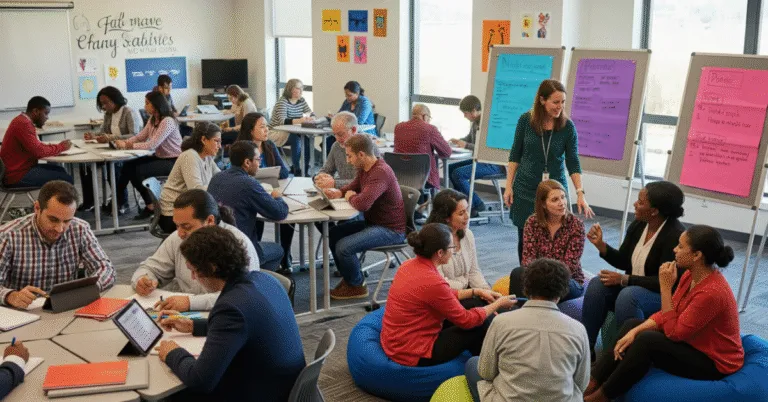
Pair work and short group projects encourage speaking, argumentation, and collaborative problem-solving. They build students’ communication skills and shared responsibility. Assign rotating roles and set clear goals for each group. This keeps students focused and organized while encouraging high levels of participation.
Quick, Gamified Activities
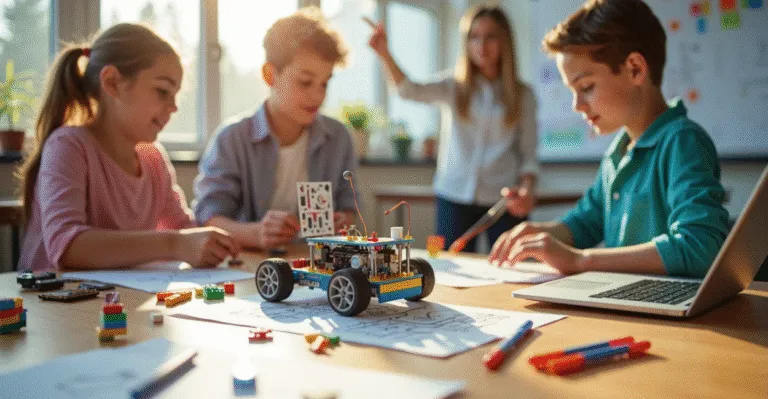
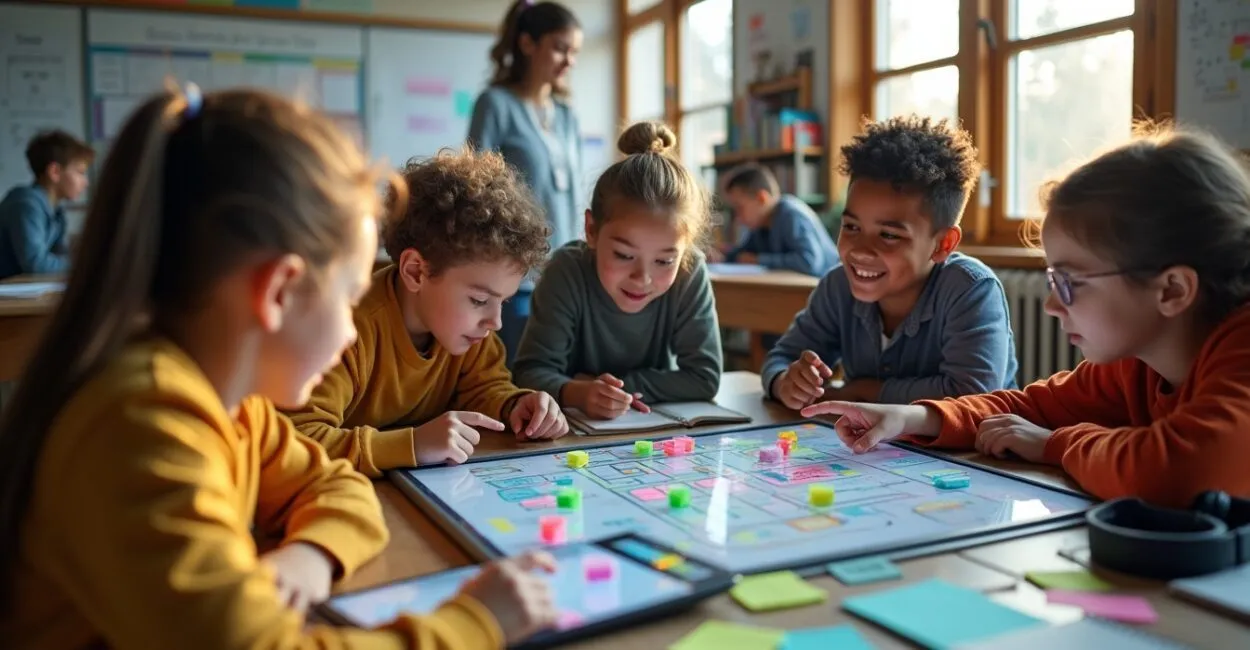
Quizzes, timed challenges, and games add healthy competition and motivation. Gamification boosts retention and engagement without sacrificing academic rigor. Adjust scoring to encourage cooperation. Add digital badges and small rewards to recognize effort and progress.
- Role-playing for debates and real-world scenarios
- Collaborative mind maps created in real time
- Quick quiz with immediate feedback
Essential Multimedia Resources for More Dynamic Lessons

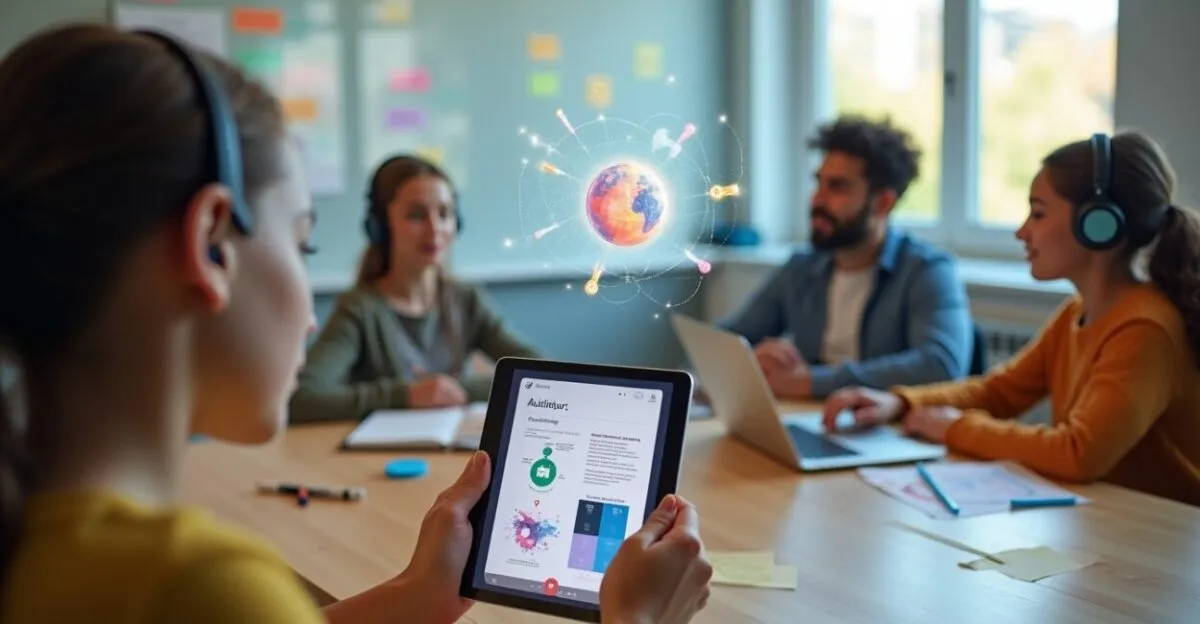
Multimedia resources expand your options: short videos, infographics, simulations, and augmented reality make content tangible and engaging for different learning styles.
Videos and Microlearning
Short instructional videos help students prepare in advance and review material. Microlearning makes it easy to revisit content and practice at spaced intervals. Create 3–5-minute videos focused on a single concept. Include questions to prompt reflection before class.
Interactive Tools and Platforms
Platforms with quizzes, polls, and collaborative boards turn passive audiences into active participants. Digital tools give students more ways to contribute. Pair these platforms with mobile devices. Let students contribute at the same time and see results in real time.
Practical Planning: From Learning Objectives to Implementation
Planning interactive lessons means setting clear objectives, choosing appropriate activities, and selecting multimedia resources that support active learning and assessment.
Set Objectives and Success Indicators
Well-written objectives guide your choice of activities and assessments. Clear indicators show when students have achieved the expected outcomes. Use observable, measurable verbs. Plan activities that reveal concrete evidence of learning.
Structure the Lesson Sequence
Organize the opening, main activities, and wrap-up with changes in pace and interaction. Include time for synthesis and formative feedback. Alternate brief instruction, guided practice, and collaborative activities. Keep transitions quick to maintain students’ attention.
| Stage | Objective | Example resource |
|---|---|---|
| Warm-up | Activate prior knowledge | Live poll (Kahoot, Mentimeter) |
| Exploration | Explore and apply concepts | Short video and simulation |
| Practice | Build skills | Collaborative breakout room activity |
| Wrap-up | Formative assessment | Quick quiz and self-assessment |

Educational Technology and Gamification Techniques
Educational technology encourages participation through instant feedback, personalization, and multimodal resources. Gamification promotes persistence and ongoing engagement.
Integrating Platforms and Devices
Use platforms that support polls, whiteboards, and quizzes. Simple integrations improve accessibility and make tools faster to use in class. Choose tools that work with mobile devices. Prioritize solutions that don’t require high bandwidth.
Game Elements You Can Use
Challenges, levels, and rewards sustain motivation. Use storytelling to create a narrative that supports students’ progress.
Prioritize clear goals: award points for effort, badges for collaboration, and make progress visible to everyone.
- Use points and badges to recognize progress
- Set weekly challenges with clear goals
- Encourage friendly team competitions
Assessment and Feedback That Strengthen Participation
Formative assessments and ongoing feedback turn mistakes into opportunities and keep the conversation going with students. Feedback fuels improvement.
Immediate, Corrective Feedback
Quick feedback helps students get back on track and reinforces what they’re doing well. Use direct comments and practical next steps to support growth.
Combine individual and group feedback. Metacognitive activities help students understand their own learning process.
Measuring Engagement and Learning
Use indicators such as participation, completed assignments, and quiz performance to assess genuine engagement. Data can guide instructional interventions.
Track progress in digital portfolios and assess skills beyond subject knowledge, such as communication and collaboration.
- Set clear learning and behavior goals.
- Use short activities with immediate checks for understanding.
- Record evidence and provide constructive feedback.
- Adjust the lesson sequence based on students’ responses.
- Recognize progress and celebrate small wins.
Conclusion: The Transformative Power of Interactive Lessons
Interactive lessons aren’t just techniques; they’re deliberate choices to humanize teaching, increase participation, and make learning memorable. Bringing emotion and practice together creates real change.
By combining activities, multimedia resources, and formative assessment, you can turn classrooms into active, collaborative, and productive learning environments. Revisit the opening scenario and imagine the lasting impact on students’ learning journeys.
Frequently Asked Questions
How Can I Start Planning Interactive Lessons with Few Resources?
Start by setting clear objectives and choosing low-cost activities such as debates, pair work, and mind maps. Use students’ smartphones for free polls and create short videos with practical examples. Prioritize activities that require little preparation but ensure participation and immediate feedback, so you can adjust the pace based on the class’s response.
Which Digital Tools Are Most Effective for Encouraging Participation?
Simple tools such as Kahoot, Mentimeter, and Google Jamboard work well for polls, quizzes, and collaborative boards. They provide real-time feedback, support mobile devices, and integrate easily with platforms the school already uses, making them quick to adopt and helping increase engagement without technical complications.
How Can I Fairly Assess Learning in Interactive Lessons?
Combine formative assessments with practical evidence: portfolios, group projects, and diagnostic quizzes. Use clear rubrics for skills and share the criteria with students. Value progress, participation, and practical application, balancing summative grades with ongoing performance records and self-assessment.
How Can I Adapt Activities for Large Classes or Limited Resources?
In large classes, use breakout groups, quick routines, and rotating activities. Keep resources simple: paper, cards, and polls on students’ phones. Focus on brief activities and short feedback cycles to maintain attention and ensure participation without relying on extensive technology or specialized infrastructure.
What Evidence Shows That Interactive Lessons Are Effective?
Research indicates that active learning and formative feedback improve retention and academic performance. Education studies point to gains in engagement, critical thinking, and collaboration when interactive teaching methods are applied consistently and aligned with learning objectives.
Sources and recommended reading: Edutopia, UNESCO, and international education reports available from the OECD Education.