

Teacher skills are the set of pedagogical, social, and technical competencies educators use to plan, lead, and assess effective teaching and learning.
Context: In today’s educational environments, teacher skills involve adapting to technology, student diversity, and demand for student-centered learning. Developing these competencies affects quality, equity, and innovation in formal and informal education, making ongoing professional development and evidence-based assessment essential.

Key Takeaways
- Essential pedagogical and technology skills.
- The importance of communication and classroom management.
- Formative assessment and ongoing professional development.
Teacher Skills: Foundations and Definition
What Teacher Skills Mean
Teacher skills include planning, instructional facilitation, and assessment. They combine curriculum knowledge, teaching strategies, and the use of resources to promote meaningful learning among students with different needs and backgrounds. These competencies support sustainable classroom practices, guide instructional decisions, and contribute to measurable outcomes in academic performance and student engagement.
Foundational Competencies and Career Growth
New teachers should develop classroom management, clear learning objectives, and feedback techniques. Career growth involves refining instructional practice, integrating technology, and critically reflecting on teaching. Ongoing professional development and mentoring accelerate the development of teacher skills by encouraging evidence-based methods and adaptation to different educational settings.
Instructional Planning and Design
Curriculum Sequencing and Clear Objectives
A strong instructional plan sets measurable objectives, aligned activities, and success criteria. Sequencing supports cognitive growth and helps students learn at different paces. Documenting and revising plans based on evidence helps optimize time, resources, and assessment methods, improving the effectiveness of teacher skills in everyday practice.
Learning Resources and Technology
Integrating technology requires carefully selecting tools that enhance interaction and personalization. Digital platforms expand access and make it possible to track progress in real time. Choosing appropriate resources broadens the instructional toolkit and supports inclusive strategies, strengthening educators’ ability to teach in both hybrid and in-person settings.

Communication and Classroom Management

Clear Communication and Feedback
Effective communication includes accessible language, clear instructions, and formative feedback. Timely, specific feedback helps students adjust their performance and motivates continued improvement.
Mastering these practices is part of teacher skills because they influence classroom climate, student autonomy, and students’ ability to regulate their own learning.
Discipline, Routines, and Engagement
Establishing routines and shared expectations creates a predictable, safe environment. Active engagement strategies hold students’ attention and encourage meaningful participation.
Effective management requires balancing flexibility with consistency and using instructional interventions that prioritize inclusion and respect for individual differences.
Assessment and Learning Analysis
Formative and Summative Assessment
Formative assessment guides immediate interventions and ongoing development, while summative assessment provides a snapshot of performance. Both are essential for monitoring quality and using data to make decisions.
Using rubrics and validated assessment tools strengthens teacher skills by making assessment more transparent and aligned with learning objectives.
Using Data for Continuous Improvement
Analyzing results, attendance, and error patterns makes it possible to adjust instructional sequences. Data use supports corrective actions and targeted support strategies for at-risk groups.
Analytical tools and well-structured reports turn evidence into action plans, increasing the impact of instructional practices on student achievement.
Leia também: Geneticist: Career, Education, and Job Outlook
Diversity, Inclusion, and Differentiation
Curriculum Adaptation and Accessibility
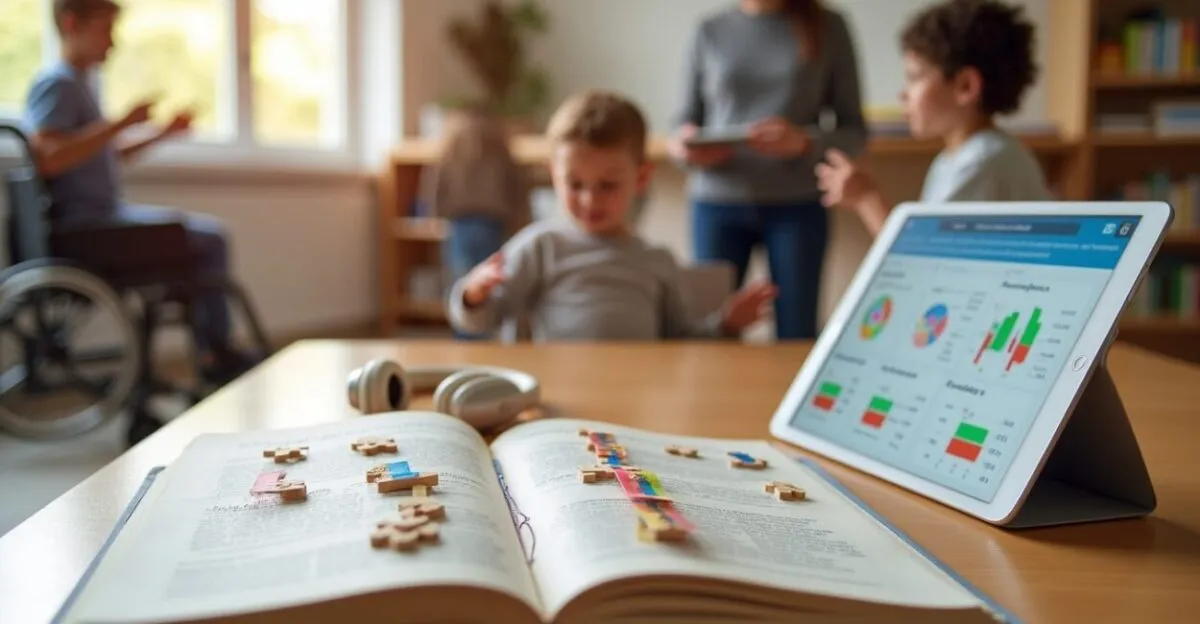
Differentiating content and assessments promotes equitable access. Accommodations and accessible resources address the needs of students with disabilities or language barriers.
Promoting inclusion is central to teacher skills because it involves universal design for learning and practices that value cultural and cognitive diversity.
Leia também: Infectious Disease Specialist: Essential in the Fight Against Infectious Diseases
Individualized Interventions and Adaptive Teaching
Individualized plans based on assessment support student progress. Adaptive teaching uses data to adjust difficulty and pace, offering personalized learning pathways.
These strategies improve instructional effectiveness and help each student reach their full potential within their social and educational context.
Professional Development and Leadership
Ongoing Training and Professional Communities
Building skills requires taking courses, reading, and participating in communities of practice. Peer collaboration supports innovation and spreads effective practices across schools and institutions.
Mentoring and peer observation speed the adoption of effective methods, strengthening school culture and teacher skills over the long term.
Instructional Leadership and Change Management
Instructional leaders guide the curriculum, promote professional development, and coordinate local policies. Managing change requires clear communication and the involvement of the entire school community.
Developing professionals as leaders strengthens the implementation of reforms and helps ensure improvements in educational practices are sustainable.
Tools, Practices, and Evidence
Active Learning Methods and Scientific Evidence
Active learning methods such as project-based learning (PBL), the flipped classroom, and collaborative learning boost engagement. Scientific evidence guides the selection of interventions with demonstrated impact.
Using applied research to inform instructional choices is essential for strengthening teacher skills and justifying innovative practices to stakeholders.
Institutional Resources and External Partnerships
Institutions that foster partnerships with universities, government education departments, and educational portals broaden educators’ technical knowledge and access to quality materials. Connecting with resources such as INEP (Brazil’s National Institute for Educational Studies and Research) and university content strengthens practice and informs local policies.
| Competency | Indicator | Impact |
|---|---|---|
| Planning | Aligned objectives | Higher learning rates |
| Assessment | Ongoing feedback | Improved performance |
| Communication | Clear instruction | Engagement |
- Using data to make decisions.
- Ongoing professional development and mentoring.
- Active inclusion and accessibility.
These practices summarize essential strategies; each highlights the need for institutional policies and routines that support continuous improvement in teacher skills.
Additional resources and international benchmarks offer implementation models; consulting trusted portals and research helps inform interventions with a greater chance of success. See analyses from major education websites and academic research as well.
For more in-depth guidance, consult guides and reports from government agencies and universities that synthesize evidence and recommended practices in education. Government and institutional websites are a good place to start.
Recommended reading and frameworks inform professional development and assessment policies, ensuring teacher skills are developed measurably and sustainably across school systems.
Frequently Asked Questions
What Teacher Skills Are Essential at the Start of a Career?
To get started, focus on clear planning, classroom management, communication, and formative assessment techniques. These teacher skills help you organize coherent lessons, maintain an environment conducive to learning, and provide feedback that supports progress. Investing in initial training and observing experienced teachers can speed up the development of these competencies. Basic digital tools can also extend your reach and help you monitor student progress, complementing traditional teaching practices.
How Can You Measure the Effectiveness of Teacher Skills in the Classroom?
Effectiveness can be measured through learning outcomes, student engagement, and feedback quality. Tools such as rubrics, diagnostic assessments, and longitudinal progress analyses provide evidence. Structured observations and teachers’ reflective self-assessments can also help identify areas for improvement. Data should be triangulated to understand the real impact of teacher skills while accounting for contextual factors such as facilities and institutional support.
Which Technologies Help Develop Teacher Skills?
Learning management systems, formative assessment tools, and collaborative environments can improve teaching practices. Analytics systems make it possible to track performance and personalize interventions. Multimedia tools enrich instruction and support a variety of strategies. By integrating these technologies, teachers broaden their toolkit and demonstrate results, strengthening teacher skills through data-informed practices and ongoing feedback.
How Can You Incorporate Inclusion and Differentiation into Daily Practice?
Adapt objectives, materials, and assessments to students’ needs; use accessible resources and individualized support strategies. Plan activities with varying levels of complexity and let students choose how to demonstrate their learning. Training and collaboration with inclusive education specialists can help structure effective interventions. These actions strengthen teacher skills by ensuring that all students have equitable opportunities to make progress.
What Institutional Resources Support the Ongoing Development of Teacher Skills?
Institutions can offer ongoing professional development programs, mentoring, communities of practice, and access to applied research. Partnerships with universities and government agencies expand training opportunities and provide reference materials. Administrative support for planning time and peer observation is essential. Policies that value professional development and monitoring support the growth of teacher skills throughout a teaching career.
Artigos Relacionados
 Math Teachers: Roles, Skills, and Challenges in Modern Education
 Ongoing Teacher Training: Empower Teachers Today
 Soft Skills in Teacher Education: More Than Technical Knowledge
 Continuing Professional Development: Options for Teachers
 Professional Mentoring: How to Choose the Right Mentor Today
 Data Careers for 2025: 6 Skills That Matter
