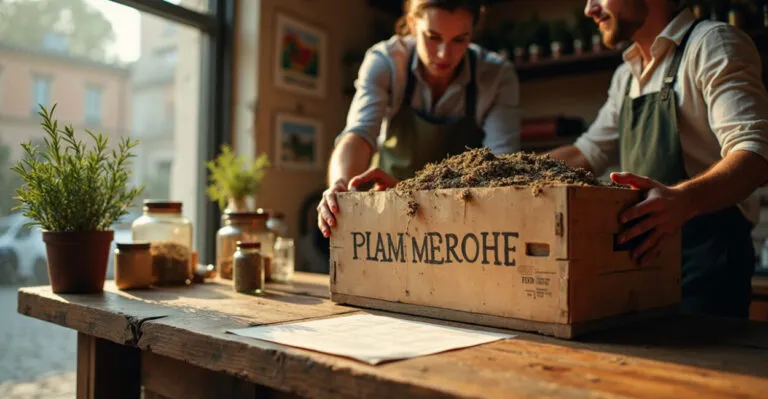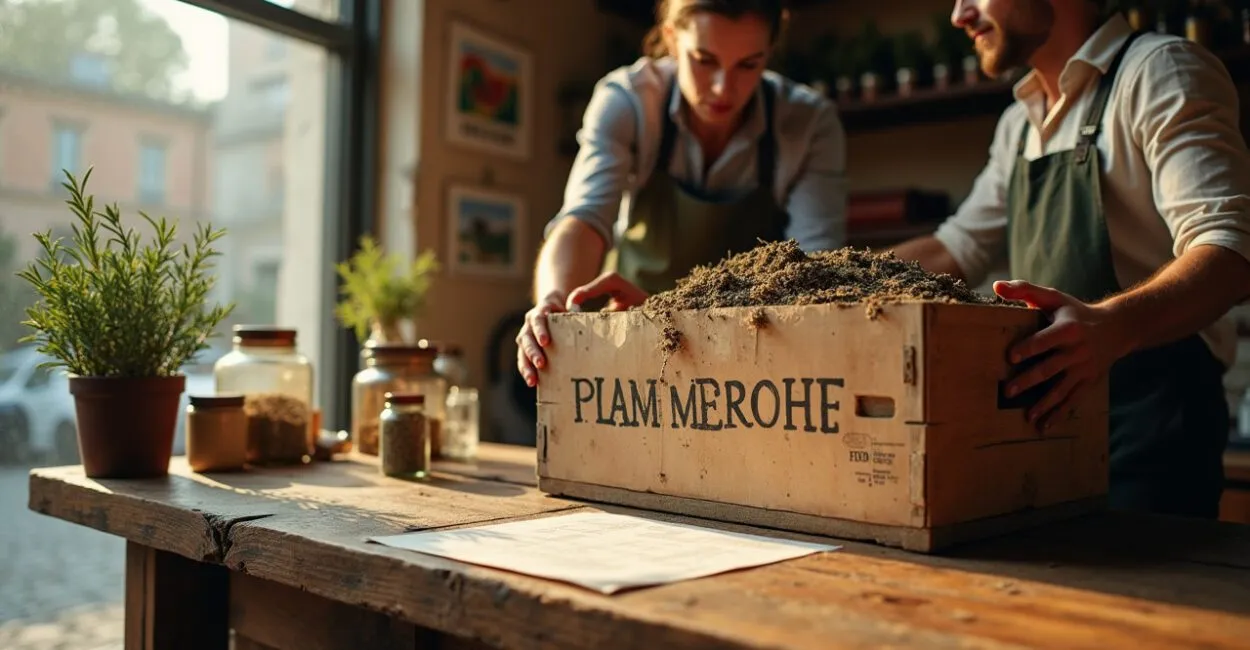
A delivery driver drops off a box with crumpled labels, and someone at the counter asks, “Where did this come from again?” The answer shapes its price, image, and future. Regional branding isn’t a marketing luxury—it’s the difference between selling in bulk and offering an experience that commands a better price. If you work with medicinal herbs, that opportunity is right in front of you, waiting to be tapped.
How to Turn Provenance Into a Certification That Sells
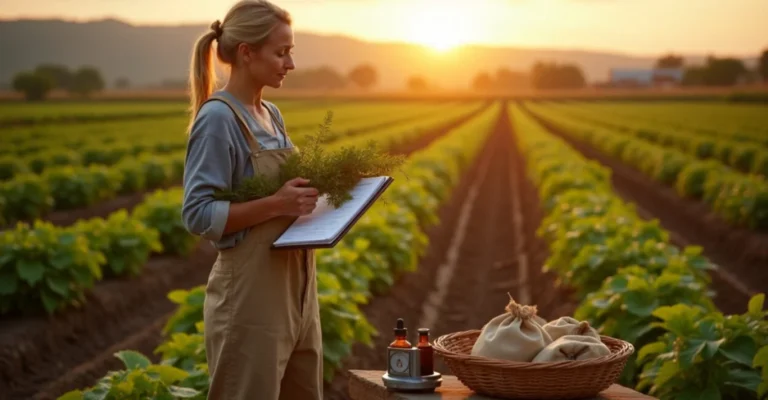
A well-designed certification can boost prices and build trust. It’s more than a seal: it’s proof of the soil, climate, and local knowledge behind the product. Start by mapping farms, documenting cultivation practices, and collecting lab test results. Then seek recognized certifications, whether organic, a Geographical Indication (a Brazilian designation that identifies products linked to a specific place), or a municipal seal. The seal should tell the plant’s story, not just confirm that it was grown without pesticides.

- Document batches and shipping routes.
- Link chemical analyses to specific batches.
- Use university labs to strengthen credibility.
Local Tours: Turn Customers Into Visitors and Brand Ambassadors
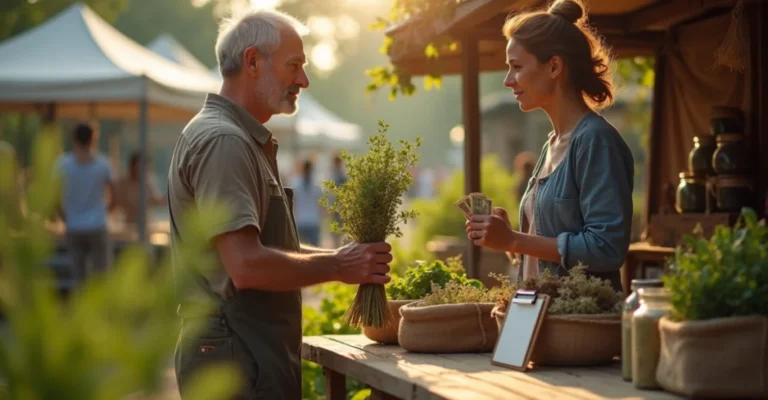
Taking buyers to see where a plant grows changes everything. Visitors taste it, experience its aroma, meet the grower, and head home with a story to tell. Local tours increase average order value and turn customers into brand advocates. Consider short harvest tours, tea-making workshops, and a café featuring regional products. These experiences make the product feel premium and encourage repeat sales.

Storytelling That Sells: Sell the Origin, Not Just the Plant

Not every label needs to be technical. Tell customers who tends the herb, how the climate shapes its aroma, and which local recipe uses it. Start with a sensory detail: “The lavender growing along X Creek has citrus notes.” Stories sell because they create meaning. Use real photos, short testimonials, and 30-second videos. Small details—like the picker’s name—make the product feel more authentic.
Pricing: From Costs to a Provenance Premium
Charging more takes strategy. Calculate your costs, add your margin, and then apply a provenance premium. That premium rests on three pillars: certification, experiences (tours), and storytelling. Show customers why the product is worth more. A quick comparison: an herb with no documented origin is a commodity; the same herb with certification, a tour, and a story becomes a gourmet product worth 2–4x as much.
Read also: Regional Medicinal Herbs: How to Grow and Sell Them
Common Mistakes That Undermine Perceived Value
A few missteps can wipe out all your investment in regional branding. Don’t confuse marketing with substance. Don’t fill labels with empty promises. Don’t claim a product’s origin without traceability. Don’t mix batches with different stories. Don’t assume customers are ready to pay more. And don’t hand your story to someone who doesn’t know the community.
- Claiming a Geographical Indication without going through the process.
- Using generic photos on the label.
- Failing to record batches and test results.
Value-Adding Business Models That Work Today
Some strategies can pay off quickly. A monthly subscription to regional teas, gift sets with cards telling the producer’s story, and partnerships with local spas are a few examples. Another option is B2B sales to premium retailers looking for products with verified provenance. Combine channels: pairing e-commerce with live sessions showing the harvest can boost conversions.
Read also: Why Local Agroecology Appeals to Young People and Offers a Path to the Future
| Model | Time to see returns | Initial investment |
|---|---|---|
| Subscription | 3–6 months | Medium |
| Tours | 6–12 months | High |
| B2B partnerships | 2–4 months | Low |
How to Measure Success Without Unnecessary Paperwork
Keep it simple. Track brand recognition, average price per unit, repeat purchase rate, and click-through rates on content about the product’s origin. One final indicator: How many customers ask, “Where did this come from?” If that question comes up more often, your regional branding is working. Also track qualitative measures, such as testimonials and local media coverage.
Here’s a surprising comparison: a standard batch and a batch with a Geographical Indication cost the same to produce, but the latter sells as a “destination product.” The expectation is higher sales; the reality is that, over time, the real winner is the producer who backs up the story with proof.
Here’s a short story: A cooperative brought 50 unlabeled jars to a farmers market. Before long, people were bringing back empty jars and asking where they could buy more. A few months later, after adding a label with the community’s name and photos of the fields, the same product was selling in urban shops for three times its original price.
According to the Brazilian Institute of Geography and Statistics (IBGE), stronger local supply chains increase regional incomes and trade. The IBGE notes that a strong connection to place is an economic asset. For certification methods and applied research, consult studies from universities and research centers such as Embrapa, Brazil’s agricultural research agency, which provides guidance on plant cultivation and certification.
Wrapping Up: A Simple Challenge
If you want your herbs to compete on more than price, choose an origin and explain why it matters. It’s more than a label: it’s a commitment to a place, its people, and its flavors. That’s regional branding—turning roots into a reputation. What’s the story behind your next harvest?
What Exactly Do You Need to Get an Origin Certification?
To get an origin certification, you need to map the supply chain: identify farms, record cultivation and storage practices, and document the shipping route. You’ll also commonly need to submit samples for lab testing to verify quality and chemical properties. In many cases, producers must meet the specific standards of the certification they choose and keep ongoing batch records. Requirements vary by certification, but all require transparency, traceability, and technical evidence to support the claimed origin.
How Can You Set Up a Local Tour With Little Upfront Cost?
Start small: offer one- to two-hour visits focused on sensory experiences and time with the grower. Use an existing space on the farm to host small groups and offer tastings. Partnerships with local guides and micro-influencers can help spread the word without a big budget. Charge a modest fee to cover costs and test demand. Invest in authentic photos and testimonials to share on social media. As interest grows, add paid workshops and longer experiences.
What Should You Include in Your Product Story?
A product story should include people (the grower and community), place (a sensory description of the microclimate), process (how the plant is grown and harvested), and use (local recipes or traditions). Small details build credibility: the picker’s name, harvest dates, and the field’s elevation. Avoid unnecessary technical jargon; use imagery customers can picture and feel. Include proof, too: certifications, test results, and real photos. A well-told story turns a product into a lasting memory and justifies a higher price.
How Can You Price a Provenance Premium Without Losing Customers?
Explain what the additional cost covers: certification, quality controls, contributions to the community, and related experiences such as workshops and tours. Offer choices: a basic version and a premium version with certification and the full story. Use small-scale A/B tests to fine-tune the price. Communicating value matters just as much as setting the price—when customers understand the sensory and social benefits, they’re more willing to pay extra. Always be transparent about what sets each version apart.
What Mistakes Can Undermine Credibility in Regional Branding?
The biggest mistakes are making claims you can’t prove, using generic images or stories, failing to track batches, and mixing products from different origins without saying so. Other pitfalls include using seals without documentation, handing the story to someone who doesn’t know the community, and leaving producers out of decisions. These missteps erode trust and undo the effort to add value. Prioritize transparency, recordkeeping, and independent verification to make regional branding sustainable and credible.