
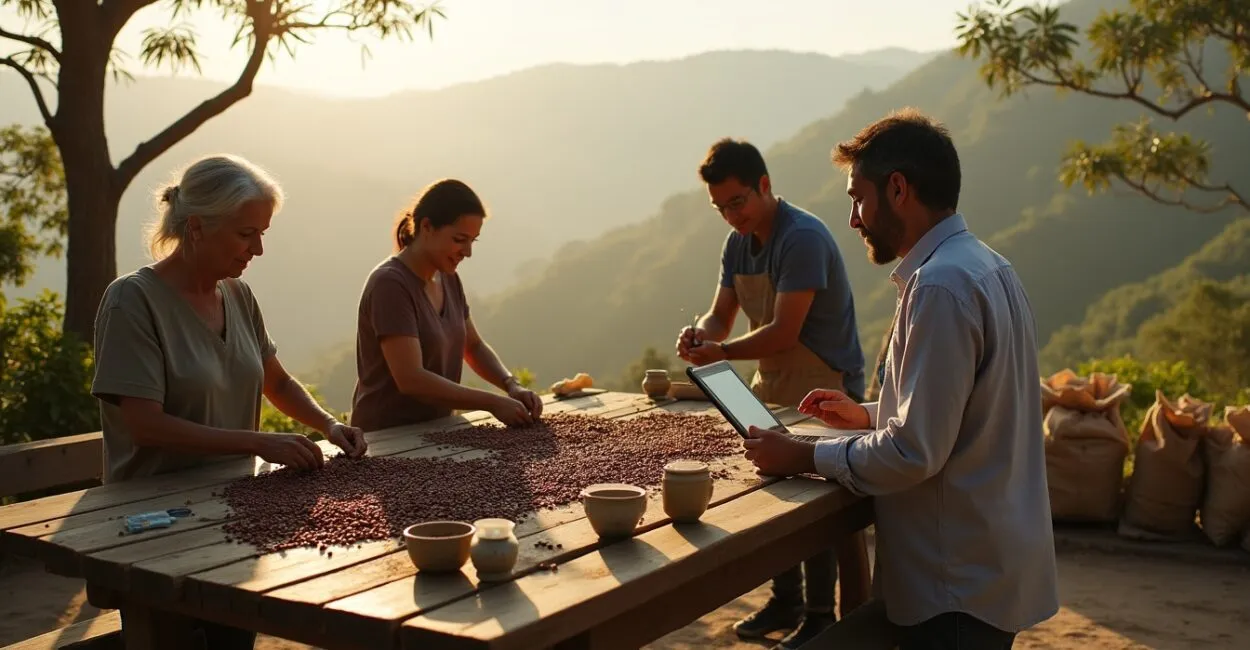
Specialty coffee is made from beans selected according to sensory and quality criteria that ensure high scores in tastings, a lack of defects, and distinctive characteristics tied to origin, processing, and cup profile. These qualities add value for producers and consumers.
In Minas Gerais, the term “Specialty Coffee” reflects growing practices, microclimates, and post-harvest selection methods that strengthen family farming, promote sustainability and shorter supply chains, and deliver significant socioeconomic benefits. This article explores how tradition and innovation are coming together in the state of Minas Gerais to help small-scale producers become market players. It covers agronomic techniques, certifications, fair trade, and ways to add value.

Key Takeaways
- A practical definition of specialty coffee and its sensory criteria.
- Impacts on family farming and technological innovation.
- Direct sales models and economic sustainability.
1. The Role of Specialty Coffee in Family Farming
The Specialty Coffee Market and Demand
The global specialty coffee market is growing, encouraging producers to invest in quality, traceability, and sustainable practices that raise prices per bag and strengthen rural incomes. Growing coffee for quality requires careful control of processing and ripeness, reducing losses and producing a more consistent cup—qualities valued by roasters and specialty coffee shops. Training programs and cooperatives expand market access, helping turn small lots into premium products with distinctive characteristics and a traceable origin story.
Logistics and Infrastructure for Specialty Coffee
Specialty coffee production depends on basic infrastructure: suitable dryers, dry storage facilities, and humidity control are essential to preserving quality after harvest. Investments in processing and certification raise upfront costs, but can pay off through higher prices and contracts with specialty buyers, making income more predictable. Partnerships with cooperatives and government programs streamline local logistics, cutting shipping costs and losses while strengthening the specialty coffee value chain.
Public Policies and Technical Support for Specialty Coffee
Public policies supporting specialty coffee include technical assistance, financing, and marketing support, encouraging the adoption of best practices and access to domestic and international markets. State and federal projects connect agricultural research with rural extension services, helping family farmers adopt integrated crop management and recommended practices for improving cup quality. Initiatives with universities and research centers accelerate technology transfer and help producers meet specialty coffee standards.
2. Agronomic Techniques for Producing Specialty Coffee
Soil Management and Varieties for Specialty Coffee
Choosing the right varieties, amending the soil, and providing balanced nutrition are essential to achieving the quality expected of specialty coffee, ensuring consistency and the desired sensory notes. Selecting varieties suited to Minas Gerais microclimates and using organic or integrated growing practices can improve pest resistance and produce a cleaner, more complex cup, adding value for producers. Crop rotation and green manure improve soil structure, moisture retention, and biodiversity, contributing to a more sustainable specialty coffee production system.
Selective Harvesting and Post-Harvest Processing of Specialty Coffee
Selectively harvesting cherries at the right stage of ripeness is crucial to specialty coffee quality. Uniform beans produce a more consistent sensory profile and score higher in tastings. After harvest, the processing method—natural, washed, or honey—shapes aroma and acidity, so careful control of drying and fermentation is essential. Properly calibrated solar and mechanical dryers, moisture monitoring, and controlled storage preserve the beans’ potential and prevent sensory defects.
Sustainable Practices for Specialty Coffee
Sustainable practices such as shade growing, integrated pest management, and water conservation build climate resilience and help family farms produce consistently high-quality specialty coffee. Environmental and social certifications add value and open access to niche markets, supporting premium prices and strengthening producers’ financial sustainability. Integrating agroforestry systems increases biodiversity and provides ecosystem services, reducing risks and supporting long-term specialty coffee quality.
3. Processing and Quality: From Farm to Cup

Processing Methods That Ensure Specialty Coffee Quality
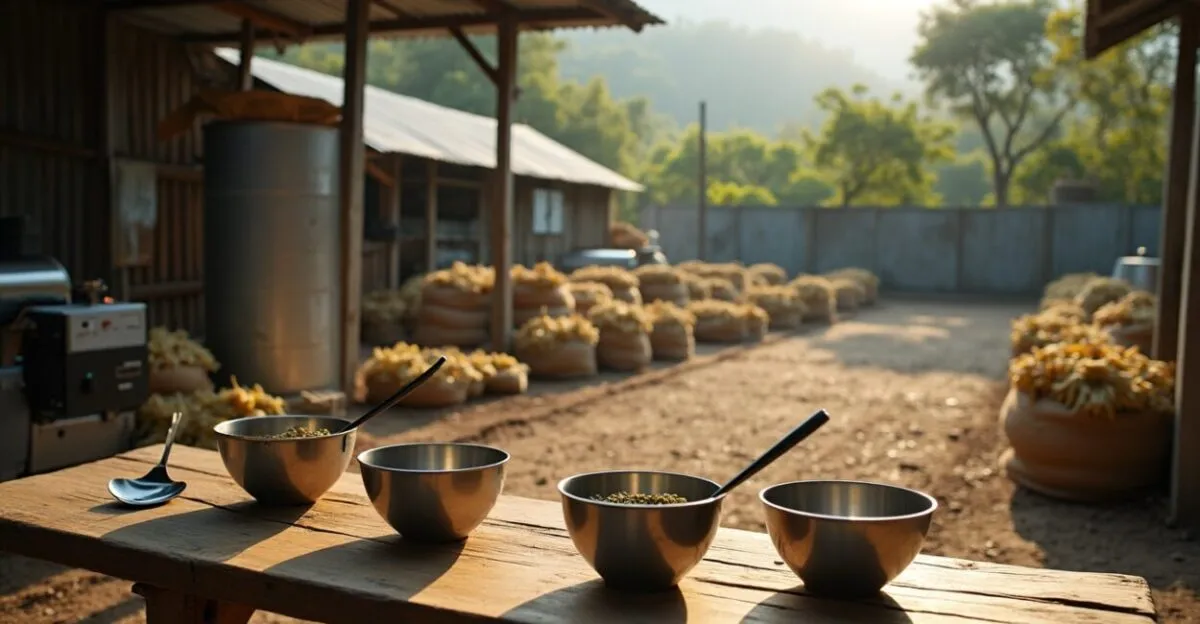
Post-harvest processing turns the fruit into ready-to-use green coffee. Steps such as depulping, controlled fermentation, and drying are key to having a lot recognized as specialty coffee. Standardized processes and quality protocols reduce variation from bag to bag, making certification easier and building buyer confidence in the specialty coffee on offer.
Investments in drying technology and moisture analysis make it easier to preserve the desired sensory qualities and protect the product’s added value.
Sensory Evaluation and Quality Control for Specialty Coffee
Coffee cupping follows a technical protocol to evaluate aroma, body, acidity, and flavor. The resulting score classifies a lot as specialty coffee and influences its price and market potential. Training local cuppers and establishing sensory labs at cooperatives help develop regional standards and strengthen confidence in producers’ brands.
Ongoing monitoring and records of sensory profiles make it possible to adjust processing practices, maintain consistency, and improve specialty coffee with every harvest.
Comparing Drying Methods and Their Effects
Sun drying, mechanical drying, and controlled chamber drying produce noticeable sensory differences. Each method affects sweetness, acidity, and body, shaping the coffee’s position in the specialty market. The choice depends on climate, production scale, and risk management; hybrid techniques often balance cost and quality for small-scale producers.
Monitoring temperature and humidity is critical to preventing unwanted fermentation that could compromise a coffee’s specialty classification.
4. Marketing and Business Models for Specialty Coffee
Direct Sales and Business Relationships for Specialty Coffee
Selling directly to roasters and coffee shops can increase profit margins and strengthen relationships with buyers, making specialty coffee an opportunity for family farms to add value. Long-term contracts and guaranteed-purchase programs encourage investment in quality, reduce uncertainty, and motivate practices that raise specialty coffee standards.
Read also: Family Agribusiness: Hidden Risks in Local Supply Chains
Digital platforms and specialty trade shows boost visibility and connect producers with premium markets, making specialty coffee easier to sell.
Certifications and Labels That Add Value to Specialty Coffee
Labels for origin, sustainability, and fair trade certify practices and build trust, helping specialty coffee reach niche markets where buyers are willing to pay more.
Read also: A Stronger Agriculture, a Sustainable Future: The 2026 Agrinho Essay Topic in Paraná
Certification involves audits and costs, but it can open up institutional and export markets, offsetting the initial investment for family farmers. Branding and storytelling about origin and processing increase perceived value and help distinguish specialty coffee at the point of sale.
Cooperative Models and Adding Value
Cooperatives and associations make it possible to pool lots, invest in shared infrastructure, and access technical services, strengthening specialty coffee’s market presence. Sharing knowledge and resources lowers individual costs and promotes more consistent quality standards—essential for maintaining the reputation of specialty coffee.
Cooperative models also make it easier to export collectively and take part in auctions and international events, expanding business opportunities.

5. Technological Innovation and Adding Value to Specialty Coffee
Digital Technologies for Specialty Coffee
Digital tools such as farm management apps, weather monitoring, and traceability systems improve efficiency and transparency, helping coffee earn recognition as specialty grade. Farm and post-harvest records make it possible to assess results and repeat successful practices, improving consistency from one harvest to the next and boosting product reliability.
Affordable technology gives small-scale producers access to better quality and enables them to enter markets that once required large-scale production, adding value to specialty coffee.
Processing Innovation and Sensory Experimentation
Experimenting with fermentation times, hybrid drying methods, and microbial controls can produce unique sensory profiles that distinguish specialty coffee lots. Local labs and partnerships with universities allow producers to test and certify new approaches, expanding the range of flavors available to the market.
Incremental improvements in processing create exclusivity and can justify premium prices for specialty coffee, encouraging applied research in coffee-growing communities.
Comparison Table: Processing Methods and Sensory Effects
| Method | Sensory Impact | Risk |
|---|---|---|
| Washed | Bright acidity, clean cup | Over-fermentation if poorly managed |
| Natural | Intense sweetness, full body | Higher risk of defects from uneven drying |
| Honey | Balance of sweetness and acidity | Requires moisture control on the fruit’s skin |
6. Marketing, Branding, and the Specialty Coffee Experience
The Story and Origin of Specialty Coffee
Stories about family, terroir, and sustainable practices build an emotional connection with consumers, distinguish specialty coffee, and justify higher prices at the point of sale. Marketing materials that highlight tasting notes, altitude, and microclimate help baristas and consumers recognize a lot’s added value.
Building a brand requires consistency across cup quality, packaging, and communication, establishing specialty coffee’s reputation in the market.
Omnichannel Distribution to Reach Consumers
Combining sales through brick-and-mortar stores, e-commerce, and coffee shop partnerships helps specialty coffee reach different types of consumers and encourages repeat purchases. Subscription programs and tasting kits invite customers to explore new coffees and build loyalty, while also providing predictable cash flow for producers and roasters.
Strategic partnerships with trusted sales channels boost visibility and position specialty coffee as a premium product for dedicated coffee drinkers.
Comparing Sales Channels
- Direct-to-consumer sales (e-commerce and subscriptions).
- Partnerships with coffee shops and specialty roasters.
- Exports and participation in specialty coffee auctions.
The analysis shows that diversifying sales channels reduces risk and maximizes returns. Each channel requires a pricing, packaging, and communications strategy to maintain specialty coffee’s premium image.
7. Challenges and Future Opportunities for Specialty Coffee from Minas Gerais
Climate Adaptation and Resilience for Specialty Coffee
Climate change makes variety selection, shade management, and water conservation essential to preserving specialty coffee production and quality in the decades ahead. Research and agricultural extension programs help producers adopt resilient practices, reduce the risk of losses, and maintain the sensory consistency the market demands.
Investing in climate forecasting technology and crop insurance can mitigate impacts and protect income from specialty coffee.
Financing and Access to Capital for Producers
Small-scale producers often face credit barriers when trying to invest in infrastructure essential to specialty coffee production, so innovative financing models are needed. Public-private partnerships and credit lines specifically for quality and sustainability can help fund processing equipment and certifications.
Crowdfunding and impact investment funds offer new sources of capital to expand specialty coffee production without compromising family farms’ independence.
International Collaboration and Positioning Specialty Coffee
Exchanges with roasters and participation in international competitions raise the profile of specialty coffee from Minas Gerais and attract buyers willing to invest in microlots. Technical cooperation networks with international organizations foster innovation and access to premium markets, strengthening local family farming.
Coordinated promotion of origin and quality contributes to a strong global image, increasing demand for specialty coffee and creating opportunities for local producers. Industry research and technical guidelines can also inform policies and practices. Visit the Ministry of Agriculture website for technical information on support programs and agricultural research.
For information on quality standards and certification, consult resources from universities and leading specialty websites that cover sensory evaluation, processing, and marketing. Useful links: the Ministry of Agriculture and Embrapa, Brazil’s agricultural research corporation, are good starting points for applied research and technical support.
Frequently Asked Questions
What Makes a Coffee a Specialty Coffee?
The term “specialty coffee” refers to beans that earn high scores in professional sensory evaluations, are uniform and free of defects, and have distinctive cup characteristics tied to their origin, processing, and aroma profile. These qualities result from careful management from the farm through processing, along with traceability and quality control that justify a higher market price.
How Can Small-Scale Producers Access Specialty Coffee Markets?
Small-scale producers can access specialty coffee markets through cooperatives, direct sales to roasters, trade shows, digital platforms, and training programs. Purchase contracts and partnerships with specialty buyers provide reliable volume and pricing, while certifications and origin storytelling make products more appealing to consumers and premium sales channels.
Which Post-Harvest Practices Are Essential for Specialty Coffee?
Essential practices include selective harvesting, careful control of drying and moisture, appropriate processing (washed, natural, or honey), controlled fermentation when used, and storage in dry conditions. Each step directly affects the sensory profile, reducing defects and preserving the qualities that define a specialty coffee lot.
Which Investments Should Specialty Coffee Producers Prioritize?
Priority investments include drying and storage infrastructure, processing equipment, training in crop management and quality control, and traceability tools. Marketing, suitable packaging, and certifications may also require upfront capital, but they are essential to capturing specialty coffee’s price premium.
How Is Sustainability Connected to Specialty Coffee Production?
Sustainability is closely linked to specialty coffee production through practices that protect soil, water, and biodiversity, including shade growing, integrated pest management, and crop rotation. These practices build climate resilience, support consistent quality, and open access to markets where buyers are willing to pay more for environmentally and socially responsible products.
Artigos Relacionados
 Technology in Agriculture: Innovation Transforming Modern Farming
 Livestock and Technology: Innovations Transforming the Farm
 School Innovation: Transforming the Classroom
 Rural Innovation Is Redefining Harvests: An AgTech Example for 2025
 Agricultural Traceability: 5 Innovations for 2025
 A Complete Guide to Starting a Successful Family Agroindustry
