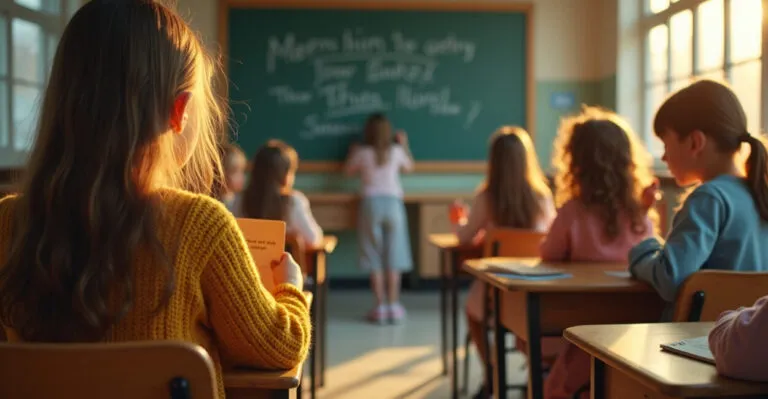
It shows up in a note tucked inside a notebook. On a lunchbox label. In a quick notification from the school app. The right short message can change a child’s day: it can reassure, encourage, or correct without hurting their feelings. If you need ready-to-use, caring, and educational phrases, here are 25 options you can use right now. Copy and paste them, print them, or put them up on the classroom board.
1. Messages to Start the Week with Confidence
A good start can shape the whole week. A short message over the weekend or on Monday can boost the class’s motivation. Choose a simple, specific phrase. Write it in a note, put it on the bulletin board, or share it in the class group chat.

- “Have a great week! Believe in your effort.”
- “You can do it. Let’s do this together!”
- “Small steps lead to big achievements.”
- “Today is a great day to learn something new.”
2. Short Messages to Praise Positive Behavior
Well-timed praise can shape habits. A short message can reinforce positive behavior in a concrete way. Instead of saying “good student,” say exactly what they did well.
This helps the behavior stick.
Leia também: Medieval Education: Practices and Institutions in the Middle Ages
- “Thanks for helping a classmate today.”
- “I loved how you participated in class.”
- “Your focus made a difference.”
- “You were kind—and that matters.”
3. Short Messages to Encourage Effort

Grades aren’t every student’s only source of motivation. A short message that recognizes effort can teach resilience.
Use real-life examples to make the message feel relevant.
- “Your hard work shows—keep it up.”
- “You’ve improved. I’m proud of how hard you worked.”
- “Mistakes help us learn. Try again.”
- “Effort today = opportunities tomorrow.”
4. Short, Educational Messages That Promote Respect
Children learn respect through clear examples and repetition. A short message in a notebook or on a card can help create a safer classroom.
- “Respect means caring about others.”
- “Listening before you speak shows respect.”
- “Kind words bring the class together.”
- “Diversity makes us stronger. Value it.”
5. Short Messages for Comfort and Emotional Support
When a student is feeling sad, simple words can help. A caring short message shows you’re there without pushing. Choose phrases that sound genuine and warm.
- “I’m here if you want to talk.”
- “It’s okay to have a hard day.”
- “Take a breath. Tomorrow is another chance.”
- “You mean a lot to our class.”
6. Funny Short Messages to Lighten the Mood
Laughter eases tension and brings people closer. A funny short message can break down resistance and make the classroom feel more relaxed. Use humor carefully—it should include everyone.
- “Brain under construction: breaks are important.”
- “Heads up: talent in progress!”
- “Your pencil asked for a vacation—bring it back ;)”
- “Smile approved by the teacher.”
7. Ready-to-Use Short Messages: 25 Phrases to Try
Here are 25 short messages, organized for quick copying. Mix them into notes, cards, and app messages. Each one is short, clear, and purposeful.
- “Have a great week! Believe in your effort.”
- “You can do it. Let’s do this together!”
- “Small steps lead to big achievements.”
- “Today is a great day to learn something new.”
- “Thanks for helping a classmate today.”
- “I loved how you participated in class.”
- “Your focus made a difference.”
- “You were kind—and that matters.”
- “Your hard work shows—keep it up.”
- “You’ve improved. I’m proud of how hard you worked.”
- “Mistakes help us learn. Try again.”
- “Effort today = opportunities tomorrow.”
- “Respect means caring about others.”
- “Listening before you speak shows respect.”
- “Kind words bring the class together.”
- “Diversity makes us stronger. Value it.”
- “I’m here if you want to talk.”
- “It’s okay to have a hard day.”
- “Take a breath. Tomorrow is another chance.”
- “You mean a lot to our class.”
- “Brain under construction: breaks are important.”
- “Heads up: talent in progress!”
- “Your pencil asked for a vacation—bring it back ;)”
- “Smile approved by the teacher.”
- “You’re part of this story.”
A quick before-and-after: before—blank, generic notes. After—specific short messages that build connection. The difference is often immediate: behavior, classroom atmosphere, and participation improve. A common mistake is using vague praise or messages that are too long; clear and direct is best. Another pitfall is repeating the same phrase until it loses meaning—vary the tone and make it personal.
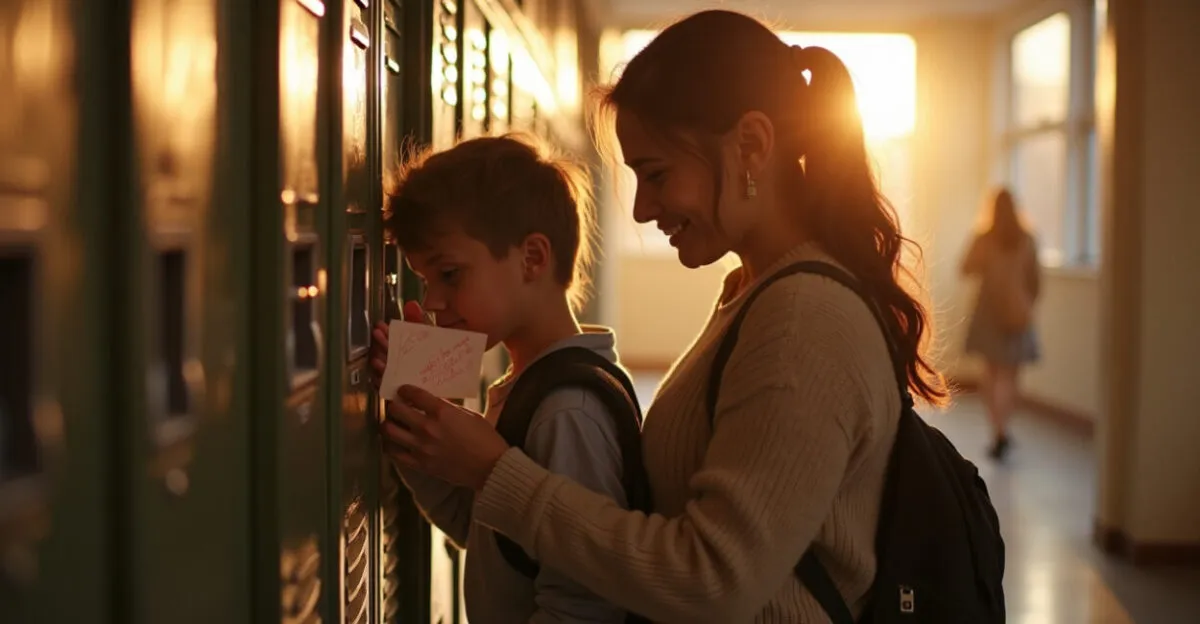
A quick story: A student handed her teacher a note that said, “I loved it—I didn’t give up today.” He saved it and, weeks later, realized that short message had become a habit. The simplicity of that phrase revealed more than grades could: it showed courage.
For education data and teaching practices, see recommendations from Brazil’s Ministry of Education (MEC) at MEC, Brazil’s Ministry of Education. Studies on the impact of feedback on learning are available from institutions such as the U.S. Department of Education, which covers how brief, specific feedback can support motivation.
Want to improve the atmosphere in your classroom with little effort? Start by choosing three phrases from this list and using one each day for two weeks. Notice how behavior and engagement change, then adjust to suit your class.
Frequently Asked Questions About Short Messages
How do I choose the best short message for each student? Notice the behavior you want to encourage and be specific: choose phrases that describe an action, not a label. Instead of “good student,” say, “Thanks for sharing your idea today.” Personalization matters: write something only that student would recognize. Avoid comparing students with their classmates. If you use humor, make sure it doesn’t leave anyone out. Simple, direct, and genuine works best.
How Often Should I Send a Short Message?
The ideal frequency varies, but consistency matters more than intensity. Weekly short messages work well for reinforcing habits; daily messages can help when you’re following up on a project or a change in behavior. The key is to vary the types of messages—praise, support, and guidance—so they remain effective. Pay attention to students’ reactions and adjust the pace. If a message stops getting a response, change the tone or make it more personal. Regularity builds anticipation and a sense of security.
Can I Use These Messages to Communicate with Parents?
Yes. Short messages can also strengthen the school-family partnership. When sharing progress or positive behavior, be clear and offer an actionable next step. For example: “Your child finished reading book X—why not read together for 10 minutes today?” Avoid technical terms and focus on practical steps. Messages sent through an app can reach many families, but follow up with a conversation when needed. Transparency and positivity encourage parents to stay involved.
How Can I Adapt Short Messages for Different Grade Levels?
Adapt the vocabulary and complexity of the idea to the student’s age. For younger elementary students, use more concrete phrases and visuals like stickers or drawings. For older elementary students, choose phrases that encourage responsibility and independence. The idea can stay the same while the tone changes: “You finished your assignment—great job!” can become “Your organization helped you study—keep it up!” Avoid generalizations. Personalize messages with examples from the class’s daily life for greater impact.
Can Short Messages Make Praise Feel Meaningless?
Yes—if praise is generic or excessive, it loses its value. The key is to be specific and use praise sparingly enough to make it meaningful. Recognize concrete actions: effort, kindness, and improvement. Mixing positive feedback with guidance helps keep praise from feeling routine. Praising the process, not just the result, builds lasting habits. Finally, pair the short message with a concrete action, such as a public comment or a note in the student’s portfolio. This shows that the praise is genuine and worth celebrating.