
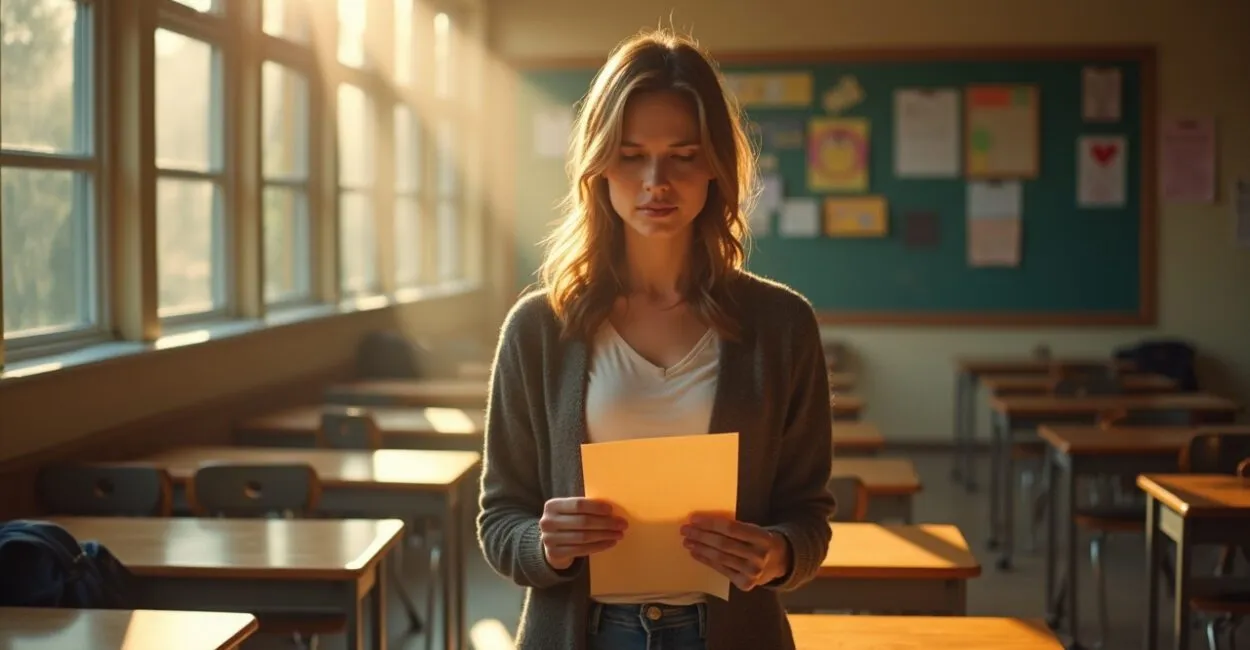
Picture the last day of school: empty desks, posters on the walls, and you holding the teacher message you’re about to send to the parents’ group chat. Send the wrong message, and it becomes just another notification. Send the right one, and someone cries, smiles, and saves it. This article shows you how to write end-of-year messages that touch hearts while staying respectful—and keeping a professional tone.
Why a Teacher Message Can Make the Whole Year Memorable
A good teacher message isn’t an announcement; it’s a meaningful way to bring the year to a close. It turns learning into a memory and helps families and students understand what they’ll take away from the year. Think of two well-chosen lines that sum up progress, challenges, and hope—that’s worth more than technical paragraphs. Messages like these build parents’ trust, strengthen their connection to the school, and help students feel seen. In the end, it’s an investment in a strong reputation and genuine relationships.

The Right Tone for Each Grade: What Changes from 1st to 9th Grade
The tone should change as students grow. For 1st grade, use a warm, simple voice and plenty of concrete examples, such as games and crafts. In 5th grade, balance warmth with high expectations—talk about progress and independence. In 9th grade, be clear, respectful, and direct; focus on achievements and next steps. Adjusting your tone prevents misunderstandings and shows professionalism. A teacher message should always reflect the student’s maturity and the relationship you’ve built throughout the year.
Ready-to-Use Templates: Personalize in Two Minutes

Here are a few quick templates. Change the names, mention an achievement, and add a personal note so the message doesn’t sound automated. Example for 2nd grade: “Name, it’s been wonderful watching you read your first sentences. Keep being curious!” For 6th grade: “Name, your dedication to math helped our class move forward. Keep it up.” For 9th grade: “Name, your project showed how responsible you are. I wish you success in your next chapter.” A few personal touches can turn a template into a memorable message.
Common Mistakes That Make a Message Feel Cold—and How to Avoid Them
Teachers sometimes overuse jargon, give vague praise, or send generic messages. Avoid phrases like “Good job” without any context. Don’t mix topics: an end-of-year farewell isn’t the time to bring up disciplinary issues. What to avoid:
- Being so formal that you create distance;
- Sending mass messages with no personal touches;
- Discussing sensitive issues in a group chat without speaking to the family first;
- Writing a message that’s so long it’s tiring to read on a phone.
A Comparison That Changes Everything: Before and After a Personal Touch
A common expectation: send a dry announcement and assume you’ve done your job. A better approach: add a personal note and see how the response changes. Before: “Congratulations on the year.” After: “Congratulations, John—your presentation about animals gave our class courage. Thank you for not giving up.” This small change turns a note into recognition. Parents share it, students save it, and the school becomes a positive memory. Never underestimate a line that mentions something specific.
A Short Story: How One Message Helped Repair a Family Relationship
A student started 3rd grade feeling shy. Over the year, her teacher noticed how hard she was trying and sent her parents a short message: “Your daughter took part in today’s read-aloud; she seemed to light up.” Her mother replied with surprise and gratitude, explaining that the girl had lost confidence at home. That connection opened the door to conversation and extra support. In just a few words, the message built a partnership and changed the student’s path. It’s a powerful example of the direct, human impact of a teacher message.
Quick Tips on Wording, Sign-Offs, and Sending
Use short sentences that are easy to read on a phone. Be specific: mention an activity, a positive behavior, or a step forward. Sign your name and title (for example, “Ms. Ana — 3rd Grade”). Send the message during business hours, and choose the right channel: use the class group chat for general announcements and a private message for personal matters. A thoughtful sign-off and good timing show you care. Save templates on your phone, but always personalize them before sending.
According to Brazil’s National Institute for Educational Studies and Research (INEP), communication between families and schools affects whether students stay in school. For practical tips on school communication, see resources on the Brazilian government portal and studies from the Fundação para a Ciência (Foundation for Science).
Ending the year with a thoughtful message is more than a formality. It’s an act of professional care. Choose a line that shows each student you noticed them—that’s the kind of farewell they’ll remember.
How Can I Quickly Personalize a Message for the Whole Class?
Start with a shared message that recognizes the class’s overall effort and spirit, then add one unique sentence for each student highlighting a specific achievement. Use a basic template on your phone with fields ready to fill in: name, activity, and a quality you noticed. That way, you can send messages faster while keeping them authentic. Avoid vague praise; choose something concrete that the parent or student will recognize. This balance of consistency and personalization saves time without losing warmth.
Is It Appropriate to Use Emojis or Informal Language?
Emojis can work with younger classes or when you already have a close relationship, but use them sparingly. 🟢 For early grades, a smiley face or star is fine; for older students, stick to clear text. Informal language is welcome if it suits the relationship, but keep things respectful and clear. Think twice before using abbreviations or slang that could be misunderstood. The goal is to show warmth without undermining your professional authority.
How Can I Share Difficult News at the End of the Year Without Causing Alarm?
For sensitive issues, such as very poor performance or behavior problems, avoid discussing them in a group. Ask to speak privately with the parents or guardians. Start by recognizing the student’s strengths before explaining your concern, then suggest concrete steps for the next year. Offer support and possible meeting dates. Public end-of-year messages should celebrate and share information; evaluations and intervention plans call for private channels and a collaborative tone that preserves trust.
How Long Before Winter Break Should I Send the Message?
Ideally, send your farewell message one to three days before the last day of school. That way, it arrives while the usual routine is still in place, and parents can respond if needed. Messages sent too early lose their impact, while messages sent on the last day can get lost in the rush. You can also plan a reminder about supplies or returning books to avoid questions when school starts again. Good timing makes communication more effective.
What Should I Write if the Family Hasn’t Responded All Year?
If you haven’t received a reply, keep your tone warm and nonjudgmental. Start with understanding: “I know it’s been a busy year.” Mention the student’s progress and invite the family to reconnect when school resumes. Offer times to talk and let them know what support the school can provide. Avoid listing missed responses or assigning blame in a public message. The goal is to reopen communication with kindness and clarity, showing that you want to work together, not create conflict. This often helps bring families back into the conversation.
Artigos Relacionados
 End-of-Year Messages for Students: 30 Heartfelt Ideas
 The Facilitator Teacher: A Key to Real Student Autonomy
 Formative Assessment: Practical Methods for Teachers
 Teacher Training for Entrepreneurial Education
 Teacher Training for Holistic Education: Essential Skills
 Creative Extracurricular Activities for Five-Year-Olds
