

This teacher organizes the learning environment to foster student autonomy, guides students’ instructional decisions, and supports self-regulation. Rather than delivering content from the front of the classroom, this professional structures assignments, qualitative feedback, and routines that make students responsible for their own learning.
Key Takeaways
- The facilitator teacher turns the classroom into an ecosystem of choice: self-regulated assignments, clear rubrics, and short feedback cycles help students become more autonomous.
- Specific, qualitative feedback replaces imprecise grades; paired with personal goals, it can measurably improve motivation and performance.
- Blended learning structures and metacognitive routines expand the facilitator’s role, requiring teachers to develop planning and data analysis skills.
Why the Facilitator Teacher’s Approach Is Key to Student Autonomy
The connection between teacher facilitation and student autonomy is causal when mediated by four mechanisms: decision-making, critical thinking, self-regulation, and evidence. The teacher creates opportunities for students to choose a goal, strategy, resources, and assessment method. These choices should be informed by clear criteria and progress data. Without this guidance, “choice” can turn into chaos or simply reproduce existing practices.

Guided Decision-Making: Boundaries That Set Students Free
Offering choices without criteria does not foster autonomy. The facilitator teacher provides options with clear implications. For example, students might choose from three types of assignments, each requiring a different amount of time and synthesis. Each option comes with a rubric and examples. Students learn to anticipate the effort required and the likely outcome—an essential skill for autonomy.
Self-Regulation and Evidence in Practice
The teacher puts self-regulation tools in place, such as weekly plans, checkpoints, and portfolios. These tools collect evidence of learning to guide future decisions.
This practice turns students’ intuition into data-informed judgment.
How to Design Self-Regulated Assignments That Really Work
Effective self-regulated assignments align learning objectives, success criteria, and gradually reduced support. The project should allow students to change course without changing the goal. The facilitator teacher plans levels of support that decrease as students demonstrate competence.
Elements of a Self-Regulated Assignment
An effective assignment includes a clear objective, measurable criteria, concise instructions, and formative checkpoints. Providing an estimated completion time helps students anticipate the cognitive load. The teacher documents alternatives and expected outcomes.
A Practical Example in an Integrated Subject
In a science project, students choose a local issue, develop a hypothesis and method, select tools, and submit a report with a self-assessment. The teacher provides a rubric, short on-demand lessons, and consultation sessions. The result: greater student responsibility and projects that use a wider range of methods.


Qualitative Feedback: Methods, Signs, and Practical Examples

Qualitative feedback reduces ambiguity and points students toward improvement. The facilitator teacher offers comments that describe performance, explain its impact, and recommend next steps. This format is more actionable than a grade alone.
What Effective Feedback Looks Like
A useful comment includes a specific observation, a connection to the criteria, and a suggested action. For example: “Your argument cites two sources, but doesn’t connect the evidence to the conclusion. Add a sentence explaining how the evidence supports your thesis.” This gives students clear direction for revision.
Feedback Frequency and Timing
Short feedback cycles (48–72 hours) tend to have a greater practical impact. Teachers balance individual feedback with feedback to small groups. In large classes, prioritizing key assignments and using detailed rubrics maintains quality without creating an unsustainable workload.
Read also: The Role of the Support Teacher in Inclusive Education
Measuring Autonomy: Indicators and Tools
Measuring autonomy requires multiple indicators: informed choice, planning, persistence, and the ability to revise strategies. The facilitator teacher uses simple, regular tools to capture these dimensions.
Measurable Indicators
Track the rate of informed choices (the percentage of choices students justify), plan adherence (the difference between the plan and what was completed), revision rate (the number of iterations), and performance in relation to personal goals. These indicators can be tracked in spreadsheets or learning platforms.
Practical Tools
Useful tools include digital portfolios, self-assessment forms, study logs, and shared rubrics. Even a simple spreadsheet with columns for goals, actions, and evidence can improve the quality of students’ decisions.
Organizing the Classroom to Encourage Student Decision-Making
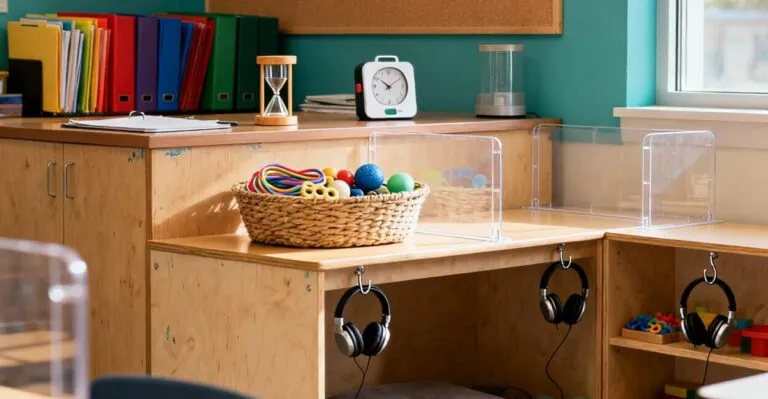
Physical and digital environments influence behavior. The facilitator teacher arranges the classroom to make choices clear, resources accessible, and progress visible. The design of the space communicates autonomy.
Layout and Workflows
Work areas, resource stations, and progress boards help students stay oriented. In digital spaces, dashboards show assignment status and feedback. These features reduce friction and make decision-making more efficient.
Rules and Routines That Support Choice
Predictable routines—starting with planning, using checkpoints, and ending with a final review—build decision-making habits. Clear expectations for deadlines, criteria, and how to ask for help prevent misunderstandings and allow autonomy to grow within stable boundaries.
Facilitator Teacher Skills: From Planning to Data Analysis
Being a facilitator requires specific skills: assignment design, writing rubrics, formative observation, and evidence analysis. Teachers can develop these skills through hands-on training and mentoring. Simply wanting to “be less authoritarian” isn’t enough.
Technical and Interpersonal Skills
Technical skills include creating rubrics, interpreting formative data, and using learning management systems (LMSs). Interpersonal skills include active listening, coaching students on goals, and allowing room for productive mistakes. Together, these skills enable teachers to guide without directing.
Training and Ongoing Development
Training programs should include assignment-design workshops, peer observation, and case analysis. Short courses with hands-on practice and feedback have a greater impact than theory alone. Teacher networks make it easier to share resources and evidence.
Practical Comparison: Traditional Approaches vs. Active Facilitation
Comparing methods helps teachers choose effective practices. The table below summarizes key differences in autonomy indicators, feedback, and the roles of students and teachers.
| Dimension | Traditional approach | Active facilitation |
|---|---|---|
| Teacher’s role | Content deliverer | Designer, guide, and formative assessor |
| Student’s role | Recipient | Decision-maker and owner of the process |
| Feedback | Summative grades | Qualitative feedback and actionable next steps |
| Measure of success | Final result (grade) | Progress, self-management, and transferability |
For research and data on formative practices, consult OECD studies and materials from Brazil’s Ministry of Education (MEC) on formative assessment and school autonomy, which offer frameworks and comparative evidence: OECD Education and Ministério da Educação (Brazil’s Ministry of Education).
Next Steps for Implementation
Run a 6- to 8-week pilot focused on one component: self-regulated assignments or qualitative feedback. Measure indicators before and after. Train a group of teachers through hands-on sessions and joint observations. Use the results to adjust rubrics, routines, and the division of responsibilities.
Small, iterative decisions are more effective than sweeping, rapid reforms. Prioritize tools that generate actionable evidence, not just data. Real school autonomy emerges when sustainable, measurable practices become part of teachers’ everyday routines.
Question 1: What Sets a Facilitator Teacher Apart from a Traditional Teacher?
A facilitator teacher prioritizes structures that put students in the driver’s seat. While a traditional teacher focuses on delivering content and assessing final results, a facilitator designs assignments with informed choices, offers feedback that points to next steps, and teaches students to regulate their own learning. The difference lies in the routines: checkpoints, shared rubrics, portfolios, and personal goals. These elements shift the focus from grades to progress and develop students’ decision-making and self-assessment skills.
Question 2: How Can Teachers Start Using Qualitative Feedback Without Adding Too Much to Their Workload?
Start by prioritizing key assignments where feedback has the greatest impact, such as drafts or presentations. Use clear rubrics and comment templates to reduce writing time. Combine feedback for small groups with occasional individual observations. Digital tools make it easy to add comments quickly and reuse templates. Plan short feedback cycles (48–72 hours) only for high-priority assignments. This improves feedback quality without requiring teachers to review every detail of every assignment.
Question 3: Which Indicators Are Most Reliable for Measuring Student Autonomy?
Reliable indicators combine behavior and outcomes. Good examples include the proportion of justified decisions (when students record the reason for a choice), the number of meaningful revisions to an assignment, adherence to a work plan, and evidence of transfer (applying learning in a new context). A single performance measure does not capture autonomy. Use portfolios, learning logs, and regular self-assessments to build a more complete picture.
Question 4: What Common Mistakes Do Teachers Make When Trying to Facilitate Learning?
Common mistakes include offering choices without criteria, confusing autonomy with a lack of support, expecting results without teaching self-regulation, and increasing complexity without scaffolding. Vague feedback that doesn’t guide action is another problem. Avoiding these mistakes takes planning: establish rubrics, gradually reduce support, teach metacognitive routines, and monitor process indicators before measuring final results.
Question 5: What Professional Development Resources Can Help Teachers Become Facilitators?
Effective resources combine theory and practice: assignment-design workshops, peer observation, mentoring, and rubric banks. Courses with workshops on designing self-regulated assignments, using rubrics, and analyzing formative evidence are especially useful. Digital portfolio platforms and LMS tools with dashboards can also support classroom practice. Look for resources from organizations such as the OECD and documents from Brazil’s Ministry of Education (MEC) to connect your work to policies and international evidence.
Artigos Relacionados
 Attention Teachers: Changes to the School Routine for Students with ADHD
 Distracted Reading: How to Keep Students Focused in Early Classes
 Managing Test Time Is Possible for Students With ADHD
 How to Calm Students With ADHD Before an Important Test
 How to Help Students With ADHD Stay Focused Before an Exam
 How to Effectively Prepare Students With ADHD for Exams
