
Moving from 5th to 6th grade: how to support students
The transition can start to feel challenging before the first test: new schedules and materials call for habits that take time to build.

When moving from 5th to 6th grade, students typically encounter more teachers, subjects, and assignments organized in different ways. Adjusting means keeping up with this routine and knowing whom to ask when something isn’t clear.
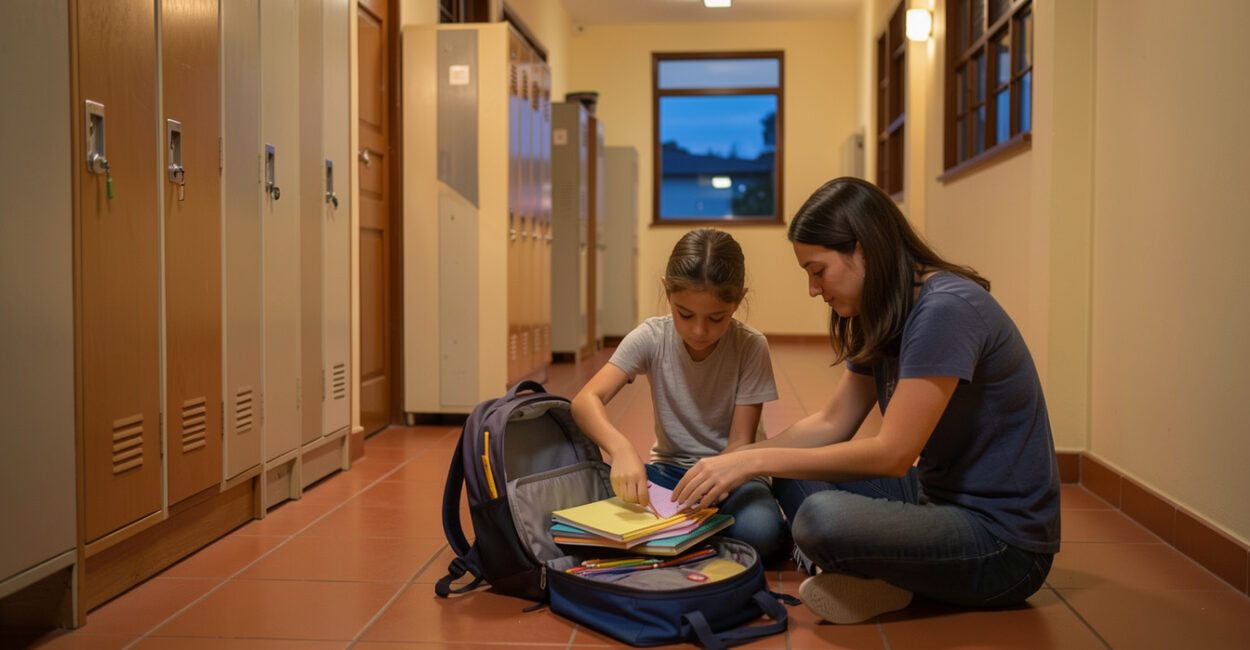
Families can prepare students for this change without making it a source of anxiety: welcome their questions and practice small responsibilities, like checking their backpack and writing down assignments. The goal is to offer support as independence grows—not to expect everything to go perfectly from day one.
What Changes Beyond School Subjects When Moving from 5th to 6th Grade?
A school transition is the move from one stage of education to another, and it may require academic, social, and organizational adjustment. Put simply, students need to learn new material and understand how schedules, expectations, and relationships with different adults work.
This varies by school and by each child’s needs. Brazil’s Base Nacional Comum Curricular (National Common Core Curriculum, Brazil’s national learning framework) organizes learning by grade level, but it doesn’t require every school to follow the same routine. Ask the school how it helps students settle into 6th grade.
Independence All at Once or Built Gradually?
The most sustainable approach is to hand over responsibilities gradually, with clear expectations and guidance. An adult can help plan the week and, over time, let the student check deadlines and gather materials, stepping back in when a challenge comes up.
Imagine a child who gets home without knowing which assignment is due. If a family member checks everything for them, the problem is solved that day, but the child doesn’t build organizational skills. One way forward is to look at the planner together, ask the child to identify the assignment, and agree on a time to get started.
Independence grows when students have room to try and an adult available to guide them. To offer support without doing everything for them, explore ideas for learning routines that involve the family.
Talk About Expectations or Wait and See?

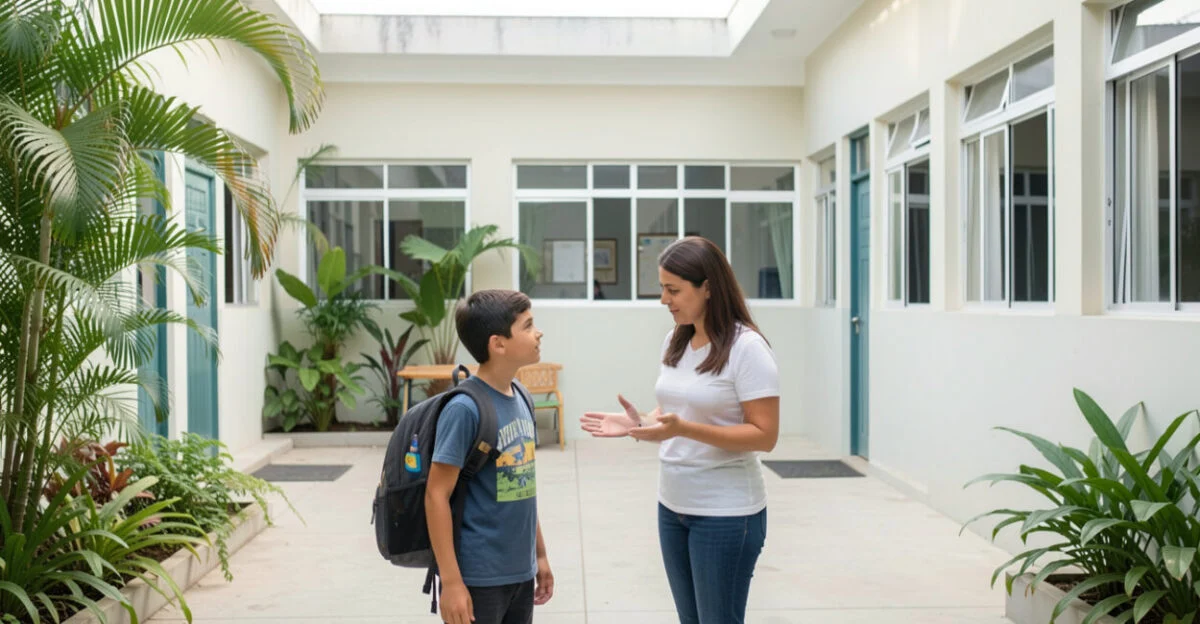
Talking before classes start can make the change feel less surprising. Ask what the student is curious about and what worries them. Listen all the way through before suggesting solutions; sometimes the concern is very specific, like not being able to find a classroom or not knowing how to ask someone to explain something again.
Avoid comparing the child with siblings, classmates, or your own school experience. Don’t promise that everything will be easy or that they’ll adjust in a few days. A helpful expectation is that they’ll learn to handle new situations with support, even if some things take time.
Routines and Materials: Practice Ahead or Wait for the First Week?
Practicing small tasks before school starts can prevent organization from depending on constant reminders. Start with age-appropriate actions and increase responsibility as the student gains confidence.
- Check the backpack using the next day’s schedule.
- Write down assignments and mark what’s been completed.
- Choose a place and time to study that work for the student.
- Agree on how the student will let the family know about questions or changes.
There’s no need to recreate a full school routine during the break. A planner, for example, only helps if the child knows where to write down assignments and when to check it. To support understanding of instructions, reading comprehension strategies may help.
Do It for the Student or Offer Support Without Taking Over?
Offering support doesn’t mean checking every detail or fixing every setback. Agree on a quick check-in, such as asking which assignments are written down and what the student plans to do first. If something is missing, help them think about how to fix it: talk to the teacher, ask a classmate for the assignment, or adjust the schedule.
Avoid these shortcuts, which can increase dependence or pressure:
- Always packing the backpack without involving the child.
- Responding to every forgotten item with a scolding instead of teaching a way to prevent it from happening again.
- Expecting specific grades or performance before the student has adjusted to the new routine.
If reading assignments is a barrier, families can explore ways to build reading fluency at the student’s own pace.
Rely on the School or Try to Handle Everything at Home?
The school is part of the adjustment process: knowing the rules, schedules, communication channels, and ways to ask for help gives students support beyond their family. Ask who can help with assignments or conflicts and how to contact the staff if a difficulty persists. Brazil’s Estatuto da Criança e do Adolescente (Child and Adolescent Statute) also recognizes rights related to education and participation in school life.
Practices vary from school to school, so don’t assume every school offers the same welcome or uses the same communication channels. If there’s an orientation meeting, use it to ask practical questions. Students don’t have to figure out how to ask for support on their own.
Watch Quietly or Speak Up When Something Is Concerning?
A one-time issue with a schedule or assignment can be part of the learning process. If a child seems persistently distressed, avoids school, loses sleep, or can’t keep up with things they used to manage, talk with them and reach out to the school team. These signs alone don’t confirm a specific problem.
Tell the school what you’ve observed and ask what changes staff have noticed in class. The response may depend on the context, the student’s needs, and how the school is organized; avoid jumping to conclusions and agree together on how to follow up.
Students learn independence through manageable responsibilities, accessible support, and room to ask for help.
Before classes begin, choose one task for the student to take on this week. They could check their school supplies or write down an upcoming commitment. A small agreement, repeated calmly, is better preparation for a new grade than a list of demands.
Frequently Asked Questions
Is It Normal to Be Afraid of Starting 6th Grade?
Questions and worries can come up when a routine changes. Acknowledge the feeling and try to find out what specific situation is causing concern.
When Should I Start Preparing the Student?
If possible, start before classes begin with small responsibilities and conversations about expectations. There’s no need to get ahead on all the schoolwork or recreate a full school routine.
How Can I Help Without Doing the Assignment for the Child?
Help the student understand the instructions and plan the first step, then let them try to work it out. Afterward, talk about what worked and where they still need guidance.
When Should I Contact the School?
Reach out when a difficulty persists, affects the student’s well-being, or prevents them from taking part in activities. Share specific observations and ask what support and follow-up options are available.
Artigos Relacionados
 Executive Functions in Learning: How to Support Students
 Improving Support for Students with Autism
 Early Learning: Strategies to Foster Development from the Start
 Classroom Lighting: Student Health and Attention
 Vertical Garden Supports: Compare Materials and Install Safely
 School Partnerships: How to Support Elementary Reading
