
Bullying in elementary school: signs and how schools can respond
A child who keeps asking to stay home on gym days may be trying to avoid something they don’t yet know how to talk about. Bullying in elementary school involves intentional, repeated aggression, usually in a relationship with an imbalance of power. Identifying it means looking for patterns, listening to the child without blaming them, and finding out what is happening in different areas of the school.

A one-time incident deserves attention, but by itself it is not enough to qualify as bullying. Even when a situation doesn’t meet that definition, the school should stop the aggression and investigate what is happening. The response needs to protect the students involved and monitor the situation over time.
In a Nutshell
- Repetition, intent to hurt, and an imbalance of power are key elements of bullying.
- Frequent absences, isolation, and mood changes can be warning signs, but none of them alone confirms what is happening.
- The school should take reports seriously, look into the facts discreetly, and protect students without exposing them.
- Prevention requires clear rules, attentive adults in less-supervised areas, and ongoing work with the class.
What Is Bullying in Elementary School, and What Isn’t?
Bullying is systematic intimidation: intentional, repeated acts of physical or psychological violence meant to intimidate or harm someone, in a relationship with an imbalance of power. At school, this might mean one student or a group targeting a classmate who has difficulty defending themselves through insults, exclusion, threats, or physical aggression. This definition aligns with Law No. 13,185/2015, a Brazilian law that established the Program to Combat Systematic Intimidation. The law helps guide the assessment, but each situation must be considered in context: the children’s ages, how often it happens, its impact, and the relationship between those involved.
A one-time disagreement between classmates can cause distress and require intervention, even if it doesn’t meet the criteria for bullying. The school doesn’t need to wait for a final classification before stopping an aggressive act or supporting the student who was targeted.
Types of Bullying and Where It Can Happen
Aggression can take different forms and may involve more than one at a time. Name-calling about someone’s appearance or background, threats, shoving, deliberately leaving someone out of games, and spreading rumors are examples worth investigating when they are part of a pattern.
- Verbal: insults, put-downs, offensive nicknames, and threats.
- Physical: shoving, kicking, pinching, or intentionally damaging someone’s belongings.
- Social or relational: planned isolation, spreading rumors, or pressuring classmates to exclude someone.
- Digital: offensive messages, images shared without consent, or attacks in group chats and on social media. When it involves classmates and affects relationships at school, it may be connected to school bullying, even if it happens off campus.
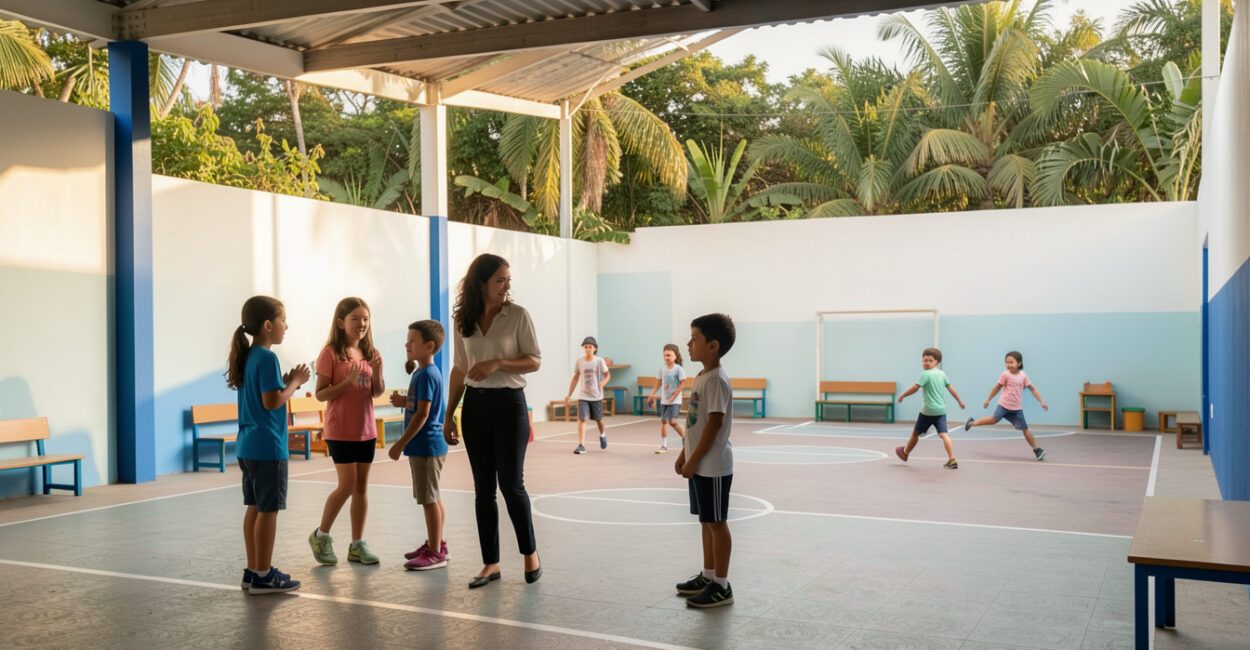
The playground, lunch line, bathroom, school bus route, and group chats can all be places where bullying happens. One practical detail is easy to miss: the aggression may stop when an adult comes near and start again as soon as they leave, so observing only during class isn’t enough.
Signs That May Indicate a Child Is Being Bullied or Bullying Others

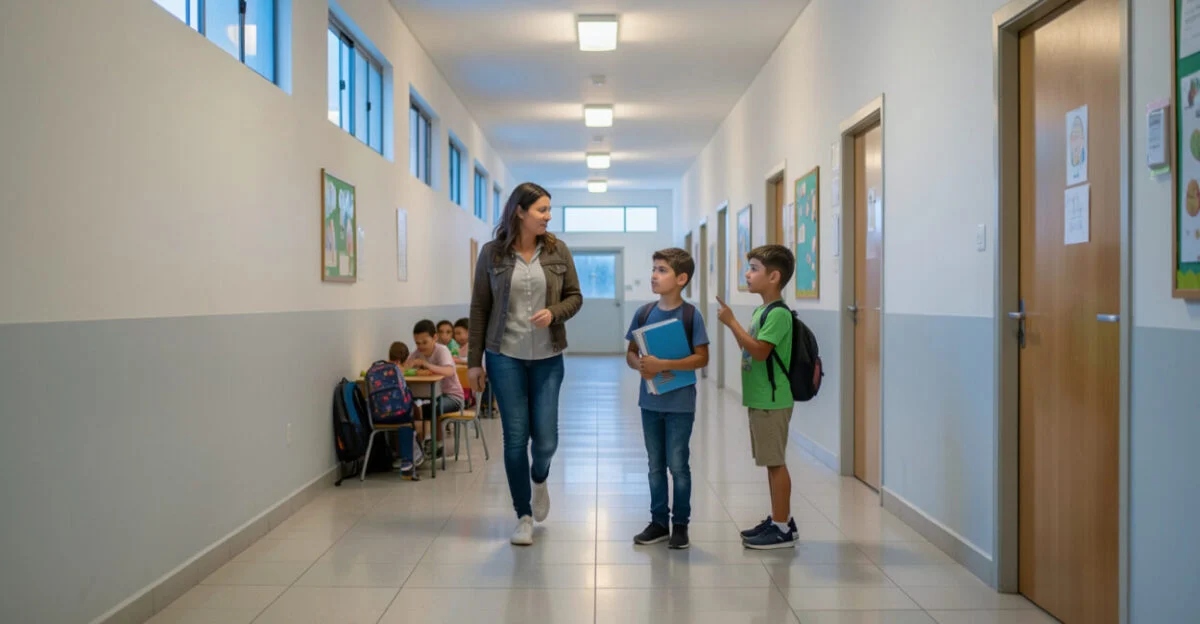
Signs of bullying in children can include lasting changes in behavior, routines, or how they feel about school, but no sign alone proves that bullying is happening. Staff should compare what they observe with the child’s account and information from different times and settings. A child who may be experiencing aggression might start avoiding school, lose belongings, come home with damaged items, withdraw from classmates, or show changes in sleep or mood. Calmly asking what happened is more helpful than suggesting answers, such as, “Was it that classmate again?”
A child who bullies others may also show signs that deserve attention, such as using intimidation to control a group, dismissing put-downs as jokes, or showing little concern for the impact of their behavior. These behaviors don’t define the child; they indicate that the child needs boundaries, guidance, and opportunities to learn other ways of treating people.
Read also: Dyslexia in Elementary School: Signs and Learning Support
Keep track of dates, locations, frequency, and anyone who witnessed the incidents. These objective notes help staff identify patterns without turning suspicions into public accusations. If the child has trouble talking about it, offer options: speaking with a trusted adult, writing it down, or sharing at a more private time.
How to Tell Bullying Apart From Conflict Between Classmates
A conflict between classmates usually involves a specific disagreement between people with similar ability to speak up for themselves. Bullying involves repetition and an imbalance that makes it harder for the target to defend themselves. This distinction can guide an investigation, but it should never be used to dismiss fights, one-time humiliation, or any situation that puts a child at risk.
Read also: Elementary School Homework: How to Build Good Habits
What to look for
One-time conflict
Possible bullying
Frequency
A single incident or occasional disagreement
Actions that happen repeatedly or follow a pattern
Relationship between students
Both can express their point of view
One student or group has an advantage, and the other has difficulty defending themselves
School response
Listen to both sides and help resolve the disagreement
Investigate the pattern, protect the target, and monitor the behavior
These criteria shouldn’t be applied as a mechanical checklist. A single act of aggression can be serious and require immediate action; repeated behavior may not be described accurately in the first conversation. If you’re unsure, document the incident, make sure everyone is safe, and monitor whether it happens again.
What the School Should Do When It Receives a Report
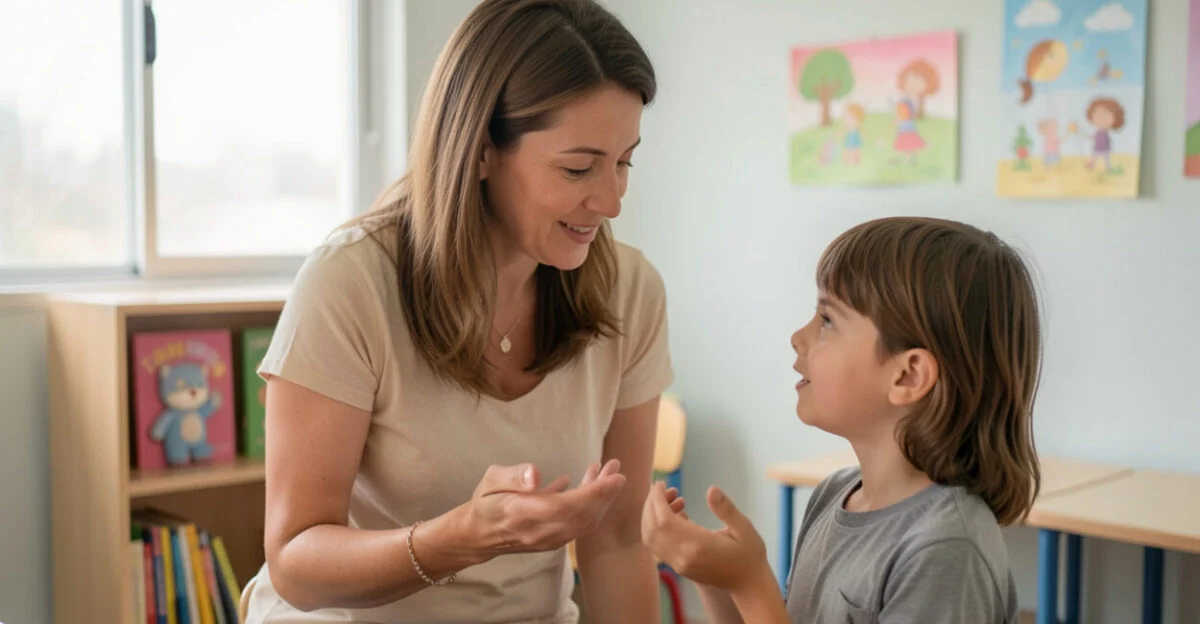
When the school receives a report, it should listen to the person making it, assess any immediate safety concerns, investigate discreetly, and decide on protective measures and follow-up. Acting quickly matters, but a rushed investigation that exposes the people involved can put more pressure on the child.
- Listen privately: Let the child explain what happened at their own pace. Ask what happened, when, where, and who was there, without pressuring them to settle on a complete account.
- Stop the risk: Arrange supervision at the locations and times identified, prevent further approaches, and identify a trusted adult for the child.
- Document and investigate: Record accounts, including dates, locations, and observed actions. Speak separately with students and witnesses. Don’t stage a confrontation or require the child to face the person who harmed them.
- Contact families: Share necessary information in private conversations, protecting the identity and privacy of all students.
- Follow up: Schedule another conversation and check whether the aggression has stopped instead of closing the case after issuing a warning.
UNICEF Brazil describes bullying as an issue that requires prevention and adult intervention. The school should follow its code of conduct and school system protocols, and contact the appropriate services when the severity or ongoing nature of the violence calls for it. Disciplinary action alone doesn’t replace protection or follow-up.
How Families and Schools Can Support the Children Involved
Families can start by saying that the child did the right thing by telling them and that the person who acted aggressively is responsible. Ask what would help the child feel safer at school; don’t expect them to retaliate, handle everything alone, or confront their classmates.
A child feels safer when they know which adult will listen and what that adult will do next.
For the school, this means identifying a staff member the child can turn to and explaining the next steps in age-appropriate language. Families can document incidents and stay in touch with school administrators, asking for updates on the response without demanding that another child be exposed or punished publicly. A child who is bullying others also needs firm boundaries and guidance to understand the impact of their actions. Support doesn’t mean making excuses: it means stopping the behavior and teaching responsibility without labeling the student as beyond help. Conversations should take each student’s needs into account; an inclusive approach in elementary school can help the school consider appropriate support without treating individual differences as an excuse for violence.
How to Prevent Bullying and Create a Safe Environment
Preventing school bullying takes ongoing effort, not just campaigns launched after a report. Schools can teach students how to ask for help and what to do when they witness aggression, as well as set clear, age-appropriate rules for each class and enforce them consistently.
A useful plan identifies areas and times with limited supervision, names the people responsible for receiving reports, and explains how staff will document and follow up on cases. Conversations about respect and getting along work best when tied to real situations in the class; posters alone won’t reveal what happens in private group chats or during recess.
Families can encourage everyday conversations, learn about the school’s reporting channels, and watch for changes without treating every disagreement as an accusation. If there’s a report, the next step is to request a private meeting with school administrators, describe observable facts, and agree on when the school will follow up. This is more informative than demanding an immediate solution without knowing how the case will be investigated.
Frequently Asked Questions
Can a Child Who Witnesses Bullying Help Without Putting Themselves at Risk?
Yes. They can tell a teacher or another trusted adult what they saw without confronting the person responsible. The school should provide private ways to report incidents.
What Should You Do if the Aggression Happens in a Group Chat?
Save relevant records, such as messages and dates, without forwarding images or humiliating content. Notify the family and the school; if there are threats or intimate images have been shared, seek guidance from the appropriate protection services.
Is Switching Classes Always the Best Solution?
No. Moving the child who was targeted can make them feel punished without stopping the behavior. Any decision should consider the child’s safety and wishes, as well as available ways to protect them, without shifting the burden of the response onto them.
When Should the School Seek Outside Support?
If there’s a risk to someone’s safety, serious violence, or ongoing behavior despite school interventions, school leaders should follow the school system’s protocols and consider contacting the appropriate protection services. The school doesn’t need to wait for the situation to get worse before seeking guidance.
Artigos Relacionados
 Reading Comprehension Strategies for Children: Guided Questions, Mind Maps, and Summaries to Improve Interpretation and Retention in Elementary School
 How to Improve Reading Skills in Elementary School: Practical, Proven Ways to Build Fluency and Comprehension in the Classroom
 Active Learning Methods for Elementary School: A Practical Guide
 Formative Assessment in Elementary School: How to Use It
 Basic Math: Strategies for Learning in Elementary School
 Effective Literacy Instruction in Elementary School: Practical Steps
