

How to Reduce Food Waste at Home
Reducing food waste at home starts with the choices you make before shopping and continues through storage, cooking, and deciding what to do with leftovers. The steps in this guide follow that order, from organizing your routine to keeping track of what ends up in the trash. These suggestions can be adapted to your household size, available space, and everyday habits.
The issue also exists on a larger scale: reports from the FAO and the United Nations Environment Programme (UNEP) examine food loss and waste at different stages of the food system. Global data should not be treated as a picture of Brazil alone, but it helps explain why reducing household waste is part of a broader effort.

1. What Is Food Waste, and Why Reduce It?
Food waste is food that is thrown away even though it is safe to eat, or could have been eaten. It occurs at stages such as retail and household consumption. Food loss usually refers to reductions that occur earlier, during production, storage, and transportation. At home, examples include letting a meal spoil in the refrigerator or buying more fruit than your household can eat.
For context, the 2024 edition of UNEP’s Food Waste Index brings together estimates of food waste across different countries and stages. The FAO report The State of Food and Agriculture 2019 focuses on losses in food systems. The methodologies and scopes vary, so global figures should not be presented as though they specifically measure food waste in Brazil.
Reducing waste keeps food, labor, and the resources used in production and distribution from going unused. The Bible also addresses care for food and the responsibility to avoid waste in passages such as John 6:12, which recounts the instruction to gather the leftover pieces. This is a religious interpretation; food preservation and safety recommendations, on the other hand, are based on technical standards.
2. Plan Your Shopping Around Your Routine

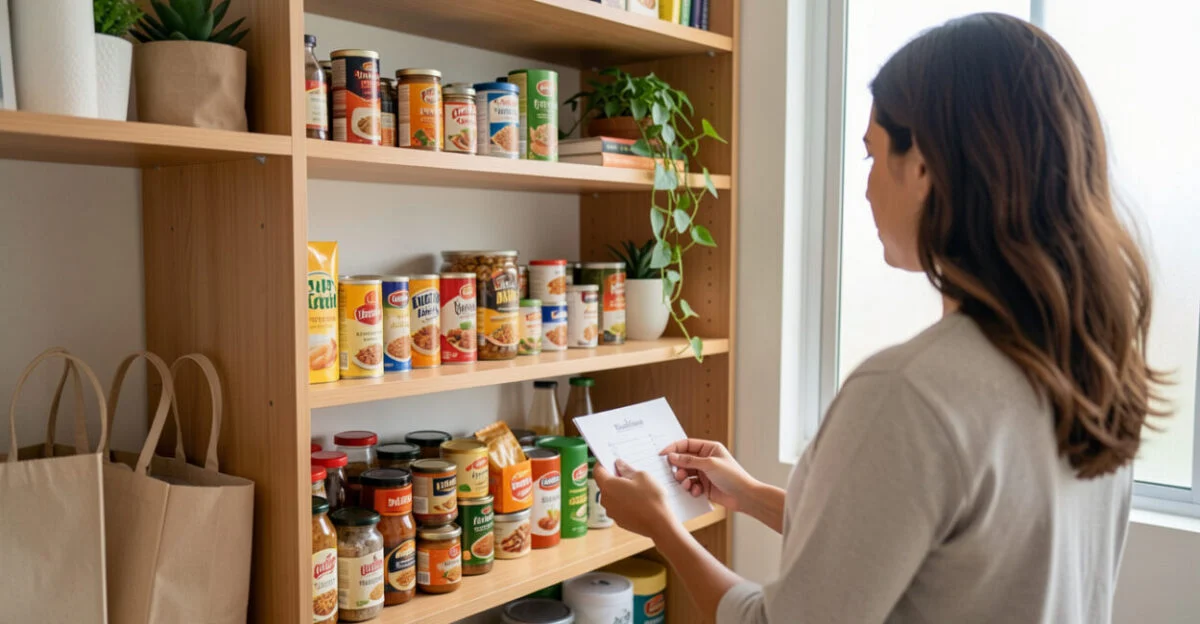
Planning your shopping means adjusting quantities to what you already have at home, the number of meals you expect to make, and how soon you can use the food. It’s one of the most direct ways to prevent food waste because it cuts down on impulse buys and duplicate items forgotten in the pantry.
- Check the refrigerator, freezer, and pantry before you head out.
- Plan meals for the next few days and list the ingredients you need.
- Consider how many people will be eating and whether anyone will be eating away from home.
- Buy perishable foods in amounts you can use or freeze in time.
A common mistake is making a shopping list without checking what you already have. There may be an open package tucked behind other items. Move older products to the front, and note any leftovers that should be included in your meal plan. If your routine changes, update the plan before buying more.
3. Store Each Food Properly
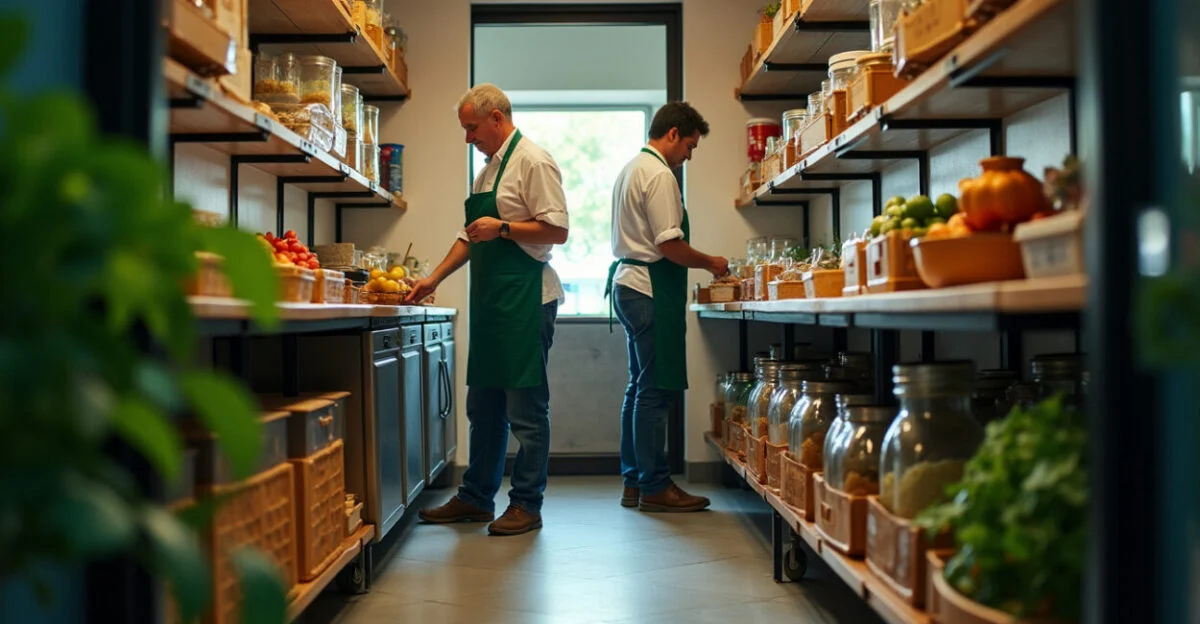
Proper storage helps preserve quality and slow spoilage. There’s no single rule for every food: some items need refrigeration, while others do better in a cool, dry, well-ventilated place. The right approach can vary by product and ripeness.
- Refrigerator: Keep it organized without blocking airflow, and follow package instructions. Store prepared and raw foods separately in sealed containers.
- Freezer: Divide food into portions before freezing, use freezer-safe packaging, and label each package with its contents and date. Smaller portions thaw more easily and help prevent large leftovers.
- Pantry: Choose a cool, dry place away from light. Seal opened packages tightly and check for signs of moisture or pests.
“Expiration date” and “best if used by” do not mean the same thing. The former relates to food safety under the stated conditions; the latter mainly concerns quality, according to the label and applicable rules. Don’t eat food past its expiration date or showing signs of spoilage based on appearance alone: smell and appearance can’t confirm that food is safe. For storage guidance, Embrapa, Brazil’s agricultural research agency, offers resources on food loss and waste.
4. Use Leftovers Safely
Leftovers can become another meal if they have been handled and stored properly. Cool cooked food promptly rather than leaving it at room temperature for an extended period. Store it in sealed containers in the refrigerator, and use it within the time frame recommended by food safety sources or indicated on the label, when applicable.
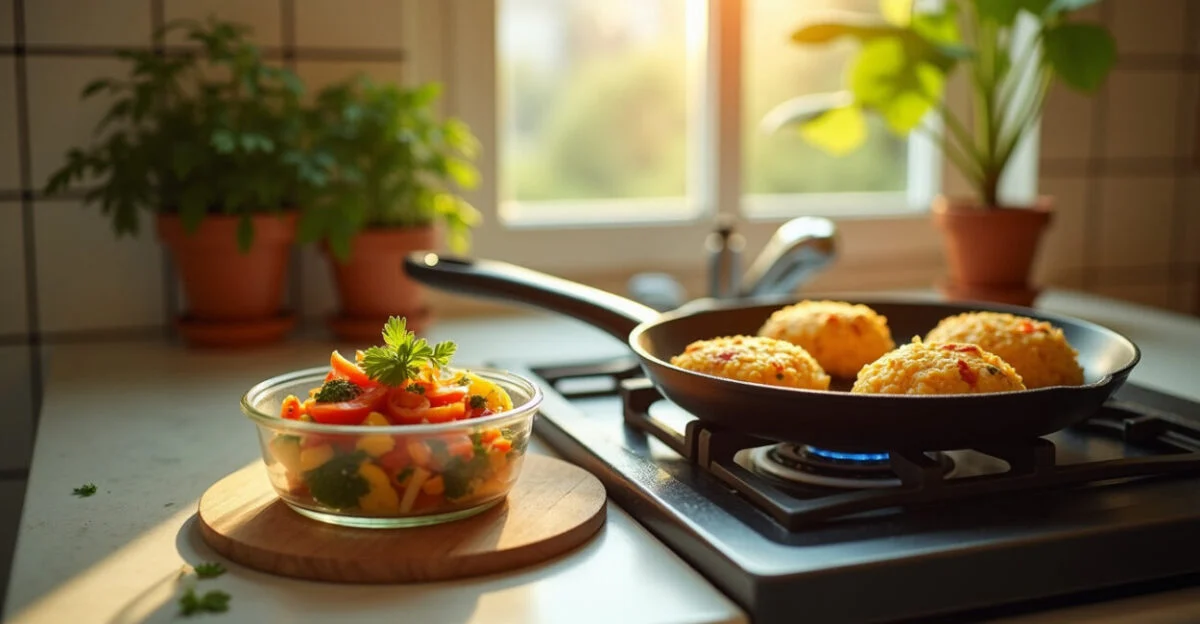
Rice, cooked vegetables, and meat can be added to dishes such as fritters, soups, or fillings, as long as they were stored safely and are still in good condition. Avoid mixing old leftovers into a fresh dish: it makes storage times harder to track and could compromise the entire dish.
Read also: How to Properly Dispose of Used Cooking Oil
Mold, an unpleasant odor, a change in texture, or a swollen package are signs to throw food away, not to try to save it by removing only the visible portion. The risks depend on the food, and some cannot be detected with your senses. If you’re unsure whether food is safe, throw it out. Reusing leftovers should never mean eating spoiled food.
5. Use Flexible Portions and Recipes
Serving portions that match people’s appetites usually means less food is left on the plate. If you’re not sure how much to serve, start with a smaller portion and let everyone go back for more. For recipes, measure ingredients that spoil quickly and scale the dish to the number of people eating.
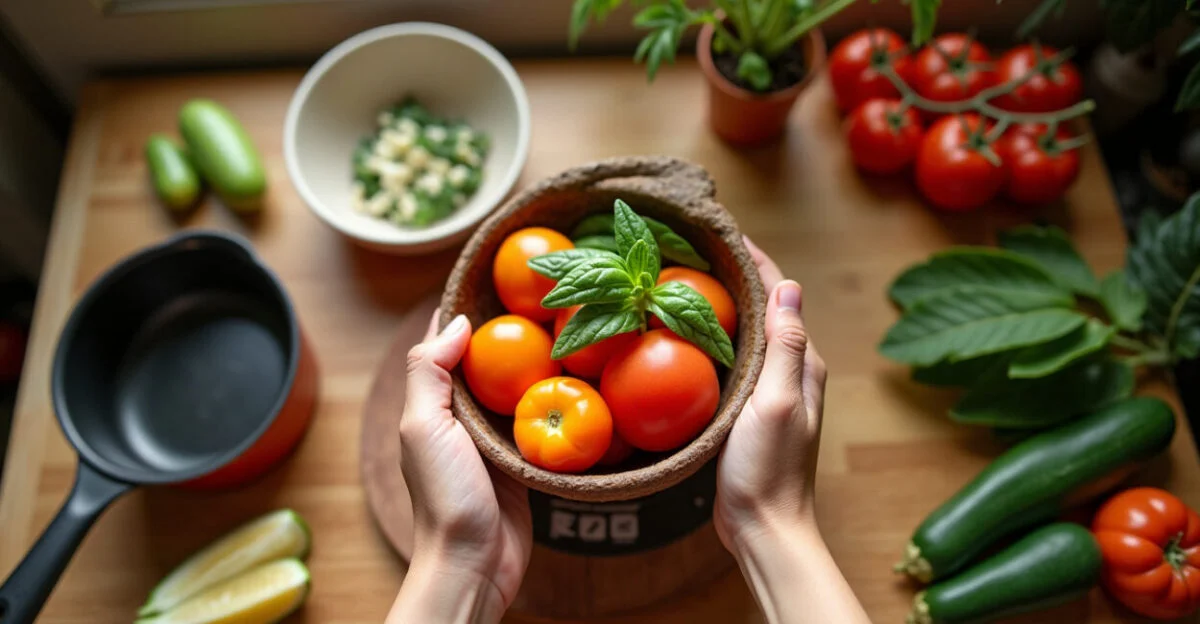
Flexible recipes can also help you use ripe vegetables or opened ingredients, as long as they’re still safe to eat. Set aside anything that should be used first, then choose a dish that allows for substitutions. Add peels and stems only if they’re edible, thoroughly washed, and not spoiled.
6. Freeze Extra Food in Labeled Portions
Freezing is useful when you can’t eat food in time, but it should be done before any signs of spoilage appear. Divide food into meal-size portions, use suitable containers, and note the contents and date. This makes it easier to find and use what you’ve stored.
Not all foods keep the same texture after freezing. Salad greens, for example, may lose quality. Look up specific guidance for each food and thaw it safely, preferably in the refrigerator or according to official recommendations. Don’t refreeze thawed food without checking the appropriate guidance for that particular case.
7. Dispose of Food That Can’t Be Eaten Properly
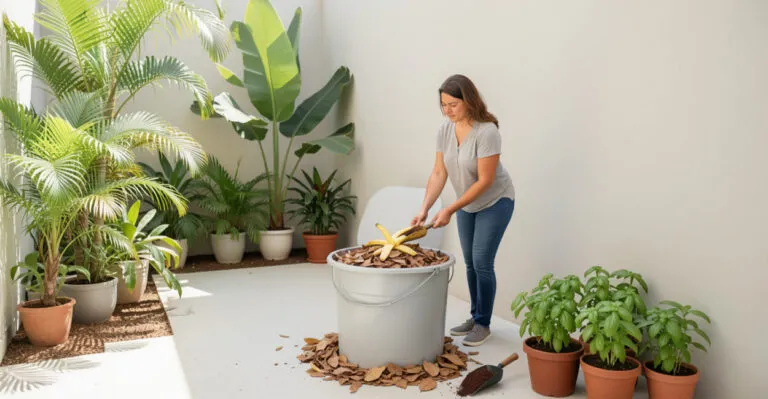
Not all organic waste can be reused in the kitchen. Anything that isn’t safe or suitable to eat should be discarded; vegetable scraps and other accepted materials can go to compost, depending on the method. Home composting for organic waste can be an option if you have the setup and can manage the process.
Sort waste according to your municipality’s rules and the composting system available. Don’t use food that’s unfit to eat in recipes or donations. Donating food makes sense only if it’s safe, has been stored properly, and is accepted by the organization receiving it.
Ten Ways to Reduce Food Waste at Home
- Check the refrigerator and pantry before shopping.
- Plan meals for the next few days.
- Make a shopping list and stick to it.
- Buy realistic amounts of perishable foods.
- Move older products to the front.
- Follow the storage instructions on the label.
- Label frozen portions with their contents and date.
- Serve smaller portions and let people go back for more.
- Set aside one meal to use safe leftovers.
- Keep track of what you throw away and adjust your next shopping trip.
These steps work best when they fit your household’s routine. To make your everyday consumption more sustainable, also check out these sustainable swaps that help reduce household waste.
Causes and Examples of Food Waste
Common causes of food waste at home include buying more than you need, storing food improperly, and failing to plan for leftovers. Three common examples are buying too many vegetables and letting them wilt, forgetting a container of food at the back of the refrigerator, and preparing more than anyone can eat.
Situation Likely cause Practical alternative Vegetables wilt before you use them Buying too much or storing them improperly Buy less, store them according to product guidance, and plan to use them within the first few days Prepared food gets forgotten Unlabeled container or stored behind other items Use a sealed container, place it near the front, and label it with the preparation date Opened packages lose quality Package not sealed properly or exposed to moisture Seal tightly, note when it was opened, and store it in the recommended place
How to Track and Maintain a Low-Waste Routine
For one week, write down what you throw away and why: buying too much, forgetting food, preparing too much, or spoilage. You don’t need to weigh everything to get started. Even a brief record can reveal patterns, such as buying more bread than your household eats or leaving certain vegetables unused.
Then choose one change to try the following week. If you have leftover meals, prepare less; if sealed ingredients spoil, reorganize the pantry and adjust how often you shop. General rules have limits: how long food lasts depends on the food, temperature, packaging, and handling. General recommendations don’t replace the manufacturer’s instructions or specific food safety guidance.
How to Choose the Right Steps for Your Home
Start with the point where you waste the most food. If food is going to waste before you even cook it, focus on planning and buying smaller amounts. If food spoils after it’s prepared, review how you cool and label it and how much space you have in the refrigerator. A home garden can help you use fresh herbs, but it doesn’t replace planning; here are some ideas for growing herbs in a small space.
Also consider how much time you have to cook, your storage space, and how many people share meals. Choose one or two realistic changes, track the results, and adjust. For a paper on food waste or a school project to prevent food waste, household examples can be a starting point, but the measures need to be adapted to each institution’s scale and rules.
Frequently Asked Questions
What are three examples of food waste?
Letting vegetables spoil, forgetting prepared food in the refrigerator, and making more food than people will eat are common examples.
What can we do to avoid wasting food?
Check what you already have at home, plan meals, buy appropriate amounts, store food properly, and reuse only safe leftovers. These are good places to start.
Can you still eat food past its “best if used by” date?
“Best if used by” refers to quality, but the answer depends on the product, storage conditions, and applicable rules. Follow the label and throw food away if it shows signs of spoilage. Don’t use this date to disregard an expiration date or improper storage conditions.
How can you prevent food waste in Brazil?
At home, the steps are the same: plan shopping, adjust portions, and store food according to the instructions. To assess the issue in Brazil, consult national data with a clearly stated methodology and scope rather than relying on global estimates.
Artigos Relacionados
 How to Reduce Waste in Small Businesses: A Practical Guide
 Phones and Studying: How to Reduce Interruptions at Home
 Sustainable E-Commerce Packaging: 7 Options That Protect Products, Reduce Waste, and Control Costs
 Home Gardening: How to Grow Your Own Food in a Healthy, Affordable, and Sustainable Way
 Home Composting: Feed Your Garden Without Waste
 Sustainable Living at Home: 7 Swaps to Cut Waste
