
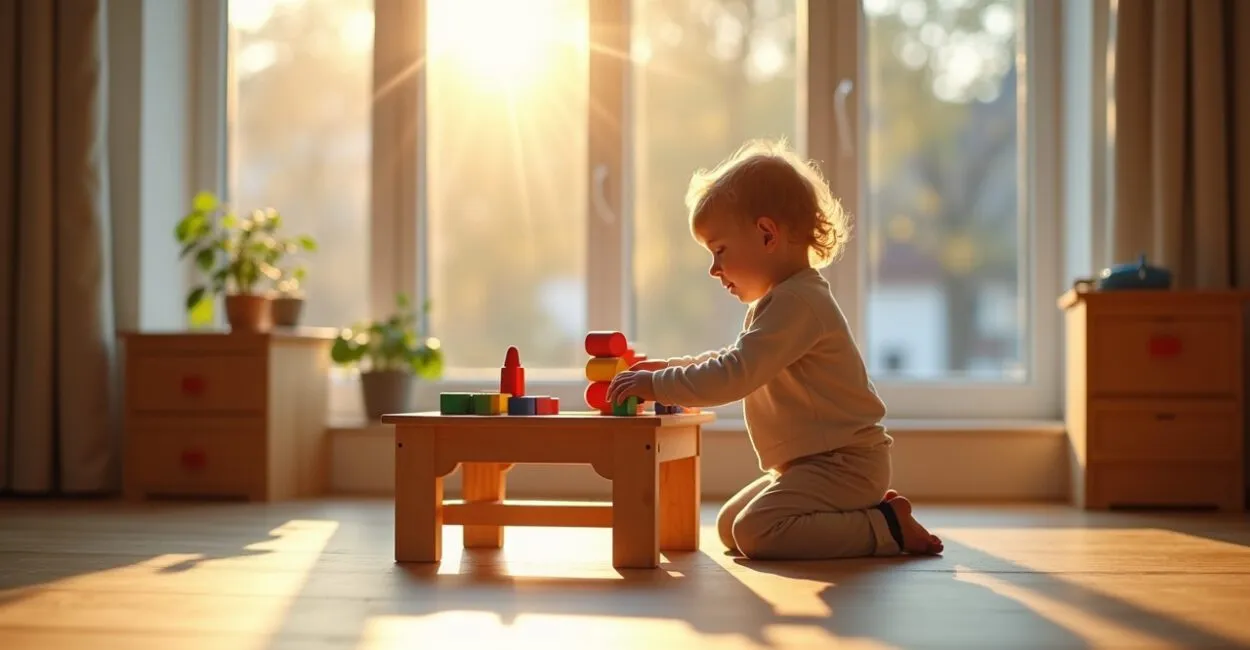
A spot in child care at 10 months and starting preschool at age 4 can both be appropriate choices, depending on the child, the family, and local rules. The right age to start early childhood education in Europe varies; there is no single recommendation that applies to every country. To make a decision, it helps to distinguish three things: when a service accepts children, when pre-primary education begins, and the age at which school attendance becomes compulsory. Readiness, the quality of the setting, and family routines also matter.

What is the right age to start early childhood education in Europe?
There is no single age across Europe for starting early childhood education. A child may start child care as an infant, while preschool usually serves older children; compulsory schooling follows national rules. The decision should take into account the country’s regulations as well as the needs of the child and family.
Technically, early childhood education and care covers services that provide care and learning before primary school. In everyday terms, this may include day care, kindergarten, and preschool, but the names and age ranges differ from place to place.
That is why there is no single European answer to “At what age should a child start day care?” A family that needs care during work hours may look for a spot for an infant; another may arrange care at home and start closer to preschool age. Both arrangements can work.
How do ages and rules differ across European countries?
Rules vary by country and, in some cases, by region, municipality, or type of service. The age at which a child can attend day care is not necessarily the age when pre-primary education or compulsory schooling begins.
In France, education is compulsory starting at age 3. In Finland, pre-primary education is compulsory at age 6; in Sweden, compulsory preschool class also begins at age 6. These examples show why it is risky to treat “compulsory schooling by European country” as synonymous with the age to start day care.
In Nordic countries such as Finland and Sweden, services for young children make room for play, social interaction, and time outdoors. That does not mean every institution follows the same practices: curricula, hours, availability, and care arrangements vary. To learn about national systems, the European Commission’s Eurydice network provides information about education in different countries.
How can you tell if a child is ready for day care?

Readiness for day care is a developing ability to take part in the service’s routine with adult support: communicating needs, tolerating brief separations, and beginning to interact in a group. It does not require a child to speak fluently, use the bathroom independently, or stop crying at drop-off.
Look at practical signs without turning the list into a pass-or-fail test:
- How does the child signal hunger, tiredness, discomfort, or a need to be held—with words, gestures, or expressions?
- Can the child accept care from other familiar adults, even for short periods?
- How does the child respond to changes in surroundings, noise, waiting, and being around other children?
- What support does the child need to eat, rest, and calm down?
An infant can attend day care without talking or walking; in that case, communication depends on adults observing closely. An older child may need more time to adjust to separation. The assessment also depends on the group, the staff-to-child ratio, and the service’s ability to meet individual needs.
What do children do at different ages?
Activities depend on the child’s age, the curriculum, and the institution, but they often move from close, individualized care to a wider range of group experiences. The daily routine may include meals, rest, free play, exploration, and activities led by educators.
Read also: Early Childhood Education: Foundations and Practices
| Approximate age group | Common experiences |
|---|---|
| Infants | Individual care, sleep and feeding, interaction with adults, and sensory exploration. |
| Toddlers | Play, movement, developing language, and early experiences of being part of a group. |
| Preschoolers | Group activities, storytelling, games, artistic expression, and preparation for school routines. |
These age groups are only a general guide: a day care center may serve children of different ages, while preschool may have goals set by the local system. The OECD’s work on early childhood education and care addresses the variety of policies and services without reducing quality to a specific starting age.
Do starting earlier or later bring benefits and challenges?
Starting early can make it easier for parents or guardians to arrange care while they work and provide opportunities for play and social interaction; it can also bring difficult separations and changes to sleep or eating routines. Starting later may give families more time to provide care at home, but it does not guarantee an easier adjustment afterward.
A child is not behind just because they did not attend day care as an infant. Development happens in many settings, and the quality of interactions matters: talking, playing, reading, and responding to a child’s initiatives are valuable experiences both inside and outside an institution.
It’s important to recognize the limits of this guidance: no single age produces the same effect for every child. Health, temperament, support needs, and the quality of the service can all affect the decision. If you have concerns about language, hearing, eating, or interaction, talk with the child’s pediatrician or another professional who works with them.
How can you prepare a child and handle tears during the transition?
Crying during the transition to day care is common and, by itself, does not prove that a child isn’t ready. To understand how things are going, notice whether the child can calm down with the educator, play, or accept care after the parent or guardian leaves, and whether the distress lessens over time.
A gradual transition may include visiting the classroom before the first day, keeping goodbyes brief and consistent, and agreeing with the staff on how the first visits will go. A familiar object may help, if the institution allows it. Avoid sneaking out: saying goodbye can be hard, but disappearing without warning can also undermine a child’s trust in the routine.
A typical example: a child cries when their parent or guardian hands over the backpack but accepts comfort from the teacher and soon becomes interested in the toys. The staff can keep track of the child’s crying, eating, and rest to decide with the family whether to stick with the plan or adjust the time spent there. If the distress continues, gets worse, or comes with difficulty eating and sleeping, it may be worth reviewing the transition with the educators and, if needed, the pediatrician.
How can you decide based on your family’s routine and needs?
A good decision takes the child’s well-being and the family’s ability to make care work into account, rather than chasing an abstract ideal age. Work, commute, parental leave, availability of spots, and support from siblings or relatives can matter as much as a preference for starting earlier or later.
Before accepting a spot, ask about the transition plan, sleep and mealtime routines, group size, communication with families, and how educators respond to crying. Also check the rules on the official website for the country or municipality, since availability and access requirements may vary locally. UNICEF’s early childhood development resources offer guidance on the role of care and relationships in the early years.
If you have concerns about development, bring specific examples to the conversation: how the child asks for help, responds to changes, or recovers after a separation. This is usually more useful than comparing their age with that of other children.
In short:
| Question | One-line answer |
|---|---|
| Is there one age for all of Europe? | No; ages and rules depend on the country, the service, and the child. |
| Is day care compulsory schooling? | Not necessarily; child care, preschool, and compulsory education are different categories. |
| Does crying mean a child isn’t ready? | Not by itself; notice how the child calms down and takes part after saying goodbye. |
| Does starting later cause delays? | No; starting early does not guarantee an advantage and is not a universal requirement for development. |
The next step is to compare your family’s actual routine with how two or three local institutions operate and confirm the official enrollment rules. Choose a transition plan the staff can support, then reassess based on what the child shows—not just their age.
Frequently asked questions
Does a child need to be potty trained to start day care?
In general, potty training is not a requirement for infants and toddlers, but policies vary by institution. Before enrolling, ask how staff handle diaper changes, hygiene, and communication with families.
Is it better to start the transition before moving to a new home?
If possible, avoid piling several major changes into the same week, such as starting day care and moving. If that can’t be avoided, let the staff know so they can provide a predictable routine and keep an eye on how the child responds.
Does a bilingual child need special support at day care?
Bilingualism, by itself, does not prevent a child from adjusting. Tell the educators which languages the child hears and how they usually communicate their needs in each one, so they can recognize the child’s gestures, words, and other ways of communicating.
How can you compare the quality of two institutions?
Notice whether staff know the children by name, respond to their initiatives, and explain how they handle conflicts and daily care. A visit during operating hours and a conversation about the transition can tell you more than a promotional list of activities.
%%AGPTRH3%%
Artigos Relacionados
 A School Garden in Early Childhood Education
 The Montessori Method: How It Works in Europe
 Technology for Young Children: Finding the Right Balance
 A Guide to Early Childhood Education: Best Practices, Play-Based Activities, and Innovative Approaches to Whole-Child Development
 Women’s Day Cards for Early Childhood Education: Creative Ideas, Inspiring Messages, and Fun Activities to Celebrate Gender Equality
 Early Childhood Education: A Guide for Parents
