
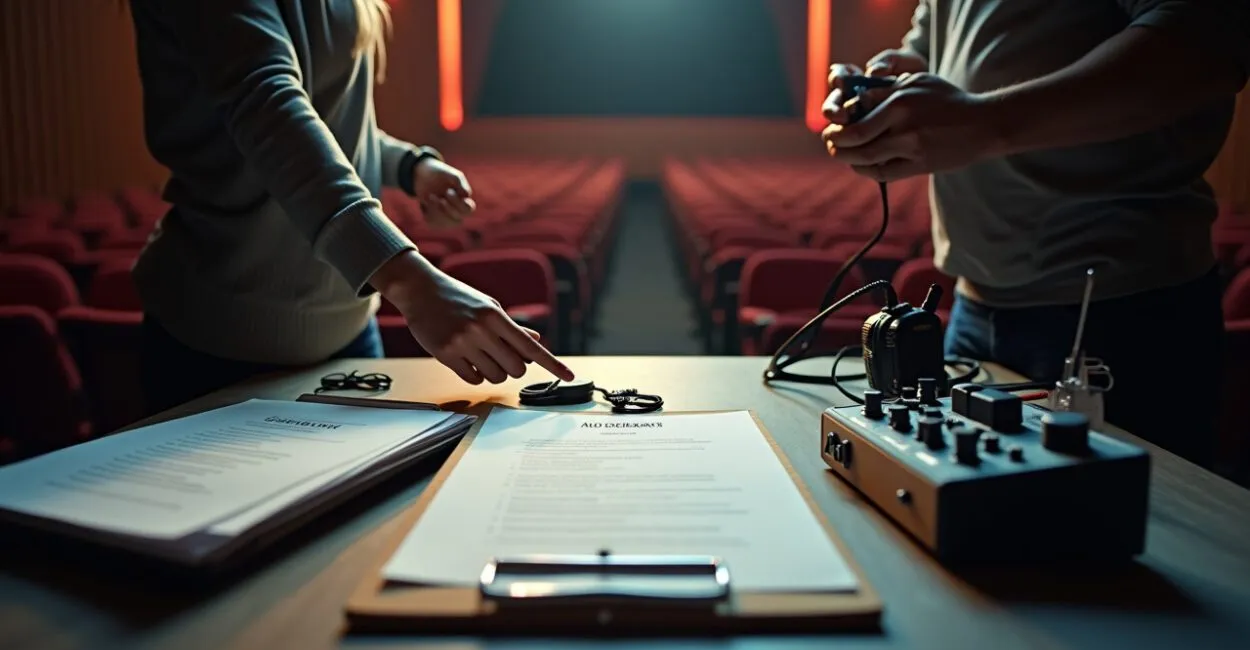
The sound cuts out, the speaker arrives late, the food runs out early—if you’ve experienced this, you know how quickly a talk can turn into chaos. A well-planned logistics checklist for organizing talks can save you sleepless nights and prevent costly “I’ll take care of that later” moments. Below is the complete list of what really matters: venue, sound, catering, check-in, schedule—and everything that connects these elements to keep the event running smoothly.
1. Technical Definition: What Is a Logistics Checklist for Organizing Talks, and Why Does It Work?
Formally, a logistics checklist for organizing talks is a sequential, verifiable inventory of the tasks, owners, deadlines, and resources needed to run a public speaking event. In practice, it translates a goal into action: delivering content to an audience without operational hiccups. A checklist turns risk into procedure. Event professionals call this an operational runbook: a step-by-step guide that any team member can follow and check off on the day of the event.

- Key metric: average incident resolution time—it goes down when you use a checklist.
- Technical term: operational runbook (a guide to procedures).
2. Venue: Selection, Contract, and Floor Plan—the Mistake That Can Ruin Everything
Choosing a venue involves more than finding a nice-looking room. A logistics checklist for organizing talks covers capacity, accessibility, acoustics, parking, and a backup plan for rain or overcrowding. The most common mistake is trusting the website photos without visiting the venue in person. I’ve seen teams discover during setup that there weren’t enough power outlets—with avoidable equipment workarounds, delays, and stress as a result.
Read also: Effective Talk Outline and Structure: Ready-to-Use Template
- Practical checklist: site visit, map of power outlets, evacuation routes.
- What to avoid: a contract without a cancellation clause for structural issues.
3. Sound and AV: Specifications, Testing, and Redundancy—Don’t Leave It to Chance

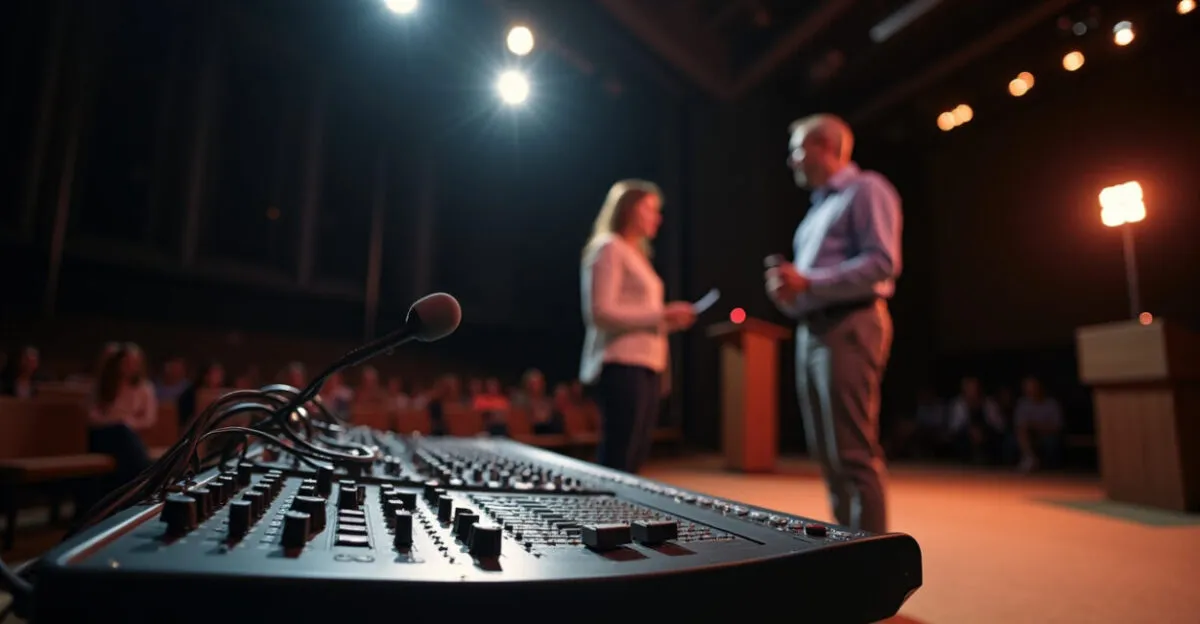
Audio is mission-critical. A logistics checklist for organizing talks should include microphone type (lapel or handheld), a mixing console, audio channels, a recording output, and backup microphones. Thorough testing with the speaker onstage at least 60 minutes beforehand can save presentations. A quick comparison: before (no test) = 70% risk of failure; after (testing + backup) = almost no impact.
- Common mistake: relying on Wi-Fi for audio without an offline fallback.
- Recommendation: make an independent local recording for podcasts and post-production.
4. Catering and Hospitality: Schedule, Dietary Needs, and Serving Order
Catering can become a crisis when the timing is off. Include service times, options for dietary restrictions, restocking stations, and a plan for excess or shortages in your logistics checklist for organizing talks. A talk interrupted by a long line at the coffee break loses audience attention and credibility. One example: at an event for 200 people, the coffee break was delayed by 30 minutes because the caterer brought the wrong portions. Attendees missed the next session, and satisfaction plummeted.
Read also: Organizing Talks for Events
- Checklist: confirm the menu, label allergens, and schedule restocking every 30 minutes.
- What to avoid: choosing a caterer based on price alone without checking references.
5. Check-In and Audience Flow: From Arrival to the Help Desk
First impressions matter. A logistics checklist for organizing talks should spell out badge types, check-in stations, lines, volunteers per shift, and the registration system (digital or paper). Poor crowd flow leads to congestion, delays, and frustrated hosts. Organizing lines by arrival time and using QR code scanners can reduce wait times and confusion.
- Comparison: preprinted badges vs. digital check-in—preprinted badges speed things up, while digital check-in makes last-minute registration easier.
- Common mistake: not scheduling enough volunteers for the peak arrival period.
6. Schedule and Time Management: The Day-Of Run Sheet and Contingency Planning
A schedule is a social contract with the audience and speakers. The logistics checklist for organizing talks should map out setup, rehearsal, opening, sessions, breaks, and teardown—and assign an owner to every critical time slot. Having a “timekeeper” with the authority to shorten or extend sessions can save the event. A brief example: at one seminar, the moderator ran 15 minutes late. The timekeeper reworked the breaks and kept the event on schedule without a crisis.
- Include in the checklist: transition time between talks, a buffer, and a plan for extending a session in real time.
- What to avoid: a schedule with no clearly assigned owner.
7. Safety, Permits, and Crisis Communications
Safety isn’t just window dressing. The logistics checklist for organizing talks should include permits, general liability insurance, a fire safety team, evacuation plans, and emergency contacts. Neglecting permits can lead to fines or a last-minute cancellation. According to publicly available guidance, events must comply with local regulations. Check with the responsible municipal agency and submit your paperwork well in advance.
- Minimum checklist: permit, insurance, evacuation plan, emergency contact list.
- Common mistake: assuming the venue’s documents are all up to date—always confirm in writing.
Practical references: for statistics and administrative guidance, consult official sources such as the IBGE (Brazilian Institute of Geography and Statistics) and government service information about events on Portal Gov.br (Brazil’s government services portal). These resources can help you validate expected attendance and legal requirements. Before using any checklist, remember: these methods work well for medium- to large-scale events, but very small or informal gatherings may call for a simpler, adapted version. Not every item applies to every kind of talk—let the context and audience set your priorities.
One final question: you can prevent 90% of problems with a well-designed checklist—what are you going to leave to chance?
Frequently Asked Questions
How Far in Advance Should I Start Building a Logistics Checklist for Organizing Talks?
Ideally, start at least 8 to 12 weeks before the event. Use the first few weeks to choose the venue, finalize the sound contract, and book vendors; lock in catering and the detailed schedule 4 weeks out; then run tests and send instructions during the final week. Smaller events may require less time, but a shorter timeline increases the risk of problems. Planning in stages makes it easier to delegate and verify each item on your logistics checklist for organizing talks without rushing at the last minute.
Which Checklist Items Are Critical on the Day of the Talk?
On the day of the event, prioritize tested sound and AV, a functioning check-in process, a moderator who’s aligned with the schedule, on-time catering, and a visible support team. Keep vendors’ contact information in print, along with extra cables and adapters, backup microphones, and a command center for quick decisions. These items on your logistics checklist for organizing talks help resolve most technical and logistical issues without affecting the audience.
How Can I Handle Dietary Restrictions Without Driving Up Catering Costs?
Ask attendees to indicate dietary restrictions during registration; group requests (vegetarian, vegan, gluten-free) and negotiate quantities with the caterer. Plan at least two main options and an alternative for severe allergies. Add labels and a designated information point at the buffet to your logistics checklist for organizing talks to prevent mix-ups. This reduces waste and keeps costs under control without compromising food safety.
Do I Need Insurance for a Talk, and What Kind Should I Choose?
Yes, general liability insurance is recommended for events with an audience. It covers third-party injuries or property damage and can help in the event of an accident at the venue. Check whether the policy covers the venue, third-party vendors, and cancellation for specified reasons. Add a copy of the policy and confirmation of its coverage to your logistics checklist for organizing talks, and verify whether the venue requires you to use a specific insurer.
How Can I Build an Effective Team Using a Logistics Checklist for Organizing Talks?
Assign clear roles: event producer, stage manager, check-in lead, sound/AV technician, catering lead, and safety lead. Share a runbook (checklist) with responsibilities, schedules, and contact information. Give volunteers a quick practice run before the event and establish a clear decision-making hierarchy. Teams with well-defined roles avoid duplicated effort and ensure that every item on the logistics checklist for organizing talks is completed and checked.
Artigos Relacionados
 In-Person Event Checklist: 30 Essential Logistics, Equipment, and Safety Items for Smooth, Well-Run Presentations
 The Essay Checklist: Essential Steps to Earn a Top Score
 Organizing Talks for Events
 Digital Entrepreneurship: 9 Essential Strategies to Build a Successful Online Business and Achieve Financial Freedom in 2026
 Entrepreneurship Books: Essential Picks with Practical Strategies to Grow Your Business and Build an Entrepreneurial Mindset
 Inclusive Environments and Sensory Supports for ADHD: Practical Strategies for Organizing Spaces and Materials to Reduce Distractions
