
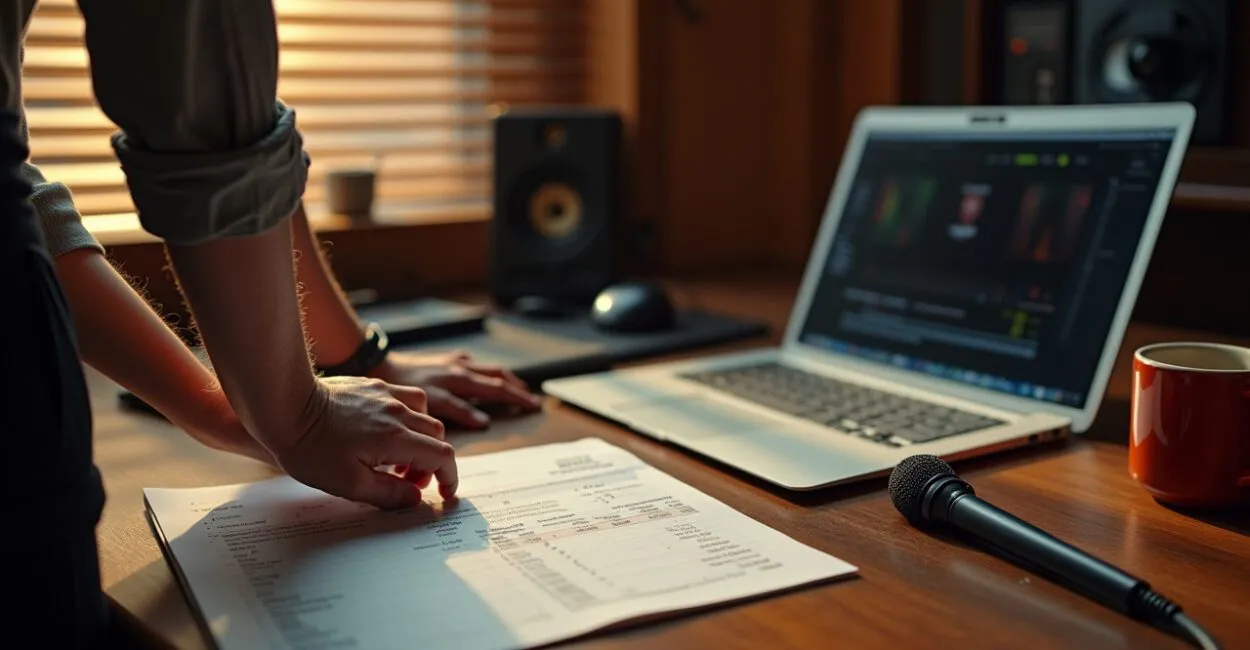
The microphone cut out, the audience got restless, and in the end, the books didn’t balance. That’s the kind of nightmare a poorly planned budget can create. If you need a detailed budget for organizing talks that actually works—with no surprises on event day—read the next few minutes as if they were your final check before ticket sales close.
1. What Is a Detailed Budget for Organizing Talks? A Practical Definition
Technically, a detailed budget is a document that lists all projected revenue and expenses for an event, broken down by category, quantity, and timeline. In plain English, it’s a roadmap showing how much you need to spend, how much you’ll bring in, and where you can cut costs without ruining the experience.

A well-detailed budget helps you avoid costly emotional decisions at the last minute. In practice, that means breaking out venue rental, staff, marketing, speaker fees, and a contingency fund—and updating your spreadsheet whenever a new quote comes in.
2. How to Calculate Every Cost: A Mental Checklist and Essential Items
Start with the fixed setup: venue rental, equipment, technical crew, security, insurance, and cleaning. Then add speaker fees (speakers and moderators), marketing (ads, design, mailing lists), logistics (transportation and lodging), and administrative costs (fees, invoicing, commissions). Always set aside 10–15% for unexpected expenses—it’s the cushion that can save your budget.
- Venue and infrastructure: space, sound, lighting, chairs
- Staff: production, sound technician, registration, security
- Marketing: paid ads, content creation, email marketing
- Speaker fees: speakers, influencers, hosts
- Logistics: transportation, lodging, meals
- Administration and fees: invoicing, ticketing platforms

3. How to Price Tickets Without Making Mistakes

Start by dividing your net costs (everything except taxes passed on to consumers) by a conservative estimate of attendance. For example, if the total cost, including the contingency fund, is R$50,000 and you expect 250 attendees, the base ticket price is R$200. Add a profit margin and different ticket tiers (discounted, regular, VIP) to reach different audiences and optimize revenue.
A smart approach is to project three scenarios: pessimistic (70% capacity), realistic (85%), and optimistic (100%). This shows your break-even point and how sensitive your business is to attendance fluctuations—essential information when deciding whether to cut costs or invest in marketing.
4. Proven Ways to Cut Costs Without Sacrificing Quality
Cutting costs doesn’t mean slashing everything in half; it means prioritizing the impact of every dollar spent. Negotiate vendor packages, seek media partnerships (trade event exposure for promotion), choose venues with infrastructure included, and consider hybrid formats to reduce lodging and logistics costs. Negotiating equipment costs can often save 20–30% of the total when you offer repeat business or future events.
Read also: Organizing Talks for Events
- Trade promotion for access: offer local media outlets tickets in exchange for coverage
- Hybrid formats: fewer in-person attendees, greater digital reach
- Book early: get discounts on equipment rentals
5. Common Mistakes When Creating a Detailed Budget for Organizing Talks (and How to Avoid Them)
Mistake 1: Underestimating speaker fees and technical riders. Many people budget only for the speaker’s fee and forget technical requirements (microphones, travel, backline equipment). Mistake 2: Ignoring ticketing platform fees, which can eat into your margins. Mistake 3: Failing to account for service taxes and withholding taxes.
- What to avoid: relying on verbal estimates without written confirmation
- What to avoid: failing to update the spreadsheet with each new contract
- What to avoid: forgetting to estimate cancellations and refunds
6. A Real-Life Story: When the Budget Saved (or Sank) an Event
I once saw a producer lose 40% of the event crew to illness the day before an event. Thanks to the contingency fund in the budget, they hired freelancers at the last minute, and the event went off without any technical issues. In another case, an organizer dropped the contingency fund and had to cancel a speaker they’d already paid, damaging their credibility and issuing ticket refunds.
Read also: How to Promote Talks and Attract the Right Audience
These two situations show that the difference between an event that survives and one that becomes a headache is almost always in the spreadsheet.
7. Tools and Sources to Verify Your Numbers and Plan with Confidence
Use dynamic spreadsheets (Google Sheets) with scenarios and pivot tables; ticketing platforms with real-time reporting; and event management systems (lightweight ERP software). For macroeconomic estimates and rates, consult official sources: IBGE, Brazil’s national statistics agency, for demographic and consumer data, and the Central Bank of Brazil for inflation and liquidity indicators that affect prices.
Combine public data with your event’s own history—that mix is the best indicator of risk. Keep in mind: this method works well for small- to medium-sized events. For large conferences involving multinational companies, a more robust financial analysis and specialized event insurance are recommended.
A quick comparison: before (a generic budget with no contingency fund) vs. after (a detailed budget with scenarios). Before: reacting to financial fires. After: making proactive decisions, cutting costs strategically, and feeling confident about investing in the audience experience.
Conclusion — A Question to Keep in Mind
You can plan everything meticulously and still fail because you didn’t leave room for unexpected expenses. Or you can build in a cushion and turn surprises into opportunities to improve the experience. What kind of event do you want to deliver: one that simply survives problems or one that makes the most of them?
Frequently Asked Questions
How Much Should I Set Aside for Unexpected Expenses When Preparing a Detailed Budget for Organizing Talks?
It’s recommended that you set aside 10% to 15% of the projected total cost for unexpected expenses when creating a detailed budget for organizing talks. This percentage covers last-minute cancellations, equipment replacements, extra logistics costs, and minor contract adjustments. For events with greater operational risks (outdoor events or complex technical setups), the contingency fund can go up to 20%. The ideal amount depends on the organizer’s track record, audience size, and the event’s technical complexity; use conservative scenarios to avoid surprises.
What Fees Should I Consider When Setting Ticket Prices?
When setting ticket prices as part of a detailed budget for organizing talks, include ticketing platform fees, partner commissions, credit card processing fees, and applicable taxes (such as ISS, PIS, and COFINS, Brazilian taxes that vary based on the type of service). Remember to account for refunds and chargebacks, which affect net revenue. Also consider promotional discounts and discounted ticket allocations so the final price covers all costs and preserves your target profit margin.
How Can I Negotiate Speaker Fees and Cut Costs Without Sacrificing Quality?
Negotiate speaker fees by offering packages (talks plus workshops), promotional exposure in exchange, and flexible dates. To cut costs without sacrificing quality in a detailed budget for organizing talks, consider local speakers with a strong draw, include recorded presentations in hybrid formats, and negotiate streamlined technical riders. Strategic sponsorships can also shift some speaker costs to brands interested in your target audience while preserving the attendee experience.
Is an In-Person, Online, or Hybrid Event Better for Optimizing the Budget?
The choice between in-person, online, and hybrid formats directly affects a detailed budget for organizing talks. Hybrid events often offer greater reach and more digital sponsorship opportunities, lowering the cost per attendee; in-person events provide a stronger experience and support higher ticket prices; online events have lower operating costs but may feel less valuable to people buying tickets. The best choice depends on your audience, revenue goals, and logistical capabilities. Combine formats when you need to balance experience with scale.
What Documents and Contracts Should I Have Ready When Finalizing a Detailed Budget for Organizing Talks?
Have written contracts with the venue, sound and lighting vendors, speakers (with a clear technical rider), outside staff, and ticketing platforms, as well as an event insurance policy when applicable. Include clauses covering cancellations, refunds, and responsibilities in the event of force majeure. Also keep your tax documents organized (invoices and withholding records) to avoid tax surprises. These documents protect your budget and are essential for verifying its figures.
Artigos Relacionados
 The Essential Logistics Checklist for Organizing Talks
 Organizing Talks for Events
 Hub Goiás Event Calendar: Join Exclusive Workshops, Talks, and Meetups to Build Your Skills and Expand Your Network
 Entrepreneur Biographies: Real-World Lessons to Avoid Common Mistakes and Grow Your Business Faster
 Key Metrics: Measure Validation in 7 Days on a Small Budget
 Market Research: Validate Demand in 7 Days on a Budget
