
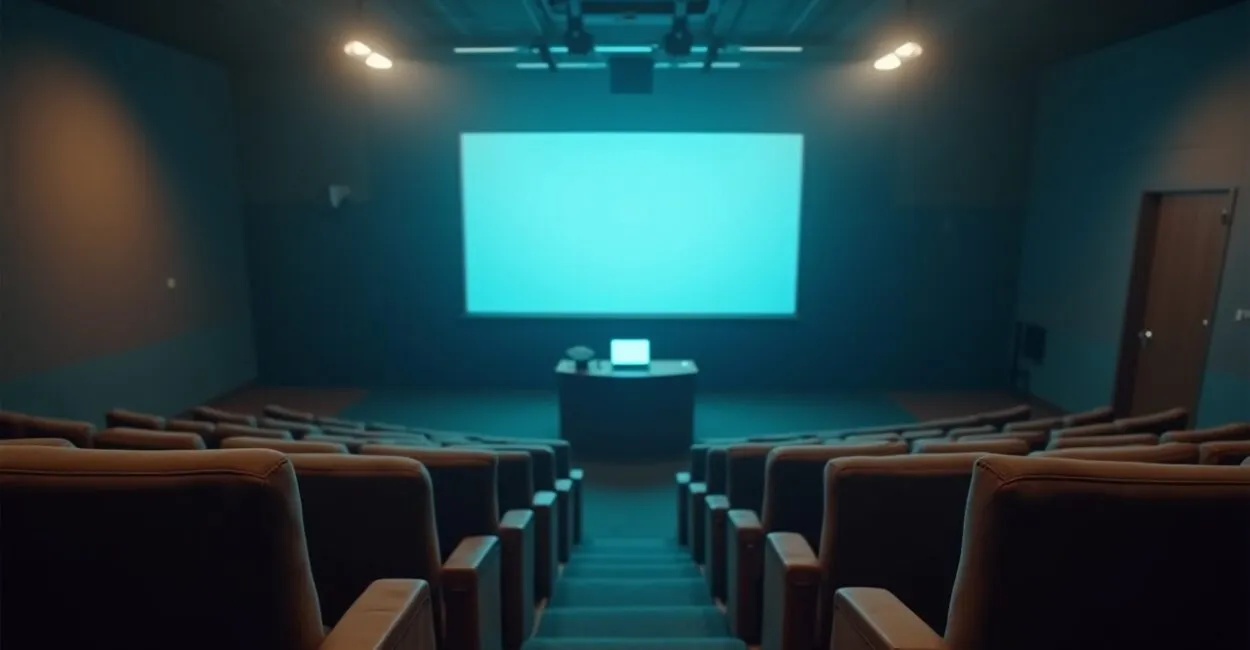
Let’s start in the middle of the story: a talk with empty chairs, the projector on, and the feeling that no one got the right message. If you want to know how to promote talks and attract the right audience—and turn clicks into confirmed registrations—you need to get three things right at once: your message, your channels, and your social proof. Right from the start, you’ll find practical tactics for social media, partnerships, email marketing, and paid ads, focused on reaching people who will actually show up.
1. Technical Definition and Why Targeting Matters
In event marketing, audience targeting is the process of dividing a broad audience into smaller groups with shared characteristics (demographics, interests, and behaviors). Put simply, instead of speaking to “everyone,” you speak to the people most likely to register and attend. Targeting lowers the cost per registration and increases the likelihood that interest turns into attendance. Anyone who works in events knows that advertising to the wrong audience can generate impressive metrics (reach) and still leave you with empty seats.

2. Social Media Targeting: The Right Audience, the Right Creative
Start with custom audiences (people who visited your page or opened your emails) and lookalike audiences (people similar to your existing audience). Test creative assets that address common objections: “Is this worth my time?” and “What will I get out of it?” A well-targeted audience responds more quickly to an ad that speaks to a problem they have than one that focuses on the speaker’s credentials.
- Facebook/Instagram: Use events, instant forms, and engagement-based retargeting.
- LinkedIn: Target by job title, industry, and professional groups for B2B talks.
- TikTok/YouTube: Test short videos with social proof and clear registration calls to action.
Here’s a surprising comparison: broad ads generate reach, but qualified audiences often come from smaller segments—the “before and after” that makes it all worthwhile.
3. Partnerships That Multiply Your Reach (and How to Negotiate Value)

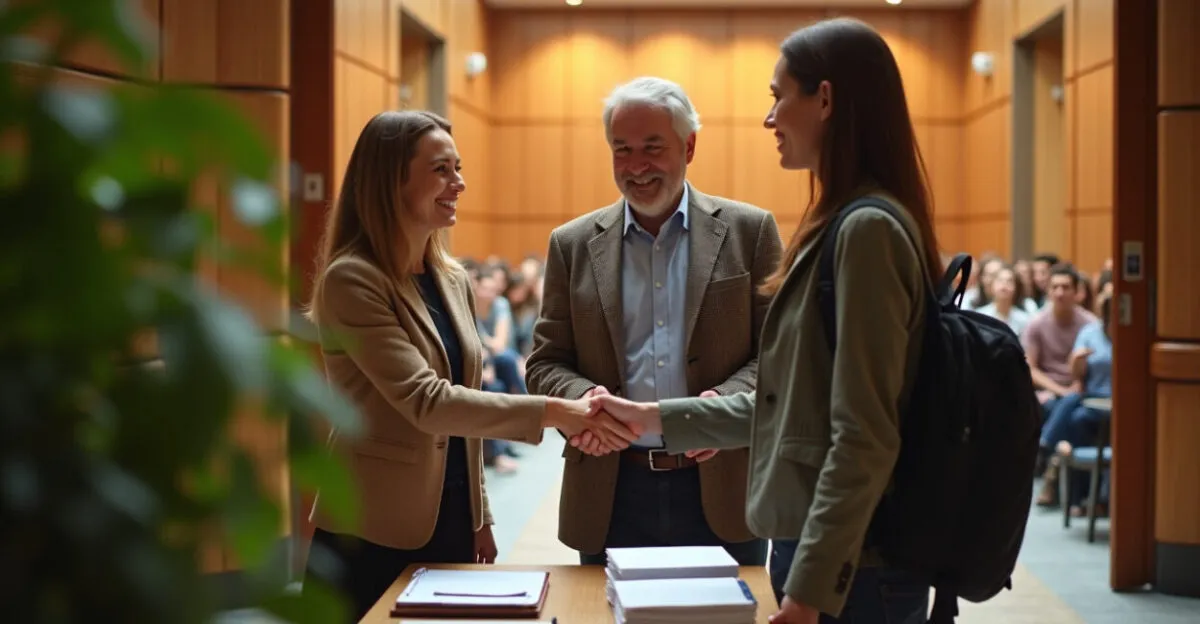
Well-structured partnerships can be more valuable than an expensive ad. Look for associations, universities, and companies with complementary audiences. Offer something in return: a free talk for members in exchange for promotion in their newsletter and on social media.
- Common mistakes: accepting exposure without metrics, failing to formalize agreements, and relying on just one partner.
- What to do: Ask for numbers (open rates, active followers), create a co-branded post, and offer an exclusive registration discount code.
A quick story: At one event I organized, a small local university shared its mailing list and venue; in return, we offered an exclusive workshop. The event sold out within 48 hours, and 40% of registrations came from the university’s list.
4. Email Marketing That Turns Curious Prospects into Confirmed Attendees
Segmentation, timing, and content are the three pillars of email conversion. Start with an invitation, follow up with social proof (testimonials or limited availability), and finish with reminders the day before. Emails with specific subject lines (“Just 20 spots for managers—2 already confirmed”) can increase open rates.
Read also: A Detailed Budget for Organizing Talks Without a Hitch
- Minimum sequence: initial invitation, reminder highlighting a benefit, social proof, and a final reminder 24 hours beforehand.
- Use clear CTAs and optimized registration pages (one button, just a few questions).
5. Paid Ads: Coordinating the Top, Middle, and Bottom of the Funnel
Don’t run ads only to sell tickets right away. Create campaigns for awareness (free content), consideration (a recorded webinar), and conversion (a discount code or limited availability). This combination lowers the cost per registration and improves attendee quality.
- Top of funnel: Short videos that spark curiosity.
- Middle of funnel: Lead magnets (a checklist or recording) in exchange for an email address.
- Bottom of funnel: Retargeting with a limited-time offer.
Adjust your budget: allocate 60% to top- and middle-of-funnel campaigns during a launch, and 40% to conversions as the event approaches. To be honest, paid ads can be expensive in highly specialized niches and may require more extensive testing.
Read also: An Effective Talk Outline and Structure: A Ready-to-Use Template
6. Turning Interest into Attendance: Confirmation Tactics
Registered doesn’t mean attending. Use two-way confirmations: SMS or WhatsApp in addition to email, reminders that highlight a specific takeaway (what attendees will learn in 30 minutes), and incentives to show up (a voucher or exclusive materials). A well-timed sequence can increase attendance rates by up to 35%.
- Registration day: Send a welcome email with details on what to bring.
- 72 hours before: Send a message with useful content (a pre-event briefing).
- 24 hours before: Send a reminder with a direct check-in link or directions to the venue.
7. Metrics, Testing, and Limitations: How to Measure and When to Adjust
Key metrics include ad-to-registration conversion rate, confirmation rate (compare registrations with attendance), cost per actual attendee, and ROI by channel. Always test one variable at a time: creative, audience, or offer.
Reliable sources for benchmarks and best practices include official reports on events and consumer behavior, such as IBGE, Brazil’s national statistics agency, and guidance on entrepreneurship from Sebrae, Brazil’s small business support agency. Academic research can also help you fine-tune your approach, including studies on the effectiveness of email and university advertising. Limitations: this method works well for talks with a clearly defined audience (professionals, students), but may fall short for events that are entirely free or lack a clear value proposition—in those cases, promotion can become an expense with no return.
Links and External Sources
For more information, consult official data and guides: IBGE (demographic data) and Sebrae (guidance for events and entrepreneurs). Academic studies on digital behavior and email marketing effectiveness can also help you fine-tune your tests. One final thought: filling seats is a tactic; building an engaged audience is a strategy. Which one are you willing to prioritize in your next campaign?
Frequently Asked Questions
How Do I Choose the Right Ad Platform for My Talk?
It depends on your audience. For professionals and B2B, LinkedIn often delivers more qualified leads; for general audiences and early-career professionals, Facebook/Instagram work better; for highly visual content or younger audiences, TikTok and YouTube lead the way. Test with a small budget for 7–10 days and compare cost per lead and lead quality (event attendance). Remember to combine ads with retargeting and email to reduce your cost per attendee.
How Far in Advance Should I Start Promoting a Talk?
For local or in-person events, start your main promotion 4–6 weeks ahead; open registration 3–4 weeks in advance to create urgency. For highly niche audiences or complex B2B talks, start 8–12 weeks ahead to allow time for partnerships and engagement. If the event is free and spots aren’t limited, shorten the timeline, since people are less likely to commit to attending.
What Promotional Materials Help Increase Registration Rates?
Elements that increase conversions include social proof (testimonials or the number of past attendees), a clear benefit in one sentence (“what you’ll learn in 30 minutes”), scarcity (limited spots or a time-limited discount), and a direct registration CTA. Also use photos or short videos of the speaker in action and a short form to avoid losing interested people to friction.
How Can I Tell Whether My Partnerships Are Working?
Ask potential partners for metrics before you agree (newsletter open rates, actual reach). Use unique codes or links to track registrations and calculate the share that came from each partner. Compare cost and benefit: if 30% of registrations came from a partner and required little effort on your part, the partnership is worthwhile. Put everything in writing to avoid misunderstandings.
What Are the Most Common Reasons People Don’t Show Up?
Common mistakes include failing to communicate the event’s value, not sending reminders, requiring a lengthy registration form, targeting the wrong audience, and providing unclear logistical information. Another mistake is relying on just one channel (for example, social media alone) without retargeting or SMS/WhatsApp confirmations. Avoiding these issues can significantly improve attendance.
Artigos Relacionados
 Organizing Talks for Events
 Hub Goiás Event Calendar: Join Exclusive Workshops, Talks, and Meetups to Build Your Skills and Expand Your Network
 Startup Books: What to Read First to Validate Ideas, Attract Investors, and Scale in Your Early Years
 Neighborhood Store: 5 Ways to Attract Customers in 2025
 Sustainable Supply Chain Audits: How to Audit Suppliers, Reduce Emissions, and Earn Certifications That Attract Responsible Customers
 Sustainability Labeling and Communications: Practical Strategies to Showcase Your Sustainability Credentials and Attract Conscious Consumers Honestly
