
Let’s start in the middle: imagine the projector light cutting out as the audience murmurs—that happened to me at the third talk I organized. By organizing talks step by step, you can avoid this kind of technical disaster and draw an audience. In this practical guide, I’ll get straight to the point and walk you through every stage, from choosing a topic to evaluating results, with real-world examples, costly mistakes to avoid, and a checklist for beginners.
1. Technical Definition and Practical Overview of the Process
Formal definition: organizing talks is the coordinated set of preproduction, production, and postproduction activities for an educational or informational event. It involves content curation, stage logistics, financial management, communication, and impact evaluation. Put simply, it means planning who speaks, where and when they speak, and how to make sure the audience leaves satisfied. By organizing talks step by step, you can turn a rough idea into a memorable experience. In practice, that means setting a schedule, creating checklists, and clearly assigning roles.

2. Choosing a Topic That Sells and Keeps the Audience Engaged
Start with a specific question: who is this talk for? Simple data can help—survey 20 people in your target audience before making a decision. A poorly matched topic is behind 60% of empty rooms; choose something specific—not “leadership,” but “leading remote teams in 2026.”
For example, I gave a talk on communication that drew three times as many people after I revised the title and target audience.
- Common mistakes: choosing a generic topic, misaligning expectations, and using a weak title.
- What works: promising a clear benefit and suggesting a practical takeaway.
When organizing talks step by step, test three title variations before settling on one.
3. Logistics Planning to Prevent Last-Minute Crises

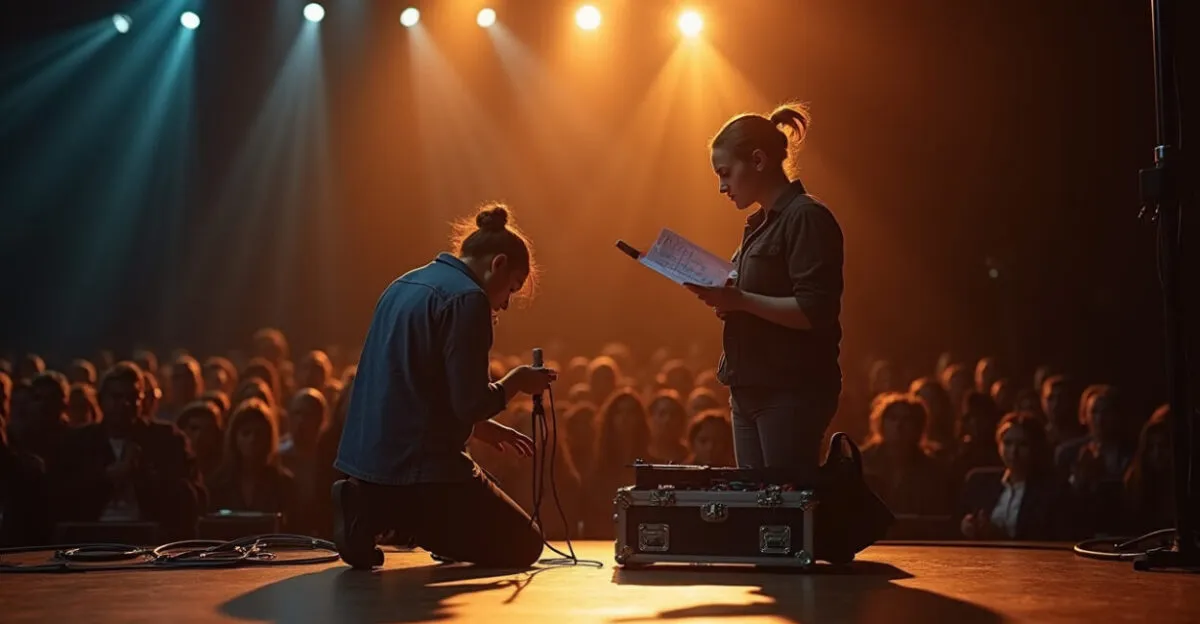
I’ve said it at events: logistics prevents 80% of emergencies. Planning the venue, equipment, check-in, attendee flow, and a backup plan for internet or power is essential. Without solid logistics, you’re relying on luck—and luck won’t pay the venue rental. A quick story: at one event, a microphone failed. Because we had a backup technician and an extra mic, the audience never noticed.
When organizing talks step by step, list vendors and build 30–60 minutes of buffer time into the schedule.
- Quick checklist: venue contract, sound check, evacuation route, and accessibility.
4. A Realistic Budget: From Coffee to Speaker Fees
Break your budget down by line item: venue, staff, food, transportation, promotion, and contingencies (10–15%). Underestimating speaker fees and service charges is the mistake most likely to blow your budget. Here’s a surprising comparison: cutting 10% from the coffee budget can lower audience satisfaction, but cutting 10% from promotion can reduce attendance by 50%. When organizing talks step by step, create three budget scenarios: lean, ideal, and conservative.
Read also: Essential Logistics Checklist for Organizing Talks
- Common mistakes: leaving out taxes and forgetting payment platform fees.
5. Promotion That Builds Anticipation—not Just Reach
Reach is a vanity metric; engagement sells tickets. Plan content for before, during, and after the event: teasers, social proof (testimonials), reminders, and thank-you messages. A well-timed sequence drives more conversions than expensive ads. Use email, social media, partners, and press outreach. When organizing talks step by step, create a posting calendar and track simple metrics (CTR, conversion rate, and cost per ticket).
- What to avoid: one-off posts without a CTA and focusing only on vanity metrics.
6. The Audience Experience During the Talk
A satisfied audience comes back and recommends the event to others. Think through the attendee journey: arrival, welcome, a prompt start, an engaging speaker, time for questions, and an orderly exit. Details like proper lighting and five-minute breaks help keep the audience engaged. I’ve seen audiences leave without hearing the Q&A because the schedule was too packed—that kills networking. When organizing talks step by step, set a time limit for each segment and communicate it clearly to the audience and speakers.
Read also: Effective Talk Outline and Structure: A Ready-to-Use Template
- Common mistakes: running over time, poor sound, and no supporting materials.
7. Evaluation and Metrics: Proving It Was Worth It
Measuring results is just as important as planning. Collect data using a post-event survey, NPS (Net Promoter Score), attendance rate compared with registrations, revenue per attendee, and ROI. Without numbers, the next event is a gamble; with them, you have a case study. When organizing talks step by step, define your KPIs before you start and compare them with the actual results.
- Before and after: before, decisions based on intuition; after, decisions guided by data.
Useful sources include the Brazilian federal government portal (for event rules and safety) and university studies on engagement (look for .edu reports to find benchmarks).
This method works very well for corporate and academic events, but may fall short for impromptu gatherings or highly unpredictable audiences—every situation calls for adjustments. Still, following these steps helps you reduce common mistakes, control costs, and increase your chances of filling the room. Experienced organizers know that planning doesn’t stifle creativity; it gives it room to shine.
I’ll leave you with a question: which risk are you willing to take—losing attendees because you didn’t plan, or earning a reputation for thinking through every detail? When you organize talks step by step, the choice is clear.
Frequently Asked Questions
How Do I Choose the Best Speaker for My Audience?
First, align the speaker with your goal and audience: do you want to inspire, train, or sell? Look into the speaker’s experience at similar events, ask for videos and references, and check recent reviews. Consider more than name recognition—look at their teaching skills and ability to tailor content to the audience. Agree on speaking time and provide a briefing in advance. If possible, schedule a technical call to review slides and examples. This helps prevent a mismatch on event day and delivers more value to attendees.
What’s a Safe Contingency Budget for Small Events?
For small events, setting aside 10% to 15% of the total budget usually covers typical surprises, such as extra fees, speaker travel, or equipment. For events with more complex logistics or paid attendees, consider increasing that to 20%. Document every expense and keep the reserve separate—don’t mix it with operating cash. This buffer gives you flexibility to solve problems without taking money away from other areas, such as communication or the audience experience.
How Can I Measure Success Beyond Attendance?
Use a mix of qualitative and quantitative metrics: NPS for satisfaction, registration completion rate for sign-up intent, interaction during the talk (questions, polls), leads generated, and direct revenue. Track post-event indicators too, such as material downloads or registrations for upcoming sessions. Combine attendance data with an impact survey to find out whether people applied what they learned. These metrics help you evaluate learning, engagement, and the potential for future events.
What Basic Tools Help with Logistics and Check-In?
Essential tools include online registration platforms that issue tickets, QR code check-in systems, event management software for scheduling and communication, and shared spreadsheets for vendors. Set up a support channel (WhatsApp or chat) for questions and keep an offline backup of attendee records in case the internet goes down. These tools reduce lines and communication errors and make it easier to collect post-event data, helping even small events run more professionally.
When Should I Start Promoting to Ensure a Good Turnout?
For free local events, start 4–6 weeks ahead. For paid events or those featuring well-known speakers, begin 8–12 weeks in advance. Stagger your announcements: make an initial announcement, open ticket sales, send reminders, and create urgency as the date approaches (for example, “last seats”). Test your channels in the first few days so you can adjust your spending. This cadence builds anticipation and lets you track conversions by channel, helping you optimize your promotional budget. Also plan last-minute outreach to reach people who are still deciding.
Artigos Relacionados
 Certificando.PRO – Organize Your Event or Course, Automatically Generate Certificates, Attendance Sheets, and Badges
 How to Organize Your Personal Finances Step by Step
 Hub Goiás Event Calendar: Join Exclusive Workshops, Talks, and Meetups to Build Your Skills and Expand Your Network
 Entrepreneurship: 9 Practical Steps to Make Money Fast
 Inclusive Environments and Sensory Supports for ADHD: Practical Strategies for Organizing Spaces and Materials to Reduce Distractions
 Task Delegation at Events: Agile vs. Traditional Methods to Reduce Errors and Improve Team Efficiency
