
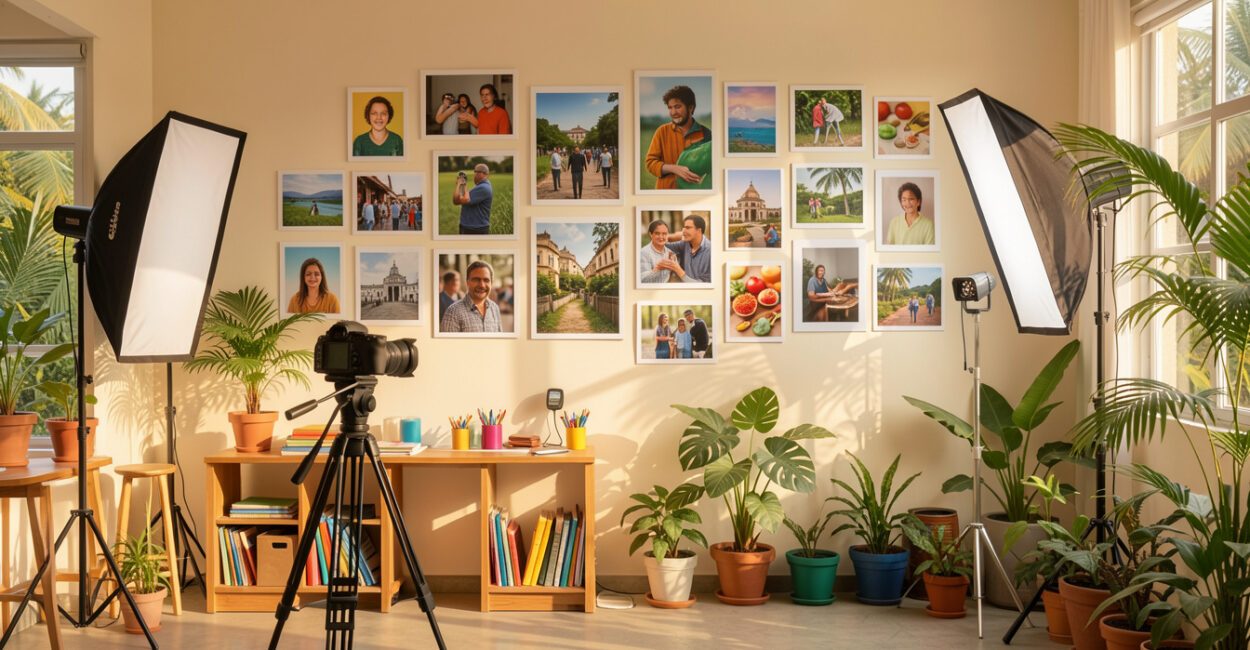
A photograph can serve as evidence of an event, a family keepsake, or an image created to invite interpretation. Photography is the technique and practice of making images with light, but it is also a visual language shaped by choices: what appears in the frame, when the image is captured, and how it will be presented. People looking for information on the subject may want to understand its history, explore career paths, or decide whether studying photography is worthwhile. Below, each topic is covered in context, with criteria for choosing an approach and evaluating educational options.
At a glance
- Definition: Production of images by capturing and recording light.
- Origin of the term: Formed from Greek elements associated with light and writing or drawing.
- Main media: Photographic film and digital sensors.
- Uses: Artistic expression, memory, communication, documentation, science, and commercial work.
- Education: Nondegree courses, professional training, and college programs, depending on the institution and curriculum.
What photography is and how to define it
Photography is the formation of an image through the action of light on a light-sensitive medium, such as film, or on an electronic sensor. Put simply, a camera records light reflected or emitted by a scene. The result depends on exposure, framing, equipment, and the photographer’s intent.

The word comes from Greek roots associated with “light” and “writing” or “drawing.” This origin helps explain the process, but the technical definition does not tell the whole story: a photograph also communicates, selects, and organizes information. A portrait taken for an ID and one created for an exhibition may use similar techniques, even though they serve different purposes. In a camera, aperture, shutter speed, and ISO sensitivity control exposure. Aperture controls how much light enters and affects depth of field; shutter speed determines how long light reaches the sensor or film; and ISO indicates the sensitivity used to capture the image, with possible effects on digital noise or film grain.
Photography turns light into an image through technical and visual choices.
Photography: milestones in its technical and cultural history
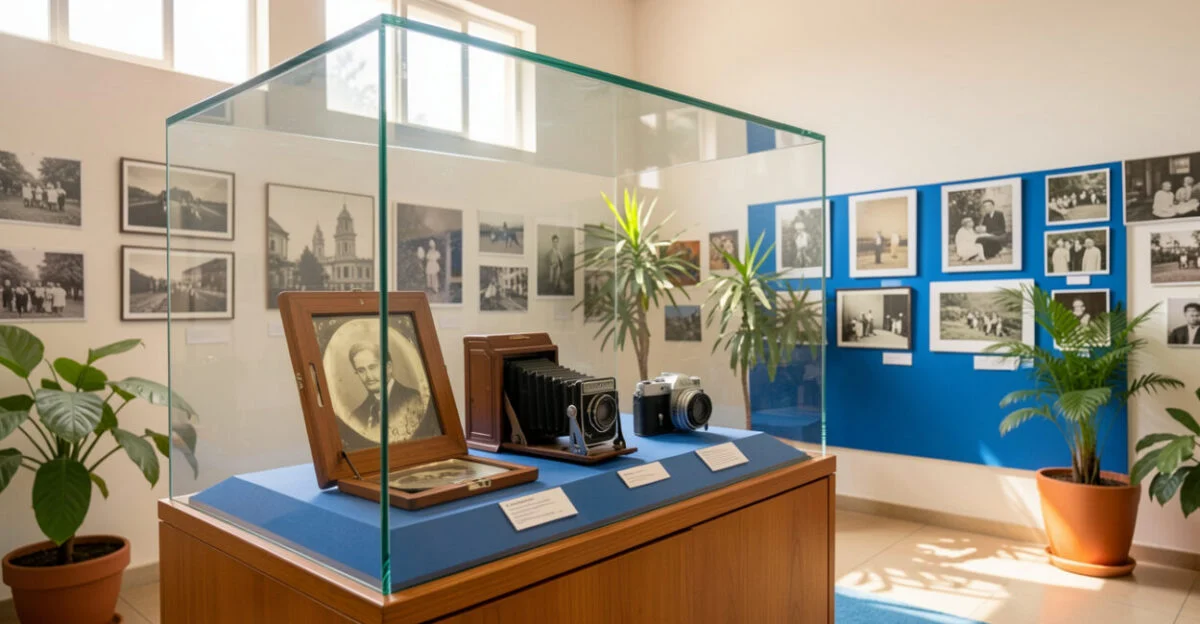
The history of photography brings together optical experiments, chemical processes, and changes in how images are shared. The camera obscura, known long before modern photography, projected an inverted scene onto a surface; the challenge was to make that image permanent.
In the 19th century, processes such as the daguerreotype and calotype made it possible to produce lasting photographs. The daguerreotype created a single image on a metal plate, while the calotype made it possible to produce copies from a negative. The George Eastman Museum preserves collections and materials dedicated to the history of photography and its processes.
With flexible film and more affordable cameras, photography was no longer limited to studios and specialized operators. It became part of home life, the press, and advertising. Later, digital sensors and editing software changed how images were captured, reproduced, and distributed.
Today, smartphones combine optics, sensors, and computational processing. A device may merge multiple exposures, adjust colors, or reduce noise before saving an image. This automation makes some situations easier to handle, but results vary depending on the light, movement, and software. That is why computational photography does not eliminate the need to assess what was captured.
What are the five best-known types of photography?

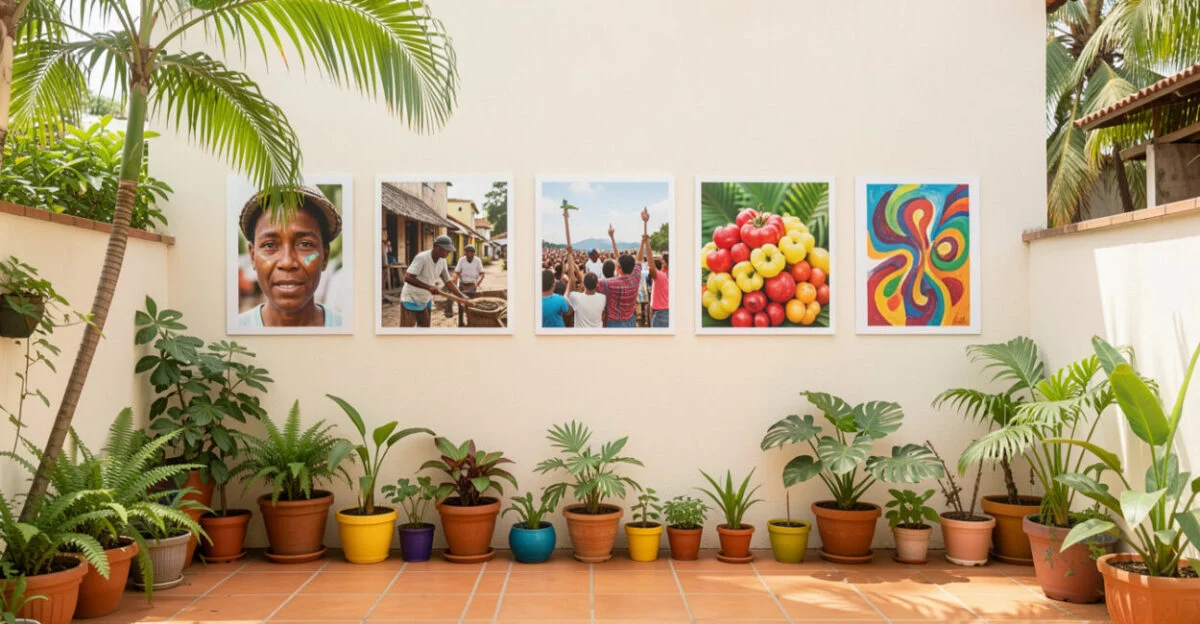
There is no universal classification limited to just five types. The categories below group common areas by their primary purpose. A single image can span multiple categories: a photograph of a protest, for example, can be both journalistic and documentary.
Type
Purpose
Common context
Characteristic
Portrait
Represent a person or group
Studio, editorial, family
Expression, posture, and the relationship to the background shape how the image is read.
Documentary
Record people, places, or processes over time
Personal projects, archives, reporting
Context and sequence help viewers interpret each image.
Photojournalism
Inform people about current events
News media and event coverage
Timing, accuracy, and caption context are essential.
Commercial
Showcase products, services, or brands
Advertising, catalogs, e-commerce
Lighting, composition, and editing are guided by a brief.
Fine art
Explore an idea or create a visual expression
Exhibitions, books, personal projects
Formal and conceptual choices guide interpretation.
These labels describe purposes, not rigid categories. Architectural, nature, sports, fashion, food, and music photography can be commercial, editorial, documentary, or personal, depending on who commissions the image and how it will be used. In music photography, for example, shooting a concert for the press calls for different decisions than creating promotional images for a band.
What photography is used for
Photography preserves personal memories, but it also creates records that are useful to others. In journalism, it helps document events; in science, it makes it possible to observe structures and changes; and in business, it showcases products and builds visual identity.
Read also: Construction Automation: Sensors, IoT, and Real-Time Management
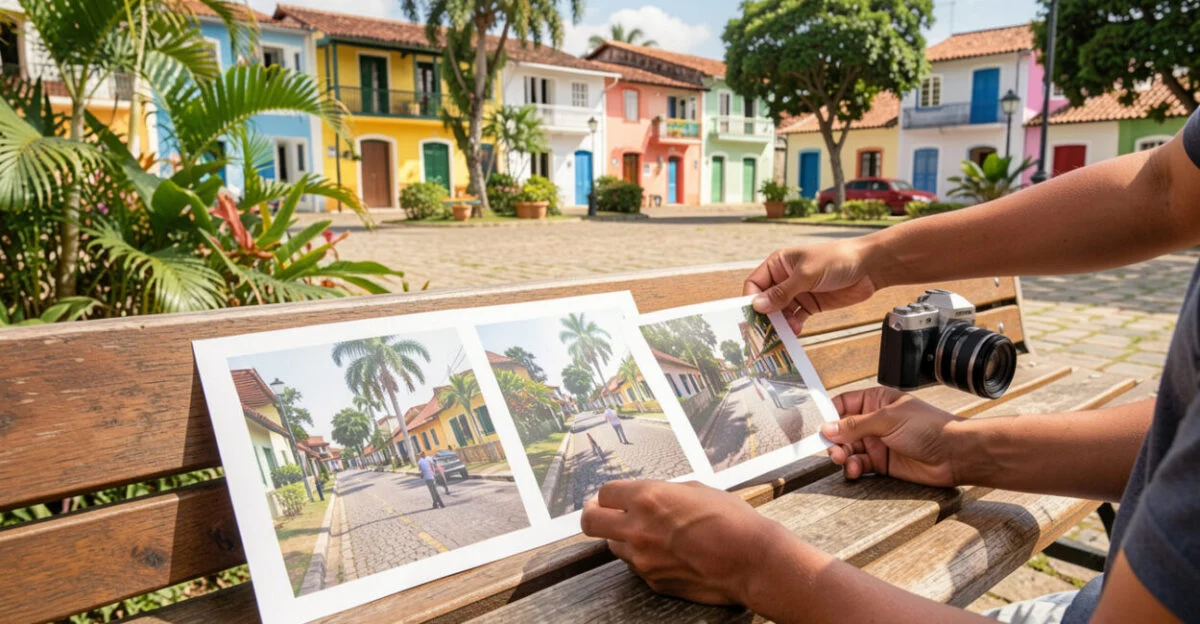
Documentary photography follows real-life situations to communicate context, experience, or change. A project about changes in a neighborhood, for example, might combine portraits, street scenes, captions, and images taken at different times. A sequence and information about the location, date, and circumstances help the audience understand the material.
Editing requires care in journalistic and documentary work: exposure and color adjustments can improve clarity, but changes that alter the meaning of an event undermine credibility. Captions matter, too. Even a genuine photograph can be misleading if presented out of context.
Read also: Professional Gamer: A Complete Guide to Building a Successful Career
Images also serve as shared memories in everyday life. A family album, travel archive, or record of a community activity may become more valuable over time, especially when names, dates, and places are preserved alongside the files.
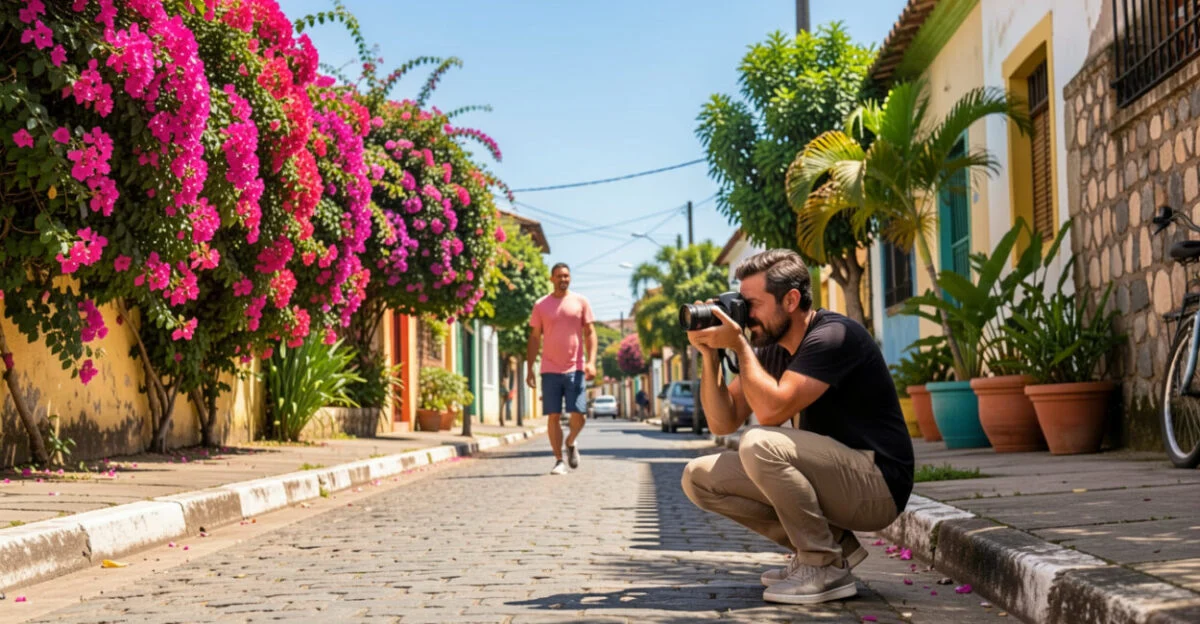
Photography as art and a form of expression
Photography can be art when image-making choices contribute to an exploration or expressive vision. A visually appealing result alone does not make something an artistic work: intent, the relationship between images, the presentation context, and the interpretations the work invites all matter.
Composition, perspective, focus, color, and light direct the viewer’s attention. Photographing a street at eye level creates a different relationship from shooting it from above. Choices are also made before and after the shutter is pressed: selecting a lens, waiting for someone to cross the frame, or deciding which images belong in a series.
The meaning of a photograph comes from the image and the context in which it is seen.
Documentation and creativity can coexist. A documentary photograph also involves framing and selection, but that does not justify inventing events or removing relevant information. The acceptable level of intervention depends on the purpose and conventions of the field; journalism, advertising, and art have different commitments to representation.
What you study in photography and where to learn
Photography courses cover the fundamentals of exposure, focus, lenses, lighting, and composition, along with hands-on image capture, editing, and presentation. Depending on the program, the curriculum may also include history, visual language, file management, production, and ethics.
Learning only the camera settings often leaves gaps. Understanding why an image turned out blurry, for example, requires connecting shutter speed, subject movement, and camera stability. In editing, understanding white balance and contrast helps you correct problems without losing the scene’s intent.
Different options meet different needs. A nondegree course may focus on a specific skill; a professional training program tends to develop practical skills for the workplace; and a college program typically offers a broader path with both theory and hands-on classes. Senac courses vary by location and format, so check the curriculum, number of hours, and requirements for the available class.
- Nondegree course: Choose one if your goal is to learn a technique or explore the subject without committing to an extensive program.
- Professional training: Check whether the program includes hands-on practice, workflow, editing, and preparation for client needs.
- College program: Compare the curriculum, format, accreditation, and the status of the institution and program in the Ministry of Education’s e-MEC system.
If you’re comparing a photography degree with shorter courses, start with the work you want to do and the kind of guidance you need. To explore the relationship between images and visual communication, you may also want to learn about Graphic Design programs. If you’re looking for educational options outside higher education, see the paths described in careers that don’t require a college degree.
How to choose a photographic approach for each goal
The right approach depends on what the image needs to do. Before picking up your camera, define its purpose, audience, and intended use. Those answers will determine whether to prioritize spontaneity, controlled lighting, speed, or documentary accuracy.
- Define the purpose: A catalog image calls for consistency across products; event coverage needs to capture important moments without interrupting the action.
- Consider the audience: Identify what viewers need to notice and what information should accompany the photo.
- Assess the setting: Check the available light, space, movement, and access restrictions before choosing your position and framing.
- Work with the equipment you have: Adapt your technique to your camera or phone. In low light, a slow shutter speed can blur moving people, even if the camera is supported.
- Match the editing to the use: Decide whether editing will correct color and exposure or serve an expressive purpose. In informational contexts, preserve the factual content.
A common mistake is choosing a camera before understanding the task. Specifications may seem to offer a quick answer, but a fast lens, a better position, or a light source may solve the problem with equipment you already have.
For professional work, also document what was agreed on: delivery format, number of images, deadline, usage permissions, and editing limits. When choosing a program, compare options and check official information. To practice on your own, pick a small subject and create a series with a set rule, such as taking photos from the same spot every day for a week.
Frequently asked questions
Does “photography” have an accent mark?
No. “Photography” is spelled without an accent mark or a hyphen.
Can you start taking photos with a smartphone?
Yes. A smartphone lets you practice framing, lighting, focus, and editing. As you learn, pay attention to how the direction of light changes a scene, and avoid digital zoom when it reduces image quality.
Do you need to buy a professional camera to work as a photographer?
Not in every case. The right choice depends on the type of work, lighting conditions, required resolution, and delivery workflow. Before investing, compare those requirements with the equipment you have and test it out.
What is the difference between editing and image manipulation?
Editing can include adjustments to exposure, color, and contrast to present an image clearly. Manipulation changes elements or relationships in the scene; whether that is acceptable depends on the context, and it should be disclosed when it could change how the image is interpreted.
How do you build a photography portfolio?
Choose images that represent the type of work you want to do, and organize them into cohesive series instead of collecting everything you have ever photographed. Add captions or project details when they help explain your approach, and check permissions before publishing portraits of other people.
Artigos Relacionados
 Nutrition Degree: A Complete Career Analysis
 Psychopedagogue: A Complete Career Guide
 Public Relations Specialist: A Complete Career Guide
 Full Stack Developer: The Complete Guide
 Project Manager: A Complete Guide to Leadership and Success
 Gastroenterologist: A Complete Guide to the Specialty and Why It Matters
