
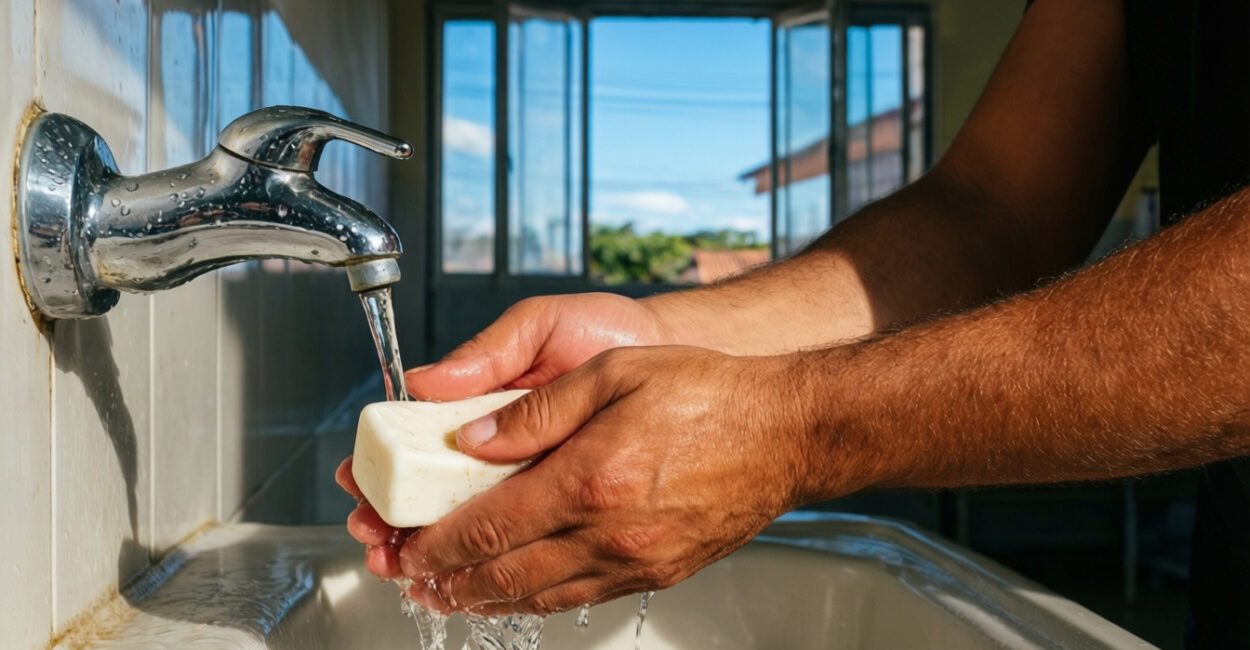
A flu spreading through a closed room and dengue transmitted by a mosquito call for different precautions. Infectious diseases and prevention go hand in hand with identifying how an infection spreads: vaccination, hygiene, safe water, ventilation, and vector control can reduce risks when used appropriately.
Infections can be caused by viruses, bacteria, fungi, or parasites. Some spread from person to person; others are transmitted through food, water, animals, or vectors. Understanding this difference helps you choose useful precautions without treating every symptom as a diagnosis.

Quick facts
- Causes: viruses, bacteria, fungi, and parasites.
- Routes: contact, respiratory particles, ingestion of water or food, and vectors.
- Protections: vaccination, hygiene, ventilation, food safety, and environmental control.
- Limit: No single measure offers absolute protection against all infections.
- Vaccine guidance: Consult Brazil’s National Immunization Program, the country’s public vaccination program, and local health services.
What infectious diseases are and how they spread
Infectious diseases are conditions caused by biological agents that enter the body and can multiply or disrupt how it functions. In everyday terms, infections can develop after contact with people, animals, surfaces, water, or contaminated food, depending on the agent and circumstances. “Communicable disease” generally refers to an infection that can spread between people. The term does not apply to every infectious disease: dengue, for example, is transmitted mainly through the bite of an infected mosquito, not through casual contact between people. Transmission also depends on the amount of the infectious agent, the exposure, and each person’s susceptibility; contact does not necessarily lead to infection or illness.
Route of transmission Example Relevant preventive measure Direct or indirect contact Contact with secretions or contaminated objects, depending on the infection Clean your hands and avoid sharing contaminated items Respiratory particles Exposure to particles released when breathing, talking, coughing, or sneezing Improve ventilation and consider wearing a mask based on the risk Water or food Ingesting a product contaminated with infectious agents Use safe water and handle and store food carefully Vectors or animals Bite from an infected mosquito or risky contact with animals Reduce exposure to vectors and follow local health guidance
The exact route varies by disease. For general information, visit the World Health Organization website and follow guidance from public health authorities.
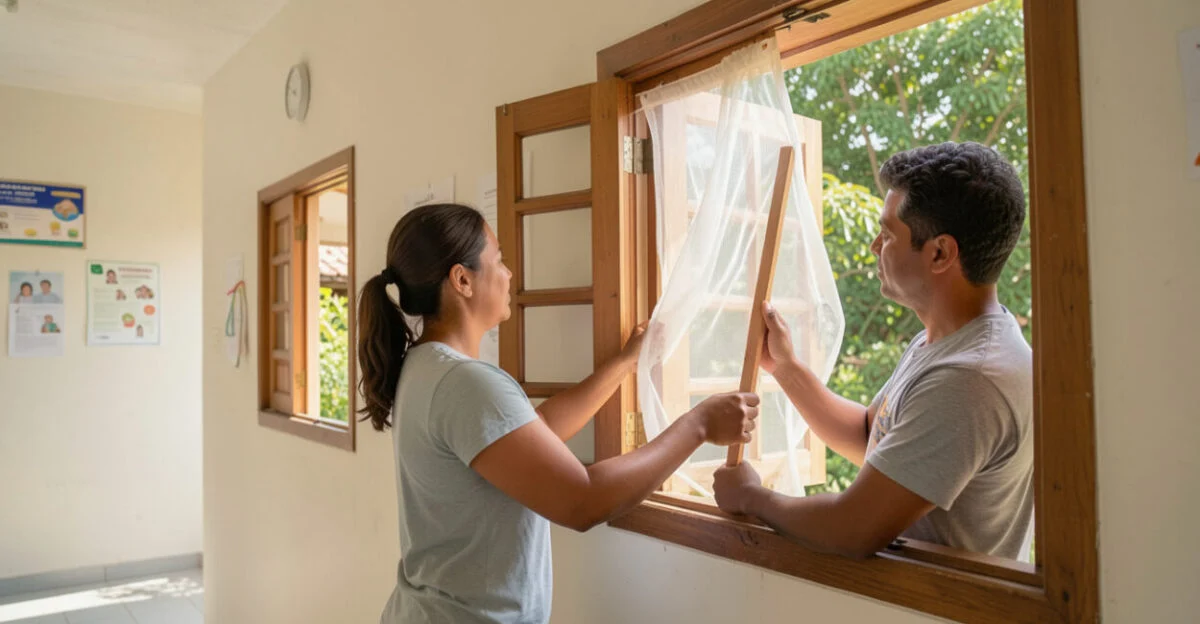
Examples of infectious diseases and how they spread
Infectious diseases involve different agents and routes of transmission. The examples below are not ranked by severity or frequency. Being contagious, being severe, and having preventive measures available are separate characteristics.
Disease Type of agent Main route Prevention note Flu and COVID-19 Virus Respiratory particles Ventilation, respiratory etiquette, and vaccination as recommended Tuberculosis Bacterium Air, in cases of respiratory transmission Evaluation and public health measures are important if tuberculosis is suspected Measles Virus Air and respiratory particles Vaccination is a key preventive measure Dengue and malaria Virus and parasite Bites from infected mosquitoes Protection against vectors should reflect regional risks and local guidance Hepatitis A Virus Fecal-oral route, including contaminated water or food Safe water, hygiene, and vaccination when recommended Salmonellosis Bacterium Contaminated food Good hygiene and safe food handling help reduce risk Candidiasis Fungus Usually, overgrowth of fungi already present in the body It is not generally considered a common contagious infection
So, the answer to a search for “5 infectious diseases” or “10 infectious diseases” depends on the criteria used. Examples include viral, bacterial, fungal, and parasitic diseases, and their routes of transmission are not interchangeable. Flu, COVID-19, tuberculosis, measles, dengue, malaria, hepatitis A, salmonellosis, and candidiasis illustrate this variety.
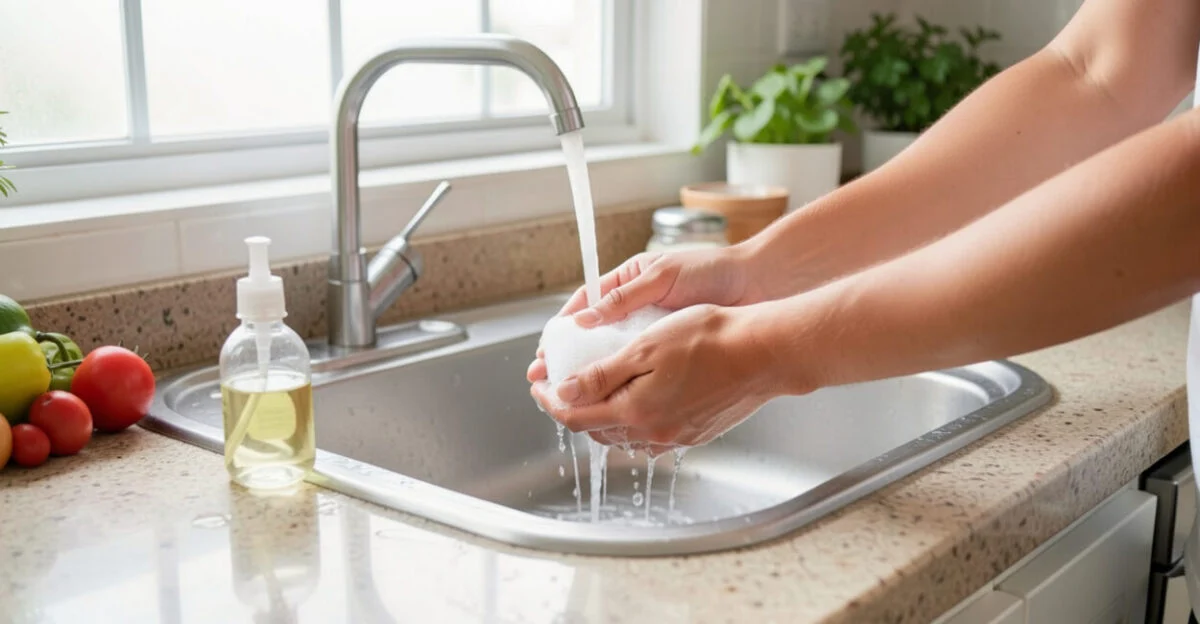
Everyday prevention: hygiene and levels of protection

In the traditional classification, primary prevention aims to keep disease from developing; secondary prevention supports early detection and care; and tertiary prevention seeks to reduce complications and their effects. Definitions and distinctions may vary across frameworks, but this classification helps explain why prevention includes both reducing exposure and seeking care when needed. Soap and water remove dirt and microorganisms from your hands. Alcohol-based hand rubs can be useful when a sink is unavailable and your hands are not visibly dirty; they are not a substitute for handwashing in every situation. A common mistake is applying hand sanitizer to greasy or visibly dirty hands, when washing with soap and water is more appropriate.
Clean your hands:
- Before preparing or eating food.
- After using the bathroom.
- After coughing, sneezing, or blowing your nose.
- After contact with secretions or potentially contaminated materials.
When you cough or sneeze, cover your nose and mouth with a tissue or your elbow; throw away the tissue and clean your hands. These steps reduce the spread of secretions, although the most appropriate measures also depend on the infectious agent.
Prevention works best when the measure you choose matches how the infectious agent spreads.

Vaccination and protection throughout life
Vaccines train the immune system to recognize specific diseases and can reduce the risk of illness or severe disease. Protection varies by vaccine and does not prevent every infection; age, health conditions, and current recommendations all affect vaccine guidance. Check your vaccination status with a health clinic and consult Brazil’s National Immunization Program, the country’s public vaccination program. Schedules, doses, and recommendations can change and should not be assumed to apply universally. For additional vaccine information, see the CDC’s vaccine resources.

Water, food, and sanitation as barriers to infection
Contaminated water or food can transmit infectious agents, but a specific food or a single symptom does not confirm the source of an infection. Prevention starts with safe water, clean hands, and keeping raw foods separate from ready-to-eat foods. A common mistake is reusing a knife that was used to cut raw chicken to slice ready-to-eat food without cleaning it first. Cross-contamination can occur even when the ready-to-eat food looks normal; clean utensils and surfaces before switching tasks.
Storing food safely and cooking it thoroughly also reduce risks. Sanitation and access to treated water depend on public infrastructure, so prevention is not limited to individual choices at home.
Ventilation, masks, and vector control
Bringing in fresh air helps reduce the buildup of respiratory particles indoors, but it does not eliminate all risk. When assessing a situation, consider ventilation, crowding, length of exposure, and whether vulnerable people are present. A mask may be appropriate if you have respiratory symptoms, are in a crowded place, or health authorities recommend one; the need depends on the disease and the circumstances.
Routine measures are not the same as temporary recommendations issued during outbreaks or emergencies. Follow public health alerts and local guidance when making decisions about specific situations rather than applying one rule to every setting. Mosquitoes can act as vectors, transmitting infectious agents between hosts. Zoonoses are diseases transmitted between animals and humans, directly or indirectly; each has its own routes, so the risk is not the same for every contact with an animal. Reducing breeding sites and avoiding mosquito bites are general precautions, but specific measures depend on the region and local public health guidance.
When to seek an evaluation and how to sustain prevention
Seek professional evaluation if your symptoms are concerning, get significantly worse, or follow a potentially significant exposure. Your symptoms, health history, and exposure circumstances together determine the appropriate guidance; symptoms alone do not confirm an infectious disease.
Get medical care promptly if you experience signs such as:
- Difficulty breathing.
- Confusion.
- Fainting.
- Signs of significant dehydration.
- A substantial decline in your overall condition.
This list does not include every possible warning sign and is not a substitute for professional assessment. Antibiotics do not treat viral infections, and their use always requires evaluation; taking them on your own can pose risks and delay appropriate care.
To maintain useful preventive habits, check which vaccines are recommended for you, practice hygiene appropriate to your activities, and improve airflow when possible. Questions about access to and coverage for health care can be considered in light of your personal needs, without replacing available public services.
Frequently asked questions
Does hand sanitizer replace washing with soap and water?
In some situations, alcohol-based hand rub can help when there is no sink available and your hands are not visibly dirty. For visible dirt, grease, or certain types of contamination, soap and water are more appropriate.
Does wearing a mask still make sense outside major outbreaks?
It may make sense if you have respiratory symptoms, are in a very crowded place, or are near vulnerable people. The decision depends on the infectious agent, the setting, and current health recommendations.
Do antibiotics help with every infection?
No. Antibiotics work against certain bacteria, not viruses, and their use requires professional evaluation.
What are the three levels of prevention?
In the traditional classification, they are primary, secondary, and tertiary. They aim, respectively, to prevent disease, support early detection or care, and reduce complications; terminology may vary across frameworks.
What are ten infectious diseases?
Flu, COVID-19, tuberculosis, measles, dengue, malaria, hepatitis A, salmonellosis, candidiasis, and giardiasis are examples. This is not a ranking, and the diseases listed have different causes and routes of transmission.
Does every infectious disease spread from person to person?
No. Some infections spread between people, while others can be acquired through contaminated water or food, vectors, or contact with animals. The route depends on the specific disease.
This content is for informational purposes and does not replace advice from a doctor or other health care professional.
Artigos Relacionados
 Gene Therapies: A Revolution in Treating Inherited Diseases
 Immune System: Natural Ways to Strengthen Your Health
 Evolution of Species: How Life on Earth Changes
 The Age of Discovery: Historical Transformations and Legacies
 Human Physiology: How the Body Works in Harmony
 Agricultural Technical Training: Boost Productivity and Stand Out in the Field
