
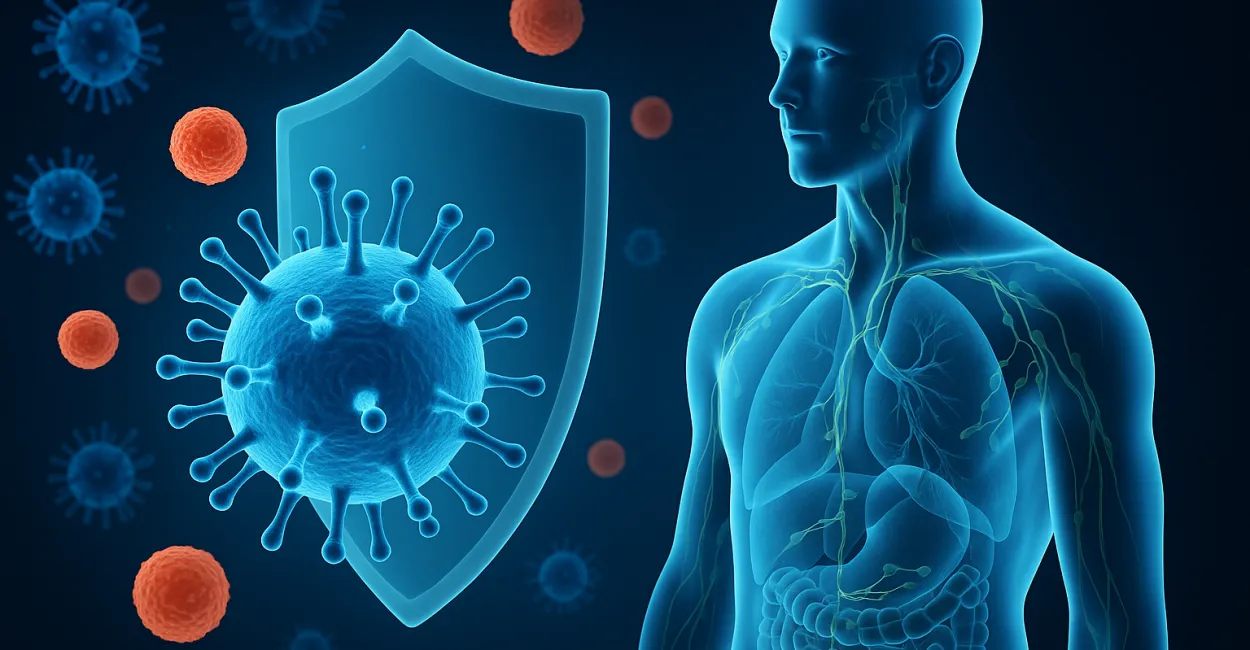
The immune system is the body’s natural defense against disease and infection. Understanding how it works and learning how to support it naturally are essential for staying healthy, especially during times of increased vulnerability.
Do you know which habits can actually support your immune system? In this article, we’ll explore 12 effective strategies to strengthen your immune system, backed by science and paired with practical tips you can use every day.

Why the Immune System Matters for Your Health
What is the immune system?
The immune system is a complex network of cells, tissues, and organs that work together to protect the body from invaders such as viruses, bacteria, and fungi. It recognizes and eliminates these threats, helping the body function properly.
This system includes specialized components, such as white blood cells, antibodies, and lymphatic organs, which work at different levels to identify and fight harmful agents.
Without an effective immune system, the body is vulnerable to frequent infections and serious illnesses, underscoring the importance of keeping it strong.
How does the immune system work in the body?
When an invader enters the body, the immune system responds immediately, setting off a series of reactions to neutralize it. This response can be innate, acting quickly and broadly, or adaptive, which is more specific and creates immune memory for future exposure.
For example, when you catch a virus, your body produces specific antibodies that recognize and attack the invader, preventing it from multiplying and spreading.
This ability to adapt is essential for long-term protection and is the foundation of vaccines and other forms of prevention.
Factors that affect natural immunity
Many factors influence how well the immune system works, including genetics, age, lifestyle, and environmental conditions. Chronic stress, poor nutrition, lack of sleep, and a sedentary lifestyle can all weaken immune function.
In addition, excessive medication use, exposure to pollutants, and inadequate hydration can also negatively affect the immune system.
Understanding these factors can help you identify areas for improvement and strengthen the body’s natural defenses.
- Genetics and individual predisposition;
- Sleep quality and rest;
- A balanced, nutrient-rich diet;
- Regular physical activity;
- Stress management and mental health;
- Good hygiene and environmental care.
Diet and Nutrition for the Immune System
Essential vitamins for immune function
Vitamins A, C, and D, along with the B-complex vitamins, play vital roles in maintaining and supporting the immune system. Vitamin C, for example, is a powerful antioxidant that helps produce white blood cells.
Vitamin D helps regulate the immune response and is associated with a lower risk of respiratory infections. Vitamin A supports the integrity of mucous membranes, the body’s first barrier against pathogens.
Getting enough of these vitamins through food or safe supplementation is essential for effective immune function.
Foods that support the body’s natural defenses
Including foods rich in antioxidants, fiber, and phytochemicals is one of the best ways to support the immune system. Citrus fruits, dark leafy greens, garlic, ginger, and nuts are examples of foods that promote immune health.
In addition, probiotics found in yogurt and fermented foods help balance the gut microbiome, which is closely linked to immune function.
Avoiding highly processed foods and foods high in sugar is equally important to avoid compromising the immune response.
Comparing diets and immune health
| Diet | Benefits for the Immune System | Considerations |
|---|---|---|
| Mediterranean | Rich in antioxidants and healthy fats, and supports controlled inflammation | Maintain a calorie balance to avoid excess weight gain |
| Vegetarian | High in fiber and vitamins, and supports a healthy gut microbiome | Pay attention to B12 and iron intake and supplementation |
| Western (high in ultra-processed foods) | Low in nutritional value and may increase chronic inflammation | Reduce consumption to support immune health |
Exercise and Immune Health

The impact of moderate exercise
Regular physical activity, especially at moderate intensity, stimulates blood circulation and the activity of immune cells such as lymphocytes.
This helps reduce chronic inflammation and improves the immune response, lowering the risk of infection.
Activities such as walking, cycling, and yoga are excellent ways to keep your immune system active without putting excessive stress on your body.
Intense exercise and its effects
On the other hand, high-intensity, long-duration exercise can temporarily suppress immune function, increasing susceptibility to infections.
That’s why it’s important to respect your body’s limits and avoid overtraining so you don’t compromise your immune health.
A balanced training program guided by professionals can help you enjoy the benefits without unnecessary risks.
Practical tips for getting started
- Get at least 150 minutes of moderate activity per week;
- Include muscle-strengthening exercises twice a week;
- Vary your activities to keep your body and mind engaged;
- Listen to your body and avoid overexertion;
- Combine exercise with relaxation techniques to reduce stress.
Sleep and Immune System Recovery
The relationship between sleep and immunity
Sleep is essential for the immune system to function at its best. During deep sleep, the body produces cytokines, proteins that help fight inflammation and infection.
Sleep deprivation reduces the production of these substances, making the body more vulnerable to illness.
So getting good-quality sleep is just as important as eating a healthy diet and exercising.
Consequences of sleep deprivation
Not getting enough sleep can disrupt the immune response, increase the risk of infections, and even worsen chronic conditions such as allergies and autoimmune diseases.
In addition, fatigue affects the body’s ability to repair tissues and eliminate toxins.
Maintaining a healthy sleep routine is a direct investment in your health and your body’s natural defenses.
Tips for better sleep
- Set regular bedtimes and wake-up times;
- Avoid screens and blue light before bed;
- Create a dark, quiet, and comfortable bedroom;
- Practice relaxation techniques, such as meditation or deep breathing;
- Avoid caffeine and heavy meals at night.
Stress Management and Immune Health
How does stress affect the immune system?
Chronic stress releases hormones such as cortisol, which can suppress immune function when present in excess and reduce the body’s ability to fight infections.
In addition, prolonged stress can cause systemic inflammation and harm overall health.
Recognizing and managing stress is therefore an essential strategy for supporting immune function.
Natural ways to reduce stress
Practices such as mindfulness, yoga, breathing exercises, and recreational activities can help lower stress levels and balance the nervous system.
Making time for leisure and social connection also supports emotional and immune health.
Incorporating these techniques into your daily routine can significantly improve your overall health.
Benefits for immune health
- Reduced chronic inflammation;
- Improved sleep quality;
- Increased production of immune cells;
- Greater resistance to illness;
- Hormonal and emotional balance.
Hygiene and Prevention for Immune Health
Essential hygiene practices
Maintaining basic hygiene habits, such as washing your hands properly and covering your mouth when you cough, is essential for limiting exposure to infectious agents and protecting your immune system.
These simple practices help prevent the immune system from becoming overburdened and reduce the spread of contagious diseases.
In addition, cleaning food and living spaces helps create a safer, healthier environment.
Vaccination as a way to support immune protection
Although this article focuses on natural ways to support the immune system, vaccination is a proven and safe way to help the immune system recognize and fight specific pathogens.
Keeping your vaccinations up to date is an essential preventive measure that protects both individual and public health.
Vaccines are approved by official agencies, such as Brazil’s Ministry of Health, the country’s federal health authority, to ensure their effectiveness and safety.
Environmental care for immune health
Avoiding polluted environments, keeping your home well ventilated, and limiting exposure to irritants can help preserve the body’s natural defenses.
Regular cleaning and avoiding contact with infected people are additional ways to care for your immune system.
Natural Supplements and Immune Health
Supplements studied by scientists
Some natural supplements, such as zinc and echinacea, have been studied for their potential benefits to immune health. Zinc, for example, is essential for the production and function of immune cells.
However, supplements should be used under the guidance of a health professional to avoid excessive doses and drug interactions.
Supplements don’t replace a balanced diet, but they may help when a deficiency has been confirmed.
When to consider supplements
People with nutritional deficiencies, older adults, and those with chronic conditions may benefit from supplements, provided they are monitored by a specialist.
Testing and evaluations are important for identifying individual needs and appropriate doses.
Taking supplements indiscriminately can be harmful and is not recommended.
Precautions and contraindications
- Consult a doctor or registered dietitian before starting;
- Avoid self-medicating and taking excessive doses;
- Watch for possible adverse reactions;
- Choose quality products from reputable, certified manufacturers;
- Use supplements to complement, not replace, your diet.
The Importance of Hydration for the Immune System
Water and the body’s defenses
Adequate hydration is essential for transporting nutrients, regulating body temperature, and eliminating toxins—all functions that support the immune system.
Without enough water, the body becomes more susceptible to infections and inflammation.
Staying hydrated supports circulation and cell function, helping the immune system respond effectively.
Recommended daily intake
A general recommendation is to drink about 2 liters of water a day, depending on your age, weight, climate, and level of physical activity.
Getting fluids from food also contributes to hydration.
Watching for signs of dehydration, such as dry mouth and dizziness, can help you avoid problems.
Tips for staying hydrated
- Carry a water bottle with you;
- Drink water before, during, and after exercise;
- Choose plain water or unsweetened herbal infusions;
- Avoid excessive amounts of soda and sugary drinks;
- Eat water-rich fruits and vegetables, such as watermelon and cucumber.
The Effects of Smoking and Alcohol on Immunity
Effects of smoking
Smoking impairs the function of white blood cells and damages the respiratory mucous membranes, making infections and respiratory illnesses more likely.
Smoking is linked to a weakened immune response and a higher risk of complications from infectious diseases.
Quitting smoking is one of the most effective ways to restore immune function.
Alcohol consumption and the immune system
Excessive alcohol consumption impairs the production of immune cells and alters the gut microbiome, weakening the body’s natural defenses.
Moderate, responsible consumption, in accordance with medical guidance, can minimize these effects.
Avoiding excessive drinking is important for maintaining immune balance.
Recommendations for healthy habits
- Avoid smoking in any amount;
- Limit alcohol consumption to moderate levels;
- Seek professional help to quit smoking;
- Adopt a lifestyle that prioritizes overall health;
- Learn about the risks and benefits for your immune health.
Sun Exposure and Vitamin D
Vitamin D and its relationship to the immune system
Vitamin D is essential for regulating the immune response, helping prevent infections and control inflammatory processes.
It stimulates the production of antimicrobial peptides that fight viruses and bacteria.
Low vitamin D levels are associated with a higher incidence of respiratory and autoimmune diseases.
Natural sources of vitamin D
The main natural source is moderate sun exposure, which allows the skin to produce vitamin D. Fatty fish, eggs, and mushrooms are also rich in this nutrient.
It’s important to balance time in the sun to avoid skin damage, choosing appropriate times such as early morning or late afternoon.
Supplements may be recommended when sun exposure is insufficient.
Tips for safe sun exposure
- Get 10 to 20 minutes of sun exposure each day;
- Choose times when ultraviolet radiation is less intense;
- Apply sunscreen after the recommended exposure time;
- Pair sun exposure with a healthy diet;
- Consult a dermatologist for personalized guidance.
Disease Prevention and Immune Support
Essential preventive habits
Healthy eating, regular exercise, adequate sleep, and stress management are key to preventing illness and supporting the immune system.
In addition, avoiding exposure to infectious agents and staying up to date on vaccinations are essential measures.
These steps can reduce the incidence and severity of illnesses.
The importance of medical care
Regular visits to health professionals help identify immune deficiencies early and provide guidance tailored to each person.
Routine tests and medical history help personalize strategies for supporting immune health.
Qualified professionals can also advise you on the safe use of supplements and complementary treatments.
Combining practices for overall health
Bringing together healthy eating, exercise, sleep, emotional well-being, and preventive care creates a positive cycle that naturally and sustainably supports the immune system.
This integrated approach not only helps protect against disease but also promotes overall well-being and quality of life.
Conclusion
Naturally strengthening the immune system involves adopting a range of healthy habits that work together to protect the body. A balanced diet, moderate exercise, quality sleep, stress management, and good hygiene are all essential.
Adopting these practices in your daily life, guided by scientific evidence and professional advice when needed, can help support a strong immune system and prepare your body to face health challenges. Share this article with anyone looking to live a healthier life, and share your experiences to enrich this important conversation.
Frequently Asked Questions (FAQ)
What is the immune system, and what does it do?
It is the collection of cells and organs that protect the body from infections and diseases by identifying and eliminating invading agents.
How can I strengthen my immune system naturally?
Eat a nutrient-rich diet, exercise regularly, get enough sleep, manage stress, and maintain good hygiene habits.
Which vitamins are most important for immune health?
Vitamins A, C, and D, along with the B-complex vitamins, are essential for the immune system to function effectively.
Can exercise harm the immune system?
Moderate exercise benefits immune health, but very intense and prolonged activity can cause temporary immune suppression.
When should I see a health professional about my immune health?
If you have frequent infections or persistent symptoms, or want to start taking supplements, consult a doctor or registered dietitian for a personalized evaluation.
Artigos Relacionados
 How a Balanced Diet Can Transform Your Mental Health
 Air Pollution: Hidden Impacts and Sustainable Solutions for Public Health
 School Health: How Schools Promote Student Well-Being
 Endocrinologist: A Complete Guide to Hormone Health Specialists
 Mental Health for Rising Professionals: Effective Strategies for Managing Stress
 Mental Health for Civil Service Exam Candidates: Essential Strategies for Staying Well
