
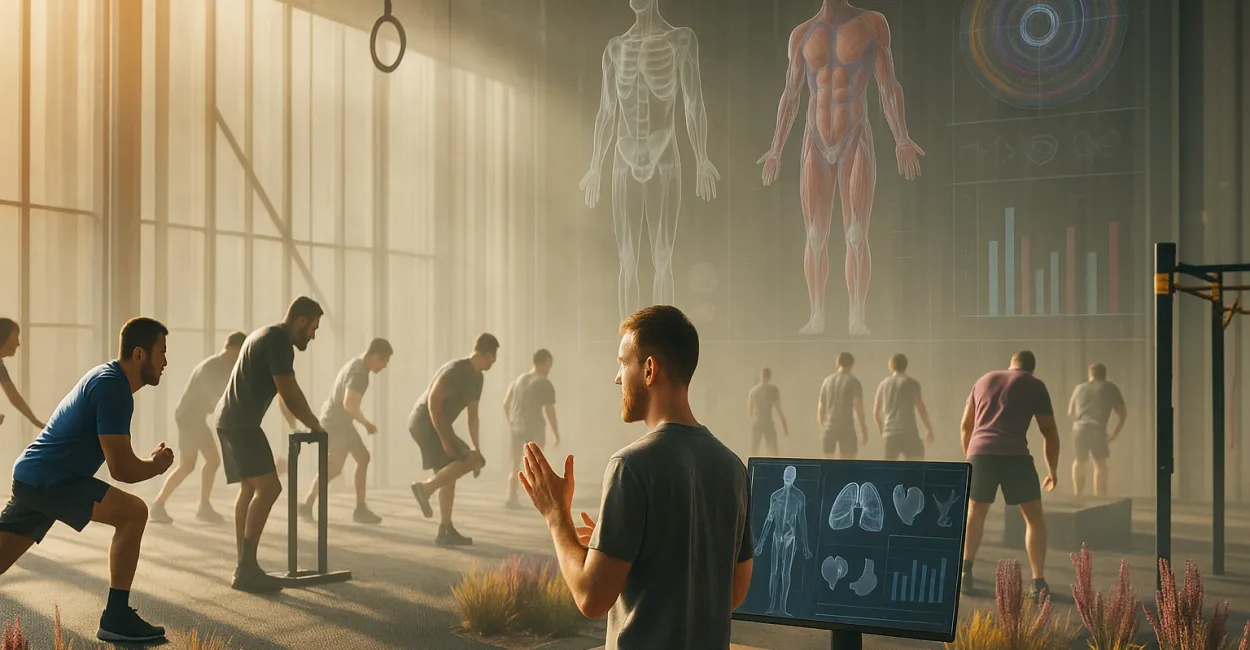
Human physiology is the detailed study of the vital processes that keep our bodies active and healthy. From breathing to blood circulation, everything works in sync to maintain the balance necessary for life. But do you know how these systems interact to keep everything in harmony?
This article takes a closer look at human physiology, explaining how each system contributes to the body’s integrated functioning. Get ready to understand the body as a complex machine in which every part plays a crucial role.

Introduction to Human Physiology: The Foundations of the Living Body
Definition and Importance of Human Physiology
Human physiology is the science that investigates how the body’s organs and systems work. It is essential for understanding how the body responds to internal and external stimuli, supporting survival and well-being.
Without an understanding of physiology, it would be impossible to develop effective medical treatments, understand diseases, or promote overall health.
The Relationship Between Anatomy and Physiology
Although anatomy and physiology are closely connected, anatomy focuses on the body’s structure, while physiology explains how those structures work. Together, they form the foundation for studying the human body as a whole.
For example, understanding the structure of the heart (anatomy) is essential to understanding how it efficiently pumps blood (physiology).
A Brief History of Human Physiology
The study of physiology dates back to ancient times, when Greek philosophers and physicians such as Hippocrates sought to understand the body. As science advanced, physiology developed into a modern discipline that uses advanced technology to uncover the body’s mysteries.
These discoveries drove the development of medicine and significantly improved quality of life.
- Understanding vital processes
- A foundation for medical treatments
- Development of biomedical technologies
- Promotion of preventive health
- Improved physical and mental performance
Body Systems in Human Physiology: An Overview
The Main Systems of the Human Body
The human body is made up of several systems that work together to maintain homeostasis, or internal balance. These include the nervous, cardiovascular, and respiratory systems, among others.
Each system has specific functions, but they all depend on one another to keep the body working in harmony.
How the Systems Interact
The body’s systems do not work in isolation. For example, the nervous system controls and regulates the functions of the muscular and cardiovascular systems, while the endocrine system releases hormones that influence many bodily activities.
This interconnectedness is essential for responding to internal and external challenges in a coordinated and effective way.
Comparing Systems: Functions and Characteristics
| System | Primary Function | Key Organs |
|---|---|---|
| Nervous System | Control and coordination of bodily functions | Brain, spinal cord, nerves |
| Cardiovascular System | Transport of blood, nutrients, and oxygen | Heart, blood vessels |
| Respiratory System | Gas exchange—oxygen and carbon dioxide | Lungs, trachea, bronchioles |
Cellular Processes in Human Physiology: The Basis of Life

The Role of Cells in the Human Body
Cells are the basic units of life and actively participate in all physiological processes. They carry out vital functions such as energy production, protein synthesis, and cellular communication, all of which are essential for tissues and organs to function.
Studying these functions is crucial to understanding diseases and developing therapies.
Metabolism and Energy
Cellular metabolism involves chemical reactions that convert nutrients into usable energy. This energy is essential for bodily activities, from muscle contraction to nerve signaling.
Metabolic balance supports homeostasis and cell survival.
Cell Communication and Signaling
Cells communicate through chemical and electrical signals to coordinate complex functions. This communication is vital for processes such as growth, immune response, and hormonal regulation.
Disruptions in this system can lead to serious diseases, including cancer.
Regulation and Homeostasis: The Balance of Human Physiology
The Concept of Homeostasis
Homeostasis is the body’s ability to keep its internal environment stable despite external changes. This includes regulating temperature, pH, glucose levels, and other vital parameters.
It is a dynamic process that ensures the body functions properly and stays healthy.
Feedback Mechanisms
Feedback mechanisms, especially negative feedback, are essential to homeostasis. They allow the body to detect changes and trigger responses to correct imbalances, such as releasing insulin to control blood sugar.
Positive feedback, though less common, amplifies responses in specific situations, such as blood clotting.
Practical Examples of Bodily Regulation
- Body temperature control by the nervous system
- Blood pressure regulation by the cardiovascular system
- Fluid balance maintained by the renal system
The Nervous System: The Control Center of Human Physiology
Structure and Function of the Nervous System
The nervous system receives, processes, and responds to internal and external stimuli. It is divided into the central and peripheral nervous systems, allowing the body to coordinate its functions quickly and efficiently.
This complex network enables adaptive responses that are essential for survival.
Neurons and the Transmission of Impulses
Neurons are specialized cells that transmit electrical impulses. They carry information between the brain, spinal cord, and the rest of the body, making movement, sensation, and automatic responses possible.
Proper neuron function is vital to mental and physical health.
Reflexes and Rapid Responses
Reflexes are fast, automatic responses to stimuli that protect the body from harm. They show how efficiently the nervous system can carry out actions without conscious processing.
These mechanisms demonstrate the coordination and speed of human physiology.
- Motor coordination
- Sensory perception
- Emotional regulation
- Control of internal organs
The Cardiovascular System: Delivering the Body’s Vital Supplies
Components of the Cardiovascular System
The cardiovascular system consists of the heart, blood vessels, and blood. It transports oxygen, nutrients, and hormones, and removes metabolic waste from cells.
Its coordinated function is essential for sustaining life.
Blood Circulation and Oxygen Transport
Blood travels through arteries, veins, and capillaries, enabling gas exchange in the lungs and delivering oxygen to tissues. Hemoglobin in red blood cells transports oxygen with great efficiency.
This process provides the energy cells need to function.
Blood Pressure Regulation
Blood pressure is controlled by nervous and hormonal mechanisms that adjust blood vessel diameter and the force of heart contractions. This regulation helps prevent organ damage and maintains adequate blood flow.
Changes in this system can lead to cardiovascular disease.
The Respiratory System: The Body’s Gateway for Oxygen
Anatomy of the Respiratory System
The respiratory system includes the nose, pharynx, larynx, trachea, bronchioles, and lungs. Its function is to exchange gases between the environment and the blood, a process essential for cell survival.
Its structure is designed to maximize the efficiency of gas exchange.
The Mechanics of Breathing
Breathing involves inhalation and exhalation, controlled by muscles such as the diaphragm. Inhaled oxygen reaches the alveoli, where it is exchanged for carbon dioxide, which is expelled during exhalation.
This continuous cycle maintains the body’s gas balance.
Breathing Control
The respiratory center in the brain regulates the rate and depth of breathing according to the body’s needs, responding to carbon dioxide and oxygen levels in the blood.
This precise control maintains respiratory homeostasis.
The Digestive System: Turning Food into Energy
Components of the Digestive System
The digestive system consists of the mouth, esophagus, stomach, intestines, liver, pancreas, and gallbladder. Each organ plays a role in digestion and nutrient absorption.
This complex network allows the body to obtain energy and the materials it needs for repair and growth.
Digestion and Absorption
Digestion begins in the mouth and continues through the small intestine, where nutrients are absorbed into the bloodstream. Specific enzymes work at each stage to break down macromolecules.
A well-functioning digestive system is essential to overall health.
Regulation and Intestinal Motility
The enteric nervous system controls peristaltic movement and enzyme secretion, ensuring that food moves through the digestive tract properly and is absorbed efficiently.
Imbalances can cause digestive disorders.
- Mechanical and chemical digestion
- Absorption of vitamins and minerals
- Waste elimination
- Maintenance of gut flora
The Endocrine System: Hormonal Communication in the Body
Endocrine Glands and Hormones
The endocrine system is made up of glands that release hormones directly into the bloodstream. These hormones regulate growth, metabolism, reproduction, and the stress response.
Hormonal balance is essential for the body to function in harmony.
How Hormones Work
Hormones bind to specific receptors on target cells, triggering physiological responses. The regulation of these actions allows the body to adapt to changing conditions.
Disruptions can cause diseases such as diabetes and hypothyroidism.
Interactions with Other Systems
The endocrine system interacts closely with the nervous system to maintain homeostasis. For example, the hypothalamic-pituitary axis controls several essential hormonal functions.
This interaction ensures integrated and efficient responses.
The Immune System: The Body’s Defense and Protection
Components of the Immune System
The immune system consists of cells, tissues, and organs that identify and fight invading agents such as bacteria and viruses. It includes lymph nodes, the spleen, bone marrow, and other structures.
It is vital for maintaining health and preventing disease.
Innate and Adaptive Immune Responses
Innate immunity is the first line of defense: fast and general. Adaptive immunity is specific and develops memory to protect the body during future exposures.
These responses work together to provide effective protection.
The Physiology of Inflammation and Immunity
Inflammation is a physiological process that activates the immune response to repair tissues and eliminate harmful agents. Controlling inflammation prevents excessive damage and maintains balance.
Disruptions can lead to autoimmune diseases.
The Muscular and Skeletal Systems: Support and Movement
Structure and Function of Muscles and Bones
The skeletal system provides structural support and protection, while the muscular system enables movement and posture. Bones and muscles work together to support everyday activities.
This system is essential for mobility and quality of life.
Types of Muscle and Muscle Contraction
There are skeletal, cardiac, and smooth muscles, each with specific characteristics. Muscle contraction occurs through interactions between proteins and is controlled by the nervous system.
This physiology enables both voluntary and automatic movements.
Maintenance and Repair
The body has mechanisms for repairing tiny muscle injuries and fractured bones, supporting regeneration and preserving physical integrity.
Proper nutrition and exercise are essential to this process.
- Body stability
- Coordinated movement
- Protection of internal organs
- Mineral storage
Conclusion
Understanding human physiology is essential for appreciating the complexity and harmony that keep our bodies healthy and functioning. Every system, from the nervous to the skeletal, plays an integrated role in maintaining the vital balance that sustains life.
By deepening your knowledge in this field, you’ll be better prepared to care for your health and understand the importance of the science that studies the human body. Share this article and encourage others to explore the fascinating field of human physiology!
Frequently Asked Questions
What is human physiology?
Human physiology is the study of the processes and functions that keep the human body alive and in balance.
Why is physiology important to health?
It helps us understand how the body works, identify dysfunctions, and develop effective treatments.
How do the systems of the human body work together?
They interact continuously through chemical and electrical signals to maintain homeostasis and respond to stimuli.
What is the difference between anatomy and physiology?
Anatomy studies the body’s structure, while physiology focuses on how those structures work.
How does physiology help treat disease?
By explaining the body’s normal mechanisms, physiology helps identify the causes of disease and develop targeted therapies.
Reliable sources for further reading: Brazilian Ministry of Health, World Health Organization (WHO), Brazilian Ministry of Education (MEC).
Artigos Relacionados
 Evolution of Species: How Life on Earth Changes
 The Age of Discovery: Historical Transformations and Legacies
 Agricultural Technical Training: Boost Productivity and Stand Out in the Field
 Professional Training in Agriculture: Advance Your Rural Career
 Rural Technical Courses: A Reliable Path to a Successful Agribusiness Career
 Inclusive Education in Schools: Transformative Paths for Every Student
