
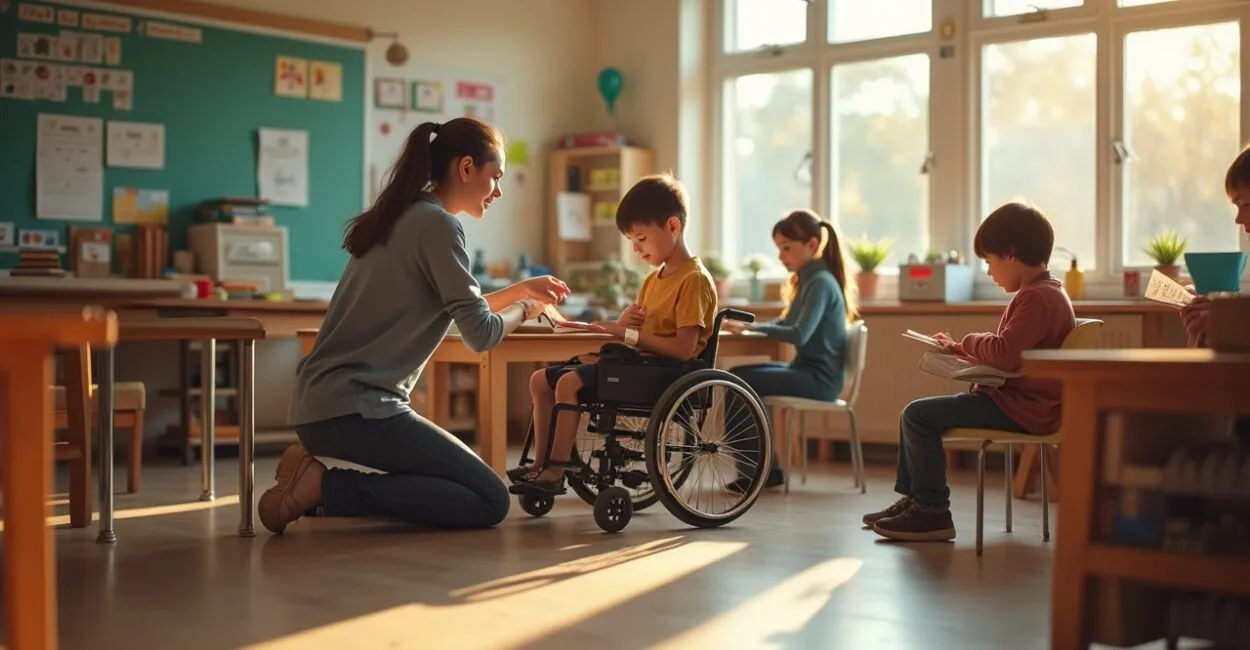
These are structured learning environments designed to ensure full participation for students with different needs and learning paces. They combine clear learning objectives, access accommodations, and collaborative practices so each student can work as independently as their potential allows. Definition: planned activities in a school setting that remove physical, sensory, cognitive, and social barriers to learning without lowering expectations for growth.
Key Takeaways
- Inclusive workshops require planning around barriers, not just disabilities; the focus is on removing specific obstacles to access.
- Adaptable plans with tiered objectives (essential, expected, and advanced) accommodate different learning paces without segregating students.
- Accessibility resources (assistive technology, tactile materials, captions, and assistive devices) increase participation and should be included in school budgets.
- Ongoing teacher training and collaborative planning among the educational team and families are essential to sustaining these workshops.
Why Barrier-Focused Planning Determines the Success of Inclusive Workshops
Planning around barriers means identifying what gets in the way of learning instead of listing diagnoses. This shift in focus changes priorities: physical accessibility, communication formats, response time, and peer support become concrete actions.

The results are replicable and measurable: you identify barriers, apply solutions, and measure participation.
Mapping Barriers
Use checklists that cover the environment, materials, language, and assessment. Simple tools, such as structured observations and interviews with students and families, can reveal real barriers. Document each barrier with evidence (a photo, a transcript of a conversation, or a time log) and prioritize them based on their impact on learning.
From Assessment to Intervention
Turn each barrier into an action: adapt the text format, allow more time, create visual cues, or train support staff. Set short deadlines for prototyping and review cycles.
Measuring participation and performance on specific tasks shows whether an intervention removed a barrier or merely disguised it.
How to Design Adapted Plans for Different Learning Paces
Adapted plans organize activities into tiers: an essential objective (minimum), an expected objective (standard level), and an extended objective (challenge). This allows one plan to serve students with different learning paces without splitting up the class.
Teachers make real-time instructional choices based on performance evidence.
A Practical Plan Structure
Start with a short-term goal, sequential steps, and checkpoints. Include different ways to access the material (text, audio, images), support options (task plans and peer instruction), and clear criteria for success.
Specify the estimated time for each step and recommended accommodations.
Formative Assessment and Flexibility
Ongoing assessment informs adjustments to the plan. Use short tasks and observation to decide when to increase support or reduce assistance. Record evidence to support curriculum changes and conversations with families and specialists.
Accessibility Resources and Assistive Technology for Workshops

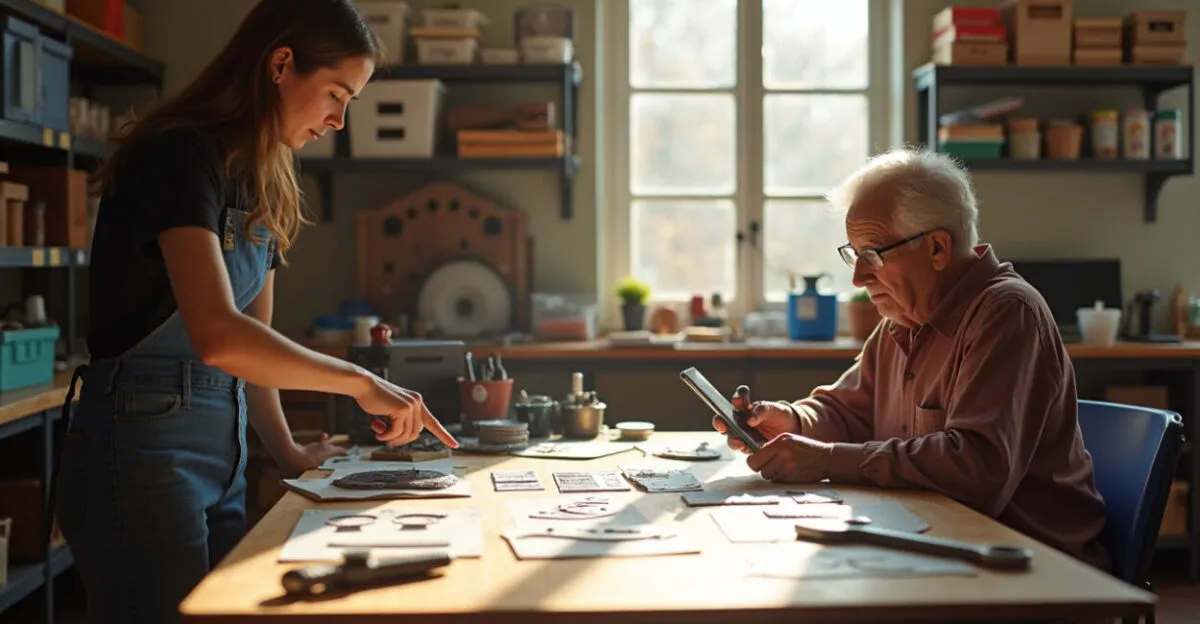
Low-cost resources and assistive technology work together: automatic captions, screen readers, tablets with apps, tactile materials, electronic magnifiers, and alternative communication systems. Choose tools based on function: prioritize those that remove the identified barrier and that the team can maintain.
Physical Resources and Materials
Adjust tables, lighting, contrast, and font size. Provide materials in multiple formats: accessible PDFs, audio, large-print versions, and tangible objects. Well-designed physical materials reduce the need for ongoing support.
Digital Resources and Technology Adaptations
Format documents with heading styles, sufficient contrast, and keyboard navigation. Use speech-to-text and text-to-speech tools. Whenever possible, choose educational platforms with pace controls and built-in accessibility options.
Team Skills: Training, Roles, and Collaborative Planning
Inclusive workshops depend on teams with clearly defined roles: lead teacher, inclusion facilitator, technical support professional, and family partner. Training should be practical and ongoing, with a focus on strategies, classroom management, and technology. Collaborative planning ensures alignment among assessment, objectives, and accommodations.
Essential Training Topics
Cover differentiation strategies, alternative communication, behavior management, assistive technology, and adapted assessment. Video-based practice and classroom feedback are more effective than stand-alone theory courses.
Collaborative Planning Models
Short weekly meetings with an agenda (evidence, adjustments, and responsibilities) keep everyone aligned. Record decisions in simple plans that families can access. Assign team members responsibility for implementation and data collection.
Organizing the Space and Activities to Promote Full Participation
The physical layout and group activities have a greater influence than materials alone. Flexible spaces with areas for focused work, movement, and support increase independence. Structured activities—rotations, stations, and project-based learning—make it easier for students with different learning paces to participate at the same time.
Universal Design for the Environment
Adopt Universal Design for Learning principles: multiple means of representation, expression, and engagement. This includes clear signs, obstacle-free routes, and sensory options. Small changes, such as movable furniture, can have a major impact on inclusion.
Strategies for Group Engagement
Use rotating roles, peer tutors, and visual resources that support independent participation. Give instructions in concrete, manageable steps. Participation checklists help identify who may need additional accommodations.
Measuring Impact: Indicators, Data Collection, and Ongoing Adjustments
Practical indicators combine participation, performance on target tasks, and independence. Collect simple, regular data: active participation in activities, number of prompts needed, time to complete tasks, and qualitative outcomes. Use data to guide decisions, not just for reporting.
Key Metrics
Define 4–6 indicators for each workshop, such as the rate of task completion with minimal support, number of positive social interactions, growth in functional vocabulary, and time spent engaged. Set realistic goals and review deadlines.
Adjustment Cycle
Use 2–6-week cycles: test an accommodation, collect data, revise the plan, and train the team. Document what worked and why. This builds a set of replicable practices and demonstrates impact to administrators.
Next Steps for Implementation
Start with a small pilot project: choose a regularly scheduled workshop, map barriers, and implement 2–3 priority accommodations. Monitor the results for six weeks and document them. Use the evidence to expand the initiative and request resources or partnerships.
Plan hands-on training for the team before expanding. Establish a collaborative planning routine and a small fund for accessibility resources. These practical steps turn one-off initiatives into sustainable school policy.
Question 1: How Can You Adapt a Workshop Plan for Students With Intellectual Disabilities Without Lowering Expectations?
Use tiered objectives: maintain the conceptual goal while simplifying the steps. Give short instructions, provide visual models, and use graduated tasks that allow students to succeed one step at a time. Allow more time and repeated opportunities to practice, while still requiring meaningful participation. Assess functional skills, not speed. Document progress with small, tangible pieces of evidence to adjust supports without changing the central goal.
Question 2: What Low-Cost Resources Can Improve Deaf Students’ Participation in Workshops?
Video captions, written activity plans, visual cards showing each step, and basic Brazilian Sign Language (Libras) communication among team members are high-impact, low-cost measures. Seat the student where they can clearly see the speaker’s face, reduce background noise, and use consistent visual resources. When possible, involve an interpreter or pair students with bilingual peer tutors. These steps provide access to the content without changing the cognitive challenge.
Question 3: How Can You Measure Whether an Accommodation Has Actually Removed a Barrier?
Compare data from before and after the intervention using direct metrics: independent task completion rates, number of prompts needed, time to complete the task, and qualitative observations of engagement. Use short, repeated samples to reduce noise. If indicators improve consistently, the accommodation is effective. If they do not, refine the intervention or test a documented alternative to understand why the barrier remains.
Question 4: What Role Should Families Have in Designing Inclusive Workshops?
Families are essential sources of information about strategies that work outside school and about sensory and communication needs. Involve them from barrier mapping through outcome assessment. Combine short meetings with written updates and, when possible, offer brief training to reinforce practices at home. A consistent partnership reduces inconsistencies between settings and makes accommodations more effective.
Question 5: What Common Mistakes Should Schools Avoid When Implementing Inclusive Workshops in Public Schools?
A common mistake is treating inclusion as a standalone project instead of integrating it into the instructional plan and budget. Another is implementing technology without training the team. Avoid labeling students or separating activities without a clear educational purpose. Don’t confuse temporary accommodations with structural change. The solution is collaborative planning, practical training, and assessment tools that show real impact.
Artigos Relacionados
 Whole-Child Education: Strategies for Thriving Today
 Inclusive Education in Elementary School: Practices and Support
 Improving Basic Education: Practical, Measurable Strategies
 2025 Environmental Education Workshops: Hands-On Activities
 Inclusive Education in Schools: Transformative Paths for Every Student
 Elementary Education: Strategies for Active Learning
