
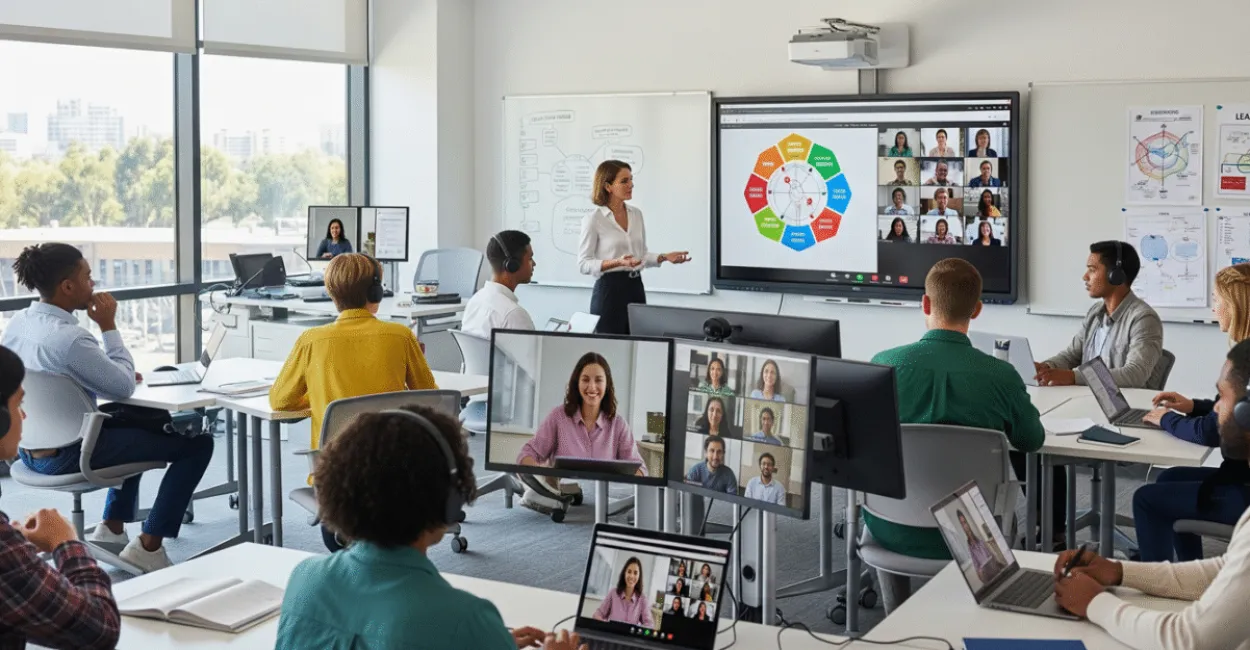
Blended learning combines in-person and online instruction to expand learning opportunities, flexibility, and personalization. It matters because it brings together active learning methods, educational technology, and curriculum planning to meet different needs and learning contexts. To get started, identify your instructional goals, available infrastructure, and students’ and teachers’ digital skills.
The central challenge is to connect in-person instruction and virtual environments in a coherent way while ensuring engagement, formative assessment, and equity. This article presents practical methods, strategies, and examples for early childhood, elementary, middle, high school, and higher education to help you implement blended learning successfully.

You’ll find lesson models, organizational plans, assessment rubrics, technology recommendations, and management guidance for teacher training, along with practical examples and support materials you can use to bring blended learning into the classroom right away.
Blended learning models: variations and approaches
Station rotation: organization and benefits
Station rotation is a blended learning model in which students move in groups between in-person and digital activities. In a well-organized classroom, one station might focus on online learning, another on group work, and a third on one-on-one teacher support. This model supports differentiation, makes it possible to use adaptive platforms, and allows teachers to provide targeted help to students who need extra support.
To implement it, plan short time blocks (20–30 minutes), multimodal materials, and clear transition criteria for each station. Use mobile devices, collaborative whiteboards, and self-guided activities to make online time productive and tie it to learning objectives.
Variations include lab rotation, teacher rotation, and in-class rotation with hybrid stations. Related terms such as blended learning, flipped classroom, and hybrid instruction help connect resources and teaching practices.
Flipped classroom in practice
The flipped classroom is a blended learning strategy that introduces content online before class, freeing up in-person time for hands-on activities and discussion. Students watch videos, read texts, or take quizzes before class so they can come prepared to explore topics in greater depth, work on projects, and take part in teacher-led discussions.
This format requires short, focused digital resources, such as 8–12-minute videos, reading guides, and formative assignments with automatic feedback. During in-person sessions, prioritize problem-solving, case studies, and formative assessments that allow for real-time support.
The flipped classroom works well with project-based learning, competency-based assessment, and LMS platforms, strengthening student engagement and ownership of the learning process.
Flex model: student autonomy and time management
The flex model of blended learning emphasizes student autonomy, allowing students to alternate between online modules and in-person instruction based on their pace and needs. The school provides in-person support, but students access much of the content digitally, with teachers offering tutoring and guidance based on individual needs.
In this setup, a progress-monitoring system, individualized guidance, and checkpoints are essential to prevent students from falling behind and to ensure alignment with the curriculum. Technology serves as a platform for delivering content and analyzing learning data.
Related terms include personalized learning, adaptive instruction, and online tutoring. Together, they support a flexible, student-centered school model guided by performance data.
Curriculum planning for blended learning
Designing units and learning objectives
When planning a blended learning curriculum, start by defining clear objectives and the competencies students should develop. Each unit should combine online exploration and content-building activities with in-person application and formative assessment. Use curriculum standards and break them down into measurable objectives for each week of instruction.
Organize content into blocks that work in both virtual and in-person settings: readings and videos for content acquisition; discussions and labs for deeper learning. Integrate assessment criteria from the start, aligning rubrics and tools that work in both environments.
Tools such as unit maps, schedules, and checklists help coordinate the flow between remote and face-to-face activities, ensuring steady progress and making expectations clear to students and families.
Sequencing in-person and remote activities
Sequencing activities in blended learning requires a clear purpose for each class session. One effective strategy is to organize learning into cycles: preparation (online), application (in person), and consolidation (online). This helps students arrive with a foundation in the subject and use in-person time for guided inquiry and feedback.
Each cycle should include short-term goals, checkpoints, and deliverables. Plan quick formative assessments at the end of each stage so you can adjust instruction as needed. A balanced alternation helps avoid overload and keeps learning on track.
Terms such as scaffolding, continuous assessment, and learning pathways can further support sequencing by helping structure learning across multiple formats.
Integrated assessment and the use of rubrics
Assessment in blended learning should be ongoing, formative, and summative, drawing on evidence of performance from both online and in-person activities. Develop clear rubrics for projects, presentations, and digital assignments to ensure assessment criteria are consistent regardless of where the work takes place.
Use a range of tools: automated quizzes, digital portfolios, classroom observations, and self-assessments. Triangulating data strengthens the validity of conclusions about student learning. Provide timely feedback to help students develop self-regulation.
Analytics from LMS platforms provide essential data. Use them alongside rubrics to inform instructional decisions and prepare reports for families and school leaders.
Technology and infrastructure for blended learning

Essential platforms and tools
Choosing the right platforms is critical for blended learning. A robust LMS, videoconferencing tools, content repositories, and formative assessment apps are the basics. Prioritize solutions that integrate calendars, file submissions, feedback, and performance reports.
Collaborative tools, such as online whiteboards, shared editors, and forums, also encourage interaction. Incorporate multimedia resources and accessible formats, such as captions and transcripts, to support a diverse range of learners.
Also consider authoring apps that let teachers create interactive content easily and at low cost. Interoperability between systems makes it easier to track and analyze educational data.
Security, privacy, and digital ethics
Implementing blended learning requires careful attention to privacy and data protection. Adopt clear policies for using tools, obtain informed consent from families, and configure platform security settings. Ensure compliance with local laws governing school data and minors.
Teach students about digital citizenship, online behavior, and the ethical use of materials. Set rules for recording, storing, and sharing activities to protect students’ images and copyright.
Conduct regular audits of the tools you use and maintain contracts with vendors that provide security guarantees. IT governance should align with instructional leadership to minimize risks.
Teacher training and technical support
For blended learning to be effective, teachers need ongoing training in active learning methods, digital instructional design, and technology tools. Offer practical training pathways that include lesson demonstrations, microteaching, and peer feedback.
Fast, accessible technical support is essential. A service desk, tutorials, and reference materials help teachers feel more confident using the tools. Create communities of practice where teachers can share strategies and resources.
Encourage professional development plans with measurable goals, in-house certifications, and paid time to adapt materials and collaborate on lesson planning.
Active learning methods and instructional strategies
Project-based and problem-based learning
Project-based learning (PBL) and problem-based learning are a strong fit for blended learning because they combine remote research and production with in-person sessions for prototyping, presentations, and assessment. Real-world projects make learning more relevant and engaging.
Plan interim deliverables, checkpoints, and structured feedback sessions. Use digital tools for research, documentation, and presentations, and in-person spaces for intensive collaboration and peer assessment.
Terms such as problem-solving, active learning, and interdisciplinary learning strengthen instructional design and support the development of social-emotional and digital skills.
Competency-based instruction and differentiation
Blended learning makes it easier to focus on competencies because students can progress as they demonstrate mastery, using adaptive online resources and in-person support to address specific gaps. Create learning pathways with different levels of complexity and define the evidence required for each competency.
Differentiate assignments, time, and resources by offering alternative activities and opportunities for deeper learning. Personalization requires continuous monitoring and data-informed instructional support.
Use portfolios and competency checkpoints that include both digital and in-person evidence to ensure transparency and consistency in student progress.
Effective feedback and engagement strategies
Frequent, actionable feedback is central to blended learning. Use comments on platforms, detailed rubrics, video feedback, and live sessions to clarify key points. Timely feedback boosts motivation and allows students to adjust their approach.
Engagement strategies include light gamification, socially relevant assignments, group goals, and peer assessment. Combine individual and collaborative activities to maintain motivation and positive interdependence.
Use participation analytics to identify students at risk and provide early instructional interventions with personalized support.
Practical implementation and school management
Step-by-step implementation plan
- Assess: Evaluate infrastructure, skills, and needs.
- Plan: Define models, schedules, and curriculum goals.
- Train: Prepare teachers to use methods and tools.
- Implement: Pilot the model with classes, collect data, and adjust practices.
- Scale: Expand the model with ongoing monitoring.
This roadmap puts change into practice by prioritizing assessment, training, and a pilot before broader adoption. Each step requires clear indicators and assigned owners to ensure sustainability and instructional quality.
Administrative structure and the role of school leadership
School leaders play a crucial role in blended learning by connecting instructional vision with resource allocation and teacher training. Principals and coordinators should foster a culture of innovation, manage risks, and facilitate partnerships with agencies and vendors.
Set up joint instructional and technology committees to make decisions, establish backup protocols, and assess impact. Ongoing communication with families about expectations and routines is essential.
A participatory governance model and transparent data make it easier to adjust practices and ensure accountability, helping keep blended learning equitable and centered on student learning.
Metrics, monitoring, and success indicators
Measure the effectiveness of blended learning using academic, engagement, and satisfaction indicators. Examples include online module completion rates, performance on formative assessments, attendance at live sessions, and participation in collaborative activities.
Use LMS dashboards to track individual and group progress, along with goal-tracking spreadsheets and learning reports. Analyze qualitative feedback from teachers, students, and families to complement quantitative metrics.
Set annual goals and review cycles to support continuous improvement and use evidence to guide changes to the curriculum and teaching practices.
Tools, resources, and practical examples
Digital resources and content libraries
Digital resources such as short videos, simulators, image libraries, and collections of structured activities support blended learning. Question banks and open repositories let teachers adapt materials and save time.
Prioritize materials with appropriate licenses (Creative Commons) and accessibility options. Content curation should consider alignment with objectives, instructional quality, and cultural diversity.
Platforms such as institutional repositories and teacher networks make it easier to share resources, reduce duplicated work, and promote evidence-based practices.
Examples of blended lesson plans by grade level
Elementary school example: an online introduction with a short video and quiz, an in-person class for a group experiment, and online follow-up with an educational game and digital portfolio. High school example: an online case study, an in-person group discussion, and an interdisciplinary project documented in the LMS. Higher education example: an asynchronous seminar, an in-person lab session, and rubric-based assessment.
Each plan should specify objectives, timing, resources, evidence of learning, and assessment criteria. Adjust the level of complexity and autonomy to students’ age and digital skills.
Document and share plans in school repositories so they can be reused and improved based on usage data and outcomes.
Recommended tools and alignment with policies
Choose tools such as LMS platforms (Moodle, Google Classroom), videoconferencing tools (BigBlueButton, Google Meet), and formative assessment apps (Kahoot, Quizizz) that can integrate via LTI. Prioritize solutions that allow data exports and integration with administrative systems.
Develop clear policies for use, privacy, and technical support. Formalize vendor contracts and plan a budget for maintenance, licenses, and equipment replacement.
Useful links for institutional guidance: UNESCO and Ministry of Education (MEC), Brazil’s federal education agency, which provide guidelines and reference materials for implementation.
Assessment, equity, and inclusion in blended learning
Accommodations for inclusion and accessibility
Ensuring inclusion in blended learning requires accessibility planning: captions and transcripts for videos, plain-language materials, high-contrast options, and audio alternatives. Provide materials in multiple formats and allow extra time for assessments when needed.
Identify socioeconomic and technology-related barriers, and provide devices, internet access points, and safe places to study. Equipment lending programs and local partnerships can help reduce disparities.
Provide teachers with training in inclusive practices and involve families in the process to ensure instructional strategies meet the needs of all students.
Equity policies and reducing disparities
An equity policy for blended learning includes an initial assessment of digital access, tutoring programs for students at risk, and learning recovery strategies. Prioritize resources for classes and students facing the greatest challenges.
Monitor participation and performance indicators across demographic groups to identify disparities. Use this data to allocate resources and adjust instructional practices with a focus on educational equity.
Partnerships with local governments, nonprofits, and businesses can expand access and infrastructure by supporting internet access, educational content, and additional training.
Measuring impact and adjusting the curriculum
Evaluate the impact of blended learning through comparative studies, competency-based progress analyses, and satisfaction surveys. Combine quantitative and qualitative methods to understand both outcomes and perceptions.
Use the results to adjust curricula, instructional time, and assessment strategies. Continuous improvement cycles help blended learning evolve in response to evidence and feedback.
Share results and lessons learned with the school community and education networks to inform public policy and encourage practices that other institutions can replicate.
Additional resources, case studies, and recommendations
Case studies and success stories
Many case studies show how schools have adapted blended learning by focusing on interdisciplinary projects, teacher training, and extensive data use. International examples demonstrate gains in engagement and autonomy when schools have technical support and committed leadership.
Report outcomes such as increased participation in online activities, stronger critical thinking skills, and improved assessment results. Analyze key factors, including training, infrastructure, and change management.
Look to institutions that document their processes and share resources openly. They can help accelerate the adoption of best practices in similar settings.
Practical recommendations for the next 12 months
Plan immediate actions: train 30–50% of teaching staff in blended methods, run pilots with key classes, and establish indicators. Within 6 months, expand technical support and assess needed adjustments; within 12 months, finalize rubrics and digital portfolios.
Prioritize transparent communication with families, set regular support schedules, and hold recurring check-ins. Monitor participation and performance data to guide decisions and prioritize investments.
Build collaboration networks among schools to share resources and lessons learned, speeding up improvement and reducing the cost of producing digital materials.
Useful links and recommended reading
To learn more, consult research and reference guides on educational innovation: OECD Education offers reports on blended learning and policy. Another valuable resource is a collection of educational practices hosted by academic platforms and government agencies.
Pair theoretical reading with practical guides and teacher training courses to balance research with application. Use official materials and established research to support local decisions.
These resources can help you plan, assess, and adjust blended learning strategies based on evidence and practices that can be replicated.
Conclusion
Blended learning offers a way to combine the best of in-person and online instruction, promoting flexibility, personalization, and skill development. With aligned curriculum planning, teacher training, and adequate infrastructure, schools can improve engagement and outcomes.
Run pilots, monitor indicators, and adjust practices based on evidence. Try different models, share lessons learned, and involve the school community to make blended learning inclusive, sustainable, and centered on student learning.
Frequently Asked Questions (FAQ)
What exactly is blended learning, and how is it different from distance learning?
Blended learning combines in-person and online activities, integrating the two environments to complement each other. Unlike distance learning, which takes place primarily outside the school, blended learning intentionally schedules in-person sessions for application, practice, and feedback. This model emphasizes curriculum alignment, continuous assessment, and the use of technology to personalize learning pathways.
What are the main blended learning models schools can use?
Common models include station rotation, the flipped classroom, and the flex model, which combines online autonomy with in-person support. The right choice depends on infrastructure, student age, and instructional goals. Each model requires planning for time, digital resources, and assessment strategies to ensure consistency between remote and in-person activities.
How can schools ensure inclusion and accessibility in blended learning?
Support accessibility by offering content in multiple formats (captions, transcripts, audio) and providing devices and access points for students without internet at home. Develop equipment lending policies, adapt materials, and make assessment accommodations. Teacher training in inclusive practices and participation monitoring are essential to reducing disparities.
Which technologies and platforms are recommended for getting started?
Start with an LMS (such as Moodle or Google Classroom), videoconferencing tools (Google Meet, BigBlueButton), and formative assessment apps (Kahoot, Quizizz). Prioritize platforms that integrate calendars, assignment submission, and progress reports. Evaluate security, privacy, and interoperability to simplify management and educational data analysis.
How can you measure the success of a blended learning implementation?
Measurement combines quantitative data (participation rates, assessment performance) and qualitative data (student satisfaction, teacher feedback). Use LMS dashboards, rubrics, and portfolios to monitor progress by competency. Set goals and review cycles to adjust practices, and use evidence to guide investments and ongoing training.
Artigos Relacionados
 Educational Technology and Blended Learning: The New Normal in Education
 Active Learning Pedagogy in Extracurricular Activities: Engagement and Learning
 Professional Cameras for Educators: Essential Tools for Digital Learning
 Social-Emotional Learning in Schools: Transforming Learning and Whole-Child Development
 Neuroscience and Learning: Insights to Boost Your Learning
 Education and Artificial Intelligence: Transforming Learning in the 21st Century
