
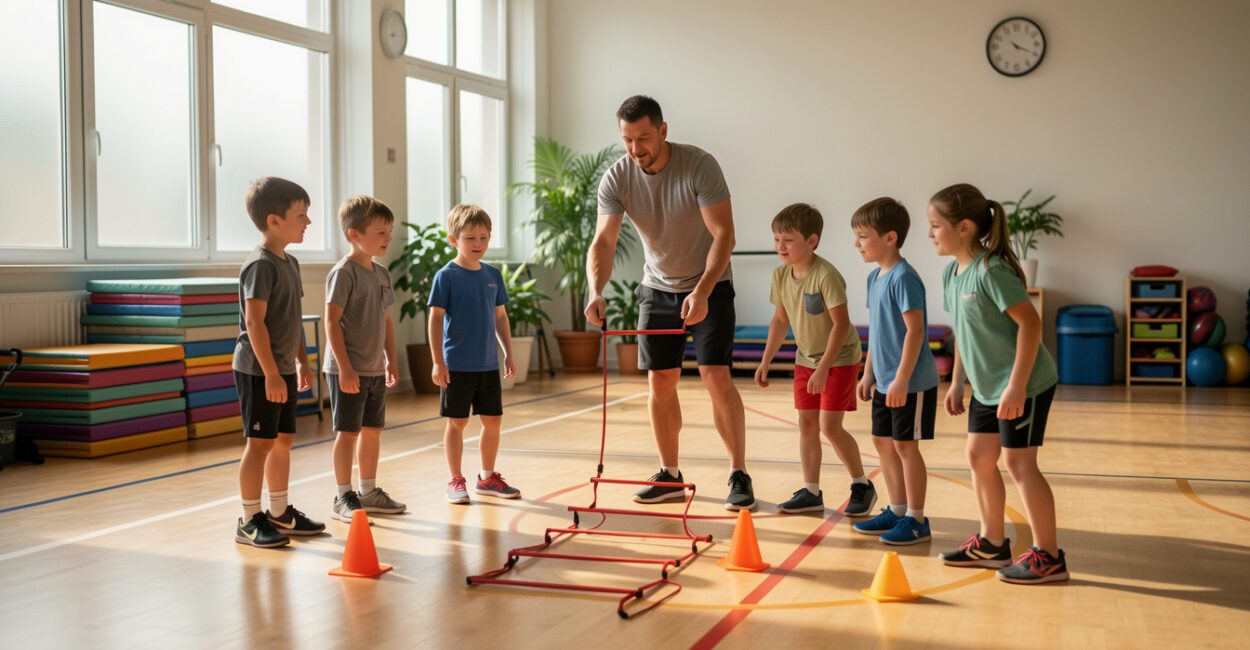
A physical education teacher plans, leads, and evaluates physical activities to promote learning, motor development, social skills, and healthy habits. In schools, they teach activities such as games, sports, dance, martial arts, and gymnastics. In other settings, they may lead physical activities based on their qualifications and within the legal limits of the profession.
To pursue this career, it’s important to choose between a teaching degree and a bachelor’s degree, understand where each program qualifies you to work, and check the registration requirements for your intended role. The job also calls for planning, adapting activities, and paying attention to safety and participation for people with different needs.

The educational role of a physical education teacher
In schools, physical education is part of students’ overall education. Teachers design experiences that help students understand the body and movement, develop motor skills, and learn to interact with others.
Activities may include play, games, sports, dance, martial arts, gymnastics, and outdoor adventure activities.
An activity has educational value when it has a learning objective and is appropriate for the class. A game, for example, can teach rules and basic skills while also encouraging cooperation, decision-making, and respect for differences. Teachers observe how students participate and adjust the activity so it works for everyone. That’s why a lesson involves more than simply choosing a game. Teachers need to consider students’ ages, prior knowledge, available space and equipment, the characteristics of the class, and the intended learning outcomes. In school, physical education lessons have broad educational goals; sports training, by contrast, generally focuses on developing a particular sport and the skills associated with it.
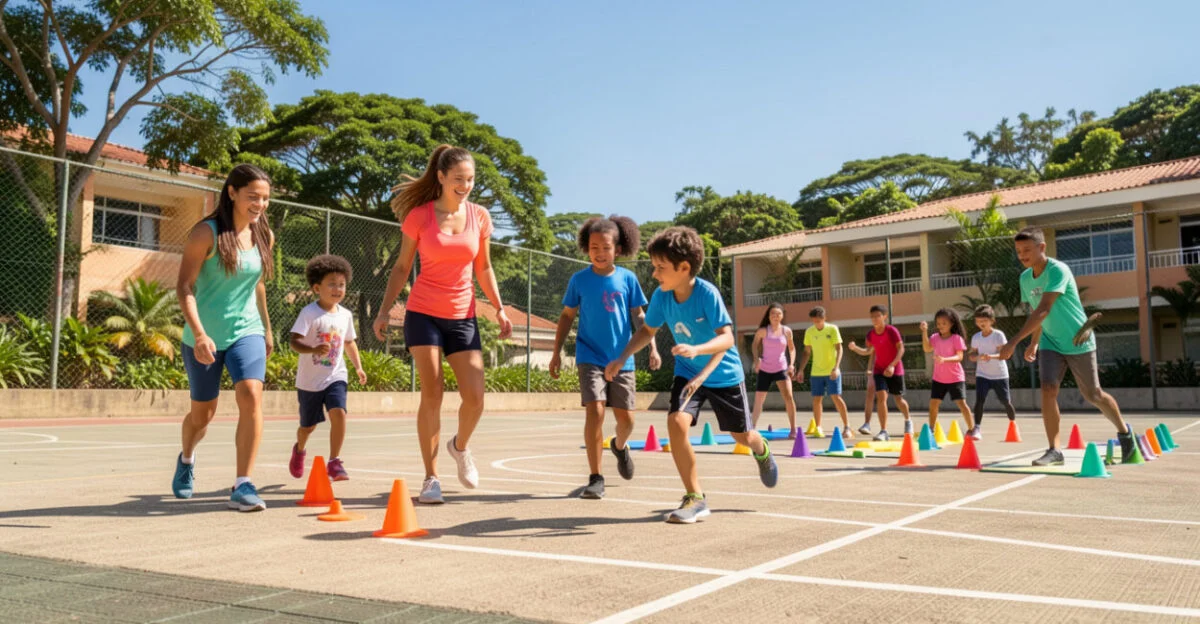
Education and training: teaching degree, bachelor’s degree, and choosing a program
The first step is to choose a physical education degree program that fits your intended career path. A teaching degree prepares graduates to teach in Brazil’s basic education system, in accordance with education regulations and the requirements of the education systems.
A bachelor’s degree prepares graduates for non-school settings, such as gyms, sports clubs, and programs related to exercise and physical activity, subject to applicable professional limits.
Brazil’s National Curriculum Guidelines for physical education degree programs were established by CNE/CES Resolution No. 6/2018, a regulation issued by Brazil’s National Education Council. Because curricula, program structures, and internship requirements may vary, check with the institution and confirm that the qualification it offers matches your career goals.
Before enrolling, check whether the program is officially recognized, review its curriculum, internship opportunities, facilities for hands-on activities, and faculty experience. You may also want to talk with the program coordinator about how it prepares students for their chosen field. Courses in education, anatomy, physiology, biomechanics, assessment, and teaching methods help build a strong foundation. Choosing between degree types requires careful consideration: the program name alone may not clarify every field you’re qualified to enter. Review the degree documentation and check with the professional council and local education system about the requirements for your intended role.
Professional registration and limits of practice

Registration requirements depend on the setting and type of work. Brazil’s Law No. 9,696/1998 regulates the profession, and the CONFEF/CREF system—Brazil’s Federal and Regional Physical Education Councils—provides guidance and oversees professional practice in the areas under its jurisdiction.
For regulated work outside schools, check with your regional CREF to find out whether registration is required and which documents you’ll need.
Read also: Physical Education Lesson Planning
To teach in Brazil’s basic education system, a teaching qualification and the requirements of the relevant education system are essential. Confirm the requirements with the education department, school district, or hiring institution. If the role also involves duties from another professional field, check the applicable rules before taking them on.
In any setting, professionals should work within the scope of their training and expertise. Activities involving health assessments, rehabilitation, or specialized needs may require referrals and collaboration with other professionals.
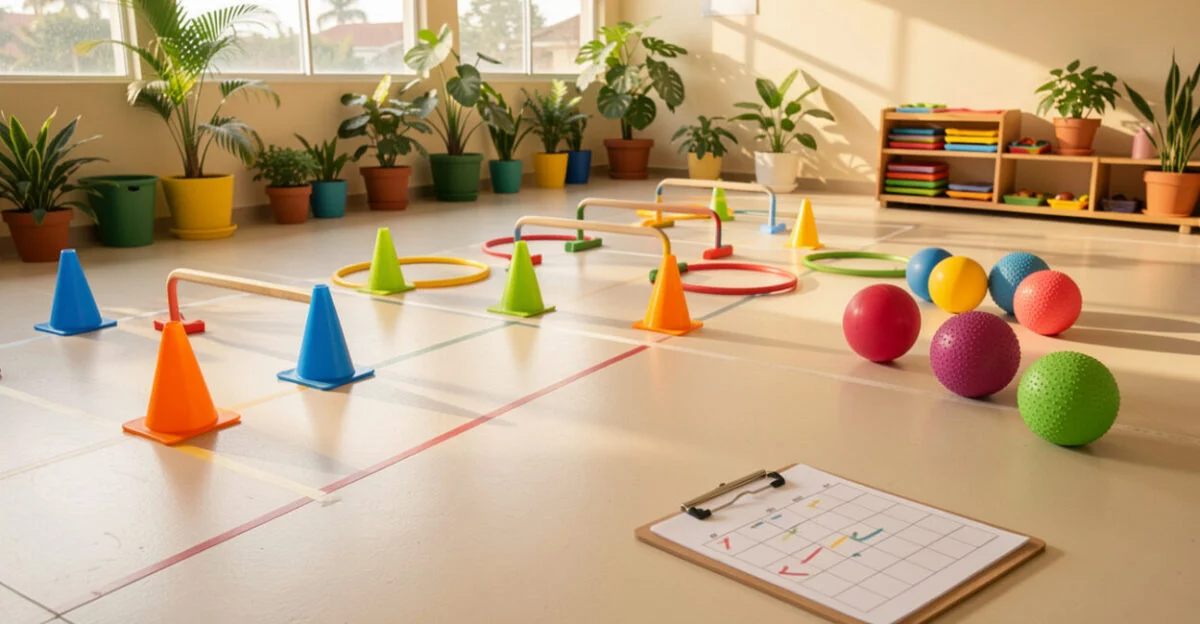
Planning, assessment, inclusion, and safety
A well-organized lesson starts with an objective, includes activities arranged in sequence, and gives the teacher ways to assess learning. Teachers can evaluate students’ understanding of the rules, participation, motor development, cooperation, or decision-making. Assessment helps shape future lessons and doesn’t have to focus solely on physical performance.
Skill
Practical application
How it benefits the lesson
Planning
Sets objectives, selects materials, and sequences activities
Gives the lesson direction and avoids pointless repetition
Assessment
Monitors participation, progress, and understanding
Helps identify progress and areas that need adjustment
Facilitation
Guides students’ interactions and manages conflicts
Encourages participation and respect for the rules
Adaptation
Adjusts rules, materials, or tasks to suit the class
Creates more opportunities for students to participate
To determine whether a lesson is inclusive, consider whether students can participate meaningfully, whether options are available for different skill levels, and whether rules can be adapted without excluding anyone. A lighter ball, a shorter distance, tasks with different levels of challenge, or a peer partner can make a difference. Adaptations should preserve the learning objective and respect each student’s needs.
Safety starts before the activity: check the space and equipment, explain the rules, and organize the group to reduce collisions and long waits. The intensity and complexity should also increase at a pace that’s right for the class. A lesson can be engaging while still being organized in a way that lets the teacher monitor what’s happening.
In practice, a lesson might start with a short warm-up, move on to a game with simple rules, and end with a brief discussion of what students learned. If students have different levels of experience, the teacher can offer variations with different levels of difficulty. The goal is to make it possible to observe participation and progress, rather than leaving some students waiting while others take over the activity.
Career paths and the job market
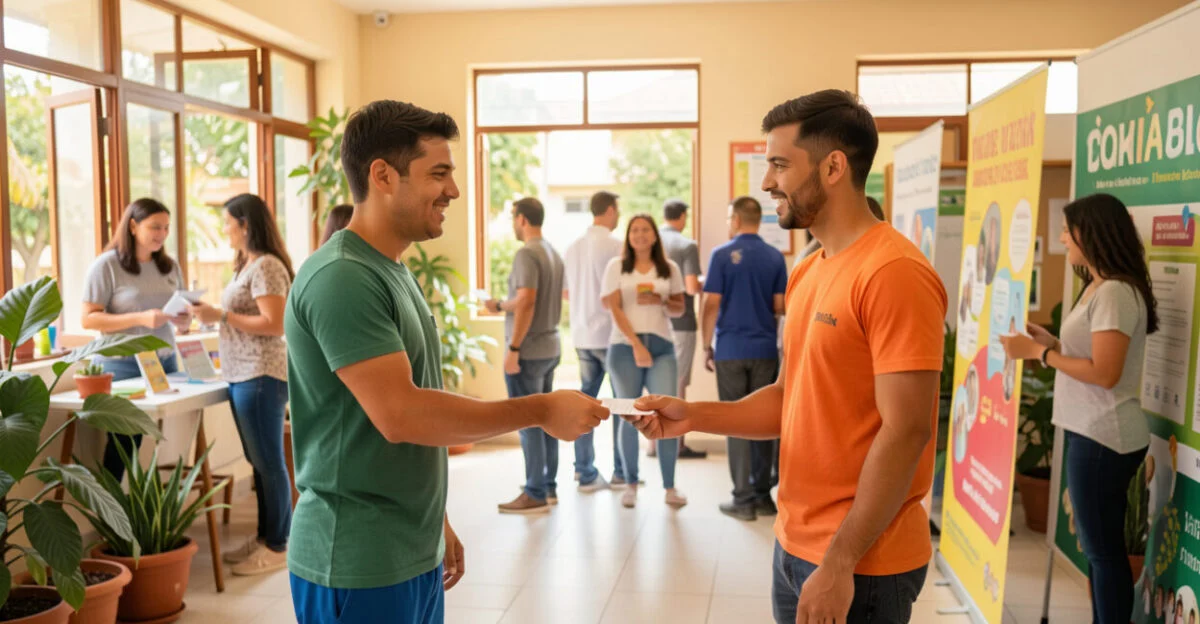
Opportunities are available in public and private schools, gyms, sports clubs, community programs, and other settings related to physical activity. Employment arrangements vary: some positions are permanent, while others may be temporary or tied to specific programs. The qualification required depends on the role and setting.
When searching for openings, use specific terms such as “physical education teacher,” “physical education instructor,” or the name of the qualification and field you’re interested in. Check competitive examination and hiring process pages, school districts, institutions, and job platforms. Filter by city or region and check when each listing was posted.
Read each listing carefully. Check the required education, field of practice, employment type, work hours, location, duties, and requested documents. If professional registration is required, confirm which council and registration status are accepted. Before applying, compare these requirements with your qualifications and contact the hiring institution if anything is unclear.
Career options also depend on experience, additional training, and local demand. To understand the job market in a particular area, compare recent listings from different employers and note which requirements come up repeatedly. Pay data should be interpreted only when the source, location, time period, and employment type are clear.
Health and overall development
Movement can support health and well-being while creating opportunities for learning and social interaction. In childhood and adolescence, varied experiences help develop skills such as running, jumping, throwing, and balancing. Teachers should offer these experiences without making differences in performance a source of embarrassment.
Physical activity is not a substitute for care from a mental health professional, doctor, or other health care provider. Teachers can create positive movement experiences and guide activities within the scope of their training, referring students to other services when needed. Brazil’s Ministry of Health and the World Health Organization publish information about physical activity and health. Consult the organizations’ websites directly for recommendations and guidance.
Frequently asked questions
How much do physical education teachers earn?
There’s no single salary that applies to every professional. Pay depends on factors such as location, employer, work hours, and employment type. To find a benchmark, look for recent data and check the source, time period, and geographic area covered.
Can a physical education professional be called “doctor”?
Forms of address vary by social and professional context. The academic title of doctor generally refers to someone who has completed a doctoral degree; an undergraduate degree in physical education does not confer that title.
How can I find physical education teacher jobs in my area?
Search school district websites, competitive examination and hiring process pages, and job platforms. Filter by location, use terms related to the role, and check the date and requirements for each listing.
What factors can affect pay?
Factors that may affect pay include location, employer sector, work hours, employment type, and job duties. Compare information from the same time period and similar settings before drawing conclusions.
When evaluating a job opening or offer, check whether the duties match your qualifications and which rules apply to the work setting. To assess the quality of a lesson, look at its objectives, student participation, adaptations, and safety, as well as how engaged students are.
Artigos Relacionados
 A Soccer Player’s Career: A Complete Guide to Tips, Challenges, and Opportunities
 Pulmonologist: A Complete Guide to the Profession and Career
 Professional Gamer: A Complete Guide to Building a Successful Career
 Biomedical Scientist: A Complete Career Guide
 Computer Scientist: A Complete Guide to Your Career and Future
 Logistics Director: A Complete Guide to the Role and Its Demands
