
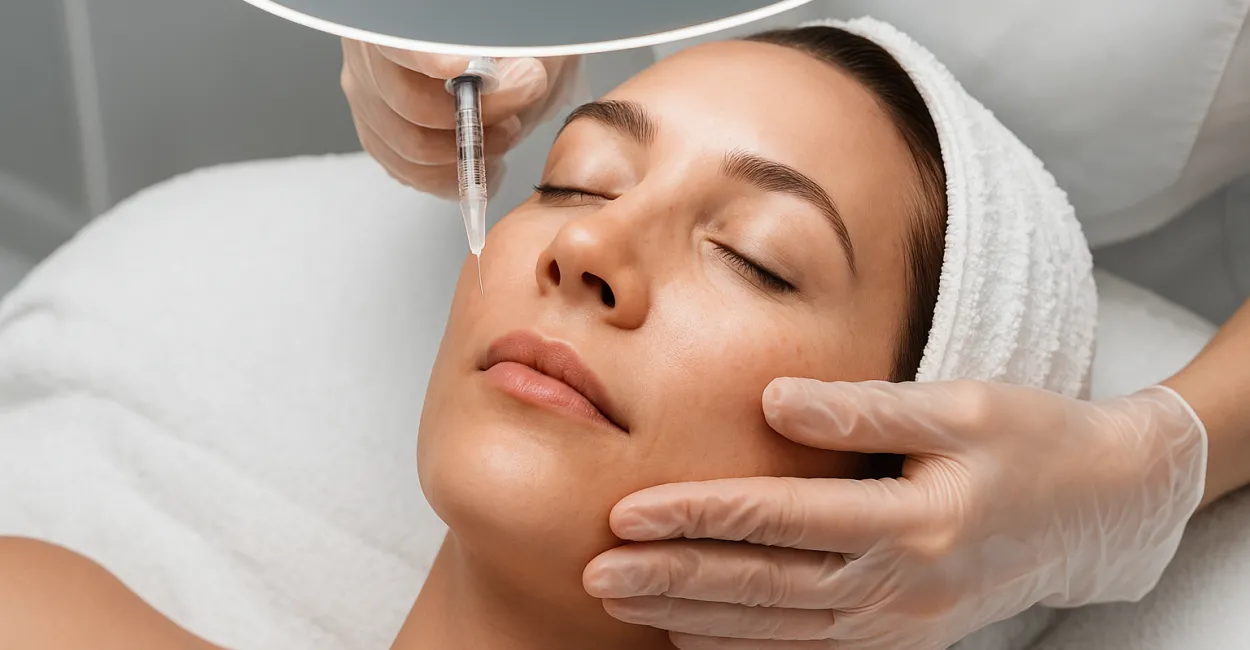
Cosmetic procedures are no longer confined to luxury clinics. They’ve become part of everyday life for people seeking to correct, prevent, or improve aspects of their appearance with more control over the result. The point isn’t to “change for the sake of change.” It’s to understand which techniques are available, what each one can do, what risks they involve, and where expectations tend to drift from reality.
In practice, many people decide to get a treatment before understanding the difference between botulinum toxin, fillers, laser treatments, chemical peels, and plastic surgery. That distinction changes everything: the recommended treatment, cost, recovery time, and even the psychological impact of the result.

Here, we’ll bring clarity to the subject by looking at social effects, safety considerations, and the criteria that can genuinely help you make a choice.
The Essentials
- Cosmetic procedures include minimally invasive techniques, skin treatments, laser technologies, and surgeries for cosmetic or reconstructive purposes.
- The safest results usually come from the right recommendation, a qualified professional, and realistic expectations—not the most aggressive promise.
- Cosmetic decisions almost always have an emotional impact: they can boost self-esteem, but they can also intensify dissatisfaction when driven by outside pressure.
- People who judge risk by price alone are more likely to make a poor choice than those who consider the product, the professional’s experience, the treatment plan, and recovery.
- No procedure is right for every face, skin type, or stage of life. Choosing the right treatment matters more than following the latest trend.
Modern Cosmetic Procedures and Their Social and Psychological Effects
Technically speaking, cosmetic procedures are interventions designed to improve, balance, restore, or alter physical features, with or without an associated therapeutic purpose. In everyday language, they’re techniques for treating skin, facial features, body contours, and signs of aging, using everything from high-performance cosmetics to plastic surgery.
This market has grown because appearance can influence how people perceive competence and status, and even affect employment prospects in some settings. This isn’t just an abstract idea: professionals in this field often see patients who come in after constant comparisons on social media, exposure to image filters, and pressure in the workplace.
The result is a mix of legitimate desires and social anxiety, and distinguishing between the two is part of providing good care.
The difference between a good cosmetic result and regret usually shows up before the procedure: it comes down to the right recommendation, realistic expectations, and a safe treatment plan.
When the Impact Goes Beyond Appearance
The social impact is clear. When a particular beauty standard dominates conversations, advertising, and social media, appearance becomes more than personal expression—it becomes a form of social currency.
In some circles, it can influence dating, work, spending, and even how people are treated in everyday settings.
There’s also an ambivalent psychological effect. For some people, treating their skin or correcting a long-standing feature eases discomfort and boosts self-confidence. For others, the cycle becomes endless because they weren’t looking for a concrete improvement, but for quick emotional relief. This second situation deserves attention, including careful screening when there are signs of ongoing distress about one’s appearance.
Main Types of Procedures and What Each One Can Do
Not every procedure works at the same level. Some affect muscle function, others add volume, and still others renew the skin’s surface.
Understanding these differences helps prevent poor choices and inflated expectations.
Minimally Invasive Procedures
- Botulinum toxin: Reduces the activity of specific muscles and softens dynamic wrinkles, such as forehead lines and crow’s feet.
- Hyaluronic acid fillers: Restore volume, define contours, and soften folds, with temporary results.
- Collagen stimulators: Encourage collagen production over several weeks, with more gradual results.
Skin Treatments and Technologies
Laser treatments, radiofrequency, intense pulsed light, and chemical peels fall into this category. Each targets different concerns: dark spots, skin texture, pores, acne scars, mild skin laxity, or uneven skin tone.
The most common mistake is treating all of these concerns as if they were the same.
Surgery and More Extensive Procedures
Rhinoplasty, liposuction, blepharoplasty, breast surgery, and facelifts require a different level of consideration. They involve preoperative evaluations, anesthesia, recovery time, and closer follow-up. The cosmetic improvement can be significant, but so can the physical and emotional toll.
People researching this topic often compare only the “before and after.” But what shapes the actual experience is the recovery period: swelling, bruising, maintenance, restrictions, and the possibility of touch-ups. For facial procedures, a factor like skin quality can significantly affect the treatment response.
How the Right Recommendation Reduces Risk and Improves Satisfaction

A good procedure isn’t necessarily the most expensive or the most famous. It’s the one that suits the patient’s anatomy, main concern, and routine. A face that has lost volume calls for a different approach than one with excessive muscle movement; melasma requires care that would be unsuitable for an acne scar.
What to Include in an Evaluation
- Main concern and the real reason for seeking treatment.
- Medical history, allergies, medications, and previous surgeries.
- Skin type, phototype, and tendency to develop dark spots or scars.
- Expected results, recovery time, and willingness to keep up with maintenance.
- The professional’s qualifications and the treatment setting.
In practice, anyone who works in this field knows that a thorough medical history saves time and prevents repeated work. I’ve seen cases where someone wanted to “fill out their face,” but the main issue was muscle asymmetry; in others, they insisted on laser treatment when what bothered them most was volume loss in the cheek area. When listening falls short, the procedure becomes a guessing game.
The best cosmetic recommendation doesn’t come from a desire to change everything. It comes from a careful understanding of what’s truly causing concern.
Sources to Help You Assess Your Options
If you want to check reliable references on safety, professional qualifications, and regulations in Brazil, consult the Anvisa website, Brazil’s health regulatory agency, which publishes regulations and safety alerts; the Ministry of Health website, which is useful for understanding public health guidelines; and academic resources from universities, such as the University of São Paulo School of Medicine, especially when the topic involves risk, skin, or surgery.
Safety, Regulation, and Costly Mistakes
Risks in cosmetic treatments don’t come from surgery alone. They can also result from an unsuitable technique, products of questionable origin, an uncontrolled setting, or promises that ignore anatomy and biological limits. A good rule of thumb: if someone is selling a miracle, the treatment plan is more likely to be unsafe.
Common Mistakes
- Choosing the lowest price without checking the provider’s qualifications and the facility’s compliance with regulations.
- Using too much product to “make it stand out more,” creating an unnatural look.
- Ignoring a history of cold sores, keloids, blood thinners, or autoimmune diseases.
- Having multiple procedures back-to-back without allowing time to recover.
Public data from IBGE, Brazil’s national statistics agency, can help explain the relationship between income, spending, and access to services. This also helps explain why cosmetic treatments have become more common in the purchasing decisions of people across income levels. Dermatology research also shows that skin type, age, and sun exposure affect treatment response—and that’s no minor detail; it’s central to choosing the right treatment.
There’s an important nuance: the same method can work very well for one person and fail for another. Fillers, for example, can precisely improve contours but won’t address significant skin laxity; laser treatments can improve texture but can’t replace surgery when there’s substantial excess skin. That’s where much of the frustration begins.
Expectations, Self-Esteem, and the Psychology of the Decision
The decision to get a cosmetic procedure is rarely just about appearance. In many cases, it’s tied to an attempt to regain a sense of control, feel more confident in social settings, or feel less uncomfortable with photos, mirrors, and public interactions. This can be healthy, as long as the motivation is specific and the goal is achievable.
When the Results Truly Help
People tend to feel better when their concern is specific, the change is proportional, and they understand that a procedure won’t resolve vague insecurities. Changing a feature that has bothered someone for years can bring significant relief. Trying to “fix your life” through your appearance, on the other hand, usually comes at a high cost.
When the Psychological Risk Increases
If someone finds a new source of dissatisfaction every time they look in the mirror, keeps changing what they want to fix, or believes a single procedure will eliminate widespread emotional distress, that’s a warning sign. In these cases, the body becomes a canvas for projection. No technical result can, on its own, meet an undefined psychological need.
How to Choose Carefully Without Giving In to Trends or Pressure
The most sensible choice starts with three questions: What’s really bothering you? What results are possible? How much maintenance fits your routine? This helps you avoid the trap of choosing the latest trend, which is often marketed as a universal solution and almost never is.
A Practical Decision Checklist
- Describe your main concern in one sentence.
- Compare at least two different approaches to the same problem.
- Ask about results, risks, and recovery.
- Check whether the provider can show photos of real cases and explain their criteria for recommending treatment.
- Be wary of absolute promises, such as “looks natural on everyone.”
If safety is your goal, comparing techniques matters more than choosing a promotional package. Well-chosen cosmetic procedures can improve appearance predictably; poorly chosen ones can lead to repeated corrections, recurring expenses, and emotional strain. The best decision is usually the least impulsive one.
What to Do Before Scheduling Any Procedure
The smartest next step isn’t to book a session right away, but to make sure your decision is sound. That means reading official guidance, reviewing contraindications, understanding recovery, and confirming that the professional has real expertise in that specific technique. When it comes to cosmetic treatments, rushing is rarely a good idea.
As a practical step, ask yourself three questions: Is this necessary? Is it right for my situation? Does it fit where I am in life right now? If the answer to any of them is “no,” wait. When in doubt, go back for another evaluation instead of moving forward on impulse.
Frequently Asked Questions
Are Cosmetic Procedures and Plastic Surgery the Same Thing?
No. Cosmetic procedures range from minimally invasive techniques to plastic surgery, but surgery is a broader category and generally involves more extensive recovery and greater risk. Botulinum toxin and fillers, for example, are not surgeries.
Are All Cosmetic Procedures Safe?
No procedure is risk-free. Safety depends on choosing the right treatment, the professional’s qualifications, the source of the product, and the patient’s health. Even common techniques can cause problems when used in the wrong context.
What’s the Difference Between Botulinum Toxin and Fillers?
Botulinum toxin reduces muscle contractions and softens expression lines. Fillers add volume and correct folds, contours, or structural volume loss. They serve different purposes and are often used together.
Can Cosmetic Procedures Improve Self-Esteem?
They can, especially when they address a specific, genuine concern. But their effect is limited when dissatisfaction has deep emotional roots or when someone expects a cosmetic change to resolve broader distress.
How Can I Tell Whether a Procedure Is Right for Me?
The right recommendation depends on an in-person evaluation, your health history, skin type, anatomy, and desired outcome. General information online can only help so much; what matters is an individual assessment. If the recommendation seems too automatic, it may lack proper consideration.
What Matters More When Choosing: Price or Technique?
Technique and safety matter more. Price is important, of course, but it shouldn’t be the main criterion when there’s a risk of an unnatural result, complications, or repeat treatment. With cosmetic procedures, cutting corners on the wrong choice can cost more in the long run.
Artigos Relacionados
 3D Printing: The Technology Revolutionizing Modern Manufacturing
 Assessing Learning: Modern and Innovative Methods for Students
 Technology in Agriculture: Innovation Transforming Modern Farming
 Social Media in Education: Key Impacts, Benefits, and Challenges
 Educational Games: How Games Are Transforming Modern Education
 Healthcare Professions: Their Evolution and Impact on Modern Society
