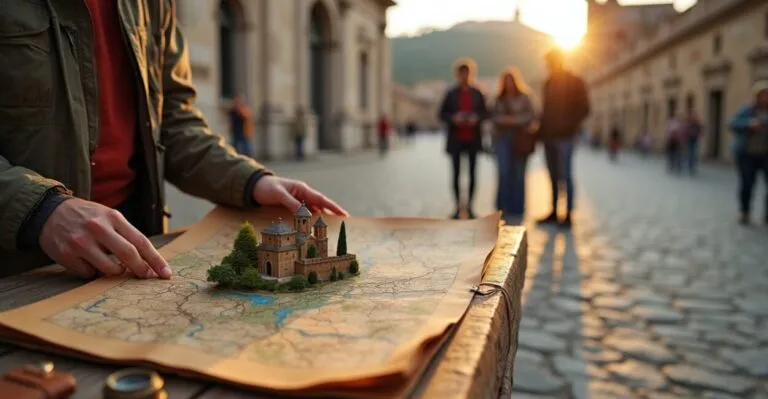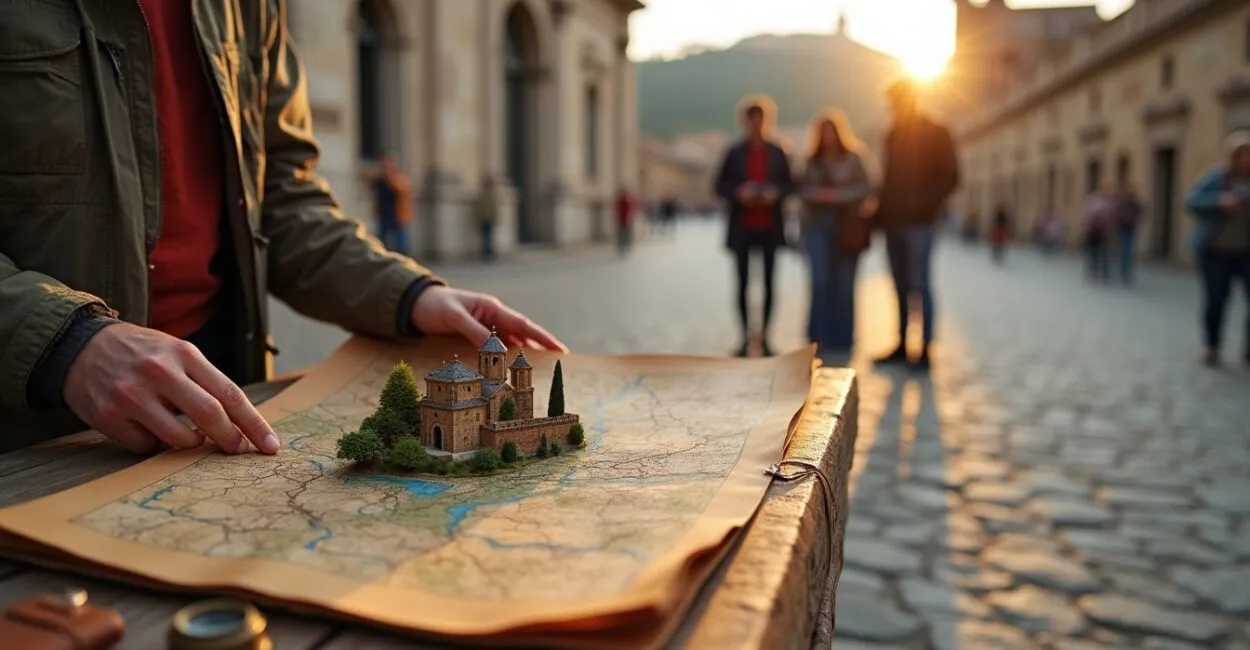
Tour guides shape travel experiences by sharing history, handling logistics, and creating memorable connections between visitors and places. They provide context, help keep visitors safe, and use storytelling to enrich cultural and outdoor experiences for individuals and groups. To get the most from a tour guide, identify your interests, check their credentials, and discuss your expectations before the tour.
Understanding the role of a tour guide matters because quality guiding improves visitor satisfaction, deepens cultural appreciation, and encourages return visits. This article explores key definitions, practical steps for planning and leading tours, ways to compare methods, useful tools, benefits, limitations, and best practices for building or hiring outstanding tour guide services.

Definitions and Basic Concepts of a Tour Guide
Core Role and Responsibilities
A tour guide interprets cultural, historical, and natural features to help visitors understand a destination’s significance. Guides manage the group, help ensure everyone’s safety, and adapt their stories for different audiences. They balance accuracy with engaging storytelling, drawing on research, local knowledge, and people skills. Responsibilities may include planning routes and schedules, securing permissions, and sometimes providing first aid or managing crowds.
Tour guiding also involves logistics, such as handling tickets, coordinating transportation, and communicating with vendors, to provide a smooth experience that meets visitor expectations and regulatory requirements.
Types and Specializations
Tour guides may specialize in walking tours, vehicle tours, food experiences, adventure tours, or museum interpretation, each of which calls for specific skills and certifications. Specialization affects training requirements and the audiences a guide serves. For example, eco-guides focus on conservation and natural history, while historical guides emphasize archival research and stories that put the past in context. City guides often combine practical navigation with engaging storytelling.
Guides working at regulated sites may need licenses, language skills, and membership in local associations to operate legally and establish credibility.
Essential Skills and Qualifications
Effective tour guides combine communication and storytelling skills with language proficiency and situational awareness. Training in customer service, safety, and local history can improve performance and credibility. Many destinations require licenses or certifications, and professional associations often offer continuing education and codes of ethics. Technical skills, such as using audio systems and itinerary software and managing crowds, are increasingly important.
Soft skills such as empathy, adaptability, and intercultural competence help guides connect with diverse groups and handle changing conditions in the field.
- Interpretation: turning facts into meaningful stories
- Logistics: planning routes, schedules, and access
- Safety: managing crowds, providing first aid, and assessing risks
- Languages: communicating with international visitors
- Customer service: managing expectations and feedback
Practical Steps to Become a Tour Guide
Training Pathways and Certification
Start by researching local regulations and certification requirements—some cities require official badges or permits. Choose accredited courses covering interpretation, safety, and local laws. Apprenticing with established operators provides hands-on experience, while mentorship offers practical techniques and advice on managing clients. Keep learning through workshops and language classes to sharpen your skills.
Document your hands-on experience and client feedback to build a professional portfolio that demonstrates your qualifications to employers and licensing authorities.
Building a Compelling Tour Product
Start by choosing a clear niche and target audience, then design a route around distinctive stories and easy-to-manage logistics. Add sensory details—tastes, sounds, and textures—to bring the experience to life. Test your tour with small groups to fine-tune the pace, script length, and time spent at each stop. Gather structured feedback, including ratings, comments, and suggestions, and use it to improve engagement and clarity.
Offer clear pricing, spell out what’s included, and provide flexible booking options to reduce friction and build trust with potential customers.
Step-by-Step Launch Checklist
Use a practical launch checklist to move efficiently from idea to operation. Confirm legal compliance, your pricing strategy, and basic marketing before accepting bookings.
Practice with mock tours, finalize your scripts, and prepare backup plans for bad weather, transportation delays, and accessibility needs. Gather essential equipment, such as a PA system, maps, and first-aid kits.
Build partnerships with local vendors and tourism boards to increase visibility and reliability.
- Define your niche and target audience.
- Obtain required licenses and complete essential training.
- Create and test a detailed route and script.
- Set transparent prices and establish a booking system.
- Run pilot tours, gather feedback, and make improvements.

Comparing Tour Guide Methods and Tools

In-Person Guiding vs. Digital Guiding
In-person guiding offers immediate, personalized interaction and the freedom to improvise, helping create strong emotional connections. It works especially well when social interaction and sensory experiences are central to the visit.
Digital options, such as apps, audio tours, and augmented reality, can reach more people, work well for independent travelers, and reduce labor costs. They often complement on-site guides rather than replace them entirely.
The right choice depends on audience preferences, budget, and the site itself. Hybrid models increasingly offer the best balance of engagement and reach.
Tools for Modern Tour Delivery
Guides now use portable PA systems, real-time translation devices, mapping apps, and customer relationship management (CRM) tools to handle bookings and feedback. These technologies streamline operations and improve accessibility.
Augmented reality and rich media can layer historical reconstructions over real-world sites, helping visual learners and tech-savvy audiences better understand what they see.
Read also: Carpenter: Complete and Practical Guide
Reliable mobile connectivity and offline resources help ensure tours run smoothly in areas with limited service or infrastructure.
Method Comparison Table
| Method | Strength | Best for |
|---|---|---|
| Guided walking tour | Engaging and flexible | History and neighborhoods |
| Audio app / self-guided | Scalable, low labor costs | Attractions and museums |
| Virtual/AR tour | Immersive and interactive | Remote audiences and reconstructions |
| Small-group vehicle tour | Comfort and greater range | Outlying areas and multiple sites |
Benefits and Advantages of Using a Tour Guide
Enhanced Interpretation and Learning
A skilled tour guide turns facts into compelling stories, bringing history and culture to life. Interpretation adds layers of meaning that signs and guidebooks often miss, creating memorable learning experiences.
Read also: Study Time for Civil Service Exams: A Complete Guide to Managing and Improving Your Preparation
Guides can tailor information to their audience’s interests and reading levels, helping visitors understand and remember it. They provide context that deepens appreciation and empathy.
This person-to-person learning often leads to longer visits and greater satisfaction than exploring without a guide.
Economic and Social Benefits
Professional guides support local economies through their wages, partnerships with vendors, and promotion of lesser-known sites. Their work can help sustain community livelihoods and support sustainable tourism.
Guides who follow ethical practices encourage responsible visitation and cultural exchange, supporting preservation efforts and community pride.
According to the UNWTO, the UN agency responsible for promoting tourism, guided experiences contribute to longer stays and increased local spending, strengthening destinations’ resilience. UNWTO
Advantages List
- A deeper understanding of sites and their stories
- Improved visitor safety and crowd management
- Greater customer satisfaction and more return visits
- Support for local economies and small businesses
- Customized experiences for diverse audiences and needs
- Opportunities to teach visitors about conservation
Technical Aspects and Operational Considerations
Pricing Strategies and Revenue Models
Set prices based on costs, market rates, and perceived value. Options include per-person rates, flat fees for private tours, or tip-based free tours. Being clear about what’s included helps prevent disputes and encourages bookings.
Factor in seasonal demand and local events when setting rates; dynamic pricing can help maximize occupancy. Set cancellation policies and deposit requirements to protect revenue and manage no-shows.
According to Statista, tour prices vary widely: in many cities, tickets for city tours average $15 to $60, depending on the duration and what’s included. Statista
Risk Management and Insurance
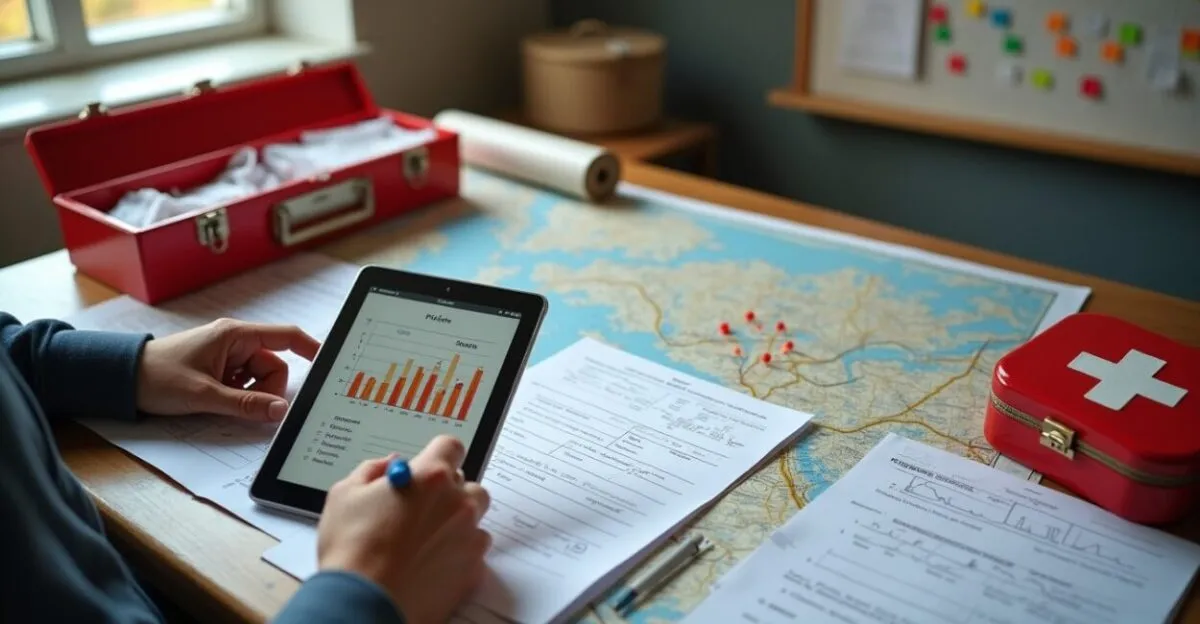
Operational risks include medical emergencies, property damage, and legal liability. Guides should carry basic first-aid kits and emergency contact lists and know the evacuation routes at every stop.
Obtain appropriate insurance, such as general liability, professional liability, and vehicle coverage when applicable. Clear safety briefings and documented consent for activities can reduce the risk of claims.
Keep records of safety drills, incident reports, and ongoing training to demonstrate due diligence to insurers and authorities.
Disadvantages and Limitations
Guided experiences may be limited by regulations, permit caps, or seasonal closures, making schedules and revenue less predictable. Noise restrictions or crowd limits can also reduce capacity.
Cultural sensitivity is essential; inaccurate interpretations or biased stories can damage relationships with local communities. Guides should avoid oversimplification and perpetuating stereotypes.
Operating costs, including insurance, licensing, and marketing, can reduce profit margins, especially for small businesses entering competitive markets.
- Permit and licensing restrictions in protected or historic areas
- Seasonal changes in demand that affect income stability
- Upfront costs for equipment, training, and insurance
Improving Performance and Measuring Success
Key Performance Indicators for Guides
Track key performance indicators (KPIs) such as customer satisfaction scores, repeat booking rates, average group size, and net promoter score (NPS). Structured feedback can help you identify specific areas for improvement.
Monitor operational measures such as on-time departures, incident rates, and the percentage of inquiries that become bookings to assess efficiency and identify service gaps. Use CRM data to spot trends and tailor your marketing.
According to a tourism study, satisfaction with guided tours is closely linked to a guide’s knowledge and clear communication; 78% of respondents rated knowledgeable guides as the most important factor in an excellent experience. UNWTO
Training, Quality Assurance, and Feedback Loops
Regular refresher training and peer reviews help maintain high standards. Mystery-shopper programs and recorded tours for self-review can reveal where scripts need tightening or pacing needs adjusting.
Turn guest feedback into specific improvements—adjust the timing of the route, add opportunities for interaction, or refine the level of detail. Recognize staff accomplishments to boost morale and retention.
Standardized checklists and renewed accreditations help maintain consistency across multiple guides and changing seasons.
Tips and Best Practices for Guides
Start with a clear introduction that outlines the route, timing, and key stops. Engage the group with questions and sensory details, and adjust your language to the audience.
Respect local communities by following site rules, avoiding intrusive photography advice, and encouraging conservation-friendly behavior. Be punctual and communicate changes clearly.
Use technology thoughtfully—offer audio options for large crowds, but leave some moments tech-free to preserve a sense of authenticity and encourage focused attention.
- Start with a clear, welcoming introduction and safety briefing
- Tailor stories to the audience’s interests and knowledge level
- Manage time carefully—stick to the schedule for stops and transitions
- Use simple visual aids or maps to support your stories
- Ask for feedback and encourage reviews after tours
Conclusion
Tour guide services connect curiosity with context, turning visits into meaningful stories while managing logistics and safety. Whether in-person, digital, or hybrid, guides shape how visitors experience a place and support local economies through informed, ethical interpretation. To launch or improve a tour guide service, focus on training, clear product design, measurable KPIs, and ongoing feedback. Follow best practices to create a better tour guide experience, deepen engagement, and encourage sustainable cultural exchange. Start small, make improvements, and use data to refine your approach.
Frequently Asked Questions
What Is a Tour Guide?
A tour guide is a trained professional who leads visitors through destinations, interpreting cultural, historical, and natural features while managing logistics and safety. Guides turn facts into engaging stories, providing context that deepens understanding and emotional connection to a place. They adapt their language, pacing, and storytelling to different audiences and often coordinate tickets, transportation, and accessibility needs to ensure a smooth, informative experience.
How Does the Guiding Process Work?
The guiding process starts with planning the route, researching the subject, and checking safety requirements. During the tour, guides explain the itinerary, orient the group, and tell stories at each stop while keeping track of time and everyone’s well-being. Afterward, they collect feedback, handle payments or tips, and report any incidents. Effective guiding combines preparation, live interpretation, and follow-up reviews to continually improve content, timing, and guest satisfaction.
What Is the Difference Between a Guided Tour and a Self-Guided Tour?
Guided tours offer live interpretation, immediate interaction, and personalized answers to questions, increasing engagement and emotional impact. Self-guided tours, using audio apps or printed maps, offer flexibility and lower costs, allowing visitors to explore at their own pace. Self-guided options are easy to scale and suit independent travelers, while guided tours provide curated stories, context on the spot, and a social atmosphere that can lead to deeper learning and greater satisfaction.
When Should I Hire a Professional Tour Guide?
Hire a professional tour guide when you want expert context, efficient logistics, or access to restricted sites. Guides add significant value in complex historic districts, conservation areas, and food-focused experiences. Consider hiring one if you have limited time, are visiting an unfamiliar area where safety may be a concern, or face language barriers. Professional guides can also improve group outings for schools, companies, and travelers with special interests who want tailored insights and smooth coordination.
How Much Does Hiring a Tour Guide Typically Cost?
Costs depend on the location, tour length, group size, and what’s included. In many cities, group walking tours average $15 to $60 per person, while private tours lasting several hours often start at $100–$250, depending on exclusivity and transportation needs. According to Statista, urban sightseeing prices vary significantly by region and season. Before booking, confirm whether admission fees, transportation, and tips are included to avoid unexpected costs.