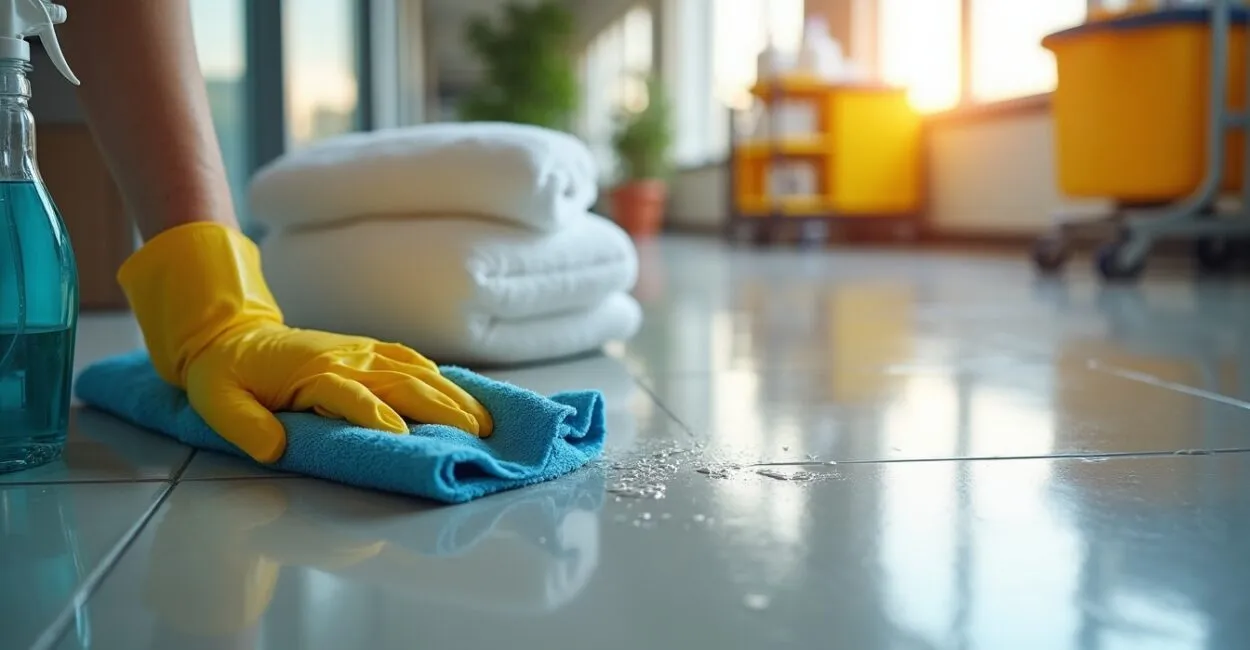
Cleaners play a central role in maintaining hygiene and operational efficiency in homes, offices, and industrial facilities. The term can refer to products, tools, or professionals that remove dirt, contaminants, and unwanted residue, bringing surfaces and environments up to acceptable sanitary standards. This matters for health, safety, and appearance.
Understanding cleaners helps you choose methods, schedules, and supplies that suit your risk levels and budget. This article covers definitions, workflows, comparisons, equipment, benefits, limitations, and best practices to help you develop effective cleaning strategies.

Basic Cleaner Concepts and Definitions
Core Meaning and Scope of Cleaner
The term cleaner encompasses chemical formulations, mechanical tools, and personnel focused on removing soil, biological contaminants, and residue from surfaces. It ranges from household detergents to professional janitorial services, with each addressing different materials, types of contamination, and regulatory requirements. In practice, the right cleaner depends on surface compatibility, dwell time, and the desired level of sanitation. For example, hard-surface disinfectants differ from fabric-safe detergents in their active ingredients and application methods, affecting both efficacy and safety.
Understanding the term’s core meaning helps clarify purchasing, training, and risk controls when establishing cleaning protocols in any setting.
Types and Categories of Cleaner
Cleaners can be classified as detergents, solvents, enzymatic agents, disinfectants, and mechanical systems such as vacuums and steam cleaners. Each category targets specific types of soil: detergents emulsify oils, solvents dissolve grease, and enzymes break down organic residue on fabrics.
Selection depends on factors such as pH, toxicity, biodegradability, and material compatibility. Industrial cleaners may require personal protective equipment (PPE) and ventilation controls, while household cleaners prioritize ease of use and occupant safety.
Knowing the different categories makes it easier to tailor cleaning routines for kitchens, healthcare, manufacturing, and hospitality settings.
Key Terms Related to Cleaner
Related terms include sanitization, disinfection, detergent action, surfactant, dwell time, and contact kill rate. These terms describe how a cleaner works and which performance metrics to measure during validation or quality checks.
For instance, surfactants lower surface tension to help remove soil, while contact time affects how effectively disinfectants reduce microbes. Understanding these concepts helps set realistic expectations and compliance targets.
These definitions support standardized protocols, staff training, and the purchase of appropriate cleaning products and equipment.
- Detergent: removes dirt with the help of surfactants and water
- Disinfectant: chemically reduces microbes on surfaces
- Solvent: dissolves oils and greasy residue
- Enzymatic cleaner: breaks down organic matter such as proteins and starches
- Mechanical cleaner: uses equipment, such as a vacuum or steam cleaner
Practical Cleaner Procedures and Workflow
Planning and Risk Assessment for Cleaner Tasks
Before using cleaners, conduct a site-specific risk assessment to identify contamination sources, high-touch areas, and occupancy patterns. The findings help determine product selection, cleaning frequency, and PPE requirements for staff or contractors.
Risk profiles should include surface types, chemical hazards, and compatibility with existing maintenance schedules. Risk scoring helps prioritize resources where infection control or appearance matters most.
Clear planning reduces the overuse of harsh chemicals, improves results, and supports compliance with health standards in commercial settings.
Step-by-Step Cleaning Routine
A repeatable sequence helps ensure consistent results. A typical routine starts with pre-cleaning to remove debris, followed by targeted cleaning with the appropriate product, and ends with an inspection and documentation to verify that standards have been met.
For more complex tasks, include equipment checks and safety measures such as ventilation or area isolation. Standardized steps help focus training on critical controls, including disinfectant dwell time and full surface coverage.
Consistent routines improve efficiency, reduce rework, and make quality control easier to measure.
Maintenance and Scheduling Strategies
Scheduling balances preventive maintenance with responsive cleaning after spills or contamination events. Use daily, weekly, and monthly frequency schedules based on foot traffic and contamination risk. When possible, log tasks digitally to support audits.
Maintenance also includes equipment upkeep, such as changing filters, replacing pads, and calibrating dispensing systems to maintain cleaner performance and lower lifecycle costs.
Planned schedules help optimize labor and supplies while maintaining hygienic conditions throughout a facility.
- Survey the area and identify high-risk surfaces to prioritize.
- Choose a cleaner suited to the soil and compatible with the surface.
- Prepare PPE and equipment; follow the manufacturer’s mixing instructions.
- Apply the cleaner, observe the required dwell time, then agitate and rinse if needed.
- Inspect the results, document completion, and adjust the schedule as needed.
Comparison of Cleaner Methods and Options

Manual vs. Automated Cleaner Methods
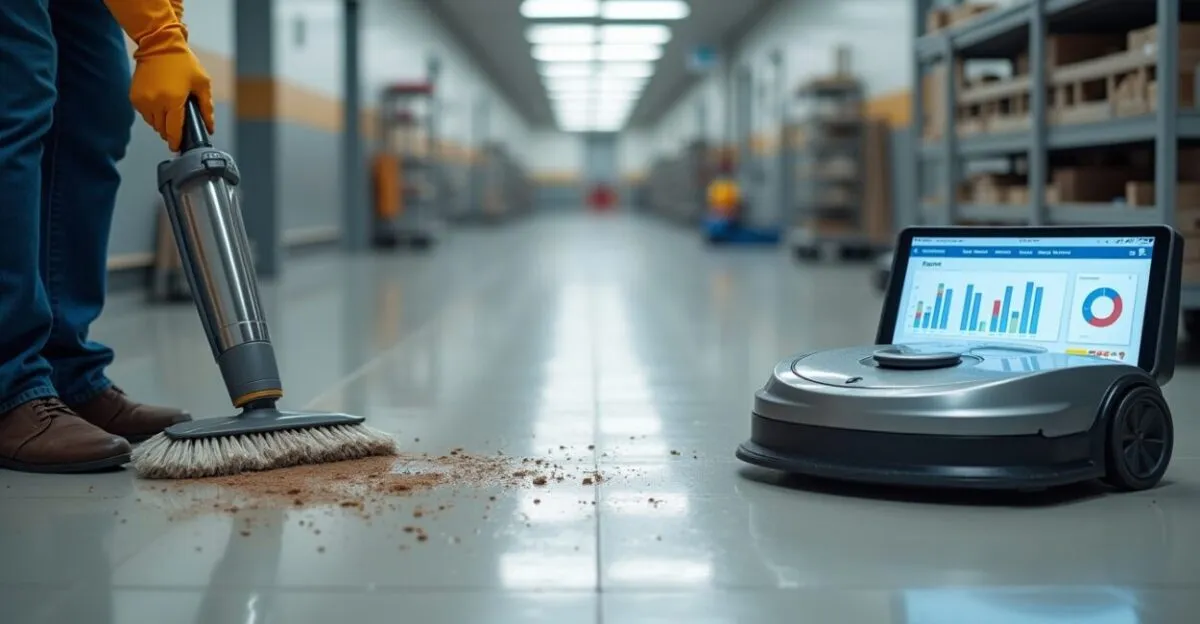
Manual cleaning uses hand tools, cloths, and manually applied chemicals. It offers precision in tight spaces but requires more labor. Automated systems—including autoscrubbers, robotic vacuums, and steam units—improve productivity and consistency in larger areas.
The right choice depends on the facility’s size and budget. Facilities larger than 1,000 m² often recoup the cost of automation over time through labor savings of 30–50%. Integrating equipment with scheduling software can improve ROI and performance tracking.
Understanding the trade-offs helps you decide whether to supplement staff with equipment or rely on manual methods for detailed work.
Chemical vs. Mechanical Cleaning Efficacy
Chemical cleaners dissolve or inactivate contaminants, while mechanical methods physically remove soil. Combining the two generally produces better results: chemicals loosen soil, and mechanical action removes it. This is especially useful in food service and healthcare settings.
Effective protocols specify compatible combinations, such as low-pH cleaners for mineral scale and enzymatic cleaners for protein-based soil, along with appropriate mechanical agitation to maximize soil removal without damaging surfaces.
Balancing chemical strength with mechanical action optimizes cleaning performance and extends the life of materials.
Comparison of Specialized Cleaner Techniques
Specialized techniques such as ozone, UV-C, and steam offer specific benefits. UV-C disinfects air and surfaces without leaving residue but requires direct exposure and safety controls. Steam can clean porous surfaces without chemicals but may damage materials that are sensitive to moisture.
Choosing a method depends on validation data, surface compatibility, and regulatory acceptance. For instance, healthcare facilities often require EPA-registered disinfectants with documented efficacy claims for specific contact times.
Comparing these options with operational requirements helps determine where each technique fits into an overall cleaning strategy.
| Method | Best use | Typical cost range |
|---|---|---|
| Manual cleaning | Detail work, small spaces | $0.10–$0.50 per ft² |
| Automated scrubber | Large hard floors | $3,000–$20,000 equipment |
| Steam cleaning | Textiles, grease removal | $200–$5,000 equipment |
| UV-C | Supplemental disinfection | $1,000–$50,000 units |
Cleaner Benefits and Operational Advantages
Health and Safety Improvements from Cleaner Use
Choosing appropriate cleaners and following proper protocols reduces pathogen levels and allergens, helping lower infection risks and absenteeism. In healthcare and food service, consistently applying validated cleaning procedures is associated with better patient and customer safety outcomes.
Maintaining clean environments also reduces slip hazards and can improve indoor air quality by limiting dust and VOC sources when low-emission cleaners are used.
These benefits can reduce liability and improve occupant well-being in residential and commercial settings.
Cost and Efficiency Gains with Optimized Cleaner Practices
Optimizing cleaning workflows can reduce supply waste and labor hours. Industry studies suggest that standardized protocols, combined with training and automation improvements, can cut supply use by up to 20% and labor time by 15%, lowering operating costs.
Read also: Driver Basics and Core Definitions
Efficiency gains come from matching product strength to the soil, using the right dosing systems, and scheduling preventive cleaning to avoid costly restorative work.
Effective optimization supports predictable budgeting and better resource allocation for facility managers.
Read also: Mechanic Basics and Core Concepts
Brand and Aesthetic Value of Cleaner Routines
Consistent cleaning preserves finishes and equipment, extends replacement cycles, and reinforces brand impressions in retail and hospitality settings. Clean environments can influence customer satisfaction scores and reviews, which are measurable drivers of revenue in service industries.
Visible cleanliness contributes to perceptions of professionalism and care. It can also affect repeat business and staff morale, providing an intangible but significant operational advantage.
Investing in suitable cleaners and protocols is therefore both a maintenance strategy and a way to protect your reputation.
- Reduces infection risk and improves occupant safety
- Extends asset life and lowers repair costs
- Improves customer perception and brand value
- Optimizes labor and supply costs through standardized processes
- Supports regulatory compliance in sensitive industries
Cleaner Equipment, Products, and Technical Specs
Common Cleaner Product Formulations
Cleaner formulations vary: alkaline detergents for oils, acidic cleaners for mineral deposits, quaternary ammonium compounds (quats) for surface disinfection, and enzymatic blends for biological residue. Each formulation has specific use cases and safety considerations.
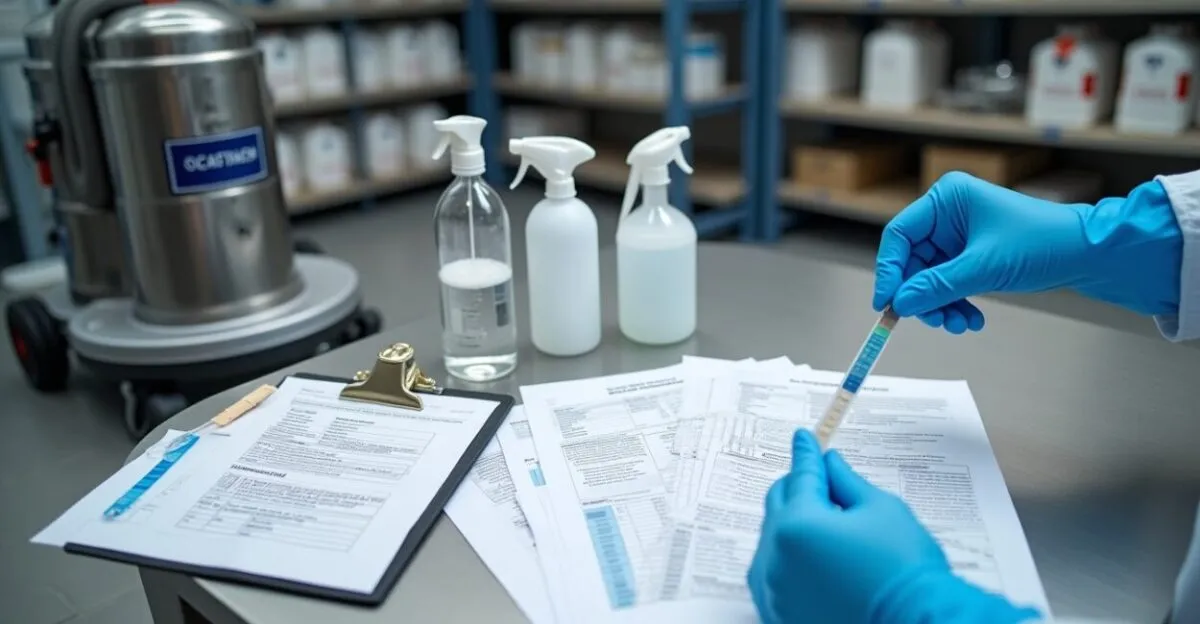
Manufacturers provide technical data sheets (TDS) and safety data sheets (SDS) that list active ingredients, pH ranges, and required PPE. Always consult these documents to confirm surface compatibility and regulatory compliance.
Choosing products with appropriate certifications—such as EPA registration for disinfectants—helps ensure their efficacy is documented.
Equipment Selection and Technical Considerations
Choose equipment based on the size of the area and the amount of soil. Autoscrubbers vary in pad speed, water recovery, and vacuum performance. Vacuums should have the right filtration—HEPA for healthcare settings, for example—to control particulates effectively.
Technical specifications to evaluate include flow rates, tank capacity, pad pressure, battery runtime, and maintenance intervals. Proper specification helps prevent undersized purchases and unexpected downtime.
Run trials and consult supplier references to confirm that equipment meets operational needs.
Storage, Dispensing, and Sustainability Features
Safe storage and accurate dispensing reduce waste and chemical exposure. Dilution control systems ensure consistent concentrations, lower costs, and improve worker safety. Secondary containment and ventilation help manage spill and fume risks in storage areas.
Consider greener options, such as biodegradable surfactants, low-VOC formulas, and concentrated refills that reduce plastic waste. Life-cycle assessments can help quantify environmental impacts when making purchasing decisions.
Sustainable purchasing often supports corporate environmental, social, and governance (ESG) goals and may qualify a facility for certain green certifications.
| Characteristic | Typical spec | Implication |
|---|---|---|
| Filtration | HEPA/ULPA options | Reduces airborne particulates |
| Dispensing | Automatic dosing | Consistent concentration, less waste |
| Power | Battery runtime 2–8 hours | Determines shift coverage |
Cleaner Limitations and Practical Constraints
Material Compatibility and Damage Risks
Some cleaners can etch, discolor, or weaken materials. Strong acids on natural stone and aggressive solvents on painted surfaces are common examples. Testing products in an inconspicuous area and following manufacturer recommendations can prevent permanent damage.
Hardwood floors, leather, and specialty coatings often require products formulated specifically for those materials. Incorrect use can speed up wear and void warranties, raising long-term costs despite short-term cleaning gains.
Understanding material compatibility is essential for safe, cost-effective cleaning.
Regulatory, Safety, and Environmental Constraints
Regulations may restrict the use of certain biocides or products that emit VOCs in some jurisdictions. Proper labeling, access to SDSs, and training are often required by law. In some areas, wastewater discharge rules affect which chemicals you can use and how rinse water must be managed.
Safety requirements may include PPE, ventilation, and exposure limits. Noncompliance can lead to fines and health incidents that outweigh any perceived convenience of using restricted products.
Staying informed about local regulations reduces liability and protects occupants and staff.
Operational and Cost Limitations of Cleaner Programs
Budget constraints, staff availability, and gaps in training can limit the scope and consistency of cleaning programs. Although automation can reduce labor, capital expenses and maintenance costs must be weighed against projected savings.
Underfunded programs often produce inconsistent results. Some industry analyses report 30–40% variation in cleaning quality at facilities without standardized audits. Training and auditing can close that gap, but they require investment.
Balancing cost and performance requires strategic planning and measurable KPIs.
- Can damage sensitive surfaces if used incorrectly
- Chemicals and disposal may be subject to regulatory limits
- Equipment can have high upfront and maintenance costs
Cleaner Best Practices and Implementation Tips
Training, Documentation, and Quality Assurance
Invest in structured training that covers product chemistry, equipment operation, safety, and inspection criteria. Maintain standard operating procedures (SOPs) and checklists for each task to reduce variation. Regular audits and KPIs support continuous improvement and accountability.
Documentation supports supplier warranties and regulatory compliance. Digital logs simplify reporting and trend analysis to inform management decisions.
Consistent training and quality assurance preserve cleaner efficacy and protect the organization over time.
Procurement, Inventory, and Cost Control
Centralize purchasing to maintain consistent product specifications, and use volume discounts to lower unit costs. Set up inventory controls and use a first-in, first-out system to prevent chemicals from expiring. Use dilution and dosing systems to manage consumption accurately.
Track total cost of ownership, including waste disposal, PPE, and equipment depreciation, to get an accurate picture of cleaning expenses instead of focusing only on supply prices.
Effective procurement lowers costs and makes performance more predictable.
Continuous Improvement and Sustainability Measures
Monitor results and adjust protocols based on inspection data and occupant feedback. Test greener cleaners and measure their effects on efficacy, costs, and waste. Small changes, such as switching to concentrated refills, can cut plastic waste by 60–80% and reduce transportation emissions.
Involve stakeholders in improvement efforts and document measurable gains to build support for further investment in sustainable cleaning practices.
Ongoing improvements help align cleaning programs with environmental goals and operational efficiency.
- Standardize SOPs and train staff regularly
- Use dilution systems to prevent overuse and waste
- Choose green and concentrated products when practical
- Use audits and KPIs to maintain consistent quality
- Share cost-benefit data with leadership to support investments
Conclusion
Cleaners include the products, equipment, and practices essential to hygiene, safety, and appearance across industries. By understanding cleaner categories, workflows, technical specifications, and limitations, you can build programs that are efficient, compliant, and sustainable. Cleaner choices affect costs, occupant health, and brand perception, so prioritize validated products, trained staff, and measurable routines.
Build a plan that fits your risks, scale, and budget: assess your needs, pilot solutions, and track KPIs to refine your approach. Start with a focused audit and create an action plan to improve cleaning outcomes today.
Frequently Asked Questions
What Is a Cleaner?
Cleaner is a broad term for substances, equipment, or professionals that remove dirt, organic matter, and contaminants from surfaces and environments. In everyday use, it includes household detergents, industrial solvents, enzymatic formulations, disinfectants, and mechanical devices such as vacuums and steam cleaners. The goal is to bring surfaces up to acceptable sanitary or aesthetic standards while accounting for material compatibility, safety, and regulatory requirements.
How Does the Cleaning Process Work?
Cleaning typically involves assessing the area, choosing the right cleaner, applying mechanical action, and rinsing or removing residue. First, identify the contaminants to select an appropriate chemical or method. Surfactants loosen soil, enzymes break down organic matter, and mechanical agitation dislodges particles. Dwell time and proper dilution are critical for efficacy. Finally, inspection and documentation confirm that standards have been met and identify any corrective steps needed.
What Is the Difference Between Manual and Automated Cleaning?
Manual cleaning relies on people using cloths, mops, and hand tools. It offers precision in tight or delicate areas but requires more labor. Automated cleaning uses machines such as autoscrubbers, robotic vacuums, and steam units to cover large areas quickly and consistently. Automation reduces repetitive strain and often boosts productivity, while manual methods remain essential for detailed work and irregular or sensitive surfaces that require human judgment.
When Should I Use a Disinfectant-Based Cleaner vs. a Detergent-Based Cleaner?
Use detergent-based cleaners to remove visible soil, such as grease and dirt. Surfactants and mechanical action loosen and lift these contaminants. Disinfectant-based cleaners are appropriate when you need to reduce microbial levels, such as in healthcare or food preparation settings, or after a contamination event. A two-step approach—cleaning with detergent first and then applying a disinfectant—often works best because organic soil can reduce disinfectant efficacy.
How Much Does a Professional Cleaning Service Typically Cost?
Costs vary depending on the scope of service, frequency, and setting. Routine commercial janitorial services often cost $0.10–$0.50 per ft², while deep cleaning or specialty services such as carpet restoration may cost $0.50–$2.00 per ft². Equipment-intensive services, such as autoscrubbing or steam cleaning, may cost extra. For large facilities, contracting versus using in-house staff changes the cost structure. Always request detailed quotes and service-level agreements.
References: EPA guidance on disinfectants, CDC cleaning recommendations, and industry procurement benchmarks from facility management reports.