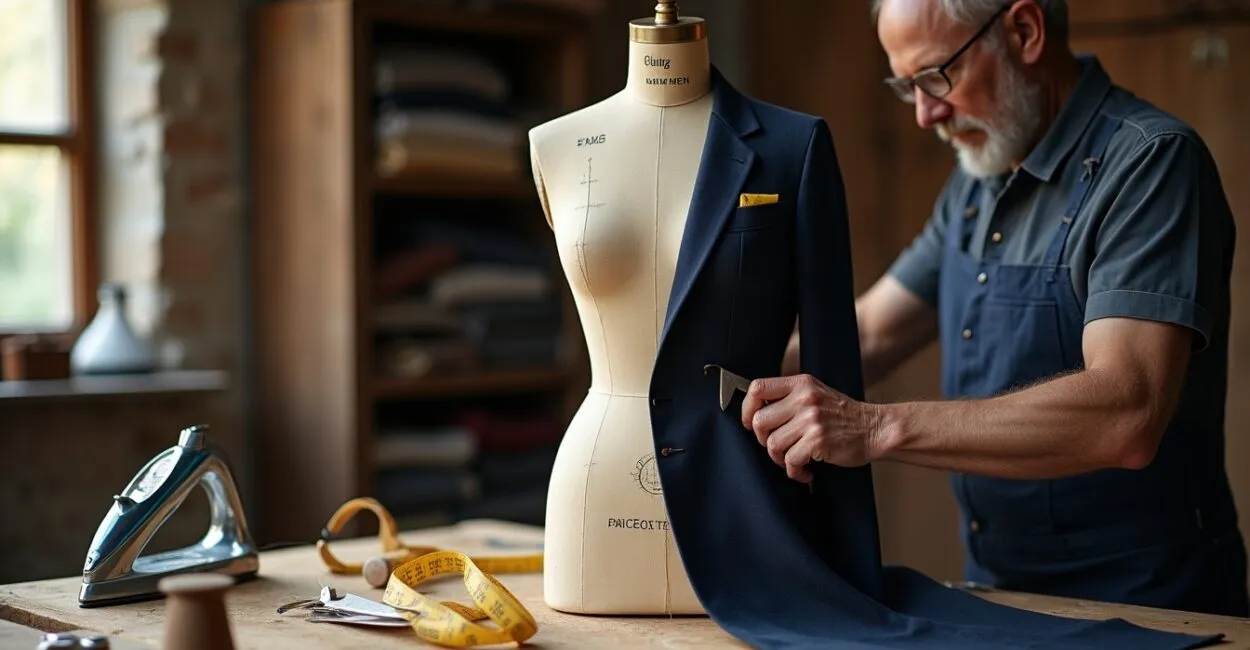
Tailoring shapes how clothing fits, lasts, and expresses personal style. It’s essential for anyone looking for garments that truly fit. A tailor specializes in altering and making clothes to achieve a precise fit, finish, and function, improving comfort and appearance. To get started, decide whether you need alterations, a bespoke garment, or fittings—each option has different timelines and costs.
Misunderstanding fit or skipping alterations can leave you with unworn clothes and missed opportunities to feel confident. This article covers professional tailoring, practical steps, methods, tools, limitations, and best practices to help you choose the right approach for bespoke or altered clothing.

Expect practical examples, comparison tables, and actionable checklists.
Tailoring Basics and Definitions
- Alterations: modifying a finished garment to improve its fit.
- Bespoke tailoring: making a custom garment from the initial pattern through the final finishing.
- Made-to-measure: adapting standard patterns to an individual’s measurements.
- Seam allowance and hem: fabric margins that allow for adjustments.
- Pattern drafting: creating a unique template for a client’s body.
Understanding Professional Tailoring
Professional tailoring combines precise measurements, patternmaking knowledge, and an understanding of how fabric behaves to create or alter clothes that flatter individual proportions. Tailors assess posture, movement, and proportions, using darts, seams, and ease to achieve balance and comfort.
This craft blends artistry and technical skill—from taking accurate measurements and choosing suitable seam finishes to stitching garments that can withstand regular wear.
Common Tailoring Terms
Terms like ease, grainline, interfacing, and cuff relate directly to fit and function when working with a tailor. Knowing what they mean helps clients communicate their preferences for structure, drape, and stretch.
When a tailor mentions “ease,” they mean the extra room built into a garment for movement. “Interfacing” refers to the internal support that stabilizes collars, cuffs, and plackets.
When to Choose a Tailor Over Ready-to-Wear
Choose a tailor when fit is a priority, a garment needs structural changes, or you want a distinctive style that’s hard to find off the rack. Tailoring is especially valuable for milestone garments—wedding suits, uniforms, or signature pieces—where fit affects both function and confidence.
With targeted repairs and adjustments, a skilled tailor can extend a garment’s life by years.
The Tailoring Process and Practical Steps
- Take systematic measurements: record the chest, waist, hips, sleeve, and inseam accurately.
- Assess the garment: inspect the seams, lining, and fabric condition before making alterations.
- Mark the changes: pin and baste seams while the client is wearing the garment.
- Test the adjustments: use temporary stitches or muslin mock-ups to check the fit.
Initial Consultation and Measurements
Start with a consultation to discuss your goals, timeline, and budget. Then take a full set of measurements—neck, chest, waist, hips, shoulders, sleeve length, and inseam—to plan the fitting. Note your posture and usual preferences, such as a looser fit or a more tailored silhouette.
Recording accurate measurements reduces rework and creates a consistent profile for future orders.
Fittings and Iterative Adjustments
Fittings are an iterative process: the first identifies the main changes, the second confirms the refined shape, and the final fitting checks the hem and finishing details. Each fitting usually takes 15–45 minutes; complex bespoke suits often require three or more fittings.
Be clear about the silhouette and comfort you want to help guide decisions about seam placement and padding.
Final Finishing and Quality Checks
Final finishing includes pressing the garment, trimming loose threads, reinforcing stress points, and checking button alignment and hems while the garment is in motion. A quality-control checklist should cover seam strength, symmetrical pattern alignment, and even stitching.
Try the garment on the client and check comfort while sitting, walking, and raising the arms to confirm it works in everyday situations.
Comparison of Tailoring Methods

| Method | Customization Level | Typical Turnaround |
|---|---|---|
| Bespoke | Maximum — a completely new pattern | 4–12 weeks |
| Made-to-measure | High — adjusted patterns | 2–6 weeks |
| Ready-to-wear alterations | Moderate — fit adjustments | 1–14 days |
| Repair/restoration | Low to moderate | 2–21 days |
Bespoke Tailoring Explained
Bespoke tailoring starts with a unique paper pattern drafted from scratch for each client, resulting in a garment that reflects their body contours, posture, and style preferences. This method requires multiple fittings and expert patternmaking to achieve a truly individual fit.
Although more expensive, bespoke garments often last longer and retain their value thanks to meticulous construction and high-quality materials.
Made-to-Measure vs. Ready-to-Wear
Made-to-measure adapts existing patterns to a client’s measurements, offering a middle ground between bespoke customization and the convenience of mass-produced clothing. Ready-to-wear garments come in standard sizes and are convenient for quick purchases, but they may need significant alterations to achieve an ideal fit.
The right choice depends on your budget, timeline, and desired level of personalization.
Alterations and Repairs
Alterations range from simple hemming and taking in seams to more involved work, such as relining a jacket or adjusting the shoulders. Repairs may include patching, replacing zippers, or reinforcing high-stress areas. For vintage garments, restoration specialists use conservation techniques to preserve the fabric while restoring function and appearance.
Benefits and Advantages of Tailoring
- A better fit improves comfort and confidence right away.
- Longer-lasting garments can reduce clothing costs over time.
- Personalized styling creates a distinctive, polished look.
- Making better use of materials reduces waste and supports sustainability.
- Precise alterations can increase the resale value of quality garments.
Improving Fit and Appearance
Precise tailoring transforms how a garment drapes, creating clean lines and balanced proportions that standard sizing rarely achieves. Well-fitting clothes improve posture and silhouette—qualities that studies link to perceptions of competence and confidence in professional settings. Investing in a better fit can make more of a difference than buying higher-priced ready-to-wear clothes without alterations.
Cost-Effectiveness and Sustainability
Tailoring extends the useful life of a garment, making it a cost-effective alternative to frequent replacement. For example, replacing a hem or reinforcing seams can add years to a jacket’s life. According to the EPA (the U.S. Environmental Protection Agency), textile waste contributes significantly to landfill volume, so repairing and altering clothes can reduce environmental impact compared with throwing them away and buying new ones.
Customization and Personal Identity
Custom tailoring lets clients express their identity through fabric choice, lapel style, lining color, and pocket placement—details that distinguish garments in subtle but meaningful ways. For professionals and creatives alike, signature tailoring choices can become part of a personal brand. A tailor’s advice on proportions and fabric can elevate a design from ordinary to distinctive.
Tailoring Tools, Materials, and Technical Features
| Tool/Material | Purpose | Typical Cost Range |
|---|---|---|
| High-tension sewing machine | Durable main seams | $500–$5,000 |
| Tailor’s chalk and rulers | Marking and pattern drafting | $5–$50 |
| Premium fabrics (wool, silk) | Finished garment quality | $20–$200+ per yard |
Essential Tools and Equipment
Essential tools include professional sewing machines, pressing equipment, cutting shears, and fitting pins—all of which affect speed and finish quality. Machines with variable stitch settings and high torque are important for heavy fabrics like wool. Quality irons and steamers create crisp seams and polished hems. Investing in good tools directly contributes to consistent, long-lasting results.
Fabric Selection and Performance
Fabric choice determines drape, breathability, and care requirements: wool provides warmth and resilience, cotton is breathable and easy to alter, and synthetics add stretch and wrinkle resistance. Choosing interfacings and linings suited to the fabric’s weight helps maintain balanced structure. Talk with your tailor about how you’ll wear the garment to match the fabric to your everyday needs.
Construction Techniques That Matter
Techniques such as pad stitching, hand basting, and canvas interlining create durable structure and a refined silhouette in suits and coats. Hand-finishing collars and lapels improves their roll and longevity; French seams or bound seams add durability to delicate fabrics. Skilled construction reduces the need for future alterations and helps garments withstand repeated cleaning without losing their shape.
Tailoring Limitations and Challenges
- Bespoke work costs more than off-the-rack options.
- Turnaround takes longer—often weeks for bespoke garments.
- Alterations have limited effectiveness when the original garment is poorly proportioned.
Cost and Time Constraints
Bespoke garments can range from moderately priced to very expensive, and turnaround times often span several weeks. According to industry data, bespoke services in some cities take an average of 4–8 weeks to complete. Clients should weigh the cost against how often they expect to wear the garment and how long it will last. Deposits and advance scheduling are common to reserve a place in a bespoke production schedule.
Technical Limitations of Some Alterations
Not every garment can be substantially altered. Heavily patterned items, clothes with complex linings, or garments with too little seam allowance may not allow major changes without compromising the design. Drastically changing shoulder width or chest room can distort the original proportions. A skilled tailor will let you know when buying a new garment is the more practical choice.
Variability in Skill and Standards
Tailoring quality varies widely depending on the tailor’s experience, regional standards, and available equipment, which can affect consistency. Review a tailor’s portfolio, ask for references, and consider starting with a small project to reduce the risk. Transparent pricing and clear communication about expected results help prevent misunderstandings and ensure you agree on the fit and finish.
Tailoring Best Practices and Expert Tips
- Bring several clothing examples to show your preferred fit and silhouette.
- Schedule fittings for midday, when measurements tend to be most consistent.
- Discuss fabric care and maintenance before finalizing the construction.
- Keep consistent measurement records for future orders.
- Invest in at least one high-quality staple, such as a suit or coat.
Preparing for a Tailor Appointment
Before your appointment, bring reference garments, clear goals, and a realistic budget. Wear appropriate undergarments and shoes similar to those you’ll wear with the finished garment. Set realistic expectations—dramatic size changes may call for a new garment rather than alterations. Photos or notes about your preferred length, collar height, or waist fit can help speed things up.
Communicating Your Fit Preferences
Use specific descriptions—“slim through the waist,” “room in the seat,” or “slight taper”—and show how you want the garment to move when sitting or reaching. This helps ensure it works as well as it looks. Ask for mock-ups or basted fittings to preview changes before permanent stitching. Clear, two-way feedback during fittings leads to fewer adjustments and better results.
Caring for Tailored Garments
Follow care instructions appropriate for the fabric and construction. Dry-clean structured suits every 6–12 months and spot-clean as needed; rotate garments to reduce wear. Store them on sturdy hangers and use breathable garment bags for long-term storage. Proper care protects your investment and helps preserve fit and appearance for years.
In summary, tailoring delivers a better fit, longer-lasting garments, and more personalization when you choose a service with clear goals and realistic expectations. Options range from affordable alterations to premium bespoke garments, each with different costs and timelines. Choose the method that suits your needs, prepare for fittings, and care for your clothes to protect your investment—and enjoy garments that truly fit.
Frequently Asked Questions
What Is a Tailor?
A tailor is a skilled professional who alters, repairs, or makes garments to suit an individual’s body and style. Tailors use measurement techniques, pattern adjustments, and fabric knowledge to change proportions, add structure, or create custom pieces from scratch. By accounting for individual posture and movement, tailoring improves fit, comfort, and garment longevity compared with standard ready-to-wear clothing.
How Does the Tailoring Process Work?
Tailoring starts with a consultation and measurements, followed by one or more fittings where temporary stitches are used to check the fit. The tailor adjusts the pattern or garment, then finishes the permanent seams and details and presses the garment. For bespoke work, pattern drafting comes before cutting the fabric, and several fittings are typical. For alterations, the tailor reshapes the garment based on the recorded measurements and the client’s feedback.
What Is the Difference Between Bespoke and Made-to-Measure?
Bespoke tailoring involves creating a completely new pattern for a client and typically includes multiple fittings and handwork, allowing for the greatest level of customization. Made-to-measure adjusts an existing pattern to a client’s measurements, offering substantial personalization at a lower cost and with a faster turnaround. The main differences are the level of customization, craftsmanship, and time involved.
When Should I Use Tailoring Services?
Use tailoring when fit matters—for professional or formal wear, garments with sentimental value, or clothes you want to keep wearing through repairs. Tailoring is also a good option when off-the-rack garments need precise adjustments for comfort or silhouette, or when you want a custom piece that reflects your personal style and proportions.
How Much Does Tailoring Typically Cost?
Costs vary widely: simple hems may cost $10–$30, basic seam alterations or zipper replacements $20–$75, made-to-measure suits $300–$1,500, and bespoke suits $1,500–$10,000, depending on materials and labor. Industry sources note that turnaround times and regional pricing also affect cost. Always ask for an estimate and check whether complex alterations may involve extra fees.