
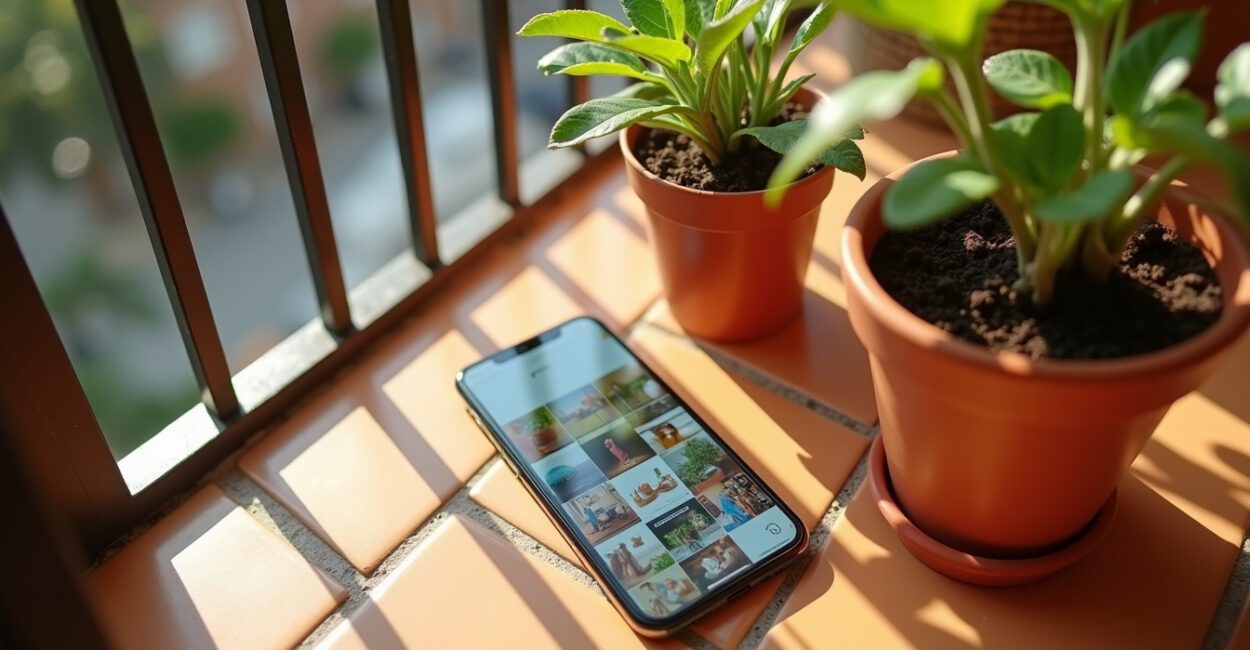
Comparing yourself to others can offer clues for growth, but it can also turn a curated social media feed into an unfair yardstick for your life.
You open a social media app for a few minutes and come away feeling like everyone else is moving ahead: someone changed careers, bought a home, or traveled. Learning how to stop comparing yourself starts with noticing what happens in that moment: noticing differences is human; treating someone else’s success as a verdict on your own worth is something else.

Comparison can offer useful information when it helps you identify a skill or goal that matters to you. It hurts when it erases context, personal circumstances, and the ground you’ve already covered.
How to stop comparing yourself without giving up learning
To interrupt a comparison that’s undermining your self-esteem, identify the trigger, name the feeling, and ask what the difference might teach you without defining your worth. Then choose an action tied to one of your own goals. That way, an outside benchmark becomes information, not a verdict.
Psychologist Leon Festinger described social comparison as the process of evaluating opinions and skills in relation to other people. In everyday terms, you measure yourself against the people around you, often without meaning to. “Upward” comparison—comparing yourself with someone who seems better off—can inspire or discourage you. The effect depends on how you interpret it and what you do next.
Imagine someone sees a coworker get promoted and concludes they’re failing. Their anxiety builds, and they consider abandoning a project of their own. The shift starts when they separate admiration from self-criticism: “What do I admire about this person’s path, and what part could I adapt to my own situation?”

Why the yardstick of social media is often unfair
A post shows a result, not the entire process. You see a vacation photo, but not the bills, planning, or sacrifices behind it. Then you compare that snapshot with your whole life, including doubts, responsibilities, and setbacks. This uneven comparison distorts what might seem like an objective assessment.
Other invisible factors are left out, too: family support, health, available time, income, and opportunities. That doesn’t diminish anyone’s achievements. It simply means an isolated outcome can’t prove that you should be in the same place.
If an account leaves you closing the app feeling behind, notice that effect without blaming yourself for using social media. Muting content or limiting your exposure can be an adjustment to your environment, not a statement about the person posting.
Read also: How to Cope with Loneliness and Build Everyday Connections

When looking to others helps and when it gets in the way

An outside reference helps when it reveals a concrete possibility: a skill to develop, a method to try, or a goal you genuinely want. It gets in the way when it brings up shame, makes you rush into choosing a path, or leaves you feeling that you’ll only deserve respect after reaching a certain milestone.
Try replacing “Why can’t I be like that person?” with “What exactly do I admire here?” If the answer is a skill, you can look for ways to learn it. If it’s only status or approval, consider whether that goal aligns with your values. If you’re weighing options and want to avoid acting on impulse, a method for making more thoughtful decisions may help.
The APA Dictionary of Psychology defines social comparison as the process of evaluating yourself in relation to others. Festinger’s theory, published in 1954, helps explain why we look for benchmarks; it doesn’t mean every comparison affects every person in the same way.

Signs that comparison is affecting your self-esteem
One everyday sign is finishing a conversation or a scroll through social media by dismissing achievements that seemed important just a little while ago. It’s also worth paying attention if you put off decisions because you’re afraid you can’t keep up with someone else, or if you change goals every time a new standard appears to chase.
These signs aren’t a diagnosis. They’re prompts to notice what’s happening and how it affects your choices. If comparison is influencing how you treat yourself, explore strategies for building self-esteem without relying on others’ approval.

How to stop comparing yourself in everyday life
When you notice yourself getting caught in this spiral, take a short pause and follow a simple sequence:
- Identify the trigger: a person, conversation, post, or specific goal.
- Name the feeling: envy, anxiety, frustration, or admiration. Naming it helps you distinguish emotion from fact.
- Put what you saw in context: ask what parts of the story and circumstances you don’t know.
- Adjust your exposure: mute accounts or leave the app if you notice that the content fuels self-criticism.
- Return to one of your own goals: choose a small next step that fits your time and circumstances.
The Centre for Clinical Interventions in Western Australia offers self-help materials on self-esteem, including ways to observe your thoughts and develop a more balanced view of yourself. The exercise won’t erase comparison; it can help you respond to it with more context.
From feeling inferior to a fairer self-assessment
There’s no technique that can permanently eliminate the feeling that you’re falling behind. When it comes up, try writing down evidence that self-criticism tends to overlook: something you learned, a challenge you got through, or progress that makes sense given your circumstances. Tracking your own progress gives you a fairer benchmark without requiring you to ignore what other people have achieved.
Self-compassion doesn’t mean giving up on your goals, either. It means speaking to yourself with the same care you’d offer someone you love when they’re struggling. If self-criticism persists, affects your choices, or causes significant distress, talking with a mental health professional may be a helpful next step.
Replace automatic comparison with a useful question
Situation Comparative thought Alternative question Someone gets a promotion “I’m falling behind.” “What skill do I want to develop in my career?” Someone posts about a trip “My life is boring.” “What experience would I like to plan within my means?” A colleague finishes a project “I never make progress.” “What step have I taken since I started?”
These questions don’t diminish anyone else’s achievements. They bring your attention back to what you can choose. Not using comparison as a measure of your worth doesn’t prevent growth; it lets you pursue goals that make sense for your life.
Frequently asked questions
How can I track my progress without relying on others’ approval?
Choose a personal goal and record observable actions and progress, such as completing a step or practicing a skill. Compare where you are now with where you started, taking into account any changes in your circumstances.
When should comparison prompt me to seek professional help?
When self-criticism persists, causes distress, or starts limiting important decisions, relationships, and activities. A mental health professional can assess your situation and discuss appropriate forms of support.
Do I need to unfollow everyone to stop comparing myself?
No. You can limit your exposure to content that fuels self-criticism without isolating yourself or treating other people’s achievements as a threat.
Artigos Relacionados
 Cloud Computing: Career Paths and Skills
 Industrial Maintenance: Career Paths and Qualifications
 How to Identify Your Personal Values and Guide Your Choices
 Court-Appointed Expert: Training, Role, and Career Paths
 Circular Economy vs. Recycling: Which Creates More Value?
 Creative Entrepreneurship in 2026: 7 Paths That Sell
