

In an English-language interview, saying teacher with the stress on the wrong syllable can make you hard to understand, even if the rest of your sentence is correct. Pronouncing professions in English gets easier when you identify the stressed syllable, notice sounds that don’t exist in Portuguese, and check the word against an audio recording. Below are 60 options, with translations and phonetic transcriptions.
Portuguese-style spellings are only a guide; they can’t reproduce English sounds exactly. To practice, use the IPA, or International Phonetic Alphabet, and compare the transcription with audio from a reliable dictionary.

Key takeaways
- The IPA symbol ˈ appears before the stressed syllable: in /ˈtiːtʃər/, the stress falls on tea.
- The sounds /θ/ and /ð/ require placing the tip of your tongue between your teeth; don’t automatically replace them with “f” or “d.”
- Job usually means employment or work; profession and occupation refer to a profession or occupation, depending on the context.
- The final sound in words ending in -er varies by accent. American English usually pronounces it, while many British accents do not.
How to practice pronouncing professions in English
To pronounce names of professions in English more accurately, check the phonetic transcription, find the stressed syllable, and listen to the word in a dictionary. Pronunciation depends on the accent you choose, so always compare the transcription with a recording in the same variety of English. A Portuguese-style spelling can help at first, but it’s no substitute for listening.
The transcriptions in the table generally follow American pronunciation. The symbol ˈ marks the beginning of the stressed syllable; /θ/ represents the unvoiced sound in think, and /ð/ represents the voiced sound in this. The official IPA chart lets you look up the symbols and how they’re articulated.
The stressed syllable and a reference recording provide more information than trying to write English sounds using Portuguese letters.

What do “profession,” “job,” and “occupation” mean?
A profession is a type of professional work that typically requires education, specialized knowledge, or qualifications; in Portuguese, it corresponds to “profissão.” A job usually refers to someone’s work or employment, while occupation is a broader, more formal term for a person’s occupation or line of work.
In Portuguese, “ofício” (trade), “ocupação” (occupation), and “carreira” (career) can be alternatives to “profissão,” but they aren’t perfect synonyms in every context. The distinction matters in English, too: What’s your job? asks what someone does for work; What’s your occupation? sounds more formal, as it might on a form.
A profession is a field of work; a job is the employment relationship or position; and a role is the function a person has within an organization. Someone can be a nurse by profession, work at a hospital, and hold the position of coordinator. To learn about education programs in this field, see the guide to the nursing degree program.

60 professions in English, with translations and pronunciations

The stress column shows which syllable to emphasize. In the transcription, ˈ appears immediately before that syllable. In one-syllable words, the entire word is stressed.
Profession in English Translation IPA (approx. American) Stressed syllable accountant accountant /əˈkaʊntənt/ count actor actor /ˈæktər/ ac architect architect /ˈɑːrkɪtekt/ ar artist artist /ˈɑːrtɪst/ ar astronaut astronaut /ˈæstrənɔːt/ as baker baker /ˈbeɪkər/ ba barber barber /ˈbɑːrbər/ bar bricklayer bricklayer /ˈbrɪkˌleɪər/ brick businessperson business professional /ˈbɪznəsˌpɜːrsən/ biz carpenter carpenter /ˈkɑːrpəntər/ car cashier cashier /kæˈʃɪr/ shier chef chef /ʃef/ chef chemist chemist /ˈkemɪst/ chem cleaner cleaner /ˈkliːnər/ clean dentist dentist /ˈdentɪst/ den designer designer /dɪˈzaɪnər/ sign doctor doctor /ˈdɑːktər/ doc driver driver /ˈdraɪvər/ dri electrician electrician /ɪˌlekˈtrɪʃən/ tri engineer engineer /ˌendʒɪˈnɪr/ neer farmer farmer /ˈfɑːrmər/ farm firefighter firefighter /ˈfaɪərˌfaɪtər/ fire / fight flight attendant flight attendant /ˈflaɪt əˌtendənt/ flight / tend florist florist /ˈflɔːrɪst/ flor hairdresser hairdresser /ˈherˌdresər/ hair journalist journalist /ˈdʒɜːrnəlɪst/ jour judge judge /dʒʌdʒ/ judge lawyer lawyer /ˈlɔɪər/ law librarian librarian /laɪˈbreriən/ brar mechanic mechanic /məˈkænɪk/ chan musician musician /mjuˈzɪʃən/ si nurse nurse /nɜːrs/ nurse optician optician /ɑːpˈtɪʃən/ ti painter painter /ˈpeɪntər/ paint pharmacist pharmacist /ˈfɑːrməsɪst/ phar photographer photographer /fəˈtɑːɡrəfər/ tog pilot pilot /ˈpaɪlət/ pi plumber plumber /ˈplʌmər/ plum police officer police officer /pəˈliːs ˌɔːfɪsər/ leece / of politician politician /ˌpɑːləˈtɪʃən/ ti programmer programmer /ˈproʊɡræmər/ pro receptionist receptionist /rɪˈsepʃənɪst/ cep researcher researcher /rɪˈsɜːrtʃər/ search scientist scientist /ˈsaɪəntɪst/ sci secretary secretary /ˈsekrəˌteri/ sec social worker social worker /ˈsoʊʃəl ˌwɜːrkər/ so / work surgeon surgeon /ˈsɜːrdʒən/ sur tailor tailor /ˈteɪlər/ tai teacher teacher /ˈtiːtʃər/ tea therapist therapist /ˈθerəpɪst/ ther translator translator /trænzˈleɪtər/ late travel agent travel agent /ˈtrævəl ˌeɪdʒənt/ trav / a veterinarian veterinarian /ˌvetərɪˈneriən/ nar waiter waiter /ˈweɪtər/ wait waitress waitress /ˈweɪtrəs/ wait welder welder /ˈweldər/ wel writer writer /ˈraɪtər/ write zookeeper zookeeper /ˈzuːˌkiːpər/ zoo / keep
These transcriptions are general guides, not a guarantee that every speaker pronounces each word the same way. For healthcare professions, for example, some terms are related but distinct: a doctor is a physician; a nurse is a nurse. The training required to become a doctor is covered in the guide to the medical degree program.
Sounds that can be challenging for Portuguese speakers
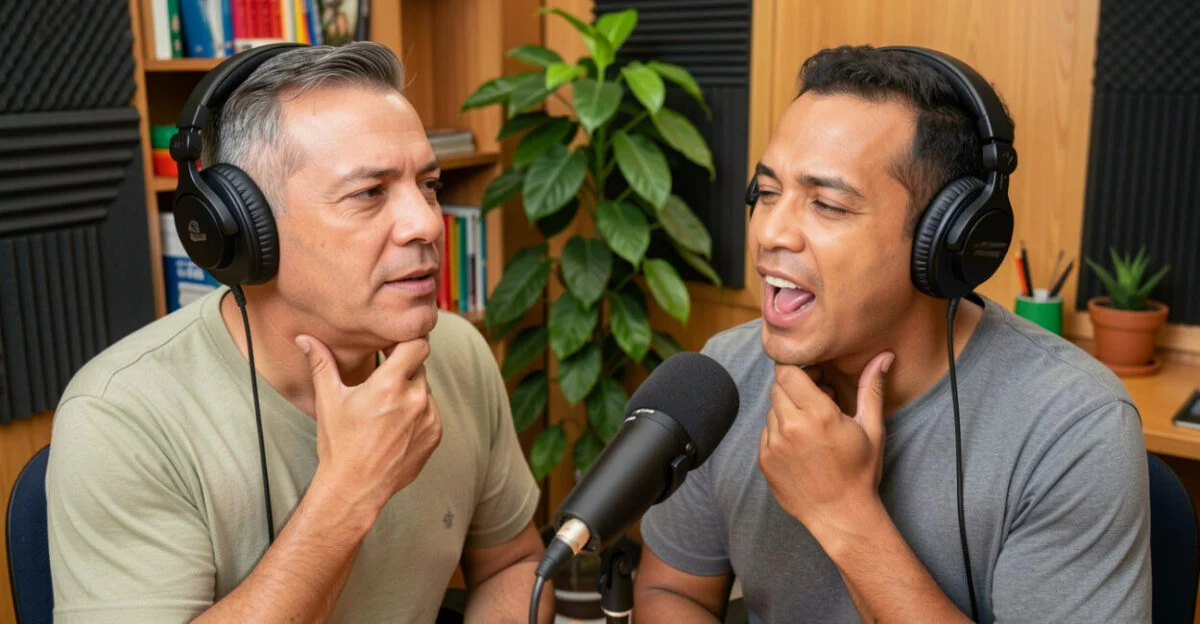
In therapist, the first sound is /θ/: the tongue lightly touches the area between the teeth, and air flows out without vibrating in the throat. In theater, the initial /ð/ uses a similar tongue position, but with vibration. Replacing /θ/ with /f/ or /ð/ with /d/ may work as a temporary approximation, but it changes the pronunciation.
The h in hairdresser and hair is aspirated: release air at the beginning instead of making a strong “r” sound. In writer and waiter, the w begins with rounded lips; it’s not the same as the “v” in “vest.”
Read also: Pulmonologist: A Complete Guide to the Profession and Career
Endings such as -er also deserve attention. In American English, the r is usually pronounced in teacher; in many British accents, the final r isn’t pronounced before a pause. This difference is normal: choose an accent as your reference and stick with it within the same sentence.
To produce a new consonant, notice where your tongue and lips are positioned before trying to imitate the whole word.
Read also: Geneticist: Profession, Education, and Job Market

How to talk about your profession in a conversation
For introductions, the simplest structure is I’m a/an + profession. Use a before a consonant sound and an before a vowel sound: that’s why you say a teacher, but an engineer.
- I’m a nurse. — I’m a nurse.
- She’s an architect. — She’s an architect.
- He works as a chef. — He works as a chef.
- What do you do? — What do you do for work? / What’s your profession?
For example, in a professional introduction, someone might say: “I’m an engineer. I work in aerospace.”
The sentence gives the person’s profession and then their field of work.
If the person only says “I work in aerospace,” it’s not clear whether they’re an engineer, technician, or manager.
Those interested in aviation can compare this distinction with the career options described in the Aeronautical Science degree program.
Differences between a profession, a role, and a job title
A job title is the specific name of a role, such as project manager or lead designer. Designer, on the other hand, can refer to a profession or a broad field without indicating seniority or responsibilities.
Context determines the translation. Engineer can mean an engineer, but software engineer specifies the field. In the United States, professor usually refers to a college or university instructor, while in Portuguese, “professor” also applies to people who teach at other levels. For someone who teaches at a school, teacher is usually the better choice.
The same care applies to creative careers. Photographer means photographer, while graphic designer specifies a graphic designer. A photography program and a graphic design program lead to different fields of study.
How to check and practice pronunciation
First, choose the variety of English you want to imitate, American or British, and look up the word in a dictionary with a transcription and audio. The Cambridge Dictionary entry for teacher provides audio pronunciations and phonetic symbols; Oxford Learner’s Dictionaries also lists pronunciations by variety. The International Phonetic Association explains the symbols in the IPA system, but it isn’t a translation dictionary.
- Listen to the whole word once without trying to say it along with the recording.
- Identify the stressed syllable using the ˈ mark and repeat that part carefully.
- Repeat the whole word, then use it in a short sentence.
- Record yourself and compare your rhythm and sounds with the reference audio.
A common mistake is stressing the syllable that feels most natural in Portuguese. In photographer, for example, the stress falls on tog, not the first syllable. Another challenge is shortening the ending too much: say teacher out loud and check whether the final sound matches the accent you chose.
The IPA describes sounds, but it doesn’t eliminate variation across regions, speakers, or speaking speeds. If two reliable recordings differ, check whether they represent different accents before deciding that one is wrong.
Quick review and practice list
Read these six words aloud and identify the stressed syllable before checking the table: accountant, cashier, electrician, photographer, therapist, and veterinarian. Then match each one to its meaning: accountant, cashier, electrician, photographer, therapist, and veterinarian.
Check your answers in the IPA: accountant, /əˈkaʊntənt/; cashier, /kæˈʃɪr/; electrician, /ɪˌlekˈtrɪʃən/; photographer, /fəˈtɑːɡrəfər/; therapist, /ˈθerəpɪst/; veterinarian, /ˌvetərɪˈneriən/. If you get the stress wrong, repeat the word in a sentence, not just by itself.
Frequently asked questions
What’s a synonym for “profession”?
“Occupation,” “trade,” and “career” can be alternatives, depending on the sentence. “Job” usually refers to employment or a position, while “role” refers to the specific function someone performs.
How do you pronounce “profession”?
In American English, it’s pronounced /prəˈfeʃən/, with the stress on fess. The ss sound is /ʃ/, like the “sh” in “ship,” not the “s” in “sip.”
Can I learn pronunciation using an approximate spelling in Portuguese?
It can serve as an initial reminder, but it doesn’t represent sounds like /θ/ and /ð/ accurately. Use it alongside audio and the IPA to avoid reinforcing substitutions that change the pronunciation.
Artigos Relacionados
 How to Talk to Your Boss About Salary Without Making It Awkward
 What Today’s Professions Actually Involve
 Real Estate Agent Without a College Degree: Commissions That Can Change Your Life
 Plumber Without a Degree: The Services That Pay Best
 How to Earn More as a Self-Employed Electrician Without a College Degree
 Professional Driver Without a College Degree: Real Earnings and Routines
