
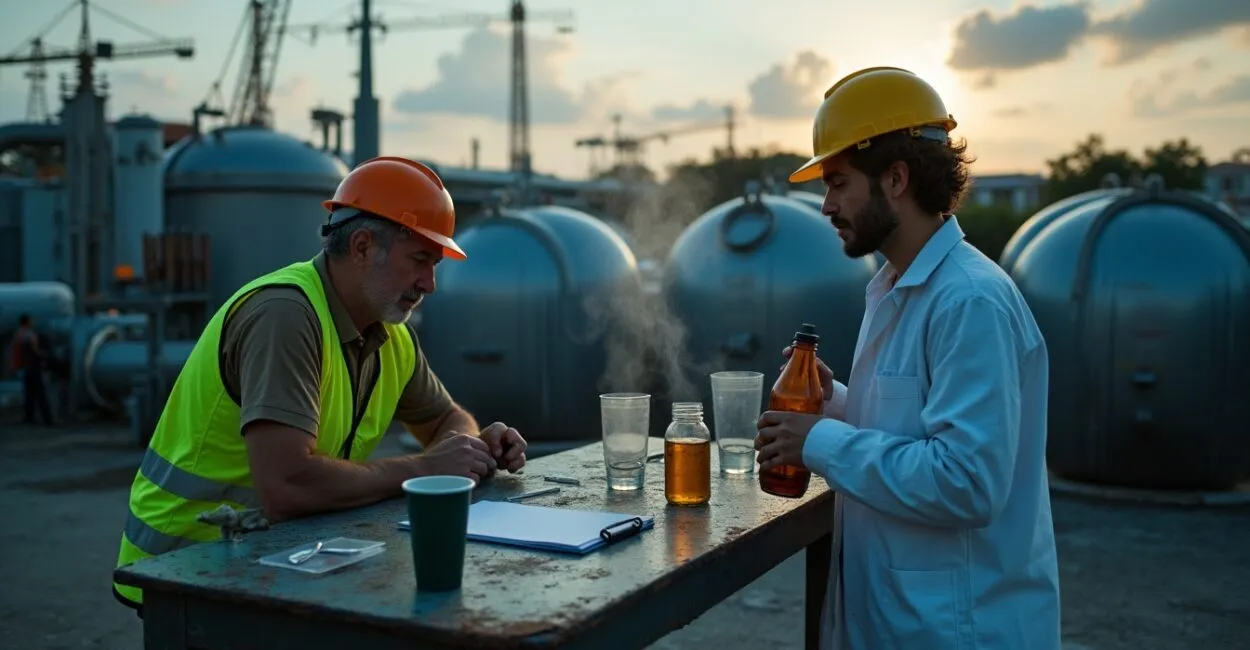
Have you ever wondered what happens to all that industrial waste—and whether large companies can really turn it into an advantage instead of just talking a good game? It’s a fair question. If you’re here, you want to know whether environmental promises translate into real-world action.
I’ll show you how Petrobras is advancing waste treatment today, which technologies are involved, its partnerships with startups like Nubio, and the actual implementation timeline. Keep reading to learn about the risks, environmental benefits, and what could change in your community and across the country.

How Petrobras Made Waste Treatment a Strategic Priority
Petrobras has announced an ambitious program, and this is about execution, not marketing. The company is adopting technologies for chemical recycling, biodigestion, and energy recovery. Here’s the key: the state-owned company is seeking partners like Nubio to scale solutions. Think about it: that reduces costs and creates marketable products.
What the Technology Changes in Practice
Turning waste into raw materials requires processes that control emissions and contaminants while extracting useful molecules. This isn’t just “turning trash into stuff”; it’s applied chemistry at an industrial scale.
- Chemical recycling for mixed plastics
- Biodigestion of organic waste to produce biogas
- Gasification of heavy fractions for energy recovery
These technologies involve trade-offs. Upfront costs are high, but they reduce the amount of waste sent for final disposal and dependence on landfills. Petrobras tests each process at pilot facilities before expanding it.

Strategic Partnerships, Including Nubio and Other Startups

Petrobras isn’t doing everything on its own, and that’s intentional. Partners like Nubio bring rapid innovation, business models, and tested prototypes.
- Nubio provides biotechnological processes for organic waste
- Chemical recycling startups deliver modular solutions
- Universities help with scaling up and monitoring
These collaborations speed up testing and reduce regulatory risk, allowing Petrobras to integrate solutions into existing facilities with technical oversight and environmental compliance.
Read also: Waste management planning for businesses
Expected Environmental Benefits and Key Metrics
What are the real benefits, you ask? Here are the numbers that matter: lower CO2-equivalent emissions, tons of waste diverted from landfills, polymer recovery, and energy generation.
| Metric | 5-year target | Impact |
|---|---|---|
| Landfill diversion | +40% | Less local contamination |
| Polymer recovery | 30,000 t/year | Raw material savings |
| Energy generation | 50 GWh/year | Replaces fossil fuels |
Results depend on ongoing monitoring and transparency. Petrobras says it will publish periodic audits.
Read also: How Petrobras Is Investing in Waste Treatment Today

What to Avoid When Evaluating Programs Like This
- Believing press releases without supporting data
- Ignoring legacy environmental liabilities
- Overlooking logistics and scaling costs
These common mistakes lead to frustration and delays. Environmental projects require public metrics, independent testing, and contract reviews to prevent greenwashing and accounting surprises.
Financial and Regulatory Risks No One Talks About
It’s not just about technology; regulation, permits, and commodity prices matter, too. Market swings can make these processes economically challenging.
- Regulatory risks related to environmental permits
- Volatility in recycled materials markets
- Expensive, long-term infrastructure investments
Even with partners like Nubio, success requires financial hedging, clear contracts, and, above all, a realistic payback period. Be wary of companies promising quick returns.
Implementation Timeline and Next Steps to Watch
Petrobras has laid out several phases: immediate pilots, expansion to local facilities in 2–3 years, and nationwide scaling in 5–7 years. The timeline depends on results from the first 12 months. To follow progress, check official reports and transparency portals, and see how partnerships with universities and startups develop in the field.
Here are sources you can check right now—trust, but verify: the Brazilian federal government’s Gov Portal, Academic Research, and news coverage from Estadão, a Brazilian newspaper.
Conclusion — What This Means for You and Why It Matters
If Petrobras follows through on its plan, we could see fewer landfills, more renewable energy, and supply chains using recycled materials. You may notice the effects in the local economy and environmental quality. Here’s my challenge to you: follow the numbers and demand transparency. Turning waste into a resource can deliver real benefits, but only with solid data and ongoing oversight.
Frequently Asked Questions
How Is Petrobras Treating Waste Now?
Petrobras is integrating chemical recycling, biodigestion, and gasification at industrial pilot facilities, along with partnerships with startups like Nubio on biotechnological solutions. The goal is to reduce landfill disposal, recover materials, and generate energy. Initial results will be assessed after 12 months, with public reports on emissions, efficiency, and scalability.
What Technologies Is Nubio Providing Through This Partnership?
Nubio brings biotechnological processes for treating organic waste and converting it into bioenergy and useful inputs. These include advanced fermentation and digester optimization. The benefits are modularity and less need for heavy infrastructure, allowing for rapid testing at pilot facilities and integration with Petrobras’ waste management systems.
When Is the Program Expected to Reach Nationwide Scale?
The announced timeline has clear phases: immediate pilots, local expansion in 2 to 3 years, and nationwide scaling in 5 to 7 years, depending on test results, investment availability, and regulatory progress. Changes could speed up or delay the plan, so public oversight is essential.
What Are the Project’s Biggest Environmental Risks?
Risks include poorly controlled emissions from thermal processes, inadequate byproduct management, and contamination from hazardous waste. Mitigation depends on ongoing monitoring, independent audits, and control technologies, as well as contingency plans and safe disposal of unrecoverable fractions.
How Can I Track the Results and Hold the Program Accountable?
You can follow Petrobras sustainability reports, consult government transparency portals, and check academic publications about the pilot projects. Attend public hearings and review environmental monitoring data shared by regulators and partner universities to help ensure that promises become action.
Artigos Relacionados
 Renewable Energy: Why Solar Projects Fail Today
 Creative Upcycling: Practical Ideas for Making Money from Waste
 How the Digital Economy Strengthens School Projects Today
 Social-Emotional Skills: Effective Practices in Whole-Child Education Today
 Whole-Child Education: Strategies for Thriving Today
 Active Learning Methodologies in Today’s Quality Higher Education
