

A music lesson after school can teach rhythm, but it also requires scheduling, transportation, and practice at home. Extracurricular activities expand learning beyond required subjects and work best when they fit the participant’s interests, stage of education, and routine. Options include sports, arts, academic, social, and digital activities, both in and out of school. The goal isn’t to fill every open time slot: one well-chosen activity can be more rewarding than a packed schedule.
At a glance
- Standard spelling: extracurricular, written as one word.
- Where to find them: schools, community programs, clubs, courses, and online platforms.
- How to choose: consider interests, goals, cost, schedule, transportation, safety, and accessibility.
- Who they’re for: children, teens, and college students, with adjustments for age and individual needs.
- First step: compare the real-world time commitment with the activity’s full workload, including transportation and at-home tasks.
What are extracurricular activities, and what types are there?
Extracurricular activities are learning or participation experiences that take place outside an educational institution’s required curriculum. They can reinforce school subjects, develop interests, or introduce students to cultural, athletic, and community activities. Simply put, they’re organized activities outside regular classes, although some take place at school.

Brazil’s National Common Core Curriculum (Base Nacional Comum Curricular, or BNCC), established by the Ministry of Education, sets out essential learning goals for basic education. Extracurricular programs can build on these experiences, but they don’t replace the curriculum. Brazil’s National Education Guidelines and Framework Law (Lei de Diretrizes e Bases da Educação Nacional, or LDB) sets the general guidelines for the country’s education system.
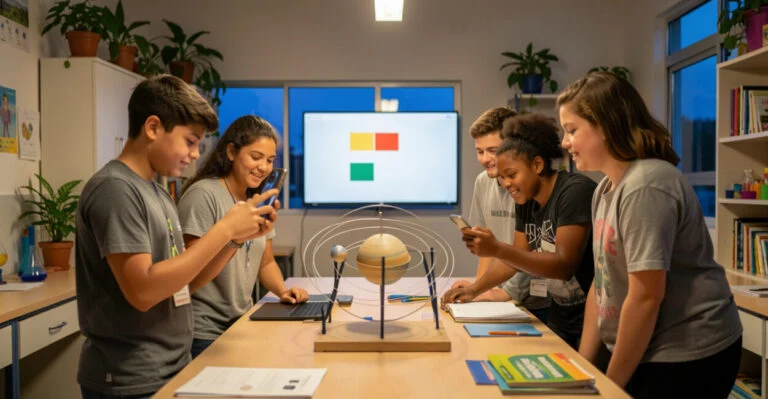
- Academic: science clubs, robotics, reading, academic competitions, and language learning.
- Athletic: swimming, dance, soccer, martial arts, and track and field.
- Cultural and artistic: theater, music, drawing, photography, and video production.
- Social: student government, volunteering, environmental projects, and community initiatives.
- Digital: programming, video editing, design, and online courses with appropriate supervision.
People may search for “extra curricular activities” as two words, but the standard spelling is extracurricular, as one word. To learn how these experiences can complement an academic profile, see the benefits of extracurricular activities.
Which activities are a good fit for each stage of education?
The best options depend on age, independence, and what sparks a student’s curiosity. For young children, the focus is often on exploration and play; high school students may be more interested in going deeper, taking on projects, and preparing for future choices.
Early childhood and the early grades
For young children, extracurricular activities should leave enough time for play, sleep, and family life. Music, storytelling, movement, drawing, and educational games are all options, as long as they’re welcoming and age-appropriate. See ideas for educational games that can inspire activities at home or in a group.
Elementary, middle, and high school
Extracurricular activities for children can include recreational sports, theater, choir, book clubs, or hands-on science. High school students might try programming, research, debate, student government, volunteering, or language courses. For teens, it’s helpful to ask whether the activity interests them for its own sake or whether they chose it only because they feel pressured to build their résumé.
School-based extracurricular activities can make participation easier by reducing travel and, in some cases, costs. Courses offered by outside organizations may provide access to specialized equipment or instructors. Before signing up, check the course length, attendance policy, required materials, and whether a trial class is available.
College and career preparation
In college, research projects, teaching assistant roles, student-run businesses, student organizations, community engagement, internships, and competition teams can connect to a student’s major or offer a chance to explore another field. Students researching extracurricular activities for college abroad should check each institution’s criteria: applications may value involvement and reflection, but no activity guarantees admission.
What are the benefits, and how do extracurricular activities relate to academic performance?

Extracurricular activities can support social skills, independence, well-being, and motivation to learn, but they don’t guarantee better grades. Their impact depends on the type of activity, the student’s interest, the quality of instruction, and how well the activity fits with schoolwork and rest. On a sports team, for example, a child practices communication and cooperation by following rules and planning strategies with teammates. Theater and music can call for listening, memory, and persistence; a science club gives students room to ask questions, test ideas, and handle unexpected results. These skills can support learning at school, but they don’t replace classes, academic support, or suitable study conditions.
Spending time with students from other classes also creates opportunities to practice empathy and conflict resolution. Reading about social skills can help explain why these abilities matter in academic settings. There are limits: a competitive activity can add pressure for someone who’s already overwhelmed, and not every student feels comfortable in group settings. The WHO recommends physical activity for health, with guidelines that vary by age group; that doesn’t mean every extracurricular sport is right for everyone. Consider health conditions, necessary accommodations, and professional guidance when there are restrictions.
How can you choose and find the right activity?
To choose an extracurricular activity, start with the student’s interests, then consider the goal, time commitment, cost, transportation, safety, and accessibility. An option is only practical if it fits the student’s actual schedule, not just the course calendar.
- Set a goal: try something new, get physical activity, explore a subject, or meet people with similar interests.
- Talk with the person who’ll participate: especially with children and teens, so the choice doesn’t become an obligation imposed by adults.
- Explore the options: ask at a school, library, community center, sports association, or university; also look for reputable online courses.
- Check the details: total cost, materials, transportation, schedule, supervision, cancellation policy, and accessibility resources.
- Try it before committing: if there’s a trial class or adjustment period, use it to assess the student’s interest and the environment.
A common mistake is to consider only the length of the class. Door-to-door time includes travel, waiting, and getting ready; a one-hour activity can take up a much larger part of the afternoon. It’s also worth checking whether the organization explains who supervises participants and how emergencies are handled.
An organized morning routine can help students get their materials ready and avoid rushing on activity days. These morning routine suggestions can serve as a guide, as long as the plan takes each person’s bedtime into account.
How can you fit activities into a schedule without overloading it?
First set aside time for classes, sleep, meals, studying, and rest; only then add extracurricular activities. The right workload varies by age, school schedule, health needs, and the student’s response, so there’s no universal number of courses that works for everyone.
Type of activity Possible goal What to consider Sports or dance Movement, coordination, and socializing Intensity, transportation, and rest between practices Music or theater Expression, listening, and artistic practice Rehearsals and preparation outside class Academic club Explore a topic in greater depth and investigate Don’t let it become another school obligation Volunteering or student government Civic engagement and group organization Agree on responsibilities and time limits Online course Learn at your own pace or remotely Screen time, independence, and supervision
Watch for signs of overload: frequent irritability before classes, not getting enough sleep, a persistent drop in academic performance, recurring pain, or losing interest in activities that used to be enjoyable. If these signs appear, talk with the student and reduce or pause commitments. Rest isn’t empty time to fill; it’s part of a sustainable routine.
For example, a high school student has afternoon classes and wants to join a theater program. Before confirming enrollment, her family checks when school lets out, how long the commute takes, and whether she’ll have time for dinner, studying, and sleep. If rehearsals make those commitments unworkable, they can look for a class at another time or try a shorter activity.
Can you do extracurricular activities online?
Yes. Language, programming, drawing, and music courses, as well as book clubs, can meet live, use recorded lessons, or take a hybrid approach. Online learning can make activities more accessible when travel is difficult, but it requires an internet connection, equipment, and a schedule that allows for screen time.
Before signing up, check who teaches the course, how participants communicate, and whether there’s a clear privacy policy. For children, an adult should understand the platform and supervise its use rather than assume that any virtual class is appropriate just because it has educational content. Activities involving movement or hands-on practice may also require space, materials, and supervision at home.
How can you describe these experiences on a résumé or application?
Describe what you did, how long you participated, and what you contributed. Don’t present a brief experience as a skill you haven’t actually developed. On a résumé, for example, “Participated in robotics club, building and presenting a prototype” says more than a list of course names.
For academic applications, including those abroad, choose experiences that connect to your interests and explain what you learned or accomplished. The number of activities alone doesn’t demonstrate readiness; consistency, responsibility, and meaningful contributions provide context, but criteria vary by institution and admissions process.
Frequently asked questions
Is “extra curricular” written as two words?
The standard spelling is extracurricular, as one word. The plural is extracurricular activities.
Does an extracurricular activity have to provide a certificate?
No. A certificate can document participation, but it isn’t required for an experience to be valuable. Keep track of the dates, responsibilities, and projects involved in case you need to describe them later.
How can you tell if an extracurricular course is reputable?
Check the organization’s and instructor’s credentials, the course content, payment and cancellation terms, and how participants are supervised. If children are involved, also ask how staff protect participants and communicate incidents to families.
Is it better to choose an activity related to a future career?
A connection can be helpful, but it doesn’t have to determine the choice. Trying different fields can help students discover their interests, and an activity they choose for fun can also build skills they’ll use in other settings.
What should you do if a child wants to quit?
Talk with them to understand whether they’re tired, having trouble with the group, losing interest, or dealing with a specific problem in the environment. If there’s no safety concern, agreeing on a short trial period can help; insisting without listening can turn the activity into a source of conflict.
Artigos Relacionados
 Content Marketing: How to Choose the Best Agency for Your Strategy
 The Sleep Cycle: How to Understand and Maximize Its Benefits for School and Work
 Bilingual Education: Benefits, Challenges, and Impact on Learning
 Industry-School Partnerships: Benefits for Students and Businesses
 Social Media in Education: Key Impacts, Benefits, and Challenges
 Credit Cards: Maximize Your Rewards and Benefits
