
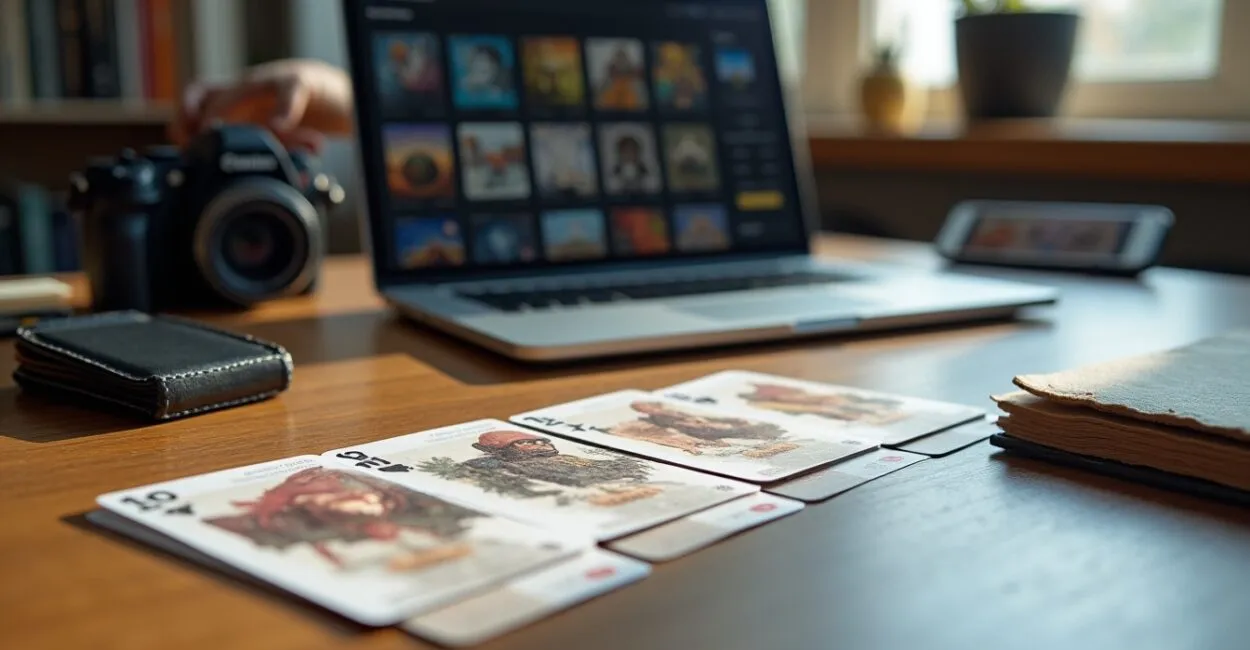
Creative technology has taken off in recent years, transforming art, design, and business through artificial intelligence, image generation, and automation. This article explains why it matters now and how to navigate the risks and opportunities.
We’ll cover AI concerns (especially around Midjourney), the impact of NFTs on OpenSea, and how platforms like Canva can change revenue for creators and agencies. We’ll share practical tips, legal risks, and viable business models.

You’ll discover practical strategies, quick steps, and evidence to help protect your creations and make the most of creative technology without sacrificing revenue or digital credibility.
1. The current creative technology landscape
Creative technology brings together AI, design tools, and digital marketplaces, changing how content is produced, distributed, and monetized. It matters to artists, brands, and developers.
Context and impact
Artificial intelligence, automation, and image generation speed up workflows. This saves time, increases scale, and creates new business models.
Technologies like Midjourney and style algorithms boost productivity, reshaping copyright, the creative economy, and visual culture.
Emerging challenges
Risks include ownership disputes, lost revenue, and content saturation. Oversight and ethics are key concerns in the creative community.
Transparency, data consent, and clear usage policies are crucial to avoiding litigation and preserving the trust of audiences and clients.
2. AI concerns: The Midjourney case
Midjourney has transformed visual creation with prompts and models, sparking debates about authorship, training datasets, and compensation for the artists whose work is used.
Training and ethics
Many models were trained on publicly available images without permission. This raises questions about commercial use and credit for original creators.
Dataset transparency, clear policies, and fair compensation are urgently needed to align creative technology with ethical practices.
Best practices for creators
Document your process, save versions, and use metadata. This helps protect your rights and establish authorship in disputes over AI-generated works.
Negotiate contracts that specify AI use, compensation for derivative works, and commercial limits to protect your revenue and reputation.
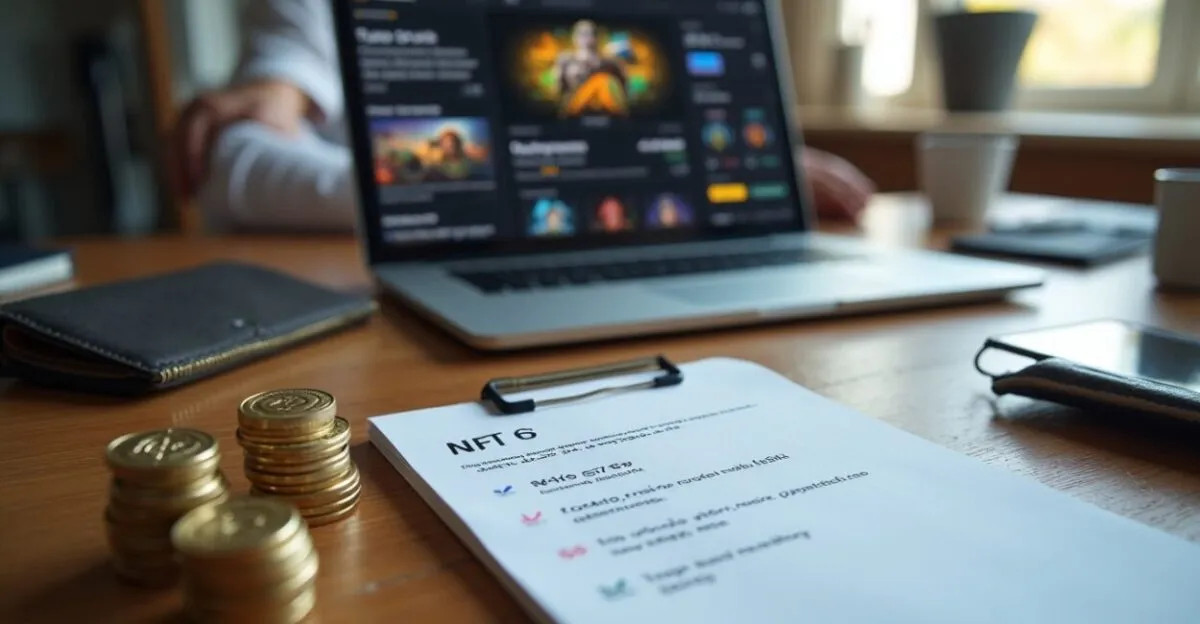
3. NFTs on OpenSea and their impact on revenue

NFTs on OpenSea offer new ways to monetize work, earn automatic royalties, and reach a global audience. But they also come with volatility, fees, and intellectual property risks.
Benefits for creators
Programmable royalties and a global marketplace can increase recurring income. NFTs offer traceability and a direct connection with collectors and fans.
Marketplace platforms make it easy to launch quickly, but you’ll need a launch strategy and a strong community to maximize value.
Risks and pitfalls
Fraud, plagiarism, and disputes over originality are common. Check smart contracts and provenance before listing or buying.
Gas fees, platform fees, and crypto price fluctuations can reduce revenue. Plan for financial protection and diversification.
4. Canva, accessible tools, and their impact on revenue
Tools like Canva make design more accessible, but they can reduce demand for professional services and change pricing models for agencies and freelancers.
Access and commoditization
Templates, ready-made assets, and automation speed up production. This benefits small businesses but puts pressure on agency margins.
Professionals need to emphasize strategy, brand identity, and value-added services to justify their prices and maintain revenue.
Monetization and protection
Understand licensing terms and rules for commercial use. Many platforms allow commercial use, but restrictions can affect resale and branding.
Register original creations, pair tools with custom deliverables, and negotiate contract terms that protect your revenue.
| Tool | Opportunity | Main risk |
|---|---|---|
| Midjourney | Fast creation of original images | Authorship challenged because of training datasets |
| OpenSea (NFTs) | Royalties and a global marketplace | Fraud and crypto volatility |
| Canva | Accessible design at scale | Commoditization and declining demand |
- Review terms of use and licenses before using AI-generated creations.
- Register your work and document your creative process with metadata.
- Set clear terms for rights and compensation in your contracts.
- Monitor marketplaces and act quickly when you find infringement.
5. Business models and new revenue streams
Creative technology enables new sources of revenue and engagement through digital products, subscriptions, licensing, and immersive experiences.
Licensing and royalties
Set up tiered licenses: personal, commercial, and exclusive. This maximizes earnings and protects the value of your brand and work.
Use smart contracts to automate payments and ensure transparency in transactions and royalty distribution.
Premium services and differentiation
Offer strategic consulting, curation, and custom versions for clients who value exclusivity. This helps you compete with free tools.
Invest in your brand, storytelling, and human support to justify higher prices and build customer loyalty.
- Focus on personalized services.
- Automate repetitive processes.
- Monitor trends and adapt your offerings.
6. Legal protection, copyright, and ethics
Copyright, proof of authorship, and ethical data use are essential to operating safely in creative technology. Laws and contracts are valuable tools.
Proof and registration
Register your work, save versions, and record timestamps. Metadata and contracts can help establish authorship and legitimate use in legal disputes.
Consider timestamping services and reliable registration platforms to strengthen your legal position.
Ethical considerations
Get consent before using artists’ work as a reference, avoid exploitative style imitation, and be transparent about AI use in your creations.
Transparency builds audience trust and reduces boycotts and reputational damage that can hurt revenue and partnerships.
7. Strategies to navigate and thrive
Combine human creativity with digital tools to scale your work without losing your unique voice. Strategy, protection, and adaptability are essential.
Practical action plan
Map your digital assets, define licenses, and create differentiated offerings that combine AI with human work to deliver real value.
Invest in ongoing education, documentation, and contracts that protect your revenue and respect intellectual property.
Recovery and growth
When disputes arise, respond with documentation and communicate transparently. Use crises as an opportunity to reassess your business models and strengthen your brand.
Adopt a hybrid approach: scalable products and premium services can help balance volume and margins.
Frequently Asked Questions
What is creative technology, and why should I care?
Creative technology combines digital tools, artificial intelligence, and platforms that transform how content is created and distributed. It matters because it changes revenue models, copyright, and relationships with audiences, requiring new legal, contractual, and strategic practices to protect creators and businesses.
How does Midjourney affect authors’ and artists’ rights?
Midjourney generates images using models trained on large datasets, raising questions about the unauthorized use of original works. Artists may see derivative works created without credit or compensation. That’s why it’s essential to document your process, understand the terms, and negotiate clauses that protect compensation and authorship.
Should I sell NFTs on OpenSea to increase my income?
Selling NFTs can generate direct revenue, automatic royalties, and access to new markets, but it involves crypto volatility, fees, and fraud risks. Evaluate your marketing strategy, costs, and intellectual property policies before listing to support sustainable returns and legal protection.
Do Canva and similar tools take clients away from professional designers?
Accessible platforms reduce demand for simple design work, but professionals who offer strategy, brand identity, and customization continue to provide value. Pair tools with human service and offer premium deliverables to stand out from automated competitors and protect your revenue.
What practical steps can reduce the risks of using AI to create?
Use clear contracts, save versions and metadata, check tool licenses, and negotiate compensation for derivative works. Monitor marketplaces, respond quickly to infringement, and be transparent to protect your reputation and revenue if disputes arise.
Useful links: Midjourney (https://www.midjourney.com) and OpenSea (https://opensea.io) for reference; an article about AI and copyright at Wired, and general legal resources from the Library of Congress.
Artigos Relacionados
 Educational Technology and Its Impact on Higher Education
 Rural Technology: Drones and Sensors That Boost Profits
 Construction Technology for Engineering and Building Projects
 Elementary School Activities: Creative, Practical Ideas
 Educational Technology: Tools That Transform Teaching
 Interactive Math Activities With Technology in the Classroom
