
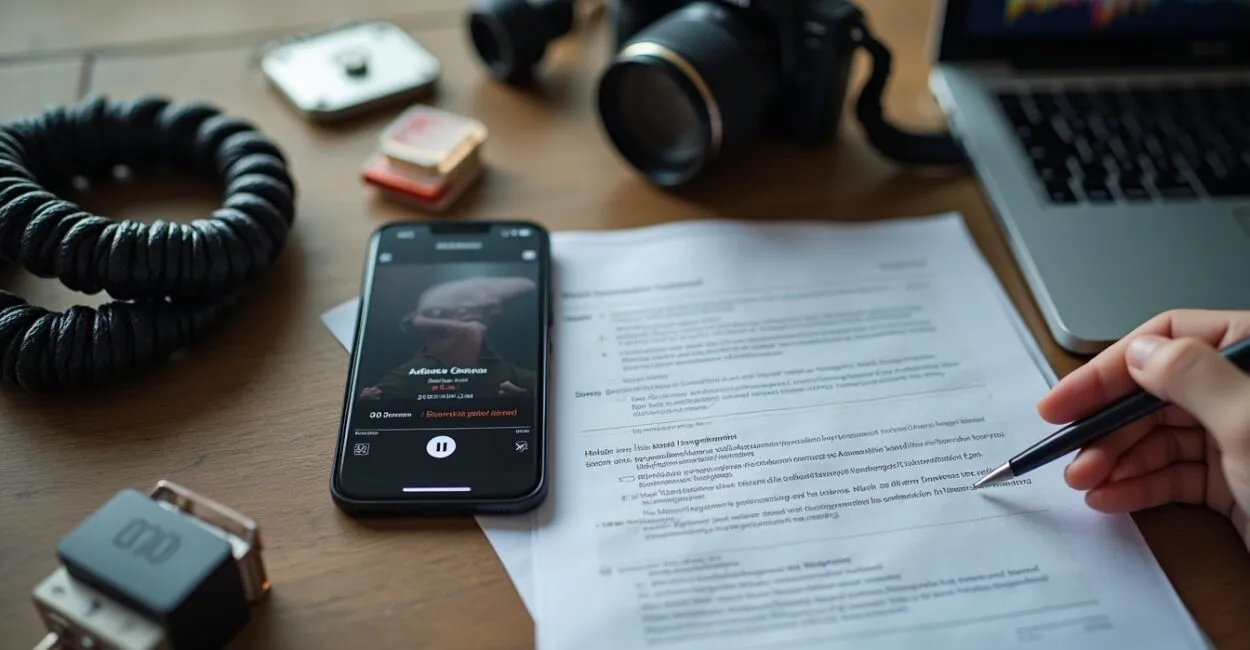
Copyright is at the center of recent disputes that expose weaknesses and shifts in the digital creative marketplace. Cases involving Spotify and Shutterstock highlight conflicts over authorship, licensing, and recognition.
This article examines why these controversies matter to musicians, photographers, and platforms, and how licensing changes can affect income and reputations.

You’ll learn the key points in these cases, best practices for protecting your work, and what to expect from upcoming legal and market changes.
A powerful introduction: Ever imagined a viral song being taken down over an authorship dispute? Copyright determines who wins, who loses, and how the rules of the creative marketplace change.
Background on recent cases
Overview of the controversies
Spotify and Shutterstock have been the focus of disputes over authorship and licensing. These cases have raised questions about platform transparency and accountability.
The incidents reveal gaps in how creators are recognized and underscore the need for companies to review internal processes and legal compliance.
Why this affects creators
Creative professionals depend on recurring income; attribution and licensing errors can affect their payments and reputations. Trust in the ecosystem can erode quickly.
The result is greater scrutiny and a stronger need for thorough documentation to prove authorship and the validity of license agreements.
The Spotify case: disputes over music authorship
How the conflicts began
Artists and rights holders said their work had been removed or they had not been properly credited. Disputes arose over samples, co-writing, and rights claims.
Automated platform systems and inconsistent metadata made the problems worse, exposing weaknesses in digital music rights management.
Immediate consequences
Takedowns, blocks, and negotiations followed. Many creators reported lost income and confusion over who owns the rights to collaborative works.
This situation prompted temporary agreements and led to contract reviews with publishers and distributors.
- Review contracts and credits before publishing your work.
- Document contributions and payments clearly.
- Use formal registrations with reputable organizations and platforms.

The Shutterstock case: images, AI, and authorship

Claims involving images and models
Disputes involved incorrect attribution and the unauthorized use of images by third parties, as well as unauthorized models in commercial collections.
The rise of AI has raised questions about human-created versus machine-generated creativity and who owns the resulting rights.
Platform and creator responses
Shutterstock reviewed its screening processes and required more proof of ownership for disputed uploads and AI-generated content.
Creators stepped up efforts to protect their portfolios and called for clearer timelines for challenging claims and resolving disputes.
Licensing: changes, trends, and a comparison table
Legal and market trends
Platforms are updating licenses to include clauses on AI, sublicensing, and liability for inaccurate metadata. Contract terms are becoming stricter.
Terms are expected to become more standardized, with greater transparency around royalties, attribution, and commercial use of hosted content.
How to interpret common clauses
Check the definitions of “author” and “licensee,” territorial scope, exclusivity, and duration. Small differences can change payment terms and control over how work is used.
Look for clauses on sublicensing and protection against unauthorized use; they can help prevent surprises and future litigation.
| Aspect | Before | Recent change |
|---|---|---|
| Credits | Optional metadata | Clear attribution required |
| AI | Legal gray area | Specific clauses on use |
| Compensation | Standardized payments | Models based on actual use |
- Gather all evidence of creation and file versions.
- Register works with the appropriate authorities when possible.
- Review contracts and update clauses on AI and sublicensing.
- Notify platforms with clear evidence and defined timelines.
- Consider mediation before litigation to protect your reputation.
Practical impact on creators and businesses
Financial and reputational risks
Lost income due to erroneous claims and public exposure can affect careers and important business relationships in the creative industry.
Companies may face fines, lawsuits, and declining trust if they fail to update their policies and meet transparency standards.
Opportunities to stand out
Creators who adopt clear licensing practices stand out and earn trust; this can lead to more partnerships and fair compensation.
Platforms that become known for transparency attract talent and customers, strengthening the content ecosystem.
- Keep your portfolio centralized and version-controlled.
- Use clear contracts with collaborators and clients.
- Educate your audience about the proper use of your work.
How to protect yourself: immediate steps
Best practices for creators
Document your creative process, keep original files with metadata, and register your work whenever possible, including when publishing on digital platforms.
Consult attorneys who specialize in intellectual property about license terms and protection strategies before publishing.
Useful tools and services
Use registration services, timestamping, and invisible watermarks. Reputable platforms offer support for copyright disputes.
Monitor mentions and uses with automated alerts and content protection services to detect infringements quickly.
The future of copyright and strategic recommendations
How the landscape is likely to evolve
Regulations will keep pace with technology: more rules are expected on AI, automated attribution, and transparency among digital distributors.
Platforms will adopt shared metadata standards and verification processes to reduce disputes and speed up accurate payments.
Recommendations for next steps
Adopt adaptable contracts, prepare thorough documentation, and maintain a dialogue with platforms to help shape their policies. Taking a proactive approach reduces risk and creates opportunities.
Invest in copyright education for your team and create rapid-response plans for potential disputes.
Frequently Asked Questions
What has changed in attribution processes on platforms like Spotify and Shutterstock?
Platforms are requiring more complete metadata, preliminary investigations, and proof of ownership. This includes clauses on AI use, documentation requirements, and explicit deadlines for challenging claims. These changes aim to reduce disputes, speed up resolutions, and protect creators’ and rights holders’ income.
How can I prove that I created a work being disputed?
Gather original files, timestamped versions, contracts, and communications with collaborators. Formal registrations with the appropriate organizations and timestamping or blockchain services can strengthen your evidence. Expert testimony and digital forensic reports can also help establish authorship credibly.
Which licensing clauses should I prioritize in contracts today?
Prioritize clear definitions of authorship, territorial scope, duration, exclusivity, sublicensing, and AI use. Include clauses on usage-based compensation, auditing reports, and dispute resolution mechanisms to protect your income and rights when working with platforms.
Should I register my work before publishing it on digital platforms?
Yes. Registering your work in advance strengthens legal protection and makes it easier to assert your rights in a dispute. Even when registration is not required, it provides formal evidence of the date and ownership, reduces the time spent in litigation, and puts you in a stronger position when negotiating with platforms and clients.
Where can I get help if a platform does not resolve a copyright dispute?
Contact attorneys specializing in intellectual property, professional associations, regulatory agencies, and mediation services. For international cases, consult organizations such as WIPO and use your contract documents to pursue dispute resolution in other jurisdictions.
Useful links: the WIPO official report on copyright and music, and content policy information from the Spotify Newsroom. For image-related questions, see Shutterstock guidelines.
Artigos Relacionados
 Elementary School Activities: Creative, Practical Ideas
 Circular Economy: A Complete, Practical Guide
 Why Test Reverse Logistics in the Circular Economy
 Math Teachers: Roles, Skills, and Challenges in Modern Education
 Healthcare Careers: Innovations, Challenges, and Opportunities
 Creative Upcycling: Practical Ideas for Making Money from Waste
