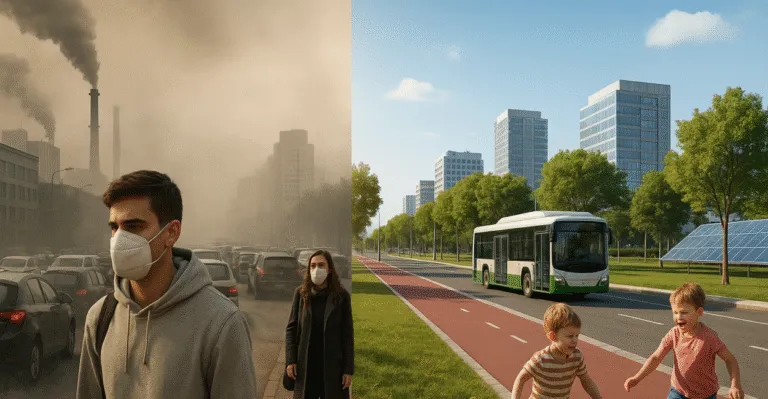

Imagine a world where your morning coffee doesn’t just wake you up, but also helps replant a forest, and your commute doesn’t add to a smoggy skyline, but actively cleans the air. Sounds like science fiction? It’s closer than you think, and it all hinges on a concept that’s rapidly moving from niche environmentalism to mainstream necessity: sustainability. This isn’t just about recycling or turning off lights; it’s a fundamental shift in how we live, consume, and interact with our planet, promising a future that’s not just viable, but vibrant.
For too long, we’ve operated on a linear model: take, make, dispose. But the Earth’s resources are finite, and its capacity to absorb our waste is reaching its limit. The urgency is palpable. Yet, amidst the daunting challenges, there’s an incredible wave of innovation and conscious living emerging. This shift isn’t about sacrifice; it’s about smarter choices, deeper connection, and a surprisingly exciting path forward.
The Unseen Engine: What Drives True Sustainability?
At its core, sustainability is about meeting the needs of the present without compromising the ability of future generations to meet their own. Think of it as a three-legged stool: environmental protection, social equity, and economic viability. If any leg is weak, the whole structure wobbles. It’s a holistic approach that recognizes the interconnectedness of our world. For instance, a company might boast about using recycled materials (environmental), but if its labor practices are exploitative (social), it’s not truly sustainable. The real magic happens when all three pillars stand strong, creating a resilient and flourishing system.
Beyond Greenwashing: Spotting Genuine Eco-Efforts
We’ve all seen those “eco-friendly” labels that make you squint. The challenge today is cutting through the marketing noise. True sustainability goes beyond superficial changes. It involves a deep commitment to reducing environmental impact, fostering fair labor, and building resilient communities. For example, a truly sustainable fashion brand won’t just use organic cotton; it will ensure fair wages for its workers, minimize water usage, and design for longevity, allowing garments to be repaired or recycled. The most impactful sustainability initiatives are those that are integrated into the very fabric of an organization or lifestyle, not just an add-on.

The Ripple Effect: How Your Choices Echo Globally

It’s easy to feel like one person’s actions are just a drop in the ocean. But consider the collective power. When millions of us choose reusable bags, demand ethically sourced products, or reduce our meat consumption, the market shifts. This isn’t just about individual virtue; it’s about driving systemic change. For instance, the surge in plant-based diets has directly influenced agricultural practices and food production, leading to innovations in sustainable protein sources. We saw this firsthand when a small community’s commitment to local sourcing revitalized its economy and reduced its carbon footprint significantly.
Navigating the Future: Innovations Shaping a Greener Tomorrow
The landscape of sustainability is constantly evolving, fueled by brilliant minds and a growing global consciousness. From carbon capture technologies that literally pull greenhouse gases from the atmosphere to advancements in renewable energy storage, the solutions are becoming more sophisticated and accessible. Think about the development of biodegradable plastics made from algae or the rise of vertical farms that drastically cut down on transportation emissions and water usage. These aren’t distant dreams; they are tangible innovations that are already reshaping industries and our daily lives.
The Cost of Inaction: More Than Just Dollars and Cents
While the upfront investment in sustainable practices can sometimes seem daunting, the long-term costs of *not* acting are far more severe. We’re talking about increased natural disasters, resource scarcity, and widespread social disruption. According to the Intergovernmental Panel on Climate Change (IPCC), the economic impact of unchecked climate change could dwarf any investment made today in mitigation and adaptation. It’s not just about the financial burden; it’s about the loss of biodiversity, the displacement of communities, and the erosion of our planet’s ability to support life as we know it. This is the ultimate price tag.
Common Pitfalls: What to Avoid on Your Sustainability Journey
Embarking on a sustainability path is commendable, but it’s also easy to stumble. One common mistake is focusing too narrowly on one aspect, like recycling, while ignoring other critical areas such as energy consumption or waste reduction. Another pitfall is the “all or nothing” mentality, where people feel discouraged if they can’t be perfectly sustainable from day one. This can lead to burnout and inaction. Remember, progress, not perfection, is the goal. Also, be wary of “greenwashing” – companies making misleading claims about their environmental efforts. Always look for transparency and certifications.

The Human Element: Building a Sustainable Society Together
Ultimately, sustainability is a deeply human endeavor. It’s about building equitable societies where everyone has access to clean air, water, and opportunities. It involves empowering communities, fostering education, and ensuring that progress benefits all. Who works on these sustainable initiatives? It’s not just scientists and engineers; it’s farmers adopting regenerative practices, educators teaching the next generation, and policymakers creating supportive frameworks. The most successful sustainability efforts are those that uplift people and create a sense of shared responsibility and collective well-being. It’s a vision where both the planet and its inhabitants thrive.
What Exactly Does “circular Economy” Mean in Practice?
A circular economy is an economic model that aims to eliminate waste and keep resources in use for as long as possible. Instead of the traditional linear “take-make-dispose” model, a circular economy focuses on designing out waste and pollution, regenerating natural systems, and keeping products and materials in use. This involves strategies like product design for durability and repairability, extensive recycling and upcycling programs, and the reuse of materials. Think of it as mimicking nature’s cycles, where waste from one process becomes a resource for another, creating a closed-loop system that is both economically efficient and environmentally sound.
How Can Individuals Make a Significant Impact on Sustainability?
Individual actions, when aggregated, create powerful collective change. Start by critically examining your consumption habits: reduce, reuse, and recycle. Opt for sustainable products, support businesses with strong environmental ethics, and minimize waste in your daily life. Educate yourself and others about environmental issues, and advocate for change in your community and workplace. Small steps like reducing meat consumption, using public transport or cycling, conserving water and energy at home, and choosing durable, repairable goods all contribute significantly. It’s about making conscious choices that align with planetary well-being.
Are Sustainable Practices Always More Expensive?
While some initial investments in sustainable technologies or products might seem higher, the long-term cost-effectiveness often proves otherwise. For individuals, practices like reducing energy consumption through better insulation or using energy-efficient appliances can lead to significant savings on utility bills over time. Similarly, investing in durable goods that last longer can reduce the need for frequent replacements. For businesses, adopting sustainable practices can lead to operational efficiencies, reduced waste disposal costs, and enhanced brand reputation, ultimately contributing to profitability and long-term economic viability.
What is the Role of Governments in Promoting Sustainability?
Governments play a crucial role in setting the framework and incentives for widespread sustainability adoption. They can enact policies and regulations that encourage renewable energy development, set emissions standards, and promote sustainable land use. Offering tax incentives for green businesses and consumers, investing in public transportation, and funding research and development in sustainable technologies are also vital governmental functions. Furthermore, international agreements and collaborations are essential for addressing global environmental challenges that transcend national borders, ensuring a coordinated approach to planetary health.
Can Technology Truly Solve Our Sustainability Challenges?
Technology is undoubtedly a powerful tool in addressing sustainability challenges, offering innovative solutions from renewable energy generation to advanced waste management and resource efficiency. However, technology alone is not a silver bullet. Its effectiveness is contingent on how it’s developed, deployed, and integrated within broader social, economic, and political systems. Crucially, technology must be coupled with changes in human behavior, consumption patterns, and policy frameworks. A truly sustainable future requires a harmonious blend of technological advancement and conscious societal choices.