
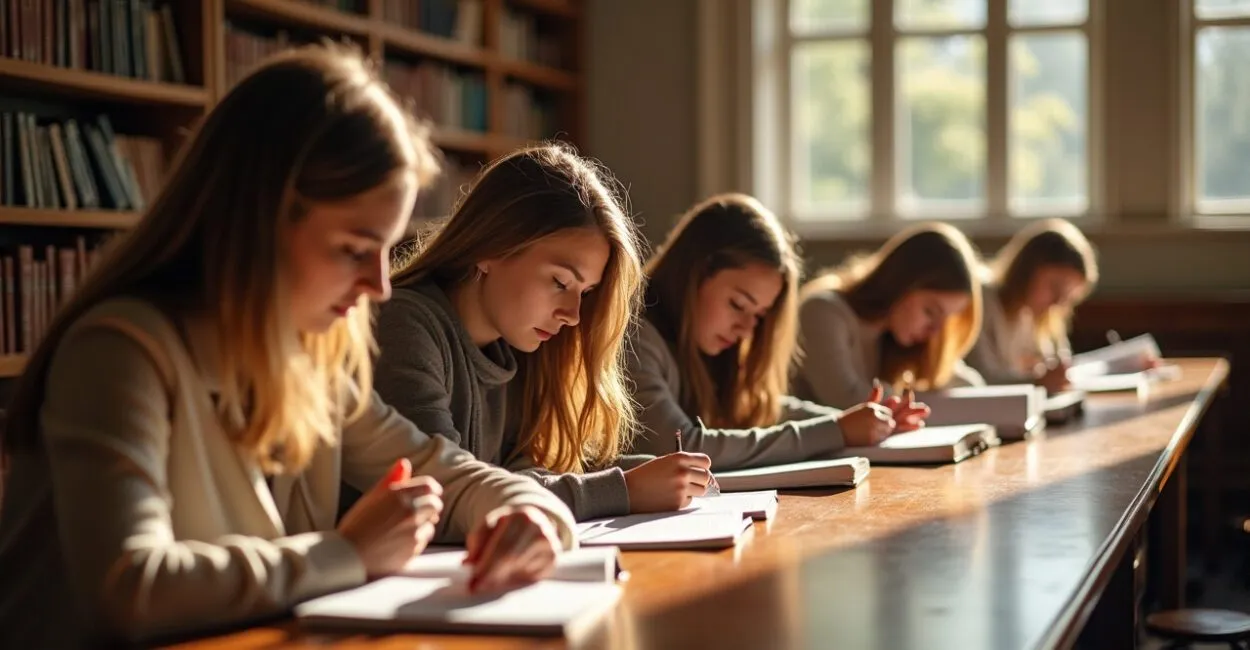
Imagine a vibrant classroom filled with girls and young women, each with a bright future ahead. But what if that picture looked different? What if some doors were closed to them? Women’s Day in Education reminds us that this isn’t just a hypothetical possibility—it’s a reality we must work to change every day. The fight for gender equality in education is far from over, and this day’s celebration inspires us to keep moving forward.
How many potential Marie Curies are missing the chance to shine because they lack opportunities? How many remarkable leaders never get to reach their full potential because of social and cultural barriers? It’s time to change that story!

The Surprising Connection Between Girls’ Education and Your Country’s GDP
Did you know there’s a direct link between women’s educational attainment and a country’s gross domestic product (GDP)? It’s true! When women have access to quality education, they actively contribute to the economy by generating income, driving innovation, and promoting development. Studies show that investing in girls’ and women’s education is one of the smartest investments a nation can make.
Think about it: an educated woman is more likely to find a better job, start a business, and raise her children with more resources and opportunities. She becomes a driver of economic and social growth, benefiting everyone.
Why Do We Still Need to Talk About This in 2024?
Despite all the progress, gender inequality in education persists in many parts of the world. In some countries, girls are prevented from attending school for cultural or religious reasons. In others, they face discrimination and harassment in the classroom. According to UNESCO, millions of girls are still out of school, denied their fundamental right to education.
In Brazil, although the situation is better, challenges remain. Black, Indigenous, and low-income girls and women face greater barriers to completing their education. We need public policies and affirmative action to ensure equal opportunities for everyone.
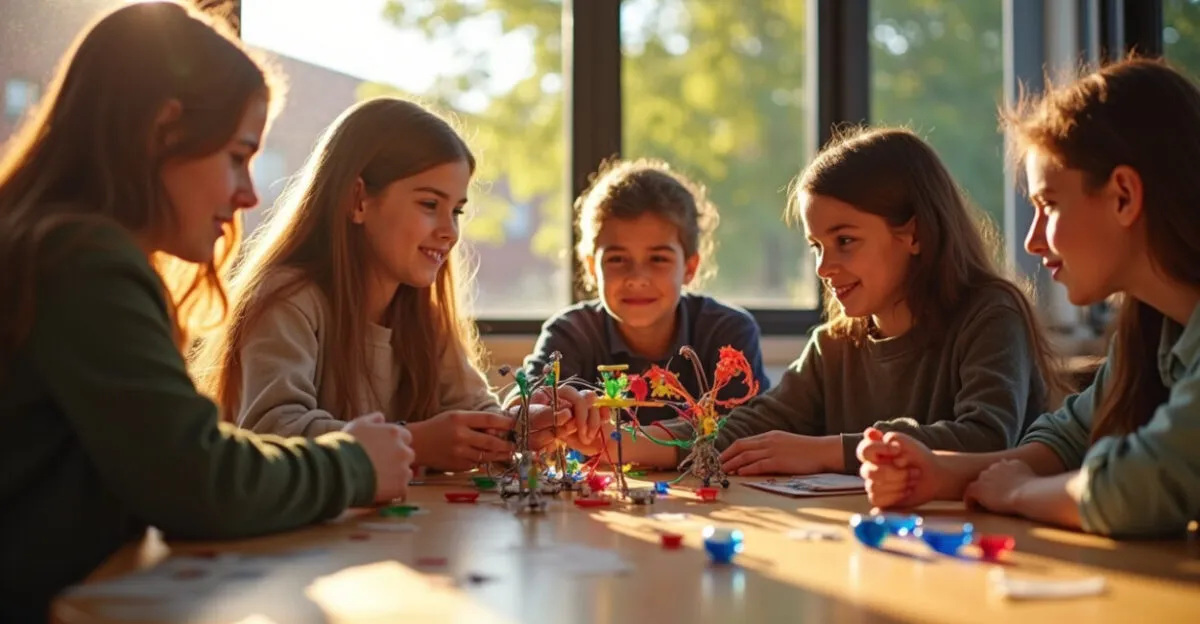
The Critical Mistake Many Schools Make (and How to Avoid It)

A common mistake many schools make is failing to address gender equality across all subjects and activities. Having a day dedicated to the topic isn’t enough; schools need to foster a culture of respect and equality all year long.
What should schools avoid? Ignoring gender stereotypes in textbooks, failing to challenge sexist language, and not offering girls and boys equal opportunities across all fields of study. Schools need to be safe, inclusive spaces where every student feels valued and encouraged to reach her full potential.
Inspiring Stories You Should Know
Meet Malala Yousafzai, the young Pakistani activist who fought for girls’ right to education and became a global symbol of resilience and hope. Or learn about Nísia Floresta Brasileira Augusta, a 19th-century pioneer who championed women’s education in Brazil. These women, along with countless others, show us that education is a powerful tool for transforming lives and societies.
Their stories inspire us to keep working toward a world where all girls and women have access to quality education, free from discrimination and barriers.
The Secret to Empowering Future Generations
What’s the secret to empowering future generations of women? The answer is simple: quality education combined with social and emotional skill development. Along with learning to read, write, and do math, girls need to build self-confidence, resilience, leadership skills, and critical thinking.
When girls feel safe, valued, and confident in their abilities, they can overcome any obstacle and achieve their dreams. Education is the key to unlocking every woman’s full potential.
How Women’s Day Can Transform Your Classroom (Starting Tomorrow!)
Women’s Day can be an opportunity to make your classroom a more inclusive and equitable space. Why not hold a discussion about the challenges women face in education? Or invite an inspiring guest speaker to share her story?
You can also organize activities that highlight women’s contributions across fields such as science, technology, art, and literature. The key is to create an environment where every student feels represented and encouraged to pursue her dreams.
The Future of Girls’ Education Starts Now: What Can You Do?
The future of girls’ and women’s education is in our hands. Every one of us can make a difference—by supporting projects that promote gender equality in education, challenging sexism and discrimination in our daily lives, or inspiring and encouraging girls to pursue their dreams. Remember: when we invest in women’s education, we invest in a fairer, more prosperous, and more equal future for everyone.
May Women’s Day serve as a constant reminder that the fight for gender equality in education continues, and that each of us has an important role to play in this journey.
Why Is Girls’ Education So Important to a Country’s Development?
Girls’ and women’s education plays a crucial role in a country’s development for many reasons. Educated women are more likely to participate actively in the workforce, contributing to economic growth and innovation. In addition, women’s education is associated with better health outcomes for women and their families, including lower infant mortality and higher vaccination rates. Studies also show that women with more education are more likely to invest in their children’s education, creating a virtuous cycle of development. When women have access to education, they become agents of change in their communities, advancing gender equality and social development.
What Are the Main Challenges Girls and Women Face in Accessing Education in Some Parts of the World?
In many parts of the world, girls and women face significant challenges that limit their access to education. Poverty is one of the biggest obstacles, as many families can’t afford the costs associated with schooling, such as uniforms, books, and tuition. Cultural and social norms also play a major role, with some communities prioritizing boys’ education over girls’. In addition, gender-based violence, including sexual harassment and child marriage, keeps many girls from attending school safely. A lack of adequate infrastructure, such as safe schools and proper restrooms, can also deter girls from getting an education. Overcoming these challenges requires a joint effort from governments, nongovernmental organizations, and communities to promote gender equality and ensure that all girls and women have access to quality education.
How Can Technology Be Used to Promote Girls’ Education?
Technology offers many ways to promote girls’ and women’s education, especially in areas where access to traditional education is limited. Online learning platforms and educational apps can provide access to quality learning resources for girls and women in remote or underserved areas. Technology can also support online mentoring programs that connect girls and women with inspiring role models and professional development opportunities. In addition, it can be used to combat online harassment and make the internet safer for girls and women. By harnessing the power of technology, we can overcome geographic, cultural, and social barriers and ensure that all girls and women have the tools and resources they need to reach their full potential.
What Are Some Effective Initiatives That Have Been Implemented to Promote Gender Equality in Education?
Effective initiatives to promote gender equality in education have been implemented around the world. Scholarships and financial aid help ensure that girls from low-income families can access education. Awareness campaigns aim to change cultural and social norms that perpetuate gender inequality in education. Teacher training programs focused on gender-responsive teaching help create more inclusive and equitable learning environments. In addition, initiatives that encourage girls to pursue STEM (science, technology, engineering, and math) help break gender stereotypes and inspire them to pursue careers in these fields. By investing in these and other effective initiatives, we can create a future where all girls and women have access to quality education and the opportunity to achieve their dreams.
How Can I Help Promote Gender Equality in Education in My Community?
There are many ways you can help promote gender equality in education in your community. You can start by supporting local organizations that work to advance girls’ and women’s education through donations, volunteering, or taking part in fundraising events. You can also mentor a young person in your community, offering guidance and support with her studies and personal development. In addition, you can advocate for policies and practices that promote gender equality in education, such as eliminating school fees, promoting inclusive curricula, and addressing sexual harassment in schools. By taking simple but meaningful steps, you can make a difference in the lives of girls and women in your community and help build a fairer, more equal future.
Artigos Relacionados
 Women’s Day Cards in Early Childhood Education: Celebrating Equality and Women’s Empowerment Through Art and Creativity
 The Classroom of the Future: Emerging Technologies Transforming Education
 Women in Science: Overcoming Challenges and Shaping the Future
 International Women’s Day Coloring Pages: Inspiring Creativity and Artistic Expression Through Women’s Empowerment Themes
 Inspirational Women’s Day Messages: Short, Powerful Lines for Cards and Early Childhood Activities That Promote Empowerment
 Teaching Careers: How to Plan Your Future in Education
