

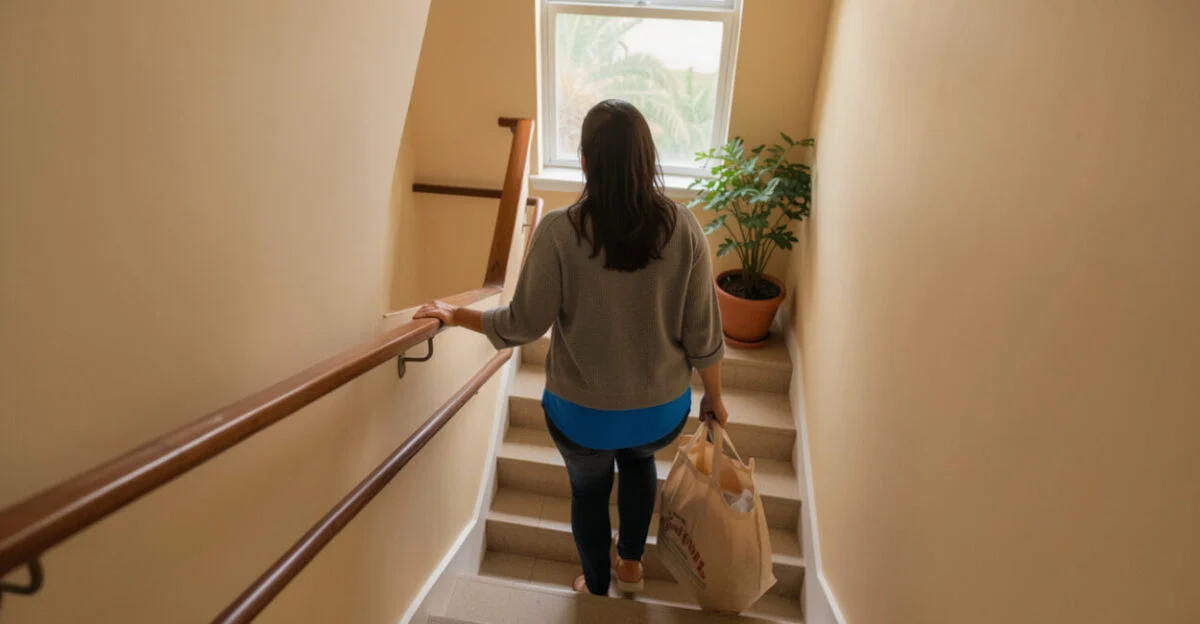
Walking to the store, taking the stairs, or dancing at home all count as movement. Physical activity is any bodily movement produced by skeletal muscles that increases energy expenditure; exercise is a planned, structured, and repeated form of physical activity. Understanding the difference can help you find options that fit your routine, with or without a gym.
Moving regularly can benefit your health, energy, and quality of life. For students, it can also help break up long periods of sitting and build a routine that supports attention, without promising better grades or the same results for everyone.

What is physical activity, and how is it different from exercise?
Physical activity is any bodily movement that raises energy expenditure above resting levels. Exercise is physical activity that is planned, structured, and repeated to develop or maintain physical fitness. Walking to run an errand counts as physical activity; following a walking plan or strength training are examples of exercise. This distinction clears up a common misconception: movement does not require athletic clothes, a gym, or a scheduled time. Everyday activities count, too, although a planned exercise routine can help you work toward specific goals, such as strength or endurance.
Concept What it means Examples Physical activity Bodily movement that increases energy expenditure. Walking, taking the stairs, playing, and doing household chores. Exercise A type of physical activity that is planned, structured, and repeated. Planned walks, strength training, and dance classes.
What are the types of physical activity, and where can you do them?
Activities can be grouped by what they develop or by where they take place, but these categories overlap. Dancing, for example, can raise your heart rate and challenge your balance. There is no universal list of “seven types”; the groups below offer a practical way to organize examples.
Category or context Examples Notes Aerobic Walking, running, biking, and dancing. Involves continuous movement that raises your breathing rate and heart rate. Strengthening Strength training, bodyweight exercises, and stair climbing. Can use equipment or just your body weight. Balance and flexibility Balance exercises, stretching, and some movement practices. An activity can combine these abilities with others. Getting around and everyday tasks Walking to a destination, gardening, and more active cleaning. Everyday movement counts, too. At-home options Dancing, squats, mobility exercises, and stepping up and down. You can get started without equipment by adapting the movements.
This table is not an official classification or a ranking of activities. The right choice depends on each person’s access, preferences, and circumstances. Combining activities can be useful, but you do not need to start by doing everything.

What health benefits can physical activity provide?

Regular physical activity can support physical health, well-being, and energy, as well as help you stay independent in everyday tasks. The effects vary depending on the activity, how often you do it, your health, and other habits. A single session also does not have the same effect as a routine maintained over time. Moving more can make it easier to walk, carry groceries, or take part in leisure activities. Some people also feel an immediate boost in energy or well-being after a session; others notice little change, which does not mean the activity “didn’t work.”
The World Health Organization provides guidance and information about the effects of movement in its WHO physical activity fact sheet. In Brazil, the Ministry of Health website provides information for the public. These resources explain general benefits but do not replace an individual evaluation if you have a health condition or limitation.
How much and how often should you move?
For adults, the WHO recommends 150 to 300 minutes of moderate-intensity aerobic activity per week, or 75 to 150 minutes of vigorous-intensity activity, or an equivalent combination. It also recommends muscle-strengthening activities at least two days a week. These are public health guidelines, not a requirement for getting started.
If you are just starting out, you can spread movement throughout the week and gradually increase the frequency or duration based on your current condition. Walking for transportation, dancing, and other activities count toward the total. At a moderate intensity, you can usually talk, though singing becomes more difficult. This can feel different for everyone and is not a clinical assessment.
Recommendations differ for children, adolescents, older adults, and other groups. The U.S. Centers for Disease Control and Prevention (CDC) also provides information about physical activity and health. If you have an illness, a movement limitation, are pregnant, or have questions about what is safe, ask a health care professional for advice on how to adjust your activity.

How can you start and stick with a realistic routine?
A sustainable routine starts with an accessible activity that suits your current fitness level. A gym and equipment can be helpful, but they are not prerequisites: walking, dancing, or exercising at home are alternatives, as long as they are right for you.
Before choosing, consider these factors:
- Access: Can you do it near home, at work, or at home?
- Preference: Does the activity seem enjoyable enough to repeat?
- Fitness level: Are the movements appropriate for your current limitations and experience?
- Safety: Do the location and how you perform the activity allow you to exercise safely?
- Consistency: Does it fit your schedule, even during busier weeks?
Options for getting started include walking, active transportation, dancing, at-home exercises, everyday tasks, and sports. These are examples to consider, not an individualized prescription. Choosing something easy to access is often more useful than building an ambitious routine that depends on conditions that are hard to maintain.
A common pattern is to set aside a very long, intense workout after months without exercising. The effort can cause discomfort and make it harder to repeat the activity; starting at a manageable level and adjusting gradually can lower that barrier. Stop exercising and seek medical evaluation if you experience severe pain, unexpected shortness of breath, dizziness, or significant discomfort.
If you are a student, taking a walk or stretching break can break up long periods of sitting. If your studies involve fields such as education, consider taking movement breaks between readings and assignments, without treating them as a substitute for rest.
- Choose a regular time that already fits your schedule, such as your lunch break or the end of the day.
- Set a realistic minimum: 15 to 20 minutes is better than none.
- Mix different types of effort: aerobic activity for endurance, strength work for muscle support, and mobility exercises to reduce stiffness.
- Pay attention to recovery: poor sleep and persistent soreness call for adjustments, not pushing through at all costs.

How is physical activity related to studying and concentration?
Movement can support energy and mood, which may help you return to a task with more focus in some situations; it does not guarantee improvements in memory, concentration, or academic performance. Circulation, sleep, and stress regulation all play a role, but the effects vary from person to person.
After hours of sitting, another study session may not be very productive once mental fatigue sets in. A walk or active break can be an alternative to coffee, although it cannot make up for poor sleep or replace study methods. If you are looking for information about teacher education, you can also consult this related first resource.
Movement can create better conditions for studying, but learning also depends on rest, breaks, and study habits.
You do not need a gym to add movement between study sessions. The practical goal is to choose a break that interrupts sitting without turning the break into another hard-to-keep obligation.
How can you tell if your routine is working?
Notice whether you are being consistent, whether the activity fits your schedule, and how your energy responds. Do not rely only on your weight or athletic performance as a measure. Personal observations can help you adjust your routine, but on their own, they cannot confirm clinical changes in your health.
How long it takes to notice changes varies. If the activity causes significant discomfort, interferes with sleep, or feels hard to sustain, reduce the effort or try another option. For information about health and movement, the public can also consult official sources such as the WHO and Brazil’s Ministry of Health.
A quick reference:
Question Answer What counts? Everyday movements and planned exercise can both count as physical activity. Do you need a gym? No; there are options outdoors, while getting around, and at home. How much should you do? Recommendations for adults are guidelines; beginners can build up gradually. How should you choose? Consider access, preference, fitness level, safety, and whether you can stick with it.
Your next step could be to choose an accessible option, set a realistic time, and see over the next few weeks whether it fits your routine. Adjust your plan based on how your body responds, and seek professional guidance if you have symptoms, limitations, or health concerns.
Frequently asked questions
How long does it take to feel the benefits of physical activity?
There is no timeline that applies to everyone. Some people notice a change in their energy after one session, while adaptations associated with regular activity may take longer and depend on the activity, frequency, and each person’s health.
Does working out at night interfere with sleep?
It depends on the person and the timing. If intense activity close to bedtime makes you feel more alert, try doing it earlier. If it does not affect your rest, there is no reason to assume that working out at night is a problem.
Is it better to work out before or after studying?
There is no ideal order for everyone. Some people prefer to move before studying to wake up; others take a walk afterward as a break. Try both options and see which works better with your focus and schedule.
What are the 7 types of physical activity, and what are 10 examples?
There is no universal classification of seven types. Categories depend on the criteria used and can overlap. Examples include walking, running, biking, dancing, strength training, bodyweight exercises, stretching, balance activities, gardening, and walking to get around.
Artigos Relacionados
 Physical Education Teacher: A Complete Guide to Training and Career Paths
 Career Transition: A Complete Guide to Getting Started and Succeeding
 Early Childhood Education: The Importance of Play in Child Development
 Childhood and Learning: How They Shape Adult Life
 Basic Concepts of Geometry
 Youth and Adult Education in Brazil: Better Preparation for a Successful Future
